As the boundaries of the automotive industry continue to expand, automakers are venturing into uncharted territories – the moon. The development and production of lunar rovers are now a focal point of investment for these companies, marking a significant shift from their traditional business models.
The New Space Age and the Moon’s Commercial Potential
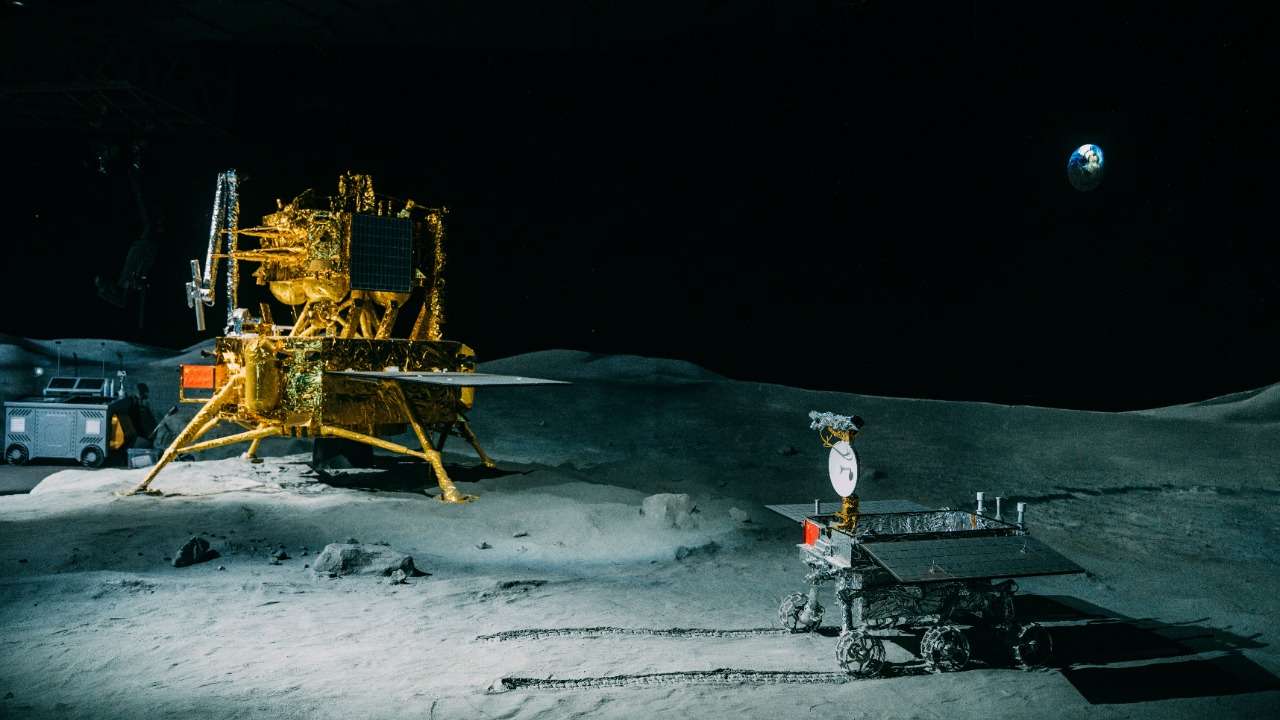
The dawn of a new space age presents an unprecedented frontier for business opportunities, with the moon being a focal point. The moon’s potential for commercial exploitation is immense, ranging from mining lunar resources to establishing moon bases for scientific research and tourism. Lunar rovers are critical tools in this endeavor, equipped with the capability to explore and exploit the moon’s resources.
For instance, lunar rovers can carry out on-site lunar prospecting, identifying valuable resources such as water ice, which can be converted into rocket fuel. They can also function as transport vehicles for astronauts, enhancing mobility on the lunar surface. The commercial potential of the moon is thus inextricably linked to the capabilities of lunar rovers, prompting automakers to invest in this new venture.
Automakers’ Expertise in Rover Technology

Automakers have a long history and substantial expertise in designing and manufacturing ground vehicles, a skill set that is highly applicable in the realm of lunar rovers. The transition from building cars to lunar rovers is not as drastic as it may seem. The same principles of vehicle dynamics, power systems, and durability under extreme conditions apply.
Take for example, Jaguar Land Rover’s recent investment in expanding their luxury paint services. This may seem unrelated, but the technology and expertise gained here, such as creating durable finishes that can withstand harsh environments, can be applied to the production of lunar rovers. Jaguar’s investment is a clear demonstration of how automakers’ existing expertise can be leveraged in the development of lunar rovers.
The Role of Partnerships in Lunar Exploration
Partnerships play a crucial role in the successful exploration of the moon. Recently, General Motors and Lockheed Martin announced a collaboration to develop a new lunar terrain vehicle. This partnership brings together General Motors’ expertise in electric vehicles and autonomous driving with Lockheed Martin’s experience in spacecraft systems and operations.
This collaboration is a prime example of how automakers and space industry leaders can work together to drive lunar exploration initiatives. With automakers’ expertise in vehicle production and space agencies’ understanding of space conditions, these partnerships are pivotal in overcoming the challenges of lunar exploration. More on this collaboration can be found on CNN and Lockheed Martin’s official site.
The Economic Benefits of Investing in Lunar Rovers

Investing in lunar rovers carries substantial economic benefits for automakers. The potential profits from the sale and operation of lunar rovers are significant, as both government agencies and private companies express interest in lunar exploration and exploitation. This new market offers automakers an opportunity to diversify their revenue streams, reducing reliance on traditional automotive sales.
Furthermore, the development of lunar rovers can spur innovation within the companies, leading to technological breakthroughs that can be transferred to their earth-bound vehicles. This cross-pollination of technology can enhance the competitive edge of automakers in their conventional markets.
The Future of Automakers in Lunar Exploration
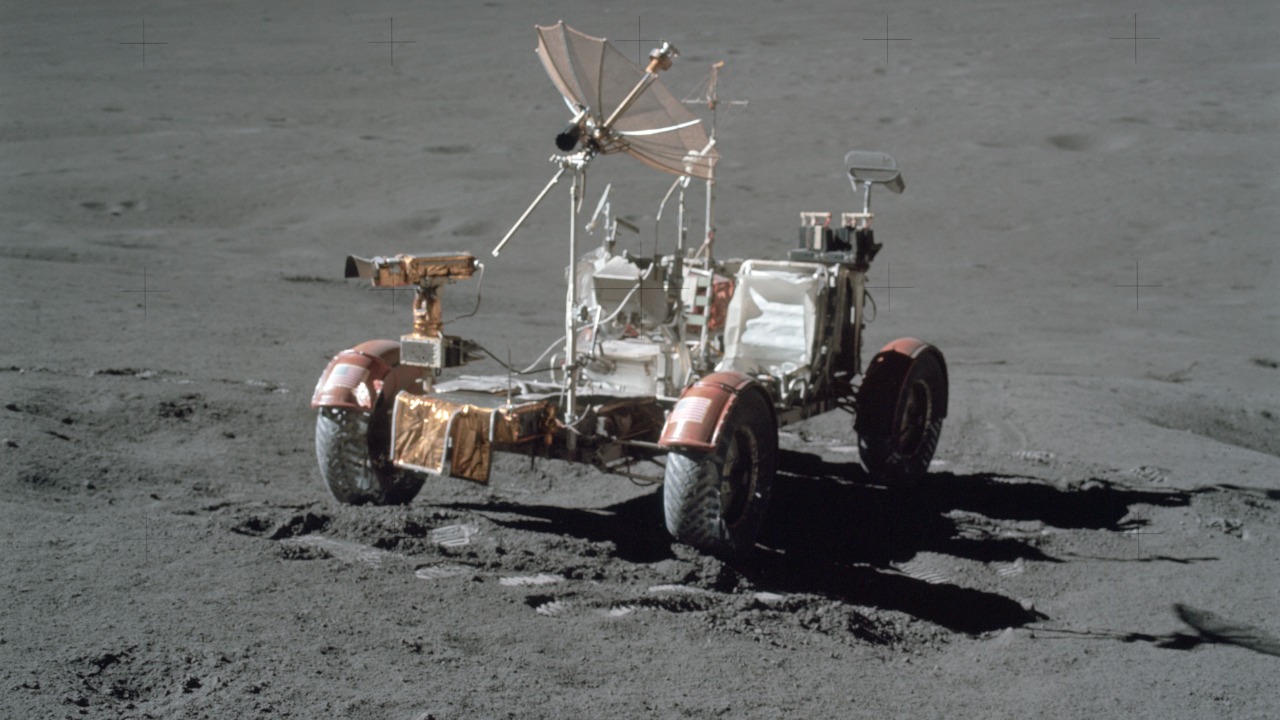
The involvement of automakers in lunar exploration is not a short-term venture, but a long-term vision. The development of lunar rovers is the first step in what could be a comprehensive involvement in the colonization of the moon. Automakers could eventually be producing a wide range of lunar vehicles, from transport rovers to construction and mining vehicles.
Moreover, the future of transportation and mobility on the moon could be significantly shaped by lunar rovers. As we move towards the possibility of permanent human settlements on the moon, lunar rovers will be an essential part of the infrastructure, providing mobility for inhabitants. This vision of the future provides a compelling reason for automakers to invest in lunar rovers today.
