Ford tractors hold a significant place in agricultural history, marking an era of innovation and efficiency in farming practices. However, despite their popularity and impact, Ford ceased manufacturing tractors at a certain point. Here, we explore the timeline and reasons behind Ford’s decision to stop producing tractors.
The Rise of Ford Tractors
Early Beginnings and Henry Ford’s Vision
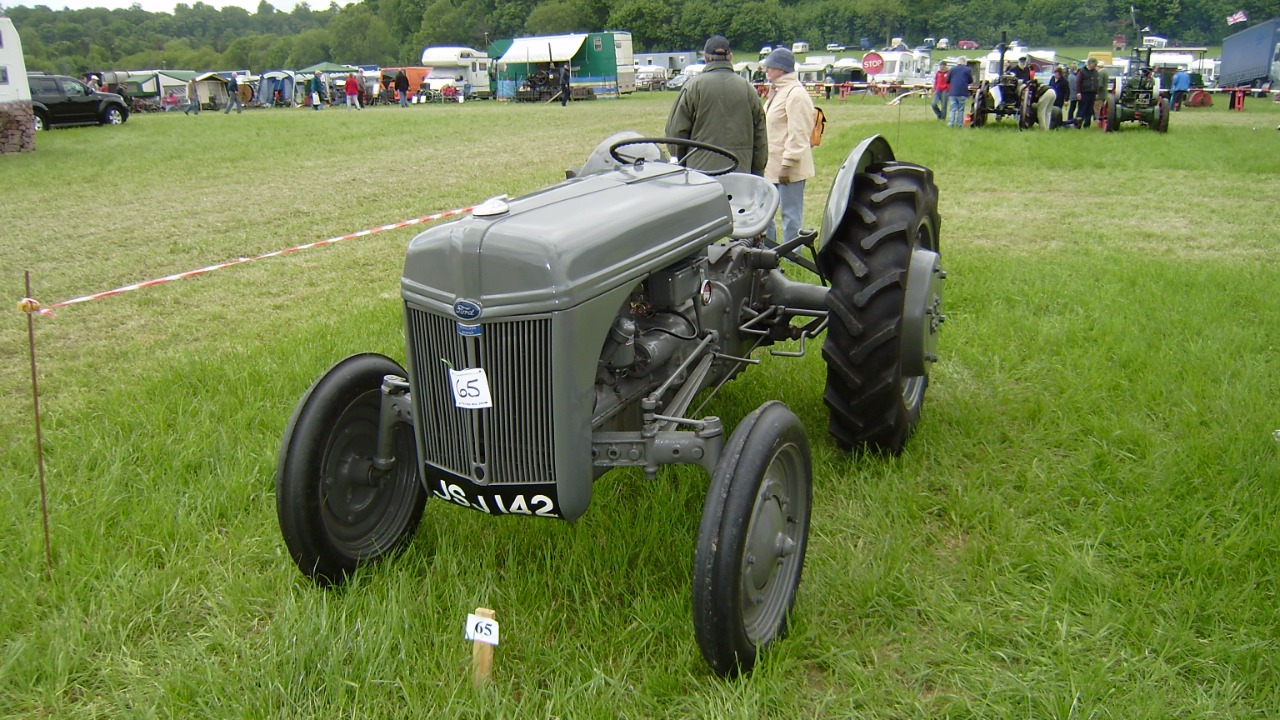
Henry Ford’s unwavering vision for affordable and efficient machinery spurred the creation of the Fordson tractor. Introduced in 1917, the Fordson was not only a technological marvel but also a symbol of accessibility in the farming industry. Ford’s approach was simple yet revolutionary: make tractors affordable for the average farmer. This vision was realized through the application of mass production techniques, which Ford had already successfully implemented in the automotive industry.
The Fordson became the world’s first mass-produced tractor, fundamentally transforming the agricultural landscape. Its introduction meant that small-scale farmers could now afford machinery that would significantly reduce labor time and increase productivity. The Fordson was light, versatile, and easy to maintain, qualities that made it immensely popular. It quickly became a staple on farms across the United States and eventually worldwide, setting the stage for Ford’s dominance in the tractor market.
Mass Production and Market Dominance
The success of the Fordson tractor was largely due to Ford’s pioneering use of assembly line production. This method allowed the company to produce tractors at an unprecedented scale and speed, drastically reducing costs. As a result, Ford was able to offer tractors at a price point that was accessible to a vast number of farmers, previously unimaginable. By the 1920s, Ford had achieved a significant share of the market, and the Fordson was being used globally.
During this time, Ford’s tractors were not just tools but symbols of modernization and progress. The company’s ability to produce tractors efficiently and at scale meant that even during economic downturns, such as the Great Depression, Ford managed to maintain its market presence. The Fordson’s affordability and reliability solidified the company’s reputation as a leader in agricultural innovation. However, this dominance was not to last indefinitely, as new challenges began to emerge.
Challenges and Competition
Emerging Competitors in the Market
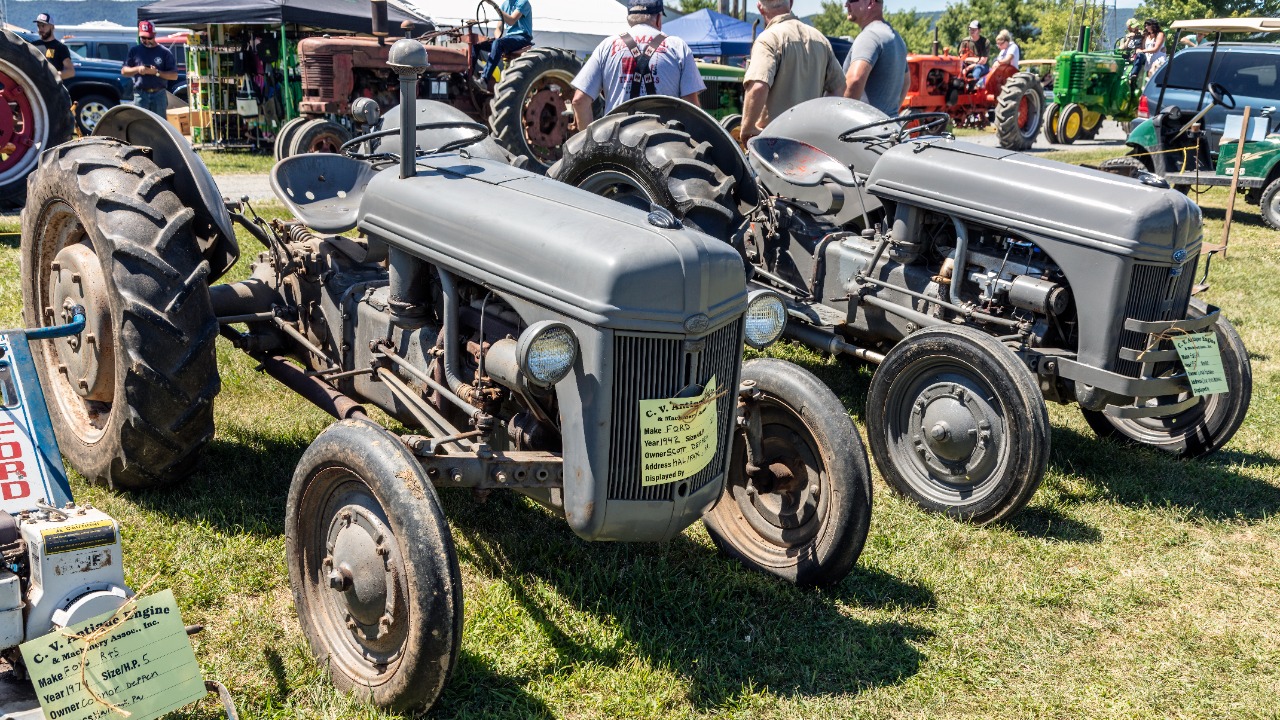
As Ford continued to thrive, other companies recognized the lucrative potential of the tractor market. Competitors like John Deere began to emerge with innovative technologies and strategies that posed significant challenges to Ford’s dominance. John Deere, in particular, capitalized on advancements such as the introduction of diesel engines and more diverse tractor models. These innovations appealed to a broader range of farming needs and preferences, gradually eroding Ford’s market share.
The rise of John Deere and other competitors highlighted the importance of continuous innovation in maintaining market leadership. While Ford had initially set the standard, its competitors were quick to adapt and introduce features that better met the evolving demands of the agricultural sector. This shift signaled a more competitive landscape, requiring Ford to rethink its strategies and approach.
Economic and Market Pressures
Throughout the mid-20th century, Ford faced a series of economic and market pressures that began to strain its tractor production. Global economic fluctuations, coupled with shifts in agricultural practices, led to fluctuating demand for tractors. Additionally, increased competition from other manufacturers meant that Ford had to contend with narrowing profit margins and the need for significant investment in research and development to keep pace with technological advancements.
These market pressures were compounded by internal challenges, such as rising production costs and strategic decisions to focus on other areas of the business. As a result, Ford’s tractor division experienced declining sales, prompting the company to reevaluate its position within the agricultural sector. The decision to cease production was not taken lightly and involved careful consideration of the company’s long-term objectives and resources.
The Decision to Cease Production
Strategic Shift and Business Decisions
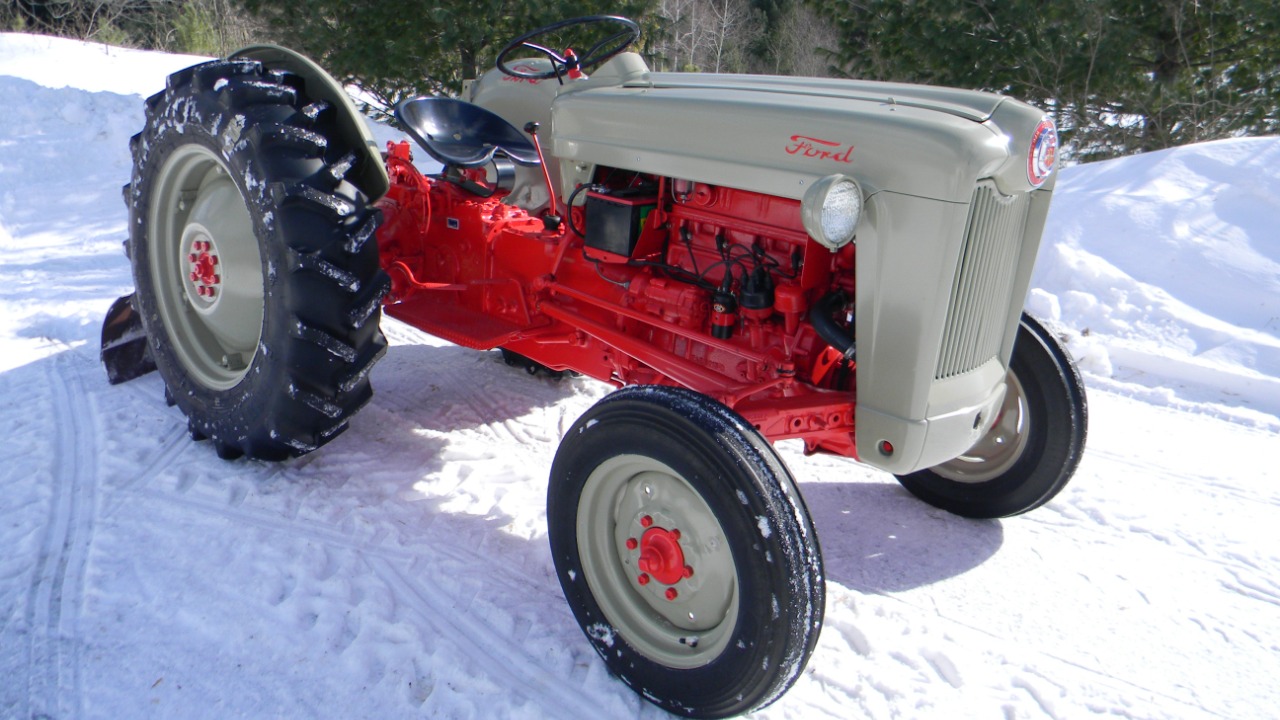
In the face of mounting challenges, Ford made the strategic decision to discontinue its tractor production. This decision was part of a broader shift in focus, as the company sought to concentrate its efforts on its core automotive business. The move was influenced by the realization that maintaining a competitive edge in the tractor market would require significant investment and resources that could be more effectively allocated elsewhere.
Internal discussions and assessments indicated that the tractor division was no longer viable in the long term. This led to the eventual sale of Ford’s tractor operations to Fiat in 1991, marking the end of an era for Ford in the agricultural sector. The decision was driven by a desire to streamline operations and ensure the company’s sustained growth and profitability in the face of an increasingly competitive global market.
Impact of Globalization and Market Dynamics
Globalization and changing market dynamics played a crucial role in Ford’s decision to exit the tractor business. As global markets became more interconnected, the competitive landscape shifted, necessitating greater efficiency and specialization. Ford recognized that its resources would be better utilized by focusing on its strengths in the automotive sector, where it could leverage its expertise and infrastructure to maintain a competitive advantage.
The decision to cease tractor production was also influenced by the need to adapt to evolving consumer preferences and technological advancements. By reallocating resources to areas with higher growth potential, Ford positioned itself to remain at the forefront of innovation and industry leadership. This strategic realignment allowed the company to capitalize on emerging opportunities and reinforce its brand identity in the global market.
Legacy and Reinvention
Ford’s Lasting Impact on Farming
Despite its exit from the tractor market, Ford’s impact on farming and agricultural machinery is undeniable. The innovations introduced by Ford tractors laid the groundwork for modern farming practices, influencing subsequent developments in the industry. The principles of affordability, efficiency, and reliability that characterized Ford tractors continue to resonate in the design and functionality of contemporary agricultural equipment.
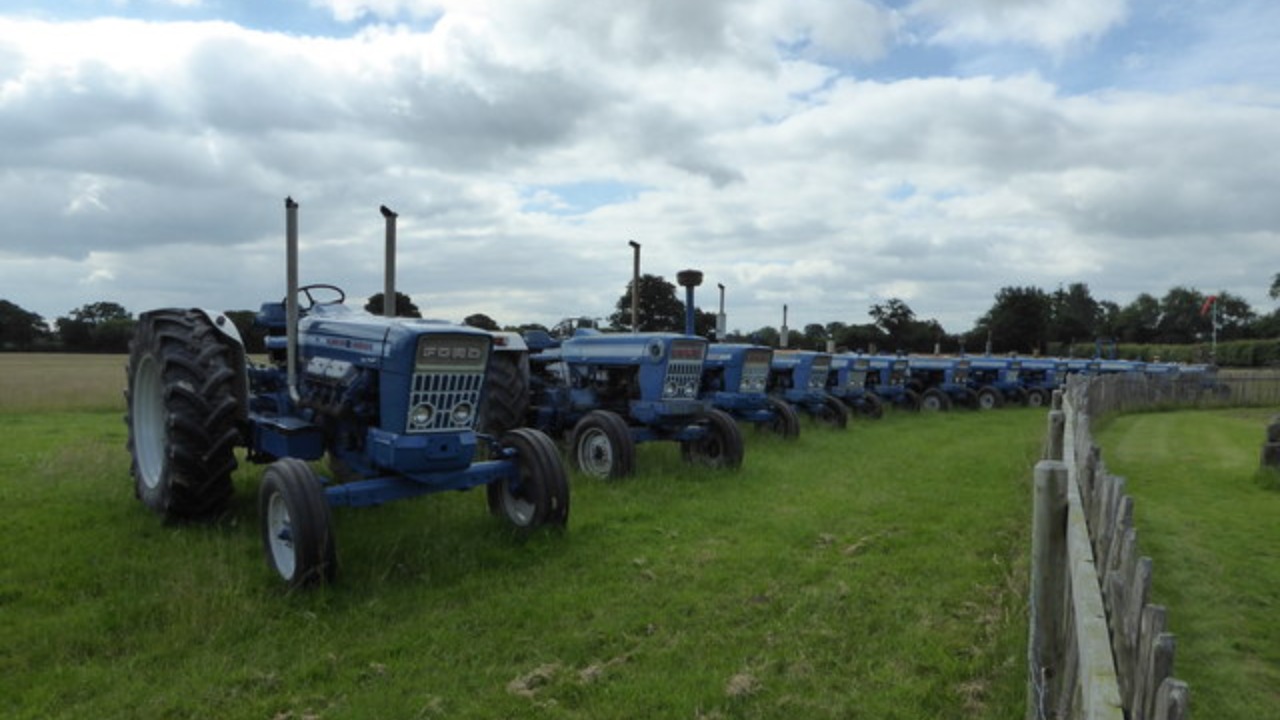
Ford’s legacy in the agricultural sector is evident in the enduring popularity of its vintage tractors, which are still cherished by collectors and enthusiasts worldwide. The Fordson, in particular, remains a symbol of the transformative power of mechanization in agriculture. Ford’s contributions to the industry have left a lasting imprint, shaping the trajectory of farming practices and machinery development for generations to come.
Reinvention and Brand Evolution
Ford’s decision to exit the tractor business paved the way for reinvention and brand evolution in other sectors. By refocusing its efforts on the automotive industry, Ford was able to leverage its expertise to drive innovation and growth. The company’s commitment to continuous improvement and adaptation has enabled it to remain a key player in the global market, despite the challenges posed by evolving consumer preferences and technological advancements.
This strategic pivot allowed Ford to explore new opportunities and expand its product offerings, reinforcing its position as a leader in the automotive industry. The lessons learned from its experience in the tractor market have informed Ford’s approach to innovation and adaptability, ensuring its continued relevance in an ever-changing landscape. The company’s ability to reinvent itself and embrace change has been instrumental in its sustained success and longevity.
Industry Implications and Lessons Learned
Lessons for Modern Manufacturers
Ford’s journey in the tractor market offers valuable lessons for modern agricultural equipment manufacturers. One key takeaway is the importance of adaptability and innovation in maintaining a competitive edge. As the market evolves, companies must be willing to invest in research and development to meet changing consumer demands and technological advancements. Embracing new technologies and strategies is essential for staying ahead of the competition and ensuring long-term success.
Moreover, Ford’s experience highlights the significance of strategic focus and resource allocation. By concentrating on its core strengths and areas of expertise, Ford was able to achieve sustained growth and profitability. This approach underscores the need for companies to continually assess their positioning and adapt to market dynamics, ensuring they remain relevant and competitive in a rapidly changing landscape.
Broader Industry Trends
Since Ford stopped making tractors, the agricultural equipment industry has experienced significant transformations. Technological advancements, such as precision farming and automation, have revolutionized the sector, leading to increased efficiency and productivity. These developments have been driven by the need to address challenges such as climate change, resource scarcity, and growing global populations.
Furthermore, the industry has witnessed a shift towards sustainability and environmental stewardship, with manufacturers prioritizing eco-friendly practices and technologies. This trend reflects a broader movement towards responsible and sustainable agriculture, emphasizing the need for innovation and adaptation. As the industry continues to evolve, the lessons learned from Ford’s experience remain relevant, offering valuable insights for navigating the complexities of modern manufacturing and market dynamics.
