Rear-engine jets, once a common sight in commercial aviation, have largely disappeared from the fleets of major airlines. Despite their decline in commercial use, these aircraft remain a staple in the world of private aviation. The reasons behind the shift in airline preferences and the continued reliance on rear-engine designs for private jets reveal a fascinating intersection of technology, economics, and market demands.
The Evolution of Jet Engine Placement
Historical Context and Origins
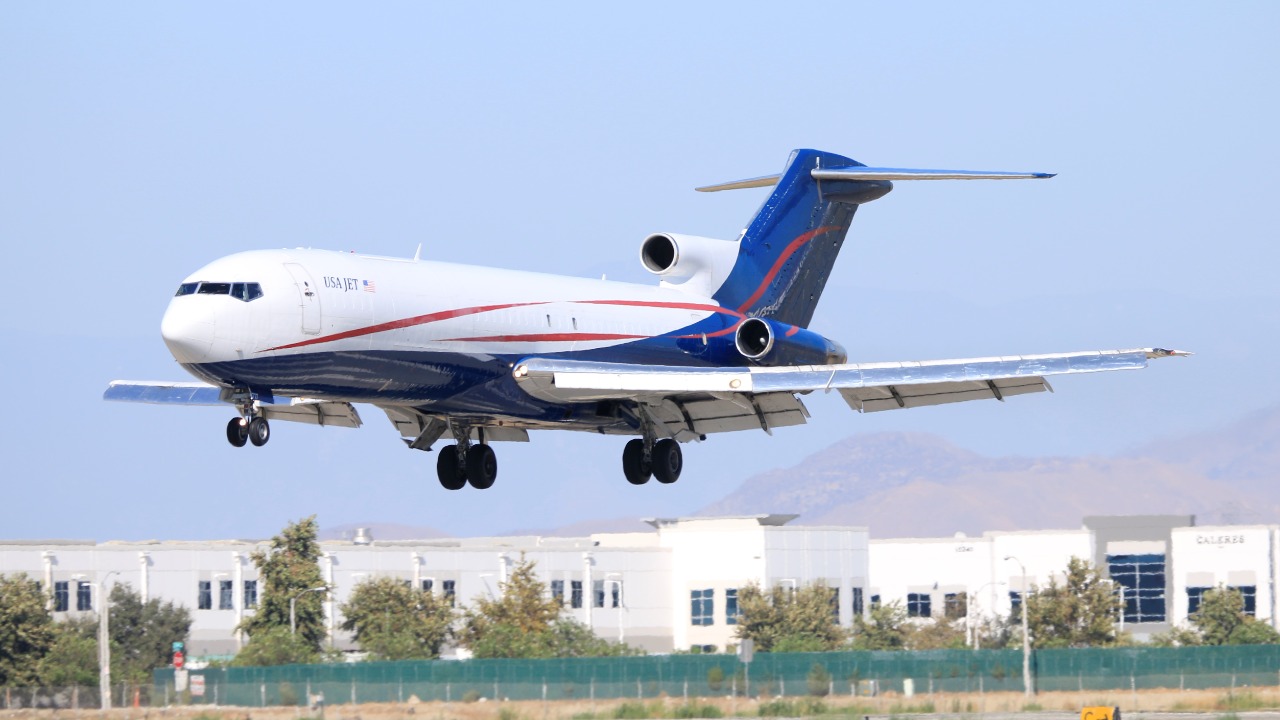
The introduction of rear-engine jets marked a significant advancement in the commercial airline industry during the mid-20th century. Aircraft models like the Boeing 727 and the Douglas DC-9 were celebrated for their innovative designs that placed engines at the rear. This configuration offered several advantages, such as quieter cabins, better passenger comfort, and improved aerodynamics due to the clean wing design.
However, as technology evolved, so did the expectations and requirements for commercial aircraft. The initial benefits of rear-engine designs began to face challenges as airlines sought to optimize fuel efficiency and reduce operational costs. These changes initiated a gradual transition towards aircraft with wing-mounted engines, which provided a new set of advantages.
Transition to Wing-Mounted Engines
Technological advancements in aerodynamics and engine design played a crucial role in the shift towards wing-mounted engines. Placing engines under the wings allowed for larger, more powerful engines that could be more fuel-efficient. This design also supported improvements in aircraft performance, including increased range and speed. As airlines focused on expanding their networks and reducing costs, the economic benefits of wing-mounted engines became increasingly attractive.
The move to wing-mounted engines was also driven by changing aircraft design requirements. As demand for larger, more efficient planes grew, the constraints of rear-engine designs became apparent. Wing-mounted engines facilitated larger fuselage designs, accommodating more passengers and cargo. This transition was further supported by advancements in materials and engineering, allowing for lightweight yet robust aircraft structures.
Operational and Maintenance Considerations
Fuel Efficiency and Performance
One of the key factors driving the adoption of wing-mounted engines is their superior fuel efficiency. Modern jet engines are designed to maximize thrust while minimizing fuel consumption, which is critical for airlines operating on tight margins. The placement of engines on the wings reduces drag and allows for more efficient airflow, leading to significant savings in fuel costs.
Furthermore, the performance benefits of wing-mounted engines extend to aircraft range and speed. Airlines prioritize these factors to enhance their competitive edge, offering faster and longer flights to meet market demand. These performance improvements directly influence airline profitability, making wing-mounted engines a preferred choice for commercial fleets.
Maintenance and Accessibility
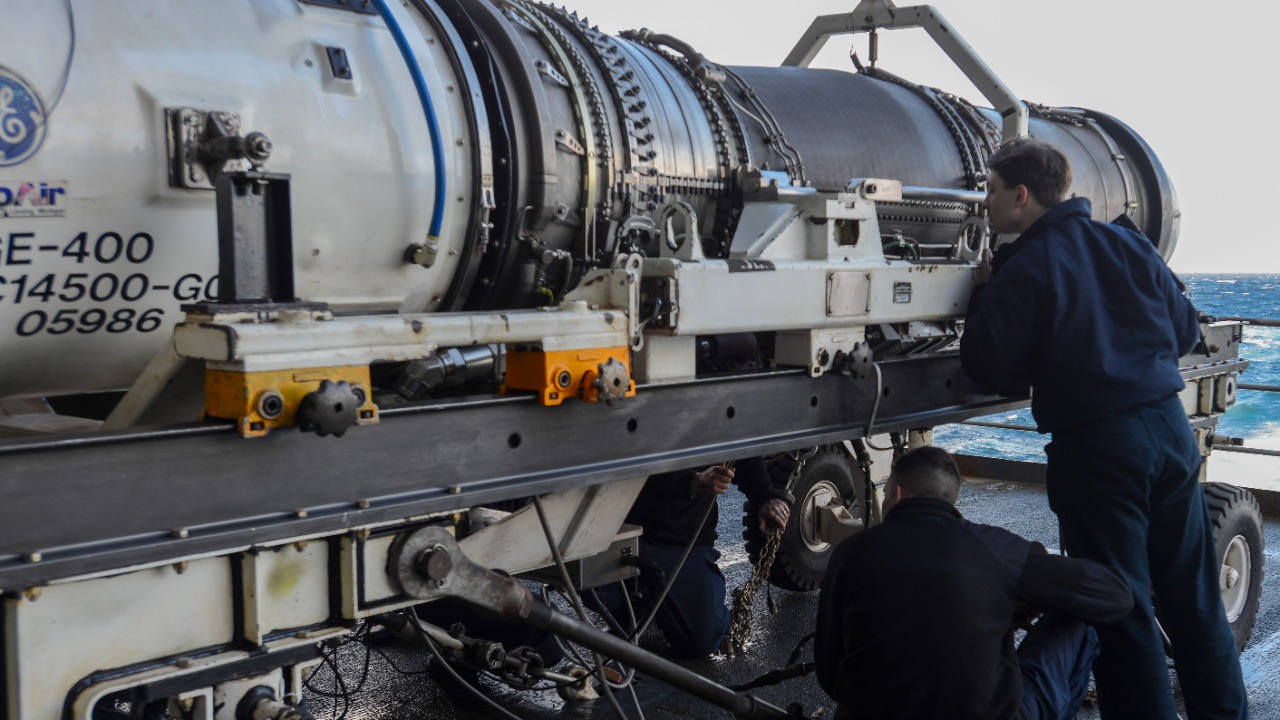
Maintenance considerations also play a significant role in the preference for wing-mounted engines. Compared to rear-engine designs, wing-mounted engines are more accessible for maintenance and inspection. This accessibility reduces downtime and maintenance costs, which are crucial considerations for airlines seeking to maximize the utilization of their aircraft.
Moreover, the logistics of maintaining wing-mounted engines are simpler, with easier access to engine components and a more straightforward process for engine replacement or repair. Airlines benefit from reduced labor costs and faster turnaround times, contributing to overall operational efficiency.
Economic and Market Forces

Cost Implications for Airlines
The economic rationale behind airlines moving away from rear-engine jets is closely tied to the rising costs of fuel and the need for operational efficiency. As fuel prices fluctuate, airlines are under pressure to optimize every aspect of their operations. Wing-mounted engines offer a more cost-effective solution, providing better fuel economy and reducing overall expenses.
The shift to wing-mounted engines also aligns with market demands for newer, more efficient aircraft models. Airlines are constantly seeking to modernize their fleets to stay competitive and meet customer expectations for comfort and reliability. This trend has led to the gradual phasing out of older rear-engine models in favor of more advanced aircraft designs.
Market Demand and Fleet Modernization
As airlines strive to modernize their fleets, the demand for new aircraft models that offer improved fuel efficiency and performance has surged. This trend is driven by both economic pressures and consumer expectations. Passengers increasingly prefer airlines that invest in modern, efficient planes, which promise greater reliability and comfort.
Fleet modernization efforts have also been influenced by advancements in aviation technology, enabling the development of larger, more efficient aircraft. As airlines replace older planes with new models, rear-engine jets have gradually been retired from commercial service, replaced by aircraft that better meet the demands of today’s aviation market.
Safety and Environmental Factors
Bird Strikes and Safety Concerns
Safety concerns have also played a role in the decline of rear-engine jets in commercial aviation. Rear-engine designs can be more susceptible to bird strikes, which pose a significant risk to aircraft safety. The placement of engines at the rear increases the likelihood of birds being ingested into the engines during takeoff and landing, leading to potential engine failure or damage.
Additionally, engine placement affects aircraft safety and emergency procedures. Wing-mounted engines, placed away from the tail and fuselage, offer better protection against potential hazards. This placement also facilitates safer emergency landings and evacuations, further reinforcing the preference for wing-mounted engines in commercial aviation.
Environmental Impact
Environmental considerations are increasingly important in the aviation industry, influencing decisions on engine placement. Wing-mounted engines generally produce lower emissions and noise pollution compared to rear-engine designs. This reduction is crucial as airlines face stricter environmental regulations and growing pressure to reduce their carbon footprint.
Government regulations and public awareness of environmental issues have prompted airlines to adopt more sustainable practices. The shift towards wing-mounted engines aligns with these goals, supporting efforts to minimize the environmental impact of aviation while meeting regulatory requirements.
The Persistence of Rear-Engine Jets in Private Aviation

Design Preferences for Private Jets
In contrast to commercial aviation, rear-engine designs remain popular in the private jet sector. These designs offer several advantages for smaller, private aircraft, including reduced cabin noise and improved aesthetics. The placement of engines at the rear allows for a quieter cabin experience, which is highly valued by private jet owners and passengers.
Additionally, the sleek design of rear-engine jets is often preferred for aesthetic reasons. The clean lines and streamlined appearance of these aircraft appeal to private jet customers who prioritize style and elegance. These preferences contribute to the continued use of rear-engine designs in the private aviation market.
Operational and Market Differences
The operational requirements of private jet operators differ significantly from those of commercial airlines. Private jets typically operate on shorter routes with fewer passengers, making the performance benefits of rear-engine designs more relevant. The flexibility and customization offered by these aircraft also appeal to private jet customers who seek personalized travel experiences.
Moreover, the market dynamics of private aviation allow for greater variation in aircraft design and features. Private jet owners often prioritize comfort, luxury, and customization over fuel efficiency and operational costs. These factors support the ongoing popularity of rear-engine jets in the private aviation sector, where individual preferences and unique requirements take precedence.
