
Understanding who can access your internet activity is crucial for maintaining your online privacy. From your Internet Service Providers to government agencies, multiple entities can monitor your digital footprint. This guide will help you understand who can see your internet activity and how you can protect yourself.
Internet Service Providers (ISPs)

Your ISP has a direct view of your online activities. They can track and store your browsing history, and in some countries, they may be required to share this information with government agencies. To learn more about ISPs’ access to your internet history, check out this NordVPN article.
Using a Virtual Private Network (VPN) can help encrypt your data and keep your browsing history private from your ISP.
Websites and Online Advertisers
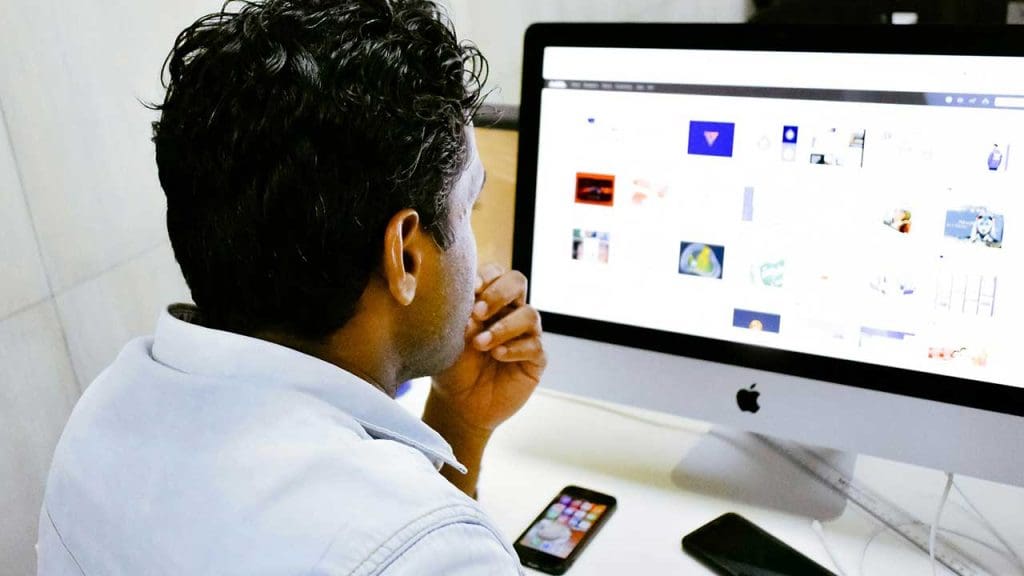
Websites and online advertisers often use cookies and tracking technologies to monitor your online behavior. This information is used to tailor advertising content to your preferences.
To mitigate this, consider using a browser extension that blocks tracking cookies or regularly clear your browser history. For more insights, check out this guide.
Government Agencies

Government agencies in some countries have the authority to monitor internet activity, often justified by security and law enforcement purposes.
Staying informed about your country’s internet surveillance laws can help you take proactive steps to protect your privacy. You can read more about this topic on MSN’s coverage.
Employers and Educational Institutions

Employers and educational institutions often monitor internet usage on their networks to ensure compliance with their policies. This monitoring can include the websites you visit and your online activities during work or school hours.
Be mindful of how you use the internet on these networks, and consider using personal devices for private browsing. Learn more by visiting this page.
Apps and Software Companies
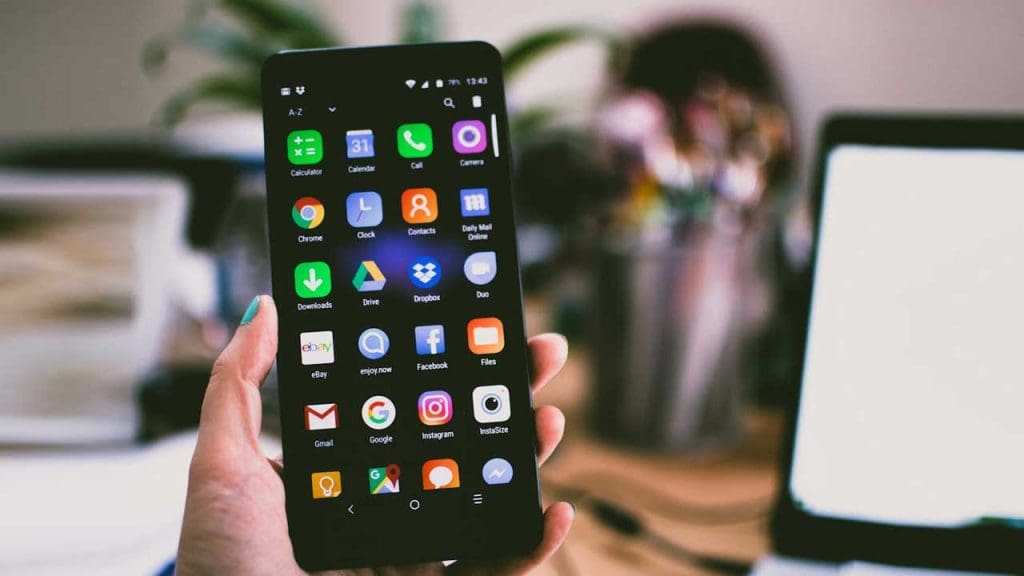
Many apps and software companies collect data about your usage patterns and internet activity to improve their services and for advertising purposes.
Always review the privacy policy of any app or software you use and adjust your privacy settings to limit data collection. For additional tips, visit CNET’s guide.
By understanding who can see your internet activity, you can take steps to protect your privacy. Whether it’s using a VPN or being cautious about the networks you connect to, these measures can help safeguard your online presence.
