The quest to understand black holes has intrigued scientists and captivated the public imagination for decades. These enigmatic cosmic entities, with their mysterious centers, have long been shrouded in theoretical and observational challenges. Recent developments, however, have brought us closer than ever to understanding what lies at the core of a black hole.
The Enigma of Black Holes: A Brief Overview
Defining Black Holes
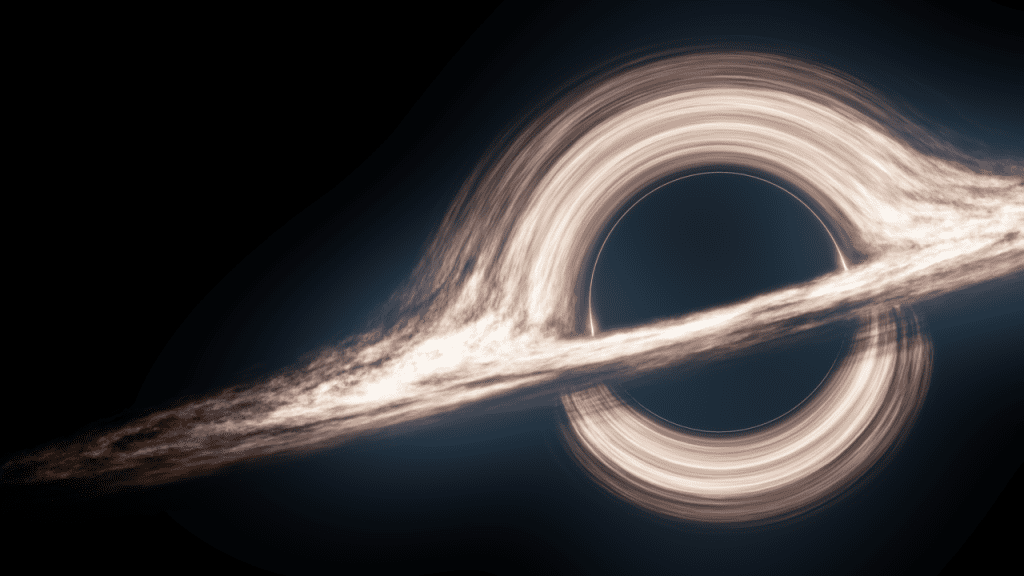
Black holes are regions in space where the gravitational pull is so strong that nothing, not even light, can escape. They are formed when massive stars collapse under their own gravity at the end of their life cycles. These celestial phenomena are significant in astronomy because they challenge our understanding of physics, particularly the laws of gravity and quantum mechanics.
The study of black holes has a rich history, with key contributions from figures such as Albert Einstein, whose theory of general relativity predicted their existence, and John Archibald Wheeler, who coined the term “black hole.” As our understanding has evolved, so too has our curiosity about what these cosmic mysteries hold.
Event Horizon: The Point of No Return
The event horizon is the boundary surrounding a black hole beyond which nothing can return. It marks the point of no return for matter and light, effectively cloaking the black hole’s core from direct observation. This boundary plays a crucial role in our theoretical constructs about the nature of black holes, including the enigmatic center.
The event horizon’s existence raises profound questions about what happens to matter and information that crosses this threshold, fueling numerous theories about the nature of black hole centers.
Peering into the Abyss: Technological Advancements
The Role of the Event Horizon Telescope (EHT)
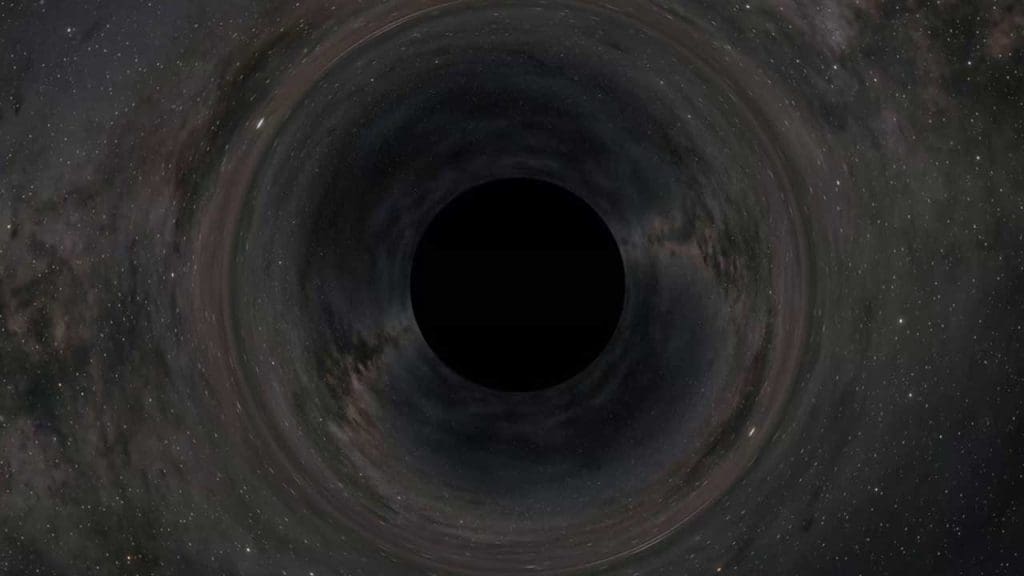
The Event Horizon Telescope (EHT) has been instrumental in advancing our understanding of black holes. This global network of radio telescopes works in unison to capture high-resolution images of black holes, culminating in the historic first image of a black hole’s heart in 2019. Learn more about this achievement here.
By synchronizing telescopes worldwide, the EHT has achieved unprecedented imaging capabilities, allowing us to see the shadow of a black hole and providing invaluable data for theoretical analysis.
Innovations in Astrophysical Observation Techniques
Recent advancements in astrophysical observation techniques have enabled us to peer deeper into black holes than ever before. Techniques such as interferometry and adaptive optics have pushed the boundaries of what we can observe, revealing more about the structure and behavior of black holes.
International collaboration has been key to these advancements. By pooling resources and expertise, scientists have been able to tackle the immense challenges posed by black hole research, paving the way for future discoveries.
Theoretical Insights: What Lies at the Core?
Singularity: A Point of Infinite Density
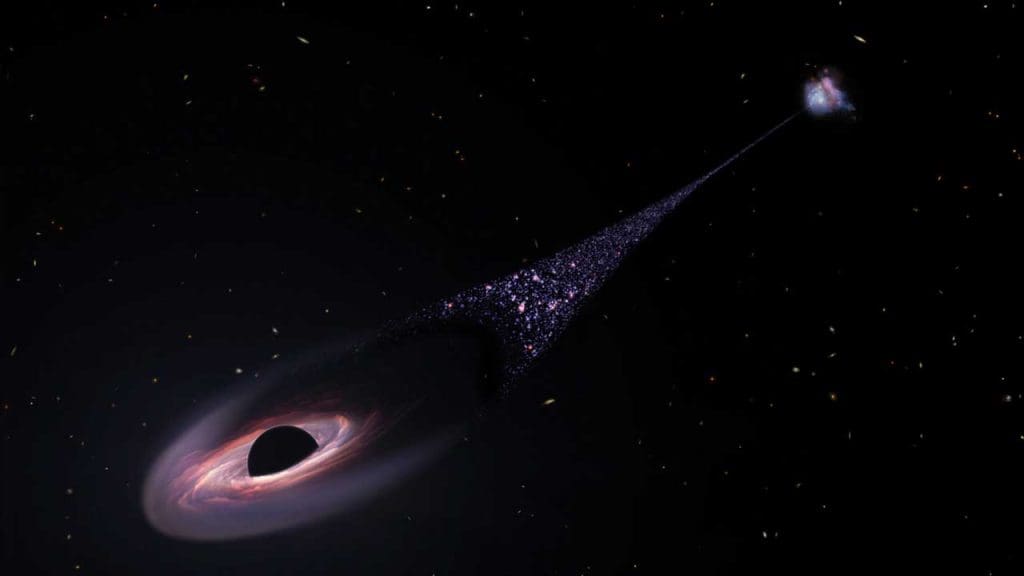
At the heart of a black hole, according to traditional theories, lies a singularity—a point where density becomes infinite and the laws of physics as we know them break down. This concept is central to our understanding of black holes but remains surrounded by theoretical challenges and controversies.
Many physicists question the singularity hypothesis, as it suggests a breakdown of our current understanding of physics. Efforts to reconcile this with quantum mechanics have led to the exploration of alternative theories.
Alternative Theories: Beyond the Singularity
One promising avenue of research involves quantum gravity theories, such as loop quantum gravity, which propose that singularities might be avoided by a yet-undiscovered quantum structure within black holes. Explore these theories further here.
These theories suggest that instead of a singularity, a black hole might have a finite, albeit incredibly dense, core, challenging our traditional notions and opening new possibilities for understanding black holes.
Implications of Recent Discoveries
Impact on Our Understanding of the Universe
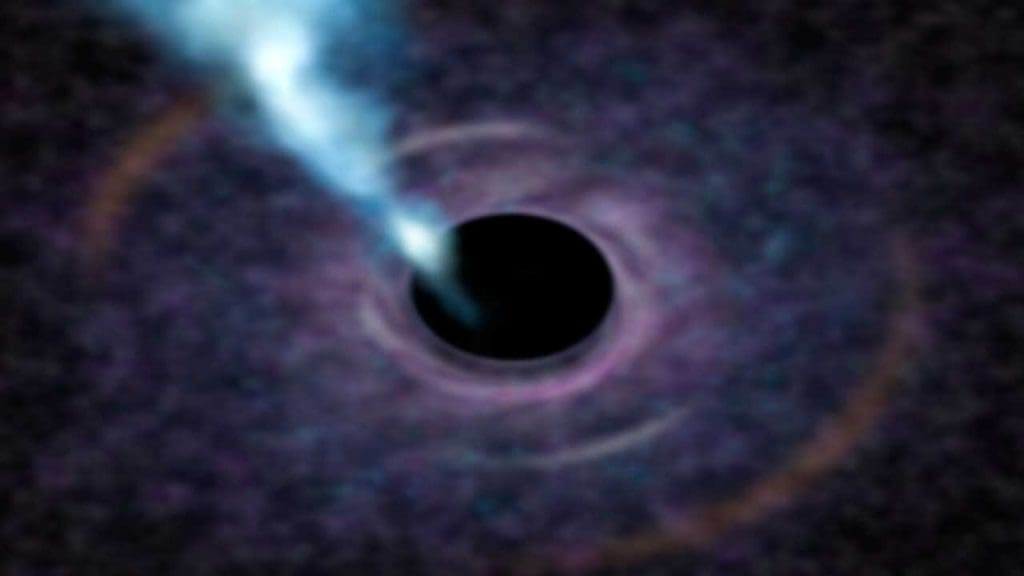
Recent discoveries about black holes have the potential to revolutionize our understanding of the universe. By challenging existing astrophysical models, these findings encourage us to rethink the nature of gravity and spacetime itself.
As we continue to explore these cosmic enigmas, our perception of the universe and its fundamental forces may shift, leading to groundbreaking insights and innovations in physics.
Future Research Directions and Challenges
The journey to uncovering the secrets of black holes is far from over. Future research will focus on refining our observational techniques and expanding our theoretical frameworks to better understand these celestial phenomena.
Technological challenges, such as achieving higher resolution imaging and developing new quantum theories, remain significant hurdles. However, the potential rewards of these endeavors promise to be transformative. Read more about future directions here.
