As the electric vehicle (EV) market continues to grow, a significant number of EVs will soon reach the end of their lifecycle. By the end of this year, approximately 100,000 EVs will retire, raising critical questions about the fate of their batteries. Understanding the lifecycle of these batteries is crucial for sustainability, economic, and environmental reasons.
The Growing Challenge of EV Battery Disposal
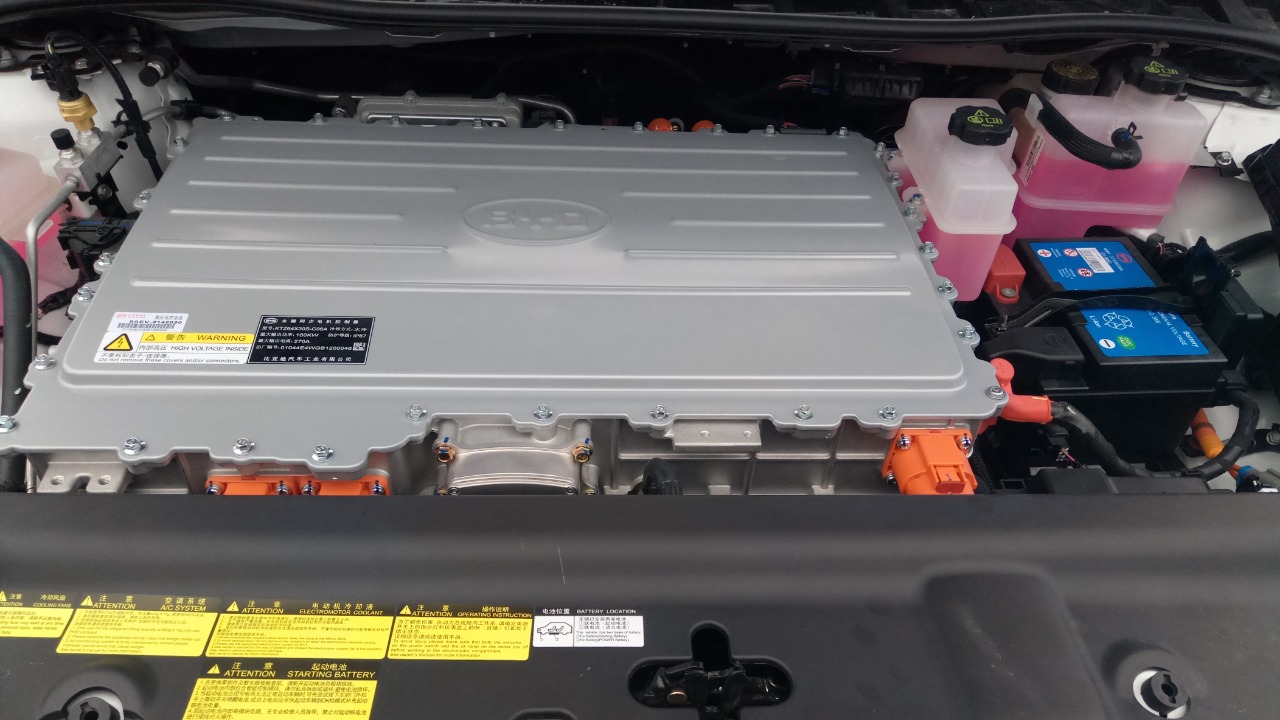
Scale of the Issue
The number of electric vehicles on the road has been steadily increasing, with projections indicating that 100,000 battery electric vehicles will be sold in Thailand alone by 2025. As a result, the corresponding rise in battery waste is becoming a significant challenge. With EV batteries typically lasting between 8 to 15 years, a wave of battery retirement is imminent, and the volume of waste produced will only grow larger each year.
This surge in retired EV batteries necessitates effective disposal strategies. Without proper management, the disposal of these batteries poses significant environmental and logistical challenges. As the automotive industry transitions towards a more sustainable future, understanding and addressing the complexities of battery disposal is essential for minimizing the environmental footprint of electric vehicles.
Environmental Concerns
Improper disposal of EV batteries can have dire environmental consequences. These batteries contain heavy metals and toxic substances such as lithium, cobalt, and nickel, which, if not managed correctly, can leach into the soil and water systems, causing ecological harm. Additionally, the energy-intensive process of mining and refining these metals for new batteries further exacerbates the environmental impact.
Addressing these concerns requires a concerted effort to develop and implement recycling and repurposing strategies. By minimizing the release of harmful substances and reducing the need for new raw materials, we can mitigate the environmental risks associated with EV battery disposal. This involves not just technological advancements but also regulatory frameworks to guide and enforce responsible recycling practices.
Regulatory Landscape
Currently, regulations and policies governing the disposal and recycling of EV batteries vary widely across different regions. Some countries have established comprehensive guidelines to promote sustainable practices, while others are still developing their regulatory frameworks. The European Union, for example, has introduced stringent regulations to ensure the responsible management of battery waste, including requirements for manufacturers to take back used batteries.
In contrast, the regulatory landscape in the United States is more fragmented, with individual states setting their own policies. This lack of uniformity can create challenges for manufacturers and recyclers, highlighting the need for a coordinated approach to battery disposal. As the EV market continues to grow, aligning policies and regulations at both national and international levels will be crucial for ensuring sustainable battery management.
Recycling and Repurposing EV Batteries

Recycling Technologies
The development of effective recycling technologies is key to addressing the challenges of EV battery disposal. Current recycling methods, such as hydrometallurgical and pyrometallurgical processes, enable the recovery of valuable metals from used batteries. These techniques have proven effective in extracting materials like lithium, cobalt, and nickel, which can then be reused in the production of new batteries.
However, the recycling industry faces several hurdles, including high costs and limited infrastructure. To overcome these challenges, researchers and companies are exploring innovative approaches, such as direct recycling, which aims to preserve the battery materials’ structure and improve efficiency. As recycling technologies continue to evolve, they hold the potential to significantly reduce the environmental impact of battery waste.
Second-Life Applications
Beyond recycling, repurposing used EV batteries for second-life applications offers another avenue for reducing waste. These batteries, while no longer suitable for vehicle propulsion, often retain a significant portion of their capacity and can be used for other energy storage solutions. For example, they can be deployed in renewable energy systems to store solar or wind energy, providing a cost-effective and sustainable alternative to new battery production.
Several companies and organizations are already exploring second-life applications. For instance, Nissan has partnered with energy companies in Japan to repurpose used Leaf batteries for residential energy storage systems. These initiatives not only help to extend the lifecycle of EV batteries but also support the transition to a more sustainable energy future.
Economic Viability
The economic viability of recycling and repurposing EV batteries is a critical consideration for the industry. While the potential for cost savings and revenue generation is significant, several factors must be addressed to ensure profitability. One major challenge is the cost of collecting, transporting, and processing used batteries, which can be substantial.
Despite these challenges, the market opportunities for recycled materials and second-life applications are growing. As demand for electric vehicles and renewable energy systems continues to rise, the value of recovered materials such as lithium and cobalt is expected to increase. By developing efficient and cost-effective recycling and repurposing processes, companies can capitalize on these market opportunities and contribute to a more sustainable economy.
Innovations in Battery Lifecycle Management
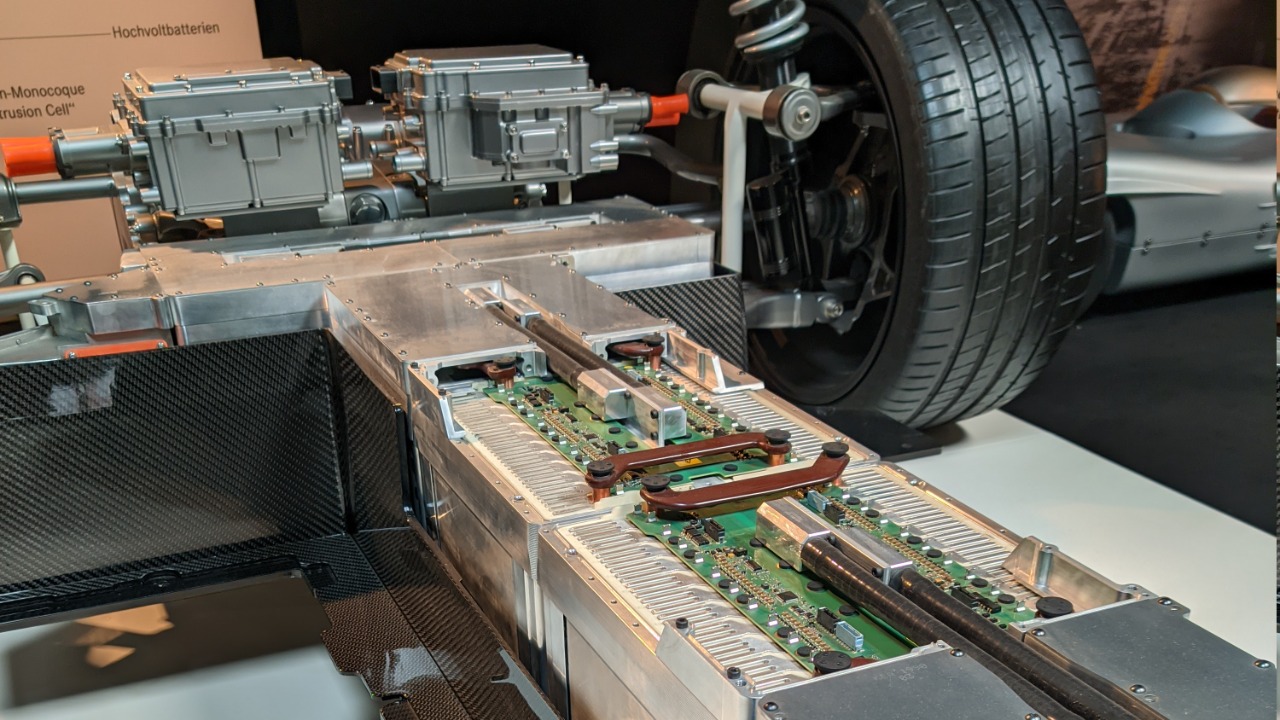
Advancements in Battery Design
Ongoing advancements in battery technology are playing a crucial role in extending the lifespan of EV batteries and improving their recyclability. Researchers are working to develop new battery chemistries and designs that are more durable and easier to recycle. For example, solid-state batteries, which are currently under development, offer the potential for longer lifespans and improved safety compared to traditional lithium-ion batteries.
In addition to new battery designs, efforts are also being made to enhance the recyclability of existing battery technologies. By using materials that are easier to recover and process, manufacturers can reduce the environmental impact of battery disposal and increase the overall sustainability of electric vehicles.
Artificial Intelligence and Data Analytics
Artificial intelligence (AI) and data analytics are becoming increasingly important tools in optimizing battery lifecycle management. By analyzing data on battery performance and usage patterns, AI can help predict battery lifespan and identify optimal recycling strategies. This information can be used to improve the efficiency of recycling processes and ensure that batteries are disposed of responsibly.
For instance, AI algorithms can analyze data from sensors embedded in batteries to monitor their condition and estimate remaining lifespan. This information can then be used to determine the most appropriate time for recycling or repurposing, maximizing the value of the battery and minimizing waste.
Collaborative Efforts
Collaboration between automakers, technology companies, and governments is essential for improving battery lifecycle management. By working together, these stakeholders can develop and implement strategies to address the challenges of battery disposal and recycling. For instance, partnerships between automakers and recycling companies can help streamline the collection and processing of used batteries, reducing costs and improving efficiency.
Government initiatives and incentives can also play a crucial role in promoting sustainable battery management. By providing funding and support for research and development, governments can encourage the development of new technologies and practices that enhance the sustainability of the EV industry.
The Role of Policy and Regulation

Policy Incentives
Government incentives can be a powerful tool for encouraging recycling and sustainable disposal practices in the EV industry. By offering financial rewards or tax breaks, governments can motivate companies to invest in recycling technologies and infrastructure. These incentives can also encourage consumers to participate in take-back programs and other environmentally responsible disposal options.
In addition to financial incentives, governments can also implement regulations that mandate the recycling and repurposing of EV batteries. By setting clear requirements and standards, policymakers can ensure that the industry operates in an environmentally responsible manner and contributes to a more sustainable future.
International Cooperation
International cooperation is essential for addressing the global challenges of EV battery disposal. By working together, countries can share best practices and develop standardized regulations that promote sustainable battery management. This collaboration can also help to harmonize recycling technologies and processes, making it easier for companies to operate across different regions.
For example, the International Energy Agency (IEA) has been working to facilitate international collaboration on EV battery recycling. Through initiatives such as the Global Battery Alliance, countries and companies are coming together to develop strategies and solutions that address the environmental and economic challenges of battery disposal.
Future Regulations
As the EV market continues to grow, future regulations are likely to play a significant role in shaping battery management practices. Policymakers may introduce new requirements for battery design, recycling, and repurposing, aimed at enhancing sustainability and reducing environmental impact. These regulations could also include measures to promote transparency and accountability in the industry, ensuring that companies are held responsible for their environmental performance.
By anticipating and preparing for these regulatory changes, companies can position themselves to thrive in a more sustainable and environmentally conscious marketplace. Through proactive engagement with policymakers and other stakeholders, the EV industry can help shape the future of battery management and contribute to a more sustainable world.
Consumer Awareness and Responsibility

Educating Consumers
Consumer awareness and education are critical components of sustainable EV battery management. By providing information on proper disposal and recycling practices, manufacturers and governments can empower consumers to make environmentally responsible choices. Educational campaigns and initiatives can help raise awareness of the environmental impact of battery disposal and the importance of recycling and repurposing.
For example, some automakers have developed informational resources and tools to educate consumers about battery recycling options. By making this information readily available, companies can help ensure that used batteries are disposed of responsibly and sustainably.
Manufacturer Responsibility
Manufacturers play a key role in ensuring the responsible lifecycle management of their products. By implementing take-back programs and other initiatives, companies can take responsibility for their products throughout their lifecycle and minimize their environmental impact. These programs can also help to streamline the recycling process and reduce the costs associated with battery disposal.
Some automakers, such as Tesla and BMW, have already established take-back programs for used batteries, providing consumers with convenient and environmentally friendly disposal options. By taking a proactive approach to battery management, manufacturers can demonstrate their commitment to sustainability and build trust with consumers.
Community Initiatives
Community-led initiatives and grassroots movements are playing an increasingly important role in promoting sustainable battery disposal practices. By organizing local recycling drives and educational events, communities can raise awareness of the environmental impact of battery waste and encourage responsible disposal practices.
For instance, some communities have established battery recycling programs that provide residents with convenient drop-off locations for used batteries. These programs not only help to reduce the environmental impact of battery disposal but also foster a sense of community involvement and responsibility.
