President Donald Trump has indicated he might supply Ukraine with Tomahawk cruise missiles, a move that has drawn significant attention due to its potential geopolitical implications. Russia has labeled the provision of these missiles to Ukraine as a “red line,” highlighting the risk of escalation in the region. As of October 7, 2025, Russia is awaiting further clarification on this potential supply, underscoring the tense diplomatic atmosphere surrounding this issue (Business Insider; Al Jazeera; Yahoo News).
Background on Tomahawk Cruise Missiles

Tomahawk cruise missiles are renowned for their precision and long-range capabilities. Typically launched from US Navy ships or submarines, these missiles can strike targets up to 1,500 miles away with pinpoint accuracy. Their precision guidance systems make them a formidable tool for targeting high-value assets, minimizing collateral damage while maximizing strategic impact (Business Insider).
Historically, the United States has deployed Tomahawk missiles in various conflicts, using them to conduct long-range strikes against critical targets. This capability allows military forces to engage adversaries from a safe distance, reducing the risk to personnel and equipment. For Ukraine, acquiring Tomahawks could significantly enhance its strategic capabilities, enabling it to conduct deep strikes into Russian territory without deploying aircraft, thus avoiding the risks associated with air missions (Al Jazeera).
Trump’s Statements on Arming Ukraine
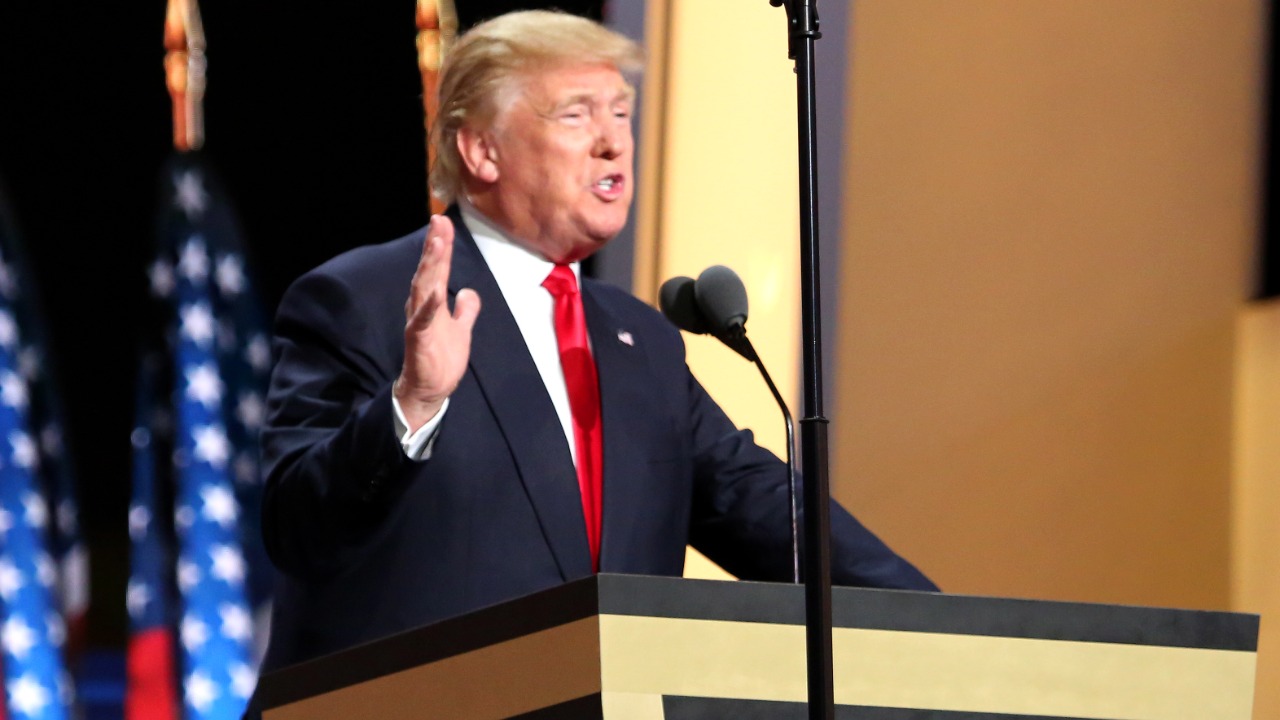
On October 7, 2025, President Trump suggested he might provide Ukraine with Tomahawk cruise missiles as part of a broader strategy to support the country against Russian aggression. This potential move aligns with Trump’s foreign policy approach, which has at times diverged from previous US aid restrictions. By considering the supply of such advanced weaponry, Trump signals a shift towards more direct military support for Ukraine (Business Insider).
Experts have noted that Trump’s decision could be influenced by broader economic policies, including recent shifts in tariff strategies. These economic considerations might play a role in how military aid decisions are framed, potentially linking economic leverage with military support to achieve strategic objectives (MSN).
Trump’s consideration of supplying Tomahawk missiles to Ukraine is part of a broader strategy that reflects his administration’s willingness to challenge traditional diplomatic norms. This approach has been characterized by a more transactional view of international relations, where military support is closely tied to economic and strategic interests. By potentially arming Ukraine with such advanced weaponry, Trump is signaling a readiness to confront Russian aggression more directly, which could redefine the US’s role in Eastern Europe. This move might also be seen as a response to criticisms that previous administrations were too cautious in their support for Ukraine, thus reinforcing Trump’s image as a decisive leader willing to take bold actions (Business Insider).
Russia’s Reaction and Red Lines

Russia has made it clear that the supply of US Tomahawk missiles to Ukraine represents a “red line,” primarily due to the potential for significant escalation in the conflict. This stance reflects Russia’s concern over the strategic advantage such missiles would provide to Ukraine, potentially altering the balance of power in the region (Al Jazeera).
On October 7, 2025, Russia stated it is awaiting clarity on the possible US supply of Tomahawks to Ukraine, indicating a period of diplomatic monitoring and potential response planning. This statement underscores the delicate nature of international relations in this context, as any perceived crossing of escalation thresholds could prompt heightened threats or countermeasures from Russia (Yahoo News).
The Kremlin’s declaration of a “red line” regarding the potential supply of Tomahawk missiles to Ukraine underscores the high stakes involved in this geopolitical chess game. Russia perceives the introduction of such advanced weaponry as a direct threat to its strategic interests and regional dominance. This perspective is rooted in the historical context of NATO’s eastward expansion, which Russia has consistently opposed. The potential deployment of Tomahawks in Ukraine could be seen as a significant shift in the military balance, prompting Russia to consider various countermeasures, including bolstering its own military presence along its western borders. Such developments could lead to an arms race in the region, further destabilizing an already volatile situation (Al Jazeera).
Implications for US-Ukraine Relations

The potential provision of Tomahawk missiles to Ukraine could significantly alter US commitments to Ukraine’s defense. This includes challenges related to training and integrating such advanced systems into Ukraine’s existing military infrastructure. The move could also influence international perceptions, with NATO allies potentially viewing the escalation of aid with advanced weaponry as a pivotal shift in the conflict’s dynamics (Business Insider).
Logistical considerations, such as production timelines and export controls under US law, will also play a critical role in determining the feasibility and timing of any potential missile supply. These factors must be carefully managed to ensure compliance with international regulations and to maintain strategic stability in the region (Business Insider).
Beyond the immediate military implications, the potential supply of Tomahawk missiles to Ukraine could have far-reaching effects on diplomatic relations between the US and Ukraine. This move might be interpreted as a strong endorsement of Ukraine’s sovereignty and territorial integrity, reinforcing the US’s commitment to supporting its allies against external threats. However, it also raises questions about the long-term sustainability of such military aid, especially in the context of domestic political debates over foreign policy priorities. The decision could influence future US administrations’ approaches to Eastern Europe, potentially setting a precedent for increased military involvement in the region. Additionally, this development might encourage Ukraine to pursue further integration with Western defense structures, aligning more closely with NATO standards and practices (Business Insider).
