The Pentagon’s hypersonic jet testing represents a significant leap forward in travel technology. These developments offer a tantalizing glimpse into the future of both commercial and military aviation, promising revolutionary transformations in speed, efficiency, and strategic capabilities, while also raising critical questions about regulation, environmental impact, and international relations.
Understanding Hypersonic Speed
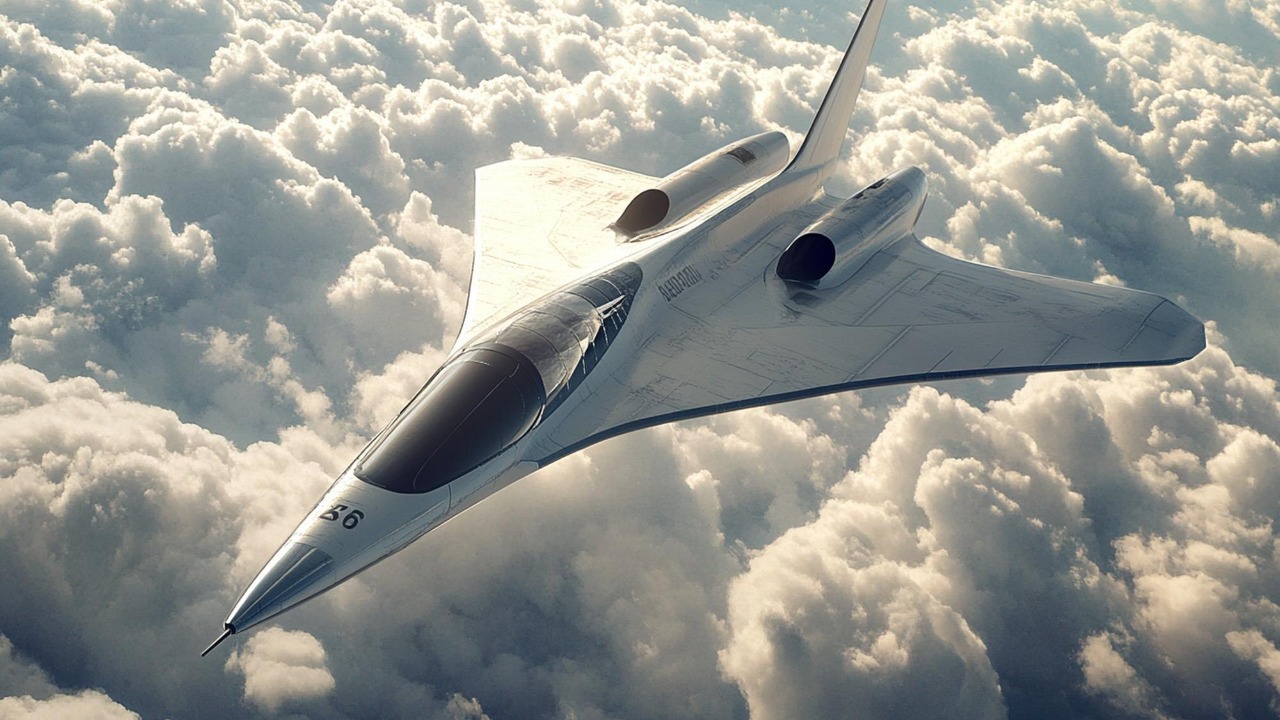
Hypersonic speed, defined as speeds above Mach 5 (five times the speed of sound), stands in contrast to supersonic speed, which ranges from Mach 1 to Mach 5. To put this into perspective, if a commercial airliner were to achieve hypersonic speed, it could travel from Los Angeles to New York in less than 30 minutes.
Yet, achieving hypersonic speed is no easy task. It demands solutions to numerous technical challenges, including heat resistance and material durability. The intense heat generated at these speeds can cause aircraft structures to weaken or even melt, necessitating the development of advanced heat-resistant materials and cooling systems. Other challenges involve the aerodynamics and propulsion systems capable of functioning in the thin upper atmosphere where hypersonic flight occurs.
The Pentagon’s Hypersonic Jet Tests
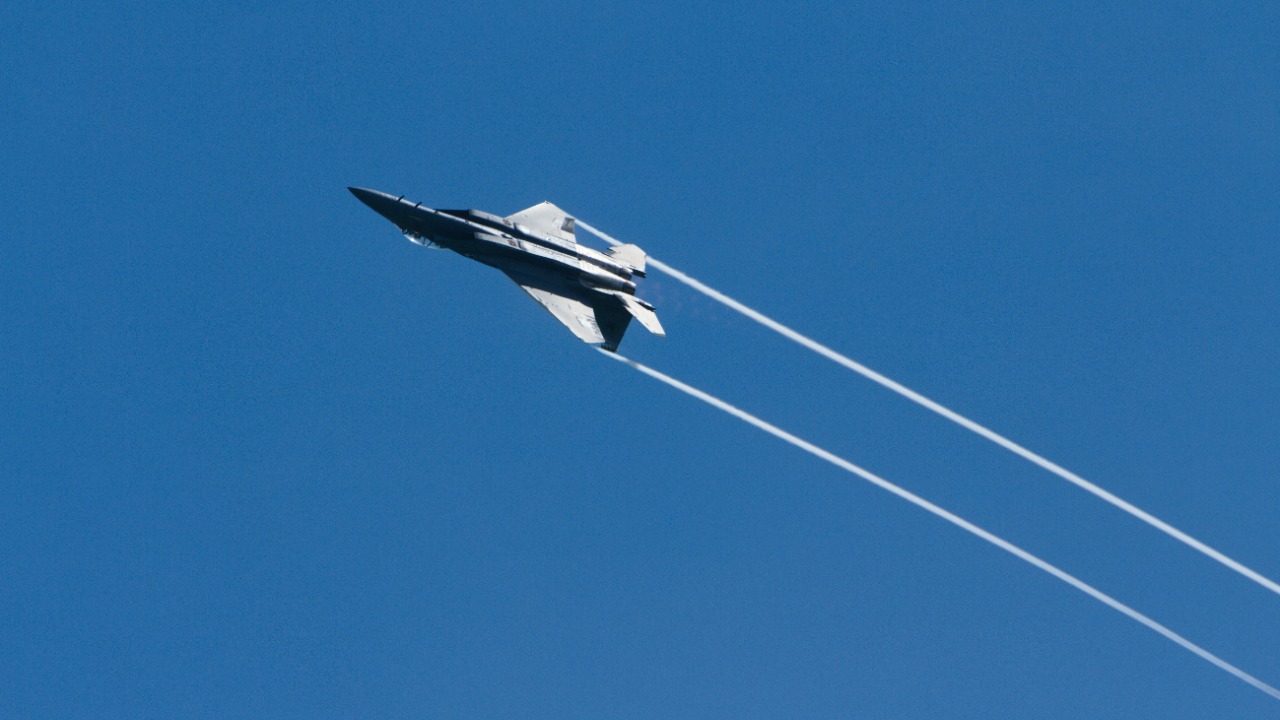
The Pentagon’s recent hypersonic jet tests have brought these challenges into sharp focus. These tests aim to develop hypersonic vehicles capable of delivering payloads at unprecedented speeds, offering the U.S. military a potential strategic edge.
The U.S. is not alone in its quest for hypersonic technology. Other nations, including Russia and China, are also investing heavily in this area, recognizing its potential to redefine the global military and aerospace landscape. These advancements underscore the global race for hypersonic dominance and the strategic importance of this technology.
Implications for Military Applications

Hypersonic jets could revolutionize military operations, enabling rapid response to threats anywhere in the world. Such capabilities would provide significant strategic advantages, making hypersonic technology a coveted asset in modern warfare.
However, these developments could also spur an international arms race, as nations scramble to match or surpass each other’s capabilities. The velocity and maneuverability of hypersonic weapons make them difficult to intercept, raising concerns about destabilizing global security dynamics.
Prospects for Commercial Travel
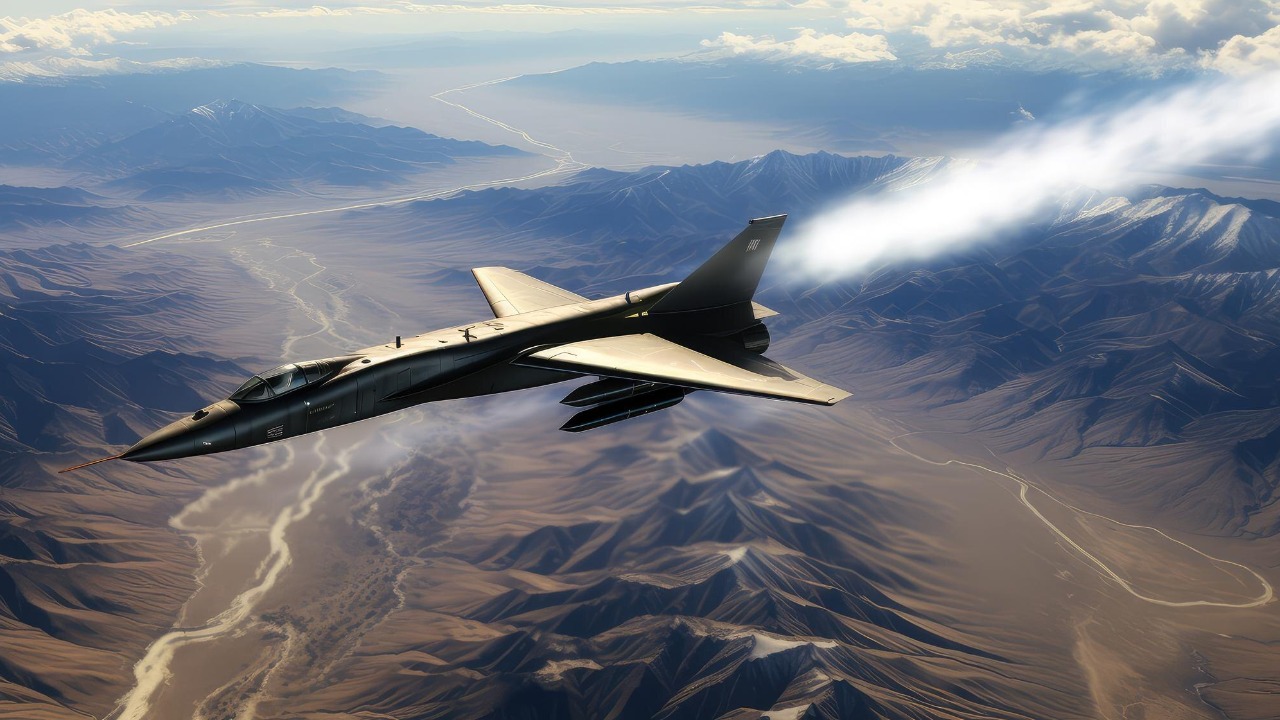
While hypersonic technology could transform military operations, it also holds immense potential for commercial air travel. Hypersonic jets could drastically reduce flight times, turning long-haul flights into short trips. This could revolutionize travel, opening up new possibilities for global connectivity.
However, translating hypersonic technology into commercial aviation is fraught with challenges. Not only are there technical hurdles to overcome, but the economics of hypersonic flight are also daunting. The costs associated with developing, testing, and maintaining hypersonic aircraft could make tickets prohibitively expensive, at least in the initial stages.
Regulatory and Environmental Considerations

As hypersonic technology advances, so too must regulations governing its use. Hypersonic flight raises significant regulatory issues, including safety standards and airspace management. Given the speeds involved, even minor errors could have catastrophic consequences, making stringent safety measures essential.
Moreover, hypersonic flights could have substantial environmental impacts. These could include noise pollution due to sonic booms and potentially significant carbon emissions. Therefore, research into mitigating these impacts is crucial. It’s not just about getting there faster; it’s about getting there responsibly.
The Future of Hypersonic Travel
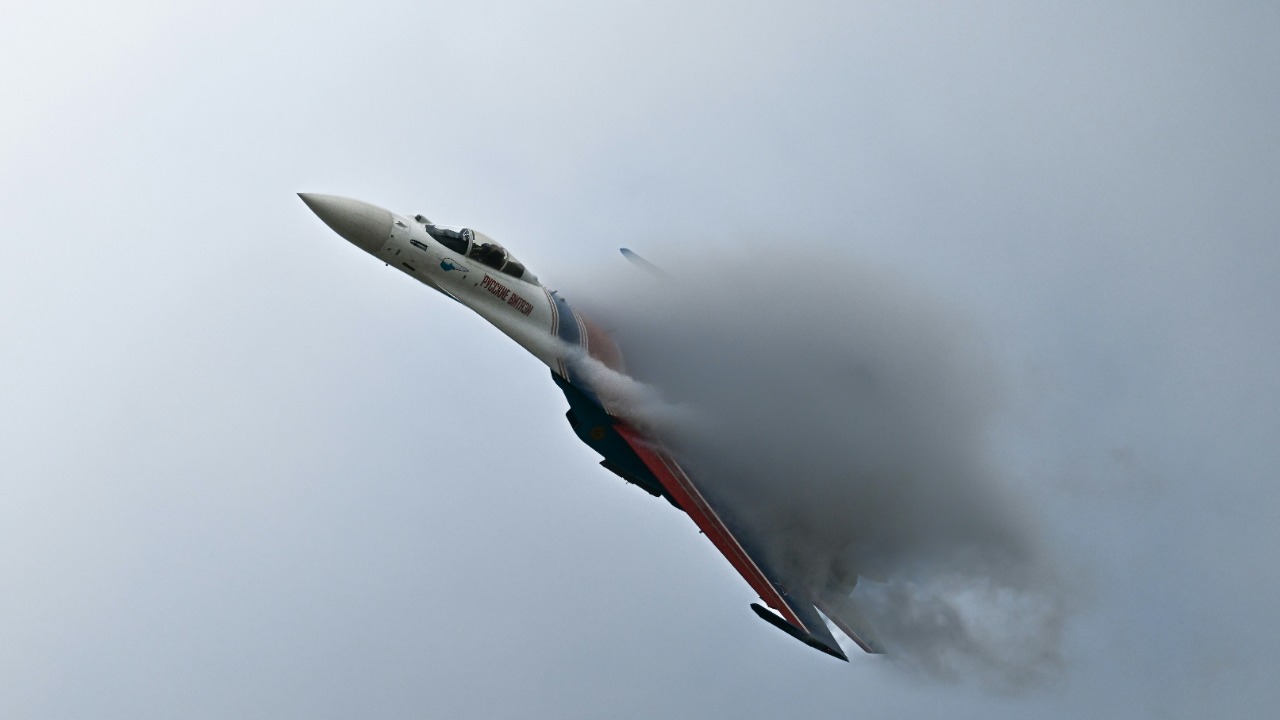
While it’s difficult to predict exactly when hypersonic travel will become commonplace, advancements in technology and successful tests suggest it could be closer than we think. However, many hurdles still need to be overcome before hypersonic travel becomes a reality for the general public.
Various hypersonic startups and research institutions are working tirelessly to address these challenges. The solutions they develop could pave the way for a new era of high-speed travel. Meanwhile, ongoing research into hypersonic aerodynamics and materials is helping to bring this future ever closer.
In conclusion, the Pentagon’s hypersonic jet tests mark a significant milestone in the journey towards hypersonic travel. Whether it’s for military or commercial purposes, the race is on to harness the power of hypersonic speed. Yet, as we sprint towards this new frontier, we must not lose sight of the challenges and responsibilities it brings. Be it regulatory, environmental, or international relations, each hurdle presents an opportunity to ensure that the future of hypersonic travel is not just fast, but safe, sustainable, and beneficial for all.
