
The latest mission to Mars has returned with discoveries that have surpassed even the most optimistic predictions. From groundbreaking geological samples to unexpected atmospheric data, scientists are sifting through a treasure trove of Martian revelations. These remarkable findings have the potential to significantly impact our understanding of the Red Planet.
The Unprecedented Geological Samples

Recent analysis of Martian soil and rock has unveiled compositions and mineral findings that offer new insights into Mars’ geological history. Scientists have discovered a rich variety of minerals, including olivine and pyroxene, which suggest volcanic activity on Mars was more extensive than previously thought. This enhances our understanding of the planet’s formation and its thermal evolution over billions of years.
Even more intriguing is the discovery of potential biosignatures. Organic compounds and microstructures detected in the samples hint at the possibility of past microbial life. These findings, though not definitive evidence of life, challenge existing theories and open up new avenues of research into Mars’ past environments. The implications for future human exploration are profound, as understanding Mars’ geology and potential habitability is crucial for developing sustainable habitats on the planet.
Atmospheric Discoveries and Climate Insights
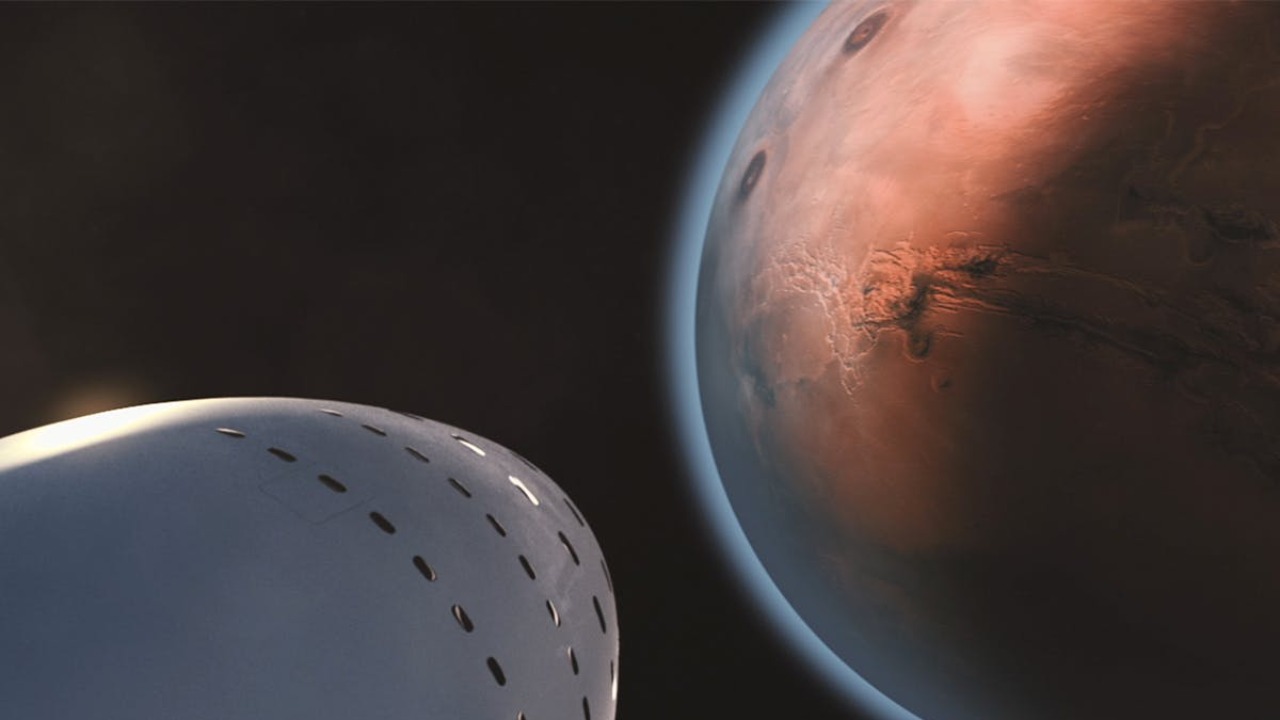
In an exciting turn of events, the mission has revealed unexpected atmospheric compositions. Scientists identified trace gases, including methane and nitrogen oxides, which could indicate active geological processes or even biological activity. These gases have significant implications for Mars’ climate and habitability, suggesting a more dynamic atmosphere than previously assumed.
The newfound understanding of Martian weather systems and climate cycles is another crucial development. By analyzing dust storms, temperature fluctuations, and wind patterns, researchers have gained insights into how Mars’ climate has evolved over time. These atmospheric discoveries are not just academic; they will play a critical role in planning future missions, influencing the design and timing to ensure optimal conditions for exploration.
Technological Triumphs and Ingenuity
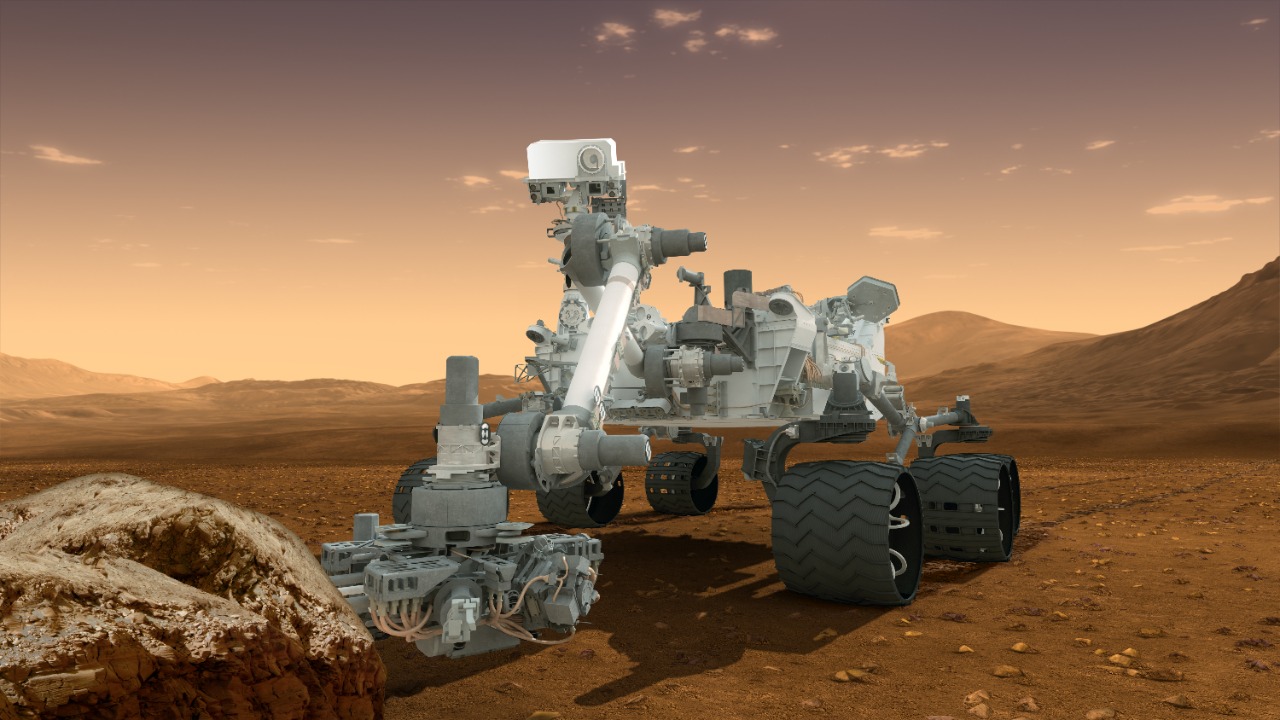
The Ingenuity helicopter has surpassed all expectations, showcasing the potential of aerial exploration on Mars. Originally planned for only a handful of flights, Ingenuity has completed dozens, providing invaluable data and proving that controlled flight on another planet is possible. This technological triumph opens up new possibilities for future missions involving aerial drones.
Innovations in data collection have been pivotal in making these discoveries possible. Advanced instruments and methods, such as laser spectrometry and imaging technology, have enabled scientists to gather and analyze data with unprecedented precision. The success of these technologies provides valuable lessons for the development of future exploration tools and strategies, ensuring that subsequent missions will be even more effective in unraveling the mysteries of Mars.
Potential for Life: New Theories and Questions

The recent findings have reignited the debate about the potential for life on Mars. With new evidence of complex organic molecules and potential biosignatures, scientists are re-evaluating the possibility of past or present life on the Red Planet. These discoveries suggest that Mars may have once harbored conditions conducive to life, prompting a re-examination of existing hypotheses.
Water plays a critical role in supporting life, and the evidence of ancient water flows on Mars has significant implications for habitability. Traces of ancient riverbeds and lakebeds provide strong evidence that liquid water once existed on the planet’s surface. This raises new questions for astrobiology, as scientists are eager to explore how these environments may have supported life and what they reveal about the potential for life elsewhere in the universe.
Global Collaboration and Future Missions

The success of the Mars mission has been greatly enhanced by international partnerships. Collaboration among space agencies from around the world has been crucial in sharing resources, knowledge, and expertise. These partnerships have not only facilitated the mission’s success but also set a precedent for future global cooperation in space exploration.
Looking ahead, upcoming missions are poised to build on these discoveries. With ambitious objectives, such as sample return missions and the establishment of permanent research bases, the future of Mars exploration is bright. These efforts will continue to expand our understanding of Mars and pave the way for human exploration of other celestial bodies, reflecting the broader impact of these discoveries on the field of space exploration.
