The iconic Jeep served as the backbone of U.S. military mobility during World War II, but as warfare evolved, so too did the need for more advanced vehicles. Surprisingly, the direct successor to the Jeep wasn’t the widely recognized Humvee. The lesser-known vehicle that filled the gap between these two legendary military machines was the M151 MUTT, a vital yet often overlooked chapter in military vehicle history.
The Transition from Jeep: A Need for Change
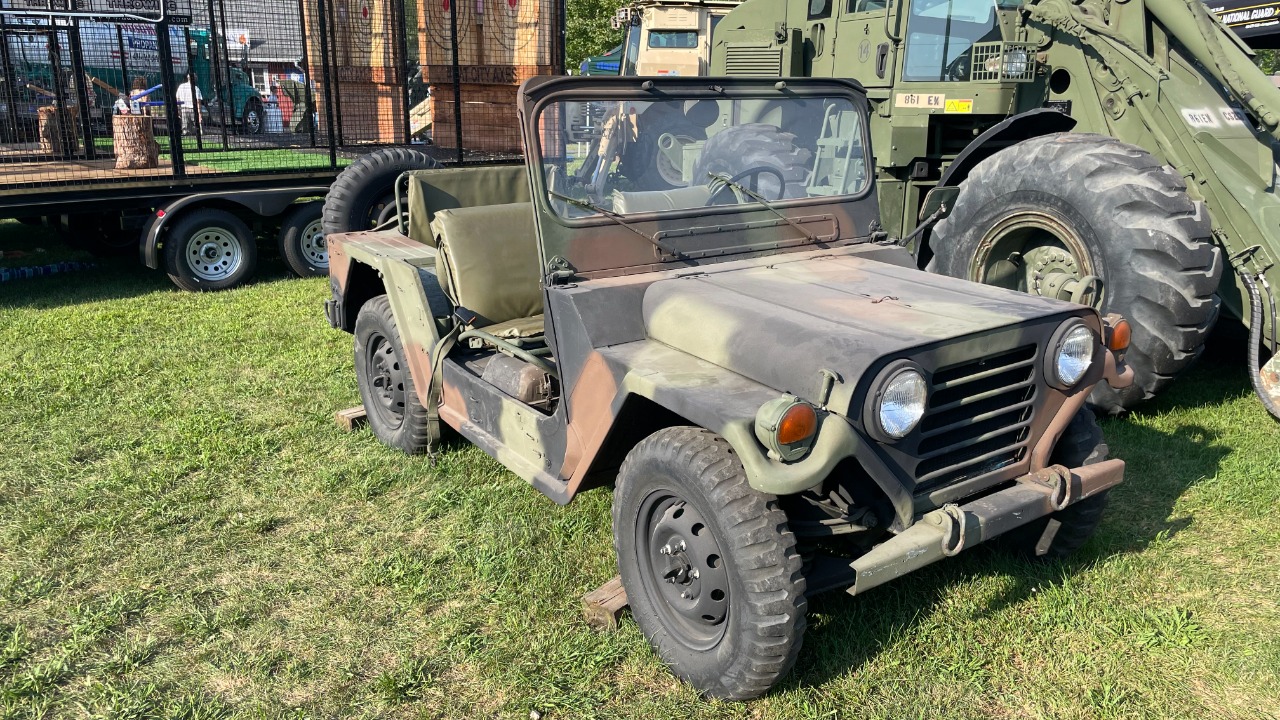
After World War II, the Jeep, despite its legendary status, faced numerous challenges in meeting the evolving demands of military operations. The post-war era saw a significant shift in military tactics and technologies, which highlighted the Jeep’s limitations. It struggled with payload capacity and stability, especially in the face of newer, heavier weaponry and equipment. As a result, the U.S. military recognized the need for an updated vehicle that could handle increased demands without compromising on mobility and versatility.
Technological advancements further spurred the search for a new vehicle. The rapid development of more sophisticated weapons systems, communication devices, and protective gear meant that military vehicles needed to accommodate heavier loads and offer greater durability. The Jeep, while iconic, was designed for the specific needs of World War II and could not keep pace with these advancements. During the transition period, the military relied on interim solutions, such as upgraded versions of the Jeep and other light utility vehicles, but these were mere stopgap measures as the search for a more permanent solution continued.
The M151 MUTT: Jeep’s Direct Successor
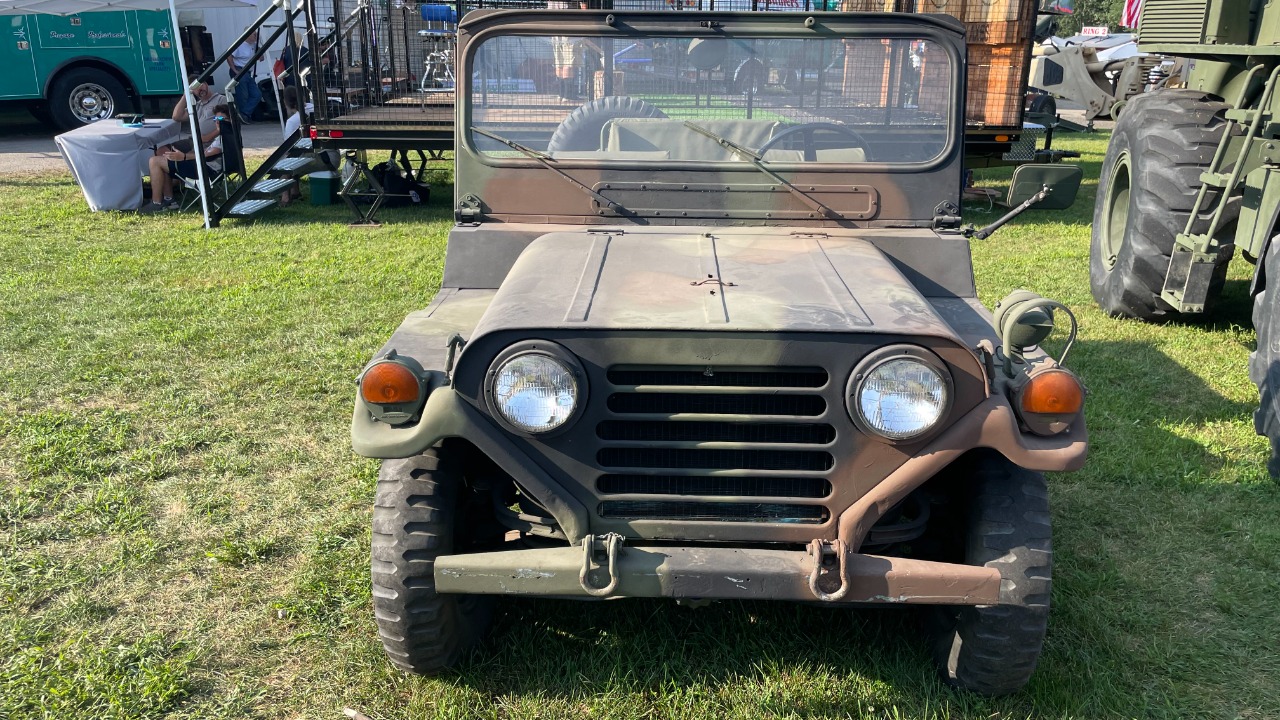
The M151 MUTT, or Military Utility Tactical Truck, emerged as the Jeep’s direct successor. Developed in the 1950s by Ford Motor Company, the M151 was designed to address the shortcomings of its predecessor. It featured a unibody design, which improved its stability and handling. This design change was crucial for off-road operations, providing a smoother and safer ride over rough terrain. Additionally, the M151 was equipped with a more powerful engine and greater payload capacity, making it better suited to accommodate the expanding array of military equipment.
The M151 MUTT saw extensive operational use throughout its service life, which spanned several decades. It was deployed in numerous conflicts, including the Vietnam War, where its ruggedness and versatility were put to the test. The vehicle’s ability to navigate challenging terrains and perform in combat situations made it an invaluable asset. However, the M151 was not without its challenges and controversies. Notably, its handling characteristics led to concerns over safety, particularly its tendency to roll over during sharp turns or sudden maneuvers. These issues prompted modifications and safety improvements over time.
Influence and Legacy of the M151 MUTT

The M151 MUTT significantly influenced U.S. military strategies and operations by providing a reliable and versatile platform for light utility tasks. Its deployment in various conflicts demonstrated the need for a vehicle that could adapt to different combat environments. The lessons learned from the M151’s design and operational use informed future military vehicle developments, underscoring the importance of stability, adaptability, and payload capacity.
The legacy of the M151 MUTT can be seen in several aspects of modern military vehicle design. Its unibody construction and emphasis on stability have persisted in subsequent vehicle models. Moreover, the M151’s role as a transitional vehicle set the stage for the eventual introduction of the Humvee. The transition to the Humvee was driven by the need for even greater capabilities, including enhanced armor protection and advanced technological integration. The Humvee marked a new era in military vehicle design, with lessons from the M151’s service history playing a critical role in its development.
Comparative Analysis: Jeep, M151 MUTT, and Humvee
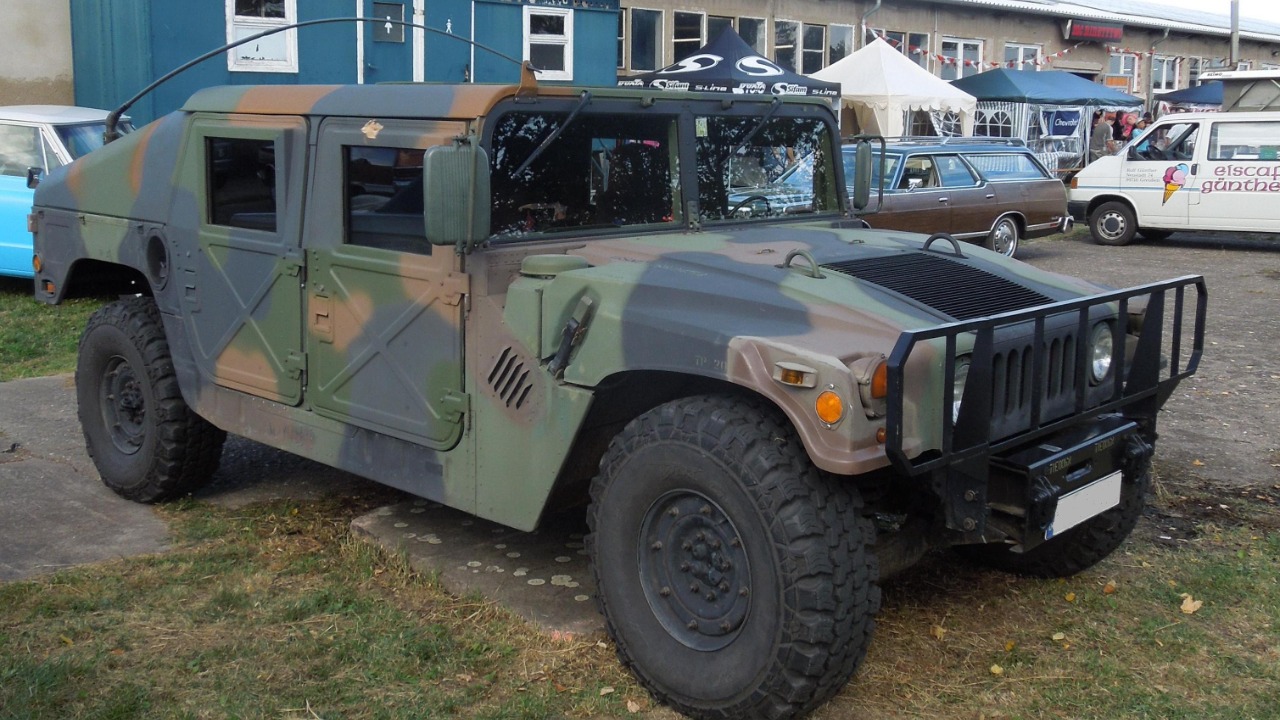
The evolution of military light utility vehicles is evident in the design and functionality of the Jeep, M151 MUTT, and Humvee. The Jeep, with its simple yet effective design, excelled in mobility and ease of production. However, its limited payload and stability issues became apparent as military needs evolved. The M151 MUTT addressed these shortcomings with its improved handling and increased capacity, setting a new standard for light utility vehicles.
In terms of performance in combat, the M151 MUTT provided enhanced capabilities over the Jeep, particularly in off-road conditions and payload management. However, the Humvee ultimately surpassed both predecessors by offering superior armor protection and versatility. Its introduction marked a shift in military strategy, accommodating the demands of modern warfare with advanced technology and robust design. The evolution of these vehicles reflects the changing needs of the U.S. military over the decades, with each model addressing emerging challenges and requirements.
The Future of Military Light Utility Vehicles
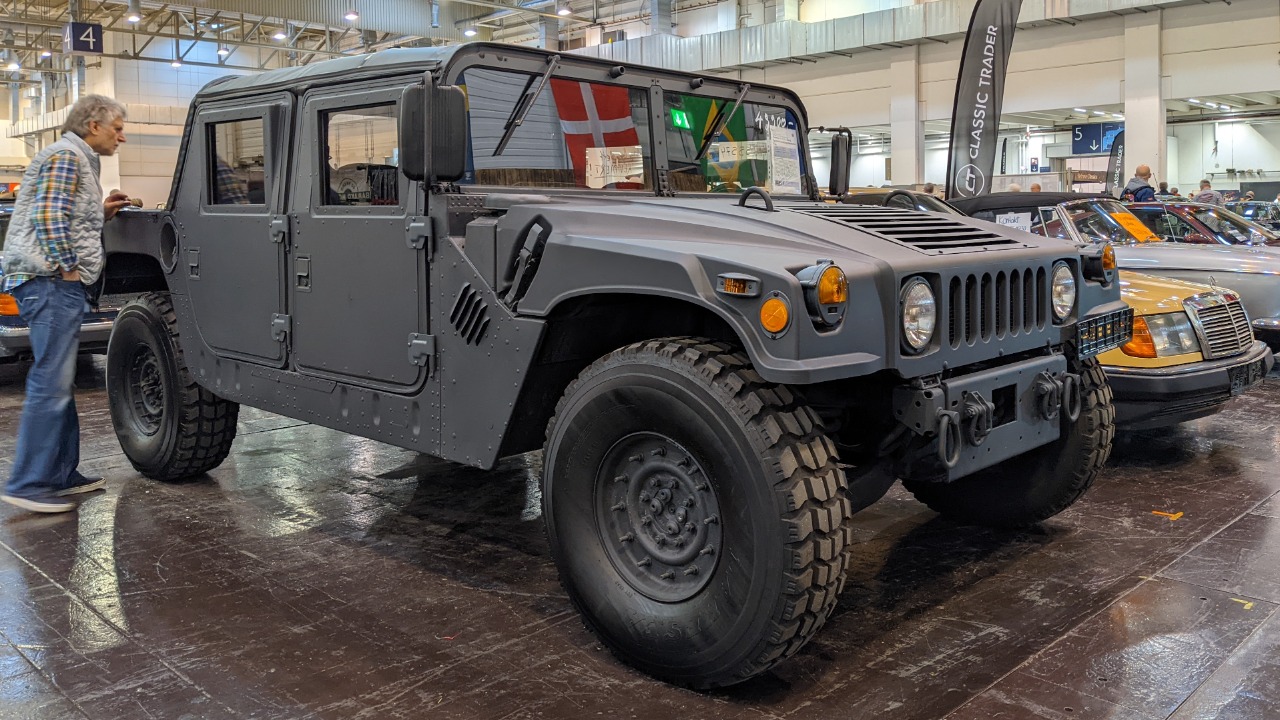
The future of military light utility vehicles is being shaped by ongoing developments in technology and design. Current advancements focus on enhancing protection, mobility, and integration with digital systems. The Army’s recent initiatives to develop replacements for aged vehicles, such as the Infantry Squad Vehicle, highlight the push towards modernization and innovation. These new models aim to offer improved performance while addressing the limitations of their predecessors.
Reflecting on the transitions between vehicles like the Jeep, M151 MUTT, and Humvee provides valuable lessons in adaptability and foresight. The ability to predict and respond to changing military needs is crucial for developing effective solutions. Looking ahead, the integration of cutting-edge technology, such as autonomous systems and advanced materials, is likely to redefine the future of military vehicles. Speculation about future prospects suggests that the military will continue to prioritize versatility and innovation to meet emerging challenges in global defense. For more information on the evolution of light utility vehicles, visit this comprehensive resource.
