The F-35 fighter jet, renowned for its advanced capabilities, has garnered significant attention for its steep price tag. As one of the most expensive military projects in history, the F-35’s cost is influenced by a variety of complex factors. Exploring its development, technology, and market dynamics, we can better understand the reasons behind its high expense.
Development and Research Costs
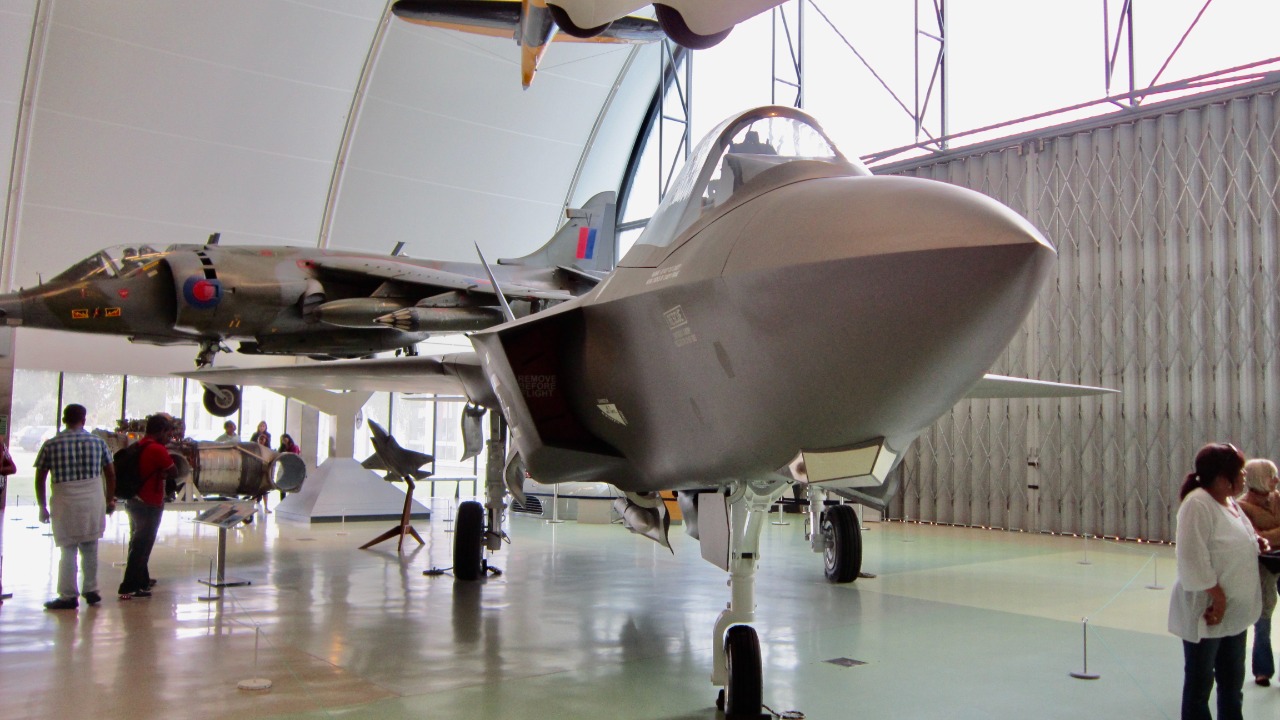
The F-35 program’s historical context reveals much about its current costs. Initially conceived in the 1990s, the program aimed to create a versatile fighter jet capable of serving multiple branches of the U.S. military. However, initial cost projections fell short as technological challenges and evolving military needs demanded extensive modifications. What began as an ambitious plan soon transformed into a costly and complex endeavor.
The research and development phase of the F-35 was marked by significant complexity. The program encountered numerous engineering challenges, necessitating extensive R&D efforts to innovate solutions. This complexity contributed to spiraling costs, compounded by frequent budget overruns and project delays. Each delay and cost overrun not only increased immediate expenses but also had lasting financial implications.
Advanced Technology and Capabilities
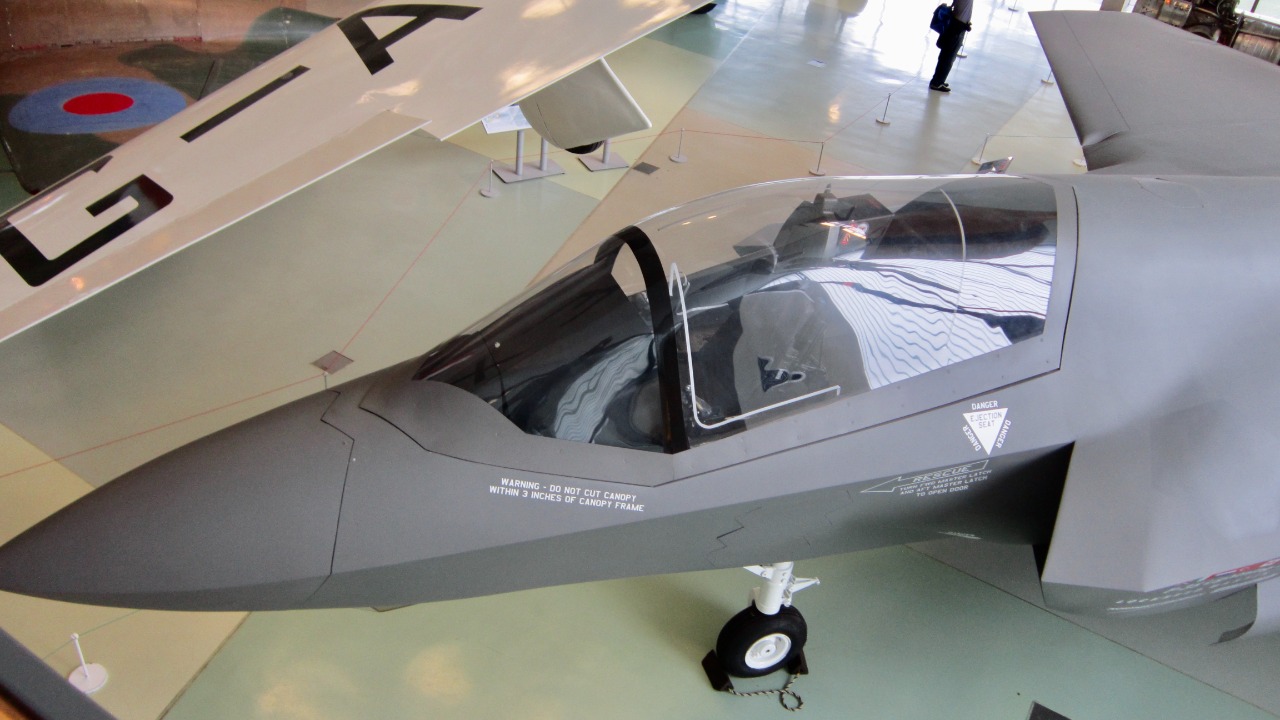
At the core of the F-35’s expense is its sophisticated stealth technology. The jet’s design minimizes its radar cross-section, making it difficult for adversaries to detect. Developing and maintaining these capabilities is an expensive endeavor, as it requires precision engineering and costly materials. The stealth features are critical for modern combat, justifying their inclusion despite the high costs.
The F-35 is equipped with cutting-edge avionics and sensor systems that enhance its combat performance and situational awareness. These advanced systems enable the jet to perform a variety of roles, from air-to-air combat to intelligence missions. The multi-role flexibility of the F-35 is a key selling point, but it also adds to the overall cost, as it necessitates a wide array of specialized equipment and software.
Production and Manufacturing Processes
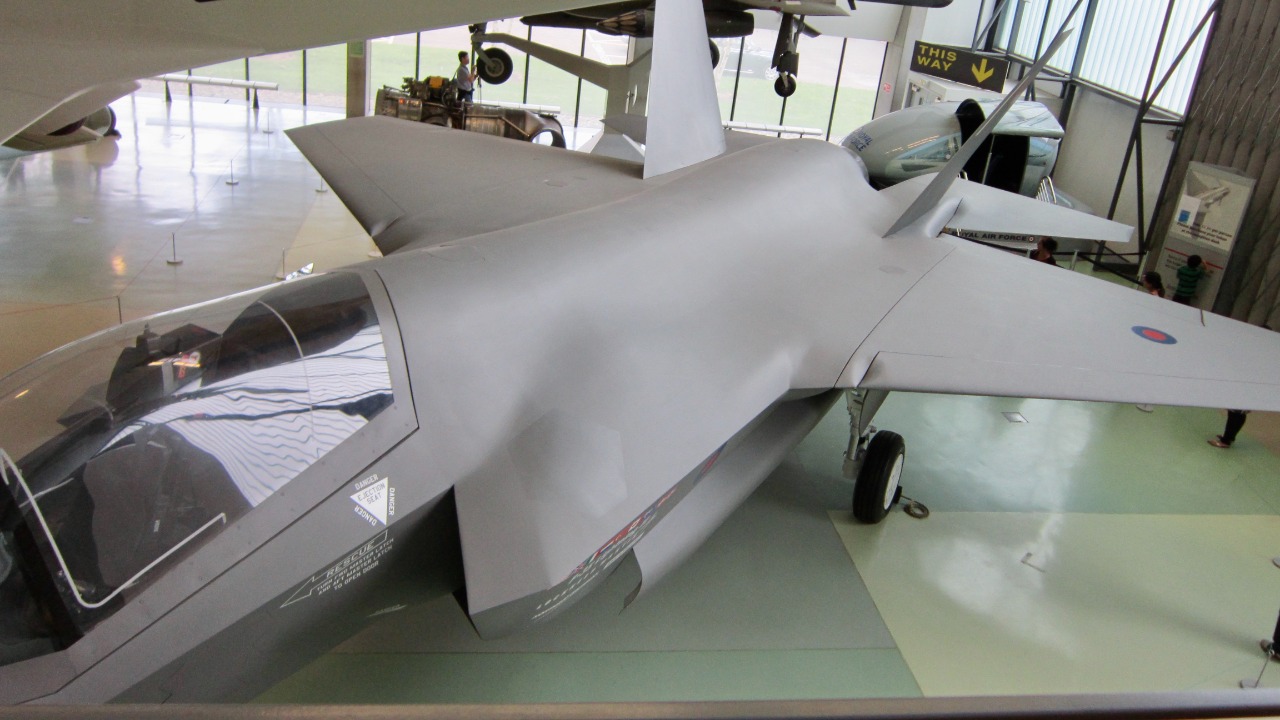
The F-35’s global supply chain is an intricate web of international partnerships and suppliers. This complexity impacts production costs, as coordinating such a vast network requires significant resources. Additionally, the program’s low-rate initial production phase, where jets are produced in small batches, results in cost inefficiencies, driving up the overall expense of each unit.
Efforts to reduce costs focus on achieving economies of scale and navigating learning curves. As production volumes increase, the cost per unit is expected to decrease. However, reaching this point presents challenges, including maintaining quality standards and managing the complexities of a multinational production line.
International Sales and Partnerships
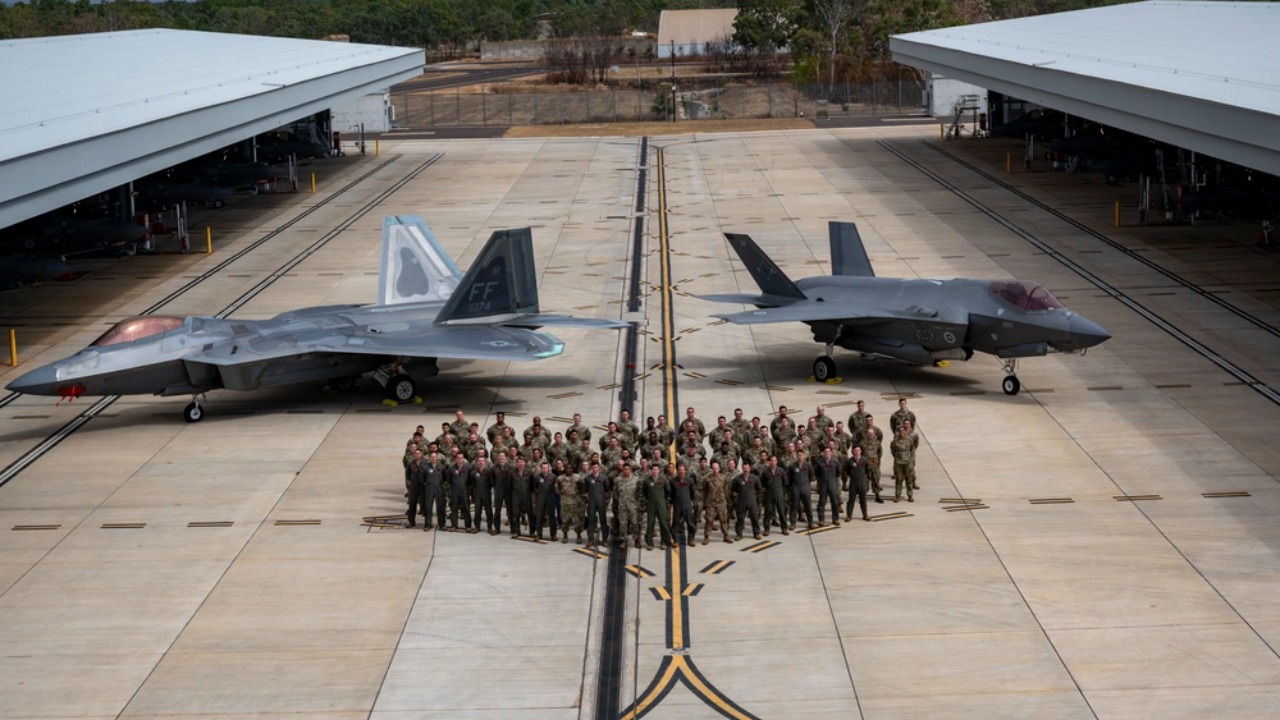
Export restrictions and foreign sales play a significant role in the F-35’s financial dynamics. The U.S. government imposes strict export restrictions, limiting the countries eligible to purchase the jet. This affects the program’s financial viability, as potential sales are constrained by geopolitical considerations and strategic alliances.
International partnerships offer some financial relief through cost-sharing arrangements. Allied countries participating in the F-35 program contribute to its funding, helping to offset the high costs. However, political and strategic considerations often influence these partnerships, adding another layer of complexity to the program’s financial landscape.
Maintenance and Lifecycle Costs

The F-35’s long-term maintenance requirements significantly contribute to its lifetime costs. The jet’s advanced systems necessitate regular upkeep to ensure peak performance. This includes not only routine maintenance but also software updates and system upgrades, each carrying substantial expenses.
Comparisons with other modern fighter jets highlight the F-35’s high lifecycle costs. While its advanced capabilities offer significant advantages, they also demand ongoing investments. Understanding these costs in the context of the jet’s performance and strategic importance provides a clearer picture of its overall expense.
Program Criticisms and Justifications

The F-35 program faces criticism regarding its cost-effectiveness. Detractors argue that the expense outweighs the benefits, questioning the jet’s value for money. However, proponents emphasize its strategic advantages, arguing that its capabilities are essential for modern warfare and justify the high cost. Looking ahead, future projections for the F-35 program suggest potential cost reductions and technological advancements. As production scales and new technologies are integrated, there may be opportunities to mitigate some of the financial challenges that have historically plagued the program. These developments could redefine perceptions of the F-35’s expense in the years to come.
