
Camless engines are a fascinating and innovative aspect of automotive engineering. They offer a new approach to managing valve operations, which in turn could significantly alter the landscape of car engine technology. Let’s delve into this concept, its benefits, and the cars that currently utilize it.
Understanding Camless Engines
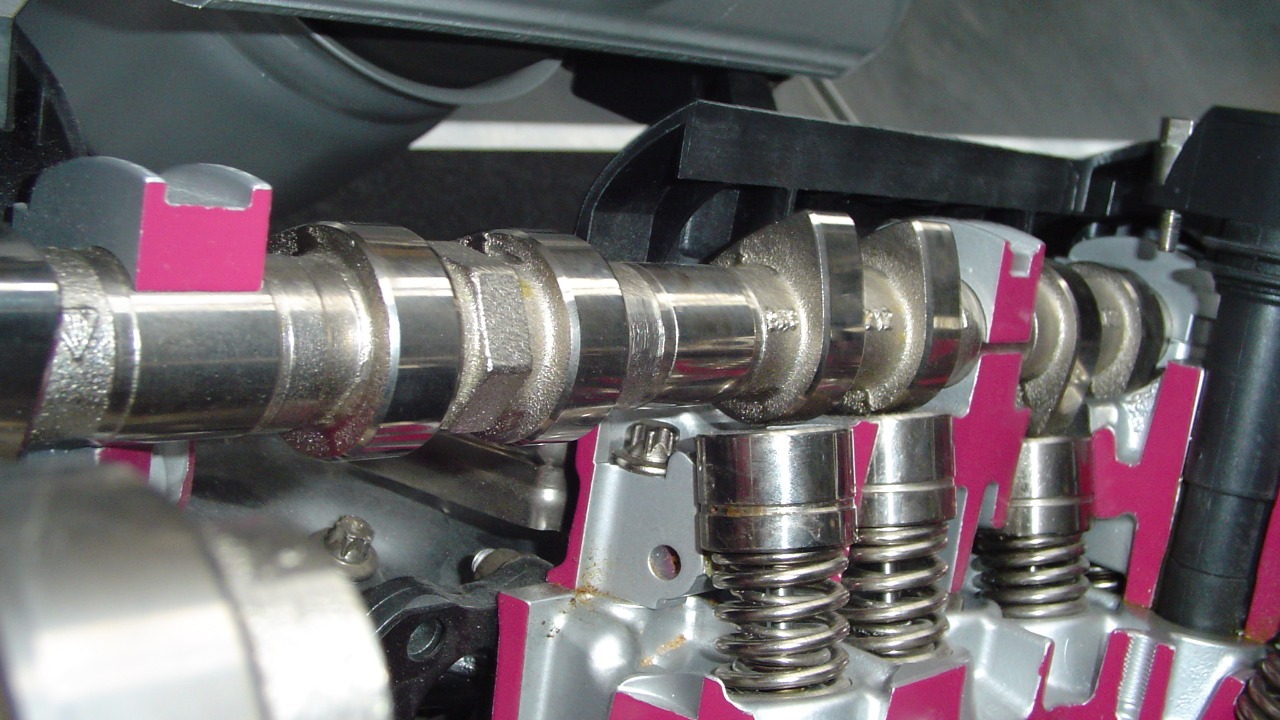
At its core, a camless or free-valve engine is an engine that features electronically controlled valve operation, as opposed to traditional camshaft engines. In a conventional engine, the camshaft, a rotating cylindrical rod, determines the timing, amount, and duration of the opening of the valves. In contrast, a camless engine uses actuators, either hydraulic or pneumatic, to control the valves directly. These actuators can be individually controlled, allowing for an unprecedented level of control over the engine’s operation.
The technology behind these engines is complex and innovative. By using electronic signals to control the valves, camless engines can optimize engine performance at different speeds and loads. This results in improved fuel efficiency and power output, among other benefits. For a more in-depth understanding of camless engine technology, you can refer to this technical paper on the subject.
Benefits and Challenges of Camless Engines
One of the primary benefits of camless engines is their efficiency. By allowing for more precise control over valve operation, these engines can optimize fuel consumption and emissions under different driving conditions. They also offer greater flexibility, as the timing and duration of valve opening can be adjusted on the fly. This contributes to enhanced power output and responsiveness, especially at high engine speeds.
However, camless engine technology also has its challenges. For one, the technology is still relatively new and untested in large-scale commercial vehicles. There are also concerns about the durability and reliability of the electronic components used in these engines. Another major drawback is the high cost of development and production of camless engines, which could be a barrier to widespread adoption. This research article provides more details on the challenges associated with camless engine technology.
Development and Evolution of Camless Technology
Camless engine technology has been in development for several decades. Early attempts at creating camless engines faced numerous challenges, including issues with valve control and engine efficiency. However, the technology has evolved significantly over the years, with companies like FreeValve, a subsidiary of Koenigsegg, leading the charge.
FreeValve has been instrumental in advancing camless technology. Their pneumatic-hydraulic-electric-actuator technology has paved the way for the development of practical, efficient, and powerful camless engines. To learn more about the evolution of camless technology, check out this article.
Cars That Feature Camless Engines

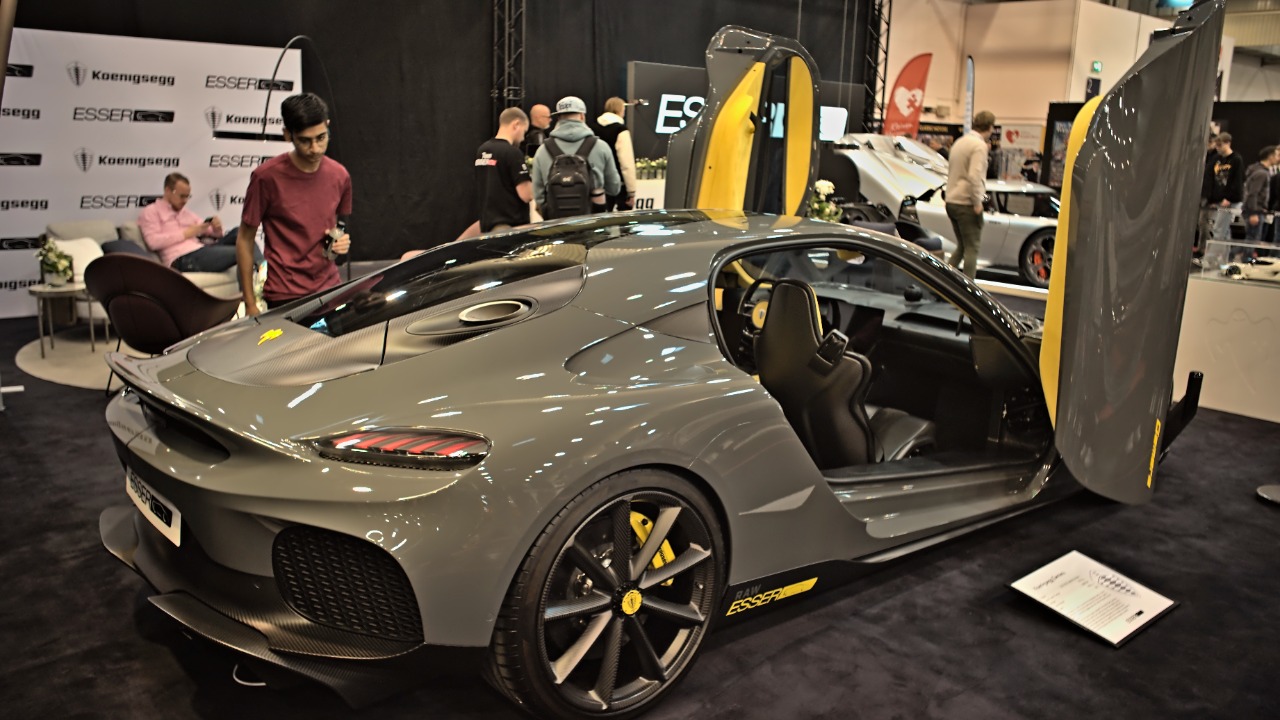
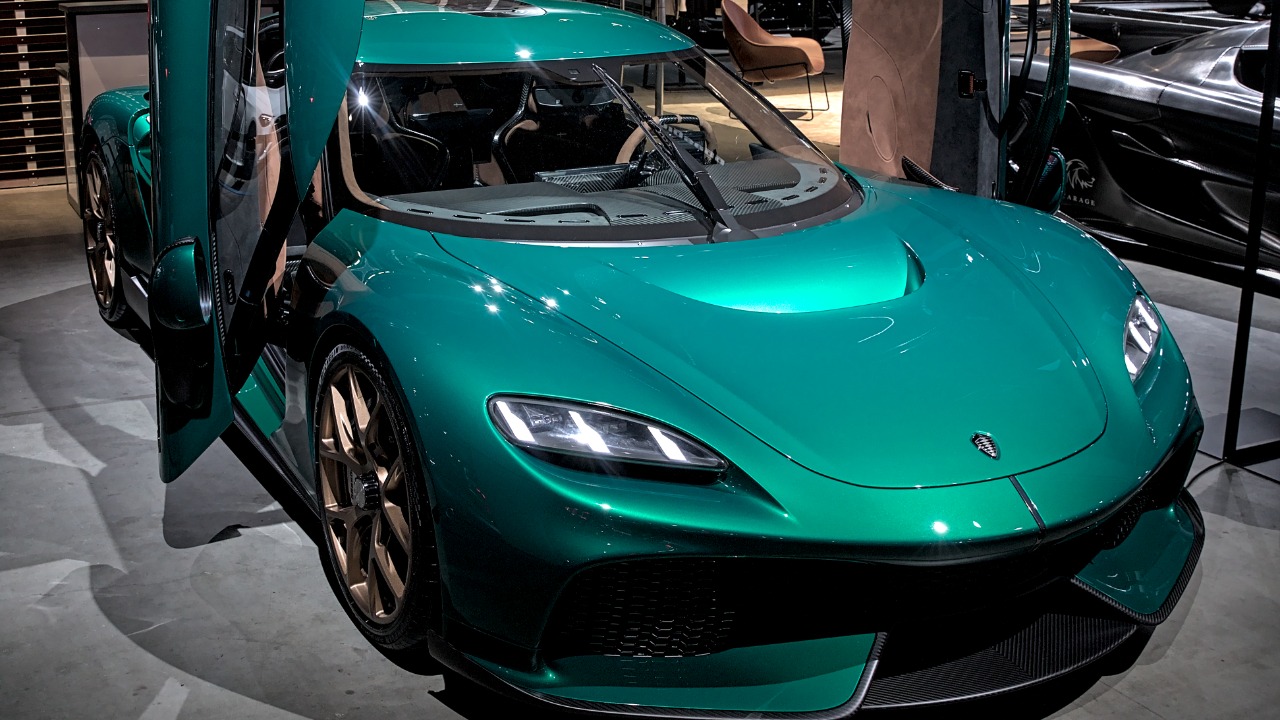
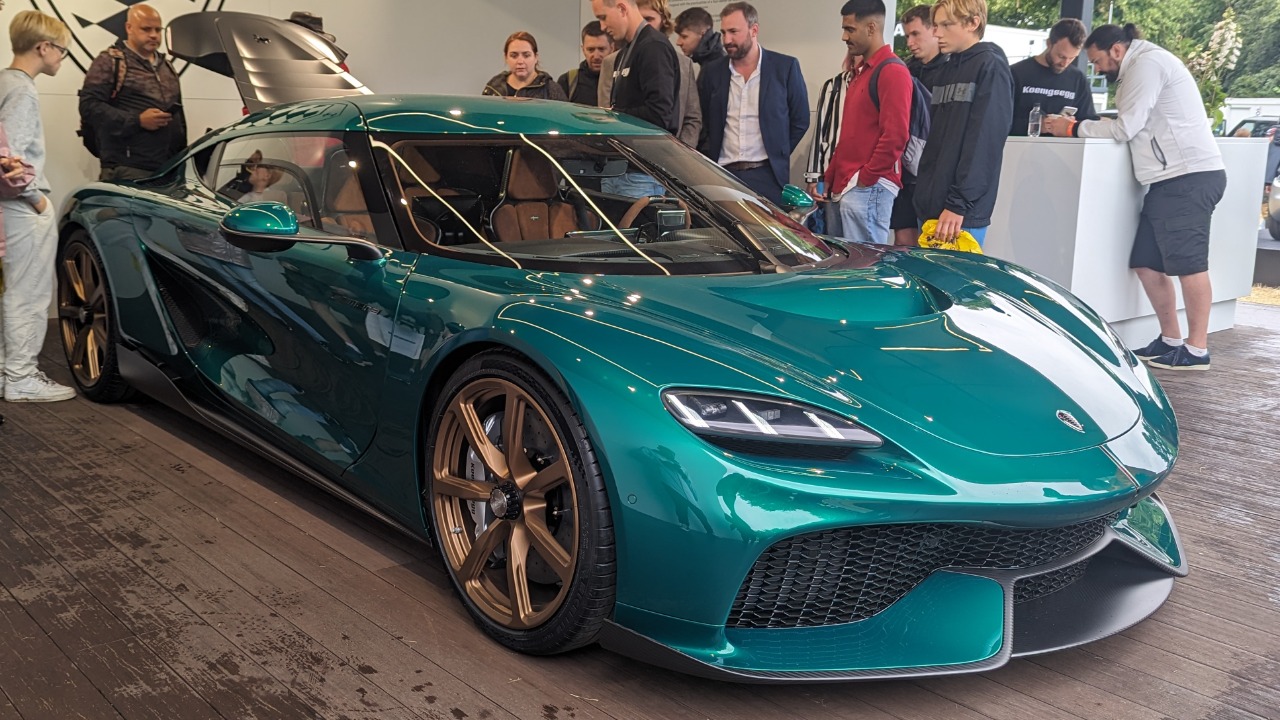
The most notable car that uses a camless engine is the Koenigsegg Gemera. This four-seater hypercar is powered by a 2.0-liter camless engine, which Koenigsegg calls the “Tiny Friendly Giant.” The engine’s compact design and high power output demonstrate the potential and versatility of camless technology.
While Koenigsegg is leading the way, other manufacturers are also exploring camless technology. The Qoros Qamfree concept car, for example, also features a camless engine developed by FreeValve. For a more detailed insight into how Koenigsegg uses camless engines, you can refer to this article.
Future of Camless Engines
Given their potential benefits, camless engines could significantly impact the automotive industry. They offer a promising solution for achieving greater engine efficiency and reducing emissions, both of which are critical goals for the industry. As the technology matures and becomes more affordable, we can expect to see more cars featuring camless engines.
Future developments in camless technology will likely focus on improving the reliability and cost-effectiveness of these engines. There is also potential for integrating camless technology with other innovations, such as electric powertrains, to further enhance vehicle performance and efficiency. For more information on the future of camless engines, you can refer to this article.
