The devastating power of atomic bombs has been a subject of fear and fascination since their first use in 1945. Understanding what could potentially survive such an explosion offers insight into both the resilience of life and the destructive capability of nuclear weapons. Various entities, from microorganisms to architectural designs, could endure the aftermath of an atomic bomb, showing a surprising level of resilience.
Human Engineering and Architecture
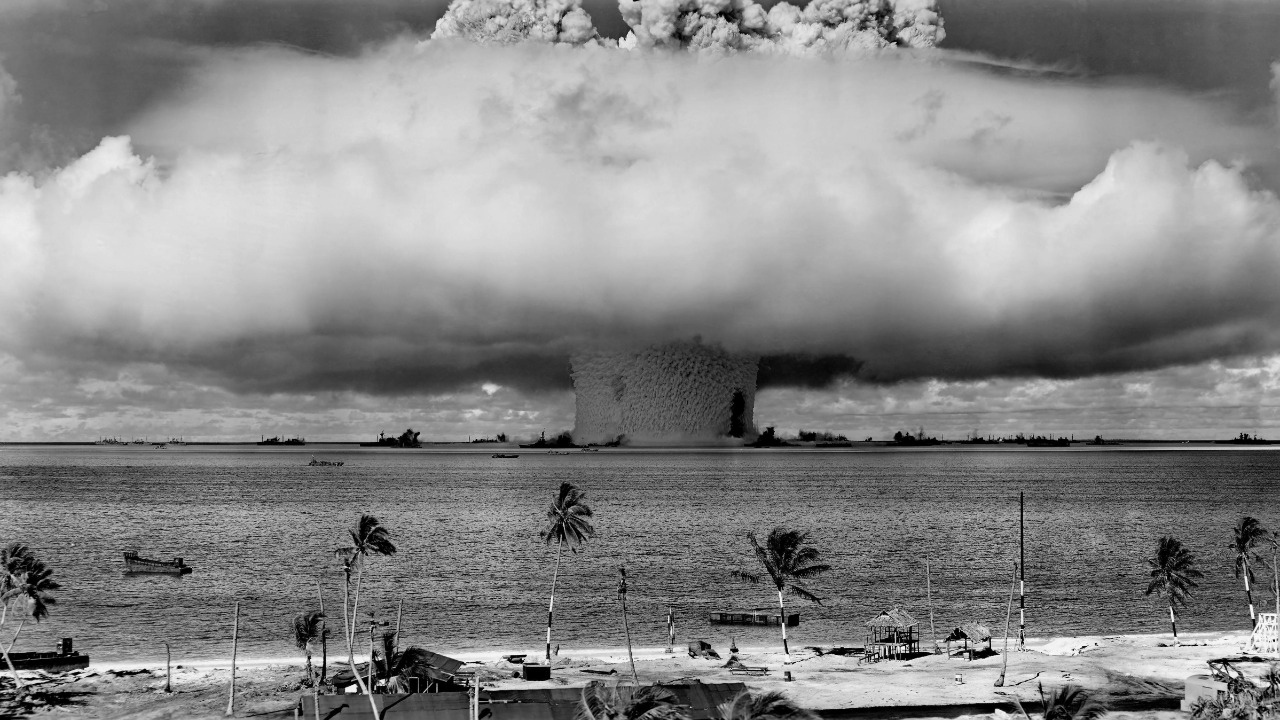
In the realm of human engineering, reinforced structures such as bunkers and fallout shelters are designed to withstand the immense pressures and thermal effects of a nuclear explosion. These structures often use materials like steel and concrete, which can absorb and dissipate energy efficiently. For example, the Greenbrier Bunker in West Virginia, a massive underground facility, was constructed during the Cold War to protect U.S. government officials from nuclear attacks. Its robust construction and strategic location demonstrate how engineering can offer a safe haven even in extreme conditions.
Beyond reinforced structures, advances in radiation-resistant materials have also contributed to survival strategies in nuclear scenarios. Researchers have developed materials that can significantly reduce radiation penetration, protecting both buildings and their occupants. Lead and boron-based compounds are commonly used in construction to shield against radiation. Such materials are not only crucial for buildings but also for clothing and equipment designed to protect individuals working in radioactive environments.
Innovations in urban planning play a critical role in preparing cities for potential nuclear disasters. Cities incorporate nuclear disaster preparedness into their plans by designing efficient evacuation routes and ensuring that emergency services are well-coordinated. The concept of “defensible space” in urban design also considers how architectural layouts can minimize the impact of a blast and facilitate quick responses. These strategies highlight the importance of integrating precautionary measures into the very fabric of urban environments.
Biological Resilience

When it comes to biological resilience, certain microorganisms and extremophiles like Deinococcus radiodurans stand out for their ability to survive extreme radiation levels. This bacterium, often dubbed “Conan the Bacterium,” can endure radiation doses thousands of times higher than what would be lethal to humans. Its remarkable survival is attributed to unique DNA repair mechanisms that can quickly fix radiation-induced damage. These microorganisms offer a glimpse into the incredible adaptability of life under extreme conditions.
Insects, too, exhibit a surprising degree of resilience. Cockroaches, often cited as the ultimate survivors, have been shown to withstand higher levels of radiation than most other life forms. While the notion that cockroaches could survive a nuclear war is somewhat exaggerated, their biological makeup does provide them with significant advantages. According to Mental Floss, their simple body structure and slow cell cycle help minimize radiation damage, making them more resistant than many other species.
Certain plants and fungi also possess the ability to survive in radioactive environments. For example, some plants have rapid regeneration capabilities that allow them to recover quickly from damage. Fungi, like those found in the Chernobyl Exclusion Zone, have adapted to utilize radiation as an energy source, demonstrating an extraordinary level of ecological adaptability. These organisms highlight the potential for life to not only endure but also thrive in the wake of nuclear devastation.
Animal Adaptations

In the animal kingdom, creatures like tardigrades and specific ant species exhibit natural defenses against radiation. Tardigrades, also known as “water bears,” are microscopic animals renowned for their resilience in extreme environments. Their ability to enter a hibernation-like state, known as cryptobiosis, allows them to survive extreme heat, cold, and radiation. This remarkable adaptation has made tardigrades a subject of intense study in the field of astrobiology.
Similarly, some ant species have developed remarkable resistance to radiation. According to an overview on Jeevoka, these ants possess efficient DNA repair mechanisms and can endure conditions that would be fatal to most other insects. These adaptations provide valuable insights into the evolutionary processes that enable certain species to thrive in hostile environments.
The potential for evolutionary adaptations in animals over time offers a fascinating perspective on survivability in radioactive environments. As ecosystems are exposed to radiation, natural selection may favor traits that enhance survival, potentially leading to the emergence of new species with heightened resistance. While this process would occur over many generations, it underscores the dynamic nature of life and its ability to adapt to changing conditions.
Environmental and Geographical Factors
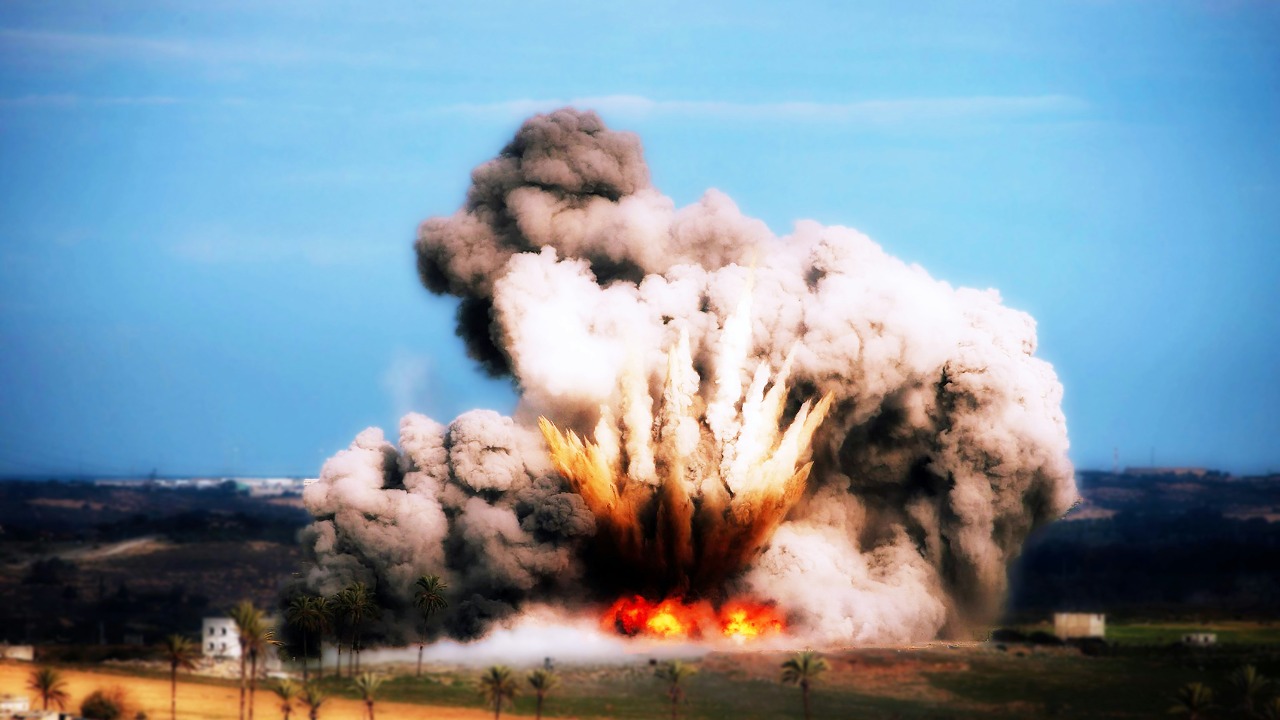
Certain environmental and geographical factors can provide natural protection against the effects of a nuclear explosion. Mountains and dense forests can act as barriers, absorbing and deflecting blast waves and radiation. These natural features can create zones of relative safety, offering refuge for both humans and wildlife. The presence of such geographical barriers highlights the importance of terrain in determining the impact of a nuclear event.
Water bodies, such as oceans and large lakes, also play a crucial role in mitigating the effects of nuclear explosions. The vast expanses of water can dissipate heat and absorb radiation, providing a buffer that protects marine life. While surface waters may become contaminated, the depth and volume of these bodies of water can offer protection to organisms living in deeper areas. This protective effect underscores the resilience of aquatic ecosystems in the face of nuclear threats.
Climate and weather patterns can influence the spread and impact of nuclear fallout. Wind currents can carry radioactive particles over long distances, affecting regions far from the initial blast site. However, certain weather conditions, such as rain, can help wash out radioactive particles from the atmosphere, reducing their concentration in the air. Understanding these climatic influences is essential for predicting the potential reach of nuclear fallout and implementing effective response strategies.
Technological Advancements in Survival

In recent years, technological advancements have significantly enhanced our ability to detect and protect against radiation exposure. Developments in radiation detection technology, such as portable Geiger counters and dosimeters, allow individuals to monitor radiation levels in their surroundings. These tools are crucial for ensuring safety in both civilian and military contexts, providing real-time data to guide decision-making during a nuclear event.
Innovations in survival gear and equipment have also played a vital role in preparing for nuclear scenarios. Personal protective equipment, such as radiation suits and respirators, is designed to shield individuals from radioactive particles. Survival kits tailored for nuclear emergencies often include items like iodine tablets, which can help protect the thyroid from radioactive iodine exposure. These innovations reflect a proactive approach to nuclear preparedness, emphasizing the importance of readiness in the face of potential threats.
Ongoing research initiatives are focused on further enhancing humanity’s ability to survive and mitigate the effects of nuclear explosions. Scientists are exploring new materials and technologies that could offer greater protection against radiation, while policymakers work to develop comprehensive response strategies. The lessons of past nuclear events continue to inform current efforts, underscoring the need for vigilance and innovation in the face of evolving challenges.
