When an asteroid is on a collision course with Earth, scientists often explore various deflection strategies to avert disaster. But what if these efforts inadvertently redirect the asteroid toward the Moon? By examining the potential consequences of an asteroid impact on the Moon, we can better understand the scientific, environmental, and cultural ramifications that such an event might entail.
The Moon’s Role as Earth’s Shield
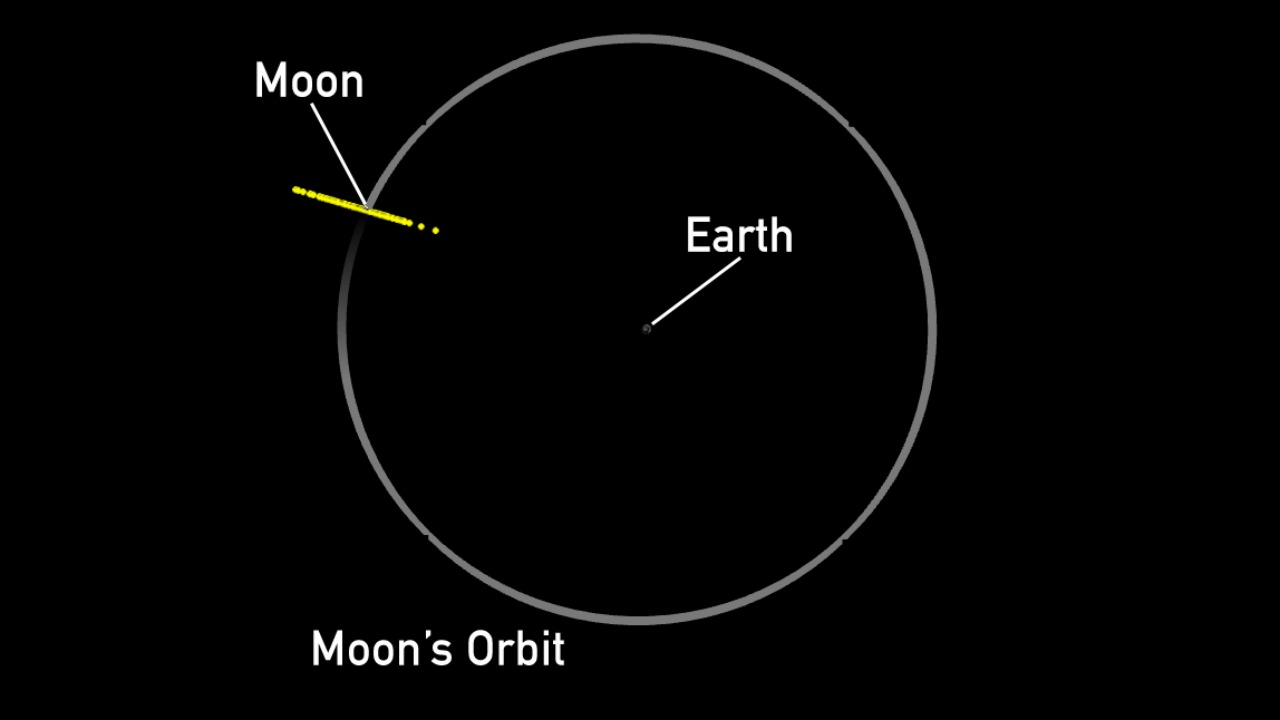
Throughout history, the Moon has acted as a natural shield for Earth, absorbing impacts from celestial objects that might otherwise threaten our planet. For instance, the heavily cratered surface seen today is a testament to its role in intercepting asteroids and comets. These impacts have not only shaped the Moon’s surface but have also provided valuable insights into the history of our solar system. Historical studies suggest that without the Moon, Earth would have experienced far more catastrophic impacts.
The dynamics of gravitational interactions play a significant role in this protective capability. The Moon’s gravity can influence the trajectory of nearby celestial objects, potentially redirecting them away from Earth. This gravitational pull, coupled with the Moon’s relative proximity, positions it as a potential barrier against some threats. Current scientific theories emphasize the Moon’s role as a cosmic bodyguard. Researchers have even speculated on scenarios where the Moon could absorb the impact of a “city-killer” asteroid, as discussed in a recent article.
Consequences of an Asteroid Impact on the Moon
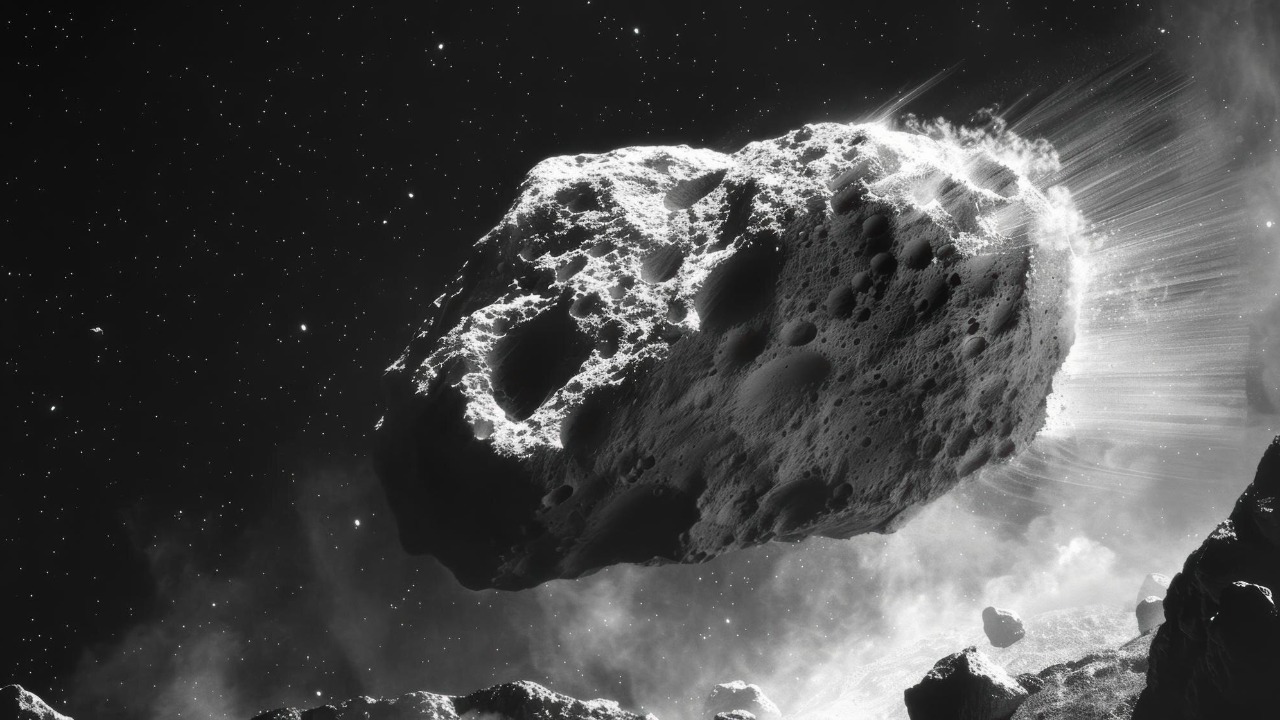
An asteroid impact on the Moon would undoubtedly lead to noticeable surface alterations. The creation of new craters is a likely outcome, with potentially significant ejections of lunar dust and debris. These changes could be extensive, depending on the size and speed of the impacting body. The Moon’s lack of atmosphere means that the dust ejected would not be subjected to weathering, possibly creating long-lasting effects visible from Earth.
Moreover, an impact could have implications for the Moon’s orbit. While it is unlikely that a single impact would drastically alter the Moon’s path around Earth, any change, however minor, could have significant consequences. Alterations could affect the timing of solar and lunar eclipses or even the regularity of tides on Earth. This possibility has led scientists to explore the potential impacts on ongoing and future lunar missions. Projects like NASA’s Artemis program might face new challenges, from altered landing sites to unforeseen debris fields, impacting the future of lunar exploration.
Potential Environmental and Astronomical Effects on Earth
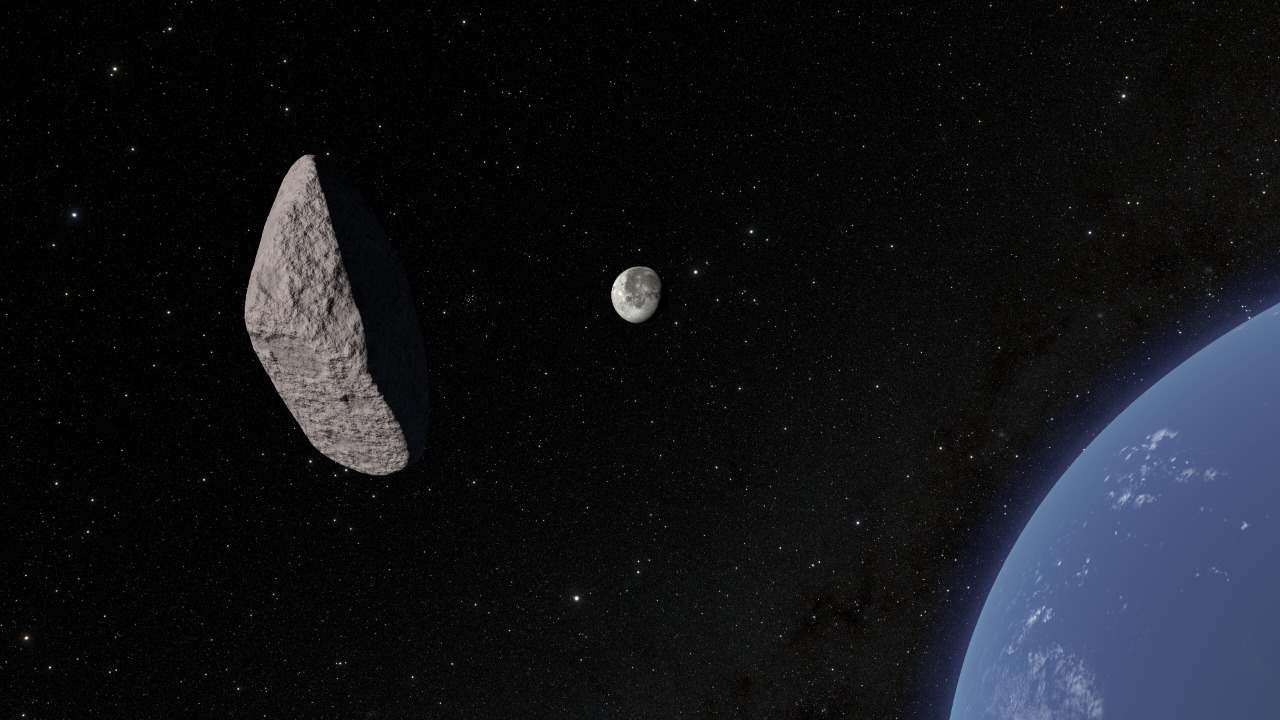
One of the most immediate effects of an altered Moon would be changes to Earth’s tidal patterns. The gravitational pull exerted by the Moon is responsible for the ebb and flow of tides. Any change in the Moon’s mass or orbit could lead to irregular tidal patterns, potentially affecting coastal ecosystems and human settlements. Although the extent of these changes is unpredictable, the possibility raises concerns about the vulnerability of coastal regions.
In addition to tidal influences, the appearance of the Moon from Earth could be altered. Debris from an impact might create a temporary or even permanent haze, affecting not only the visibility of the Moon but also the night sky as a whole. This change could have long-term environmental effects, potentially influencing Earth’s climate by altering the amount of sunlight reflected back into space. Although speculative, these impacts warrant further investigation, as discussed in a Forbes article.
Scientific and Cultural Implications

An asteroid impact on the Moon would open new avenues for scientific research. The event would offer a unique opportunity to study an impact site and its aftermath, providing valuable data on impact dynamics and crater formation. This research could enhance our understanding of similar processes on Earth and other celestial bodies. The potential for international collaboration in studying such an event could lead to significant advancements in planetary science and technology.
Culturally, the Moon holds significant symbolism for various societies around the world. An impact could alter its appearance, potentially affecting its role in literature, art, and mythology. The cultural significance of the Moon as a symbol of tranquility and constancy might shift, sparking new interpretations and discussions about humanity’s place in the cosmos. The global response to such an event would likely involve both collaborative efforts and differing perspectives on managing the Moon’s newfound status.
Preventative Measures and Future Considerations
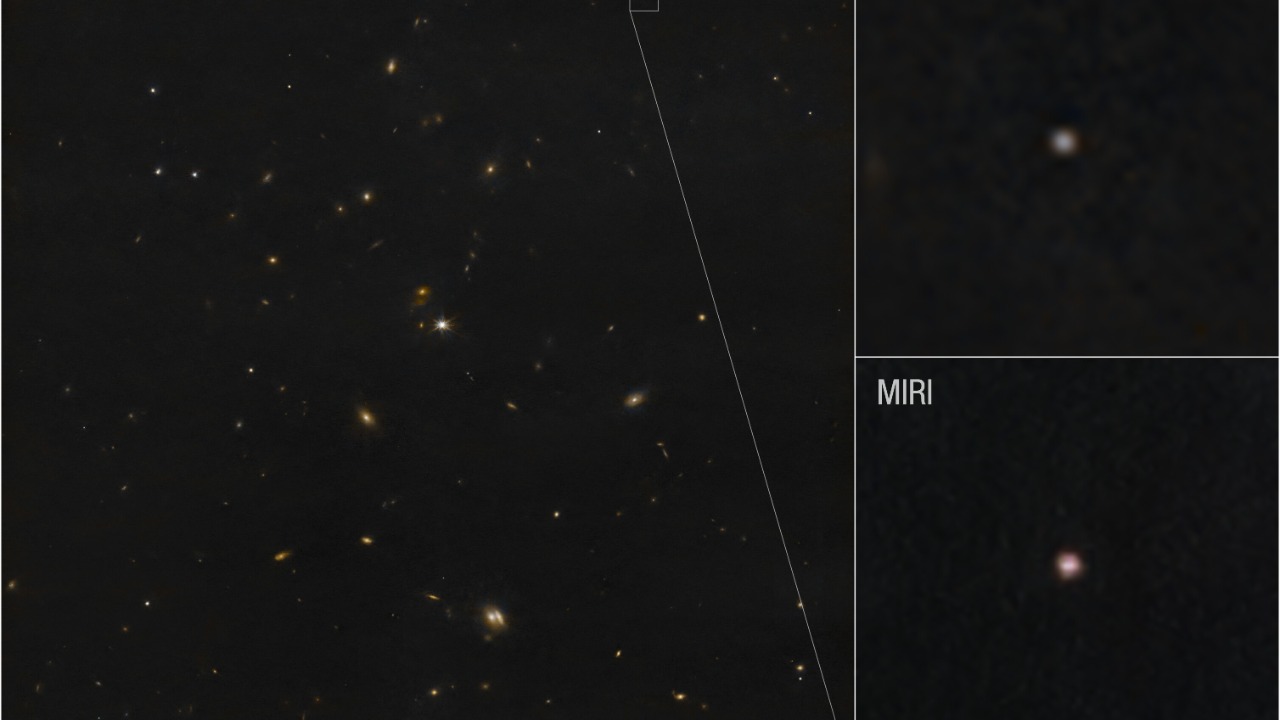
Current asteroid deflection strategies focus on a range of methods, from kinetic impactors to gravitational tractors, aimed at altering the trajectory of potential threats. These strategies have been tested in simulations and small-scale missions, but their effectiveness in real-world scenarios remains a topic of ongoing research. The possibility of inadvertently deflecting an asteroid toward the Moon highlights the need for careful planning and precision in executing these strategies.
Looking to the future, technological advancements could improve the success rates of deflection missions. Emerging technologies, such as laser ablation or solar sails, offer promising alternatives for altering an asteroid’s path. However, these technologies require further development and testing before they can be considered viable options. As we advance our capabilities, international policies and preparedness plans for potential lunar impacts become increasingly important. Coordinating global efforts to address these challenges will be essential for ensuring a comprehensive response to any future threats.
As we continue to explore and understand the cosmos, the potential consequences of an asteroid deflection that impacts the Moon remind us of the interconnectedness of Earth and its celestial neighbors. By studying these scenarios, we gain valuable insights into the complexities of space dynamics and our role in preserving the delicate balance of our planetary system.
