Scientists have recently made a remarkable discovery in Russia’s Perm region, unearthing the longest known woolly rhino horn, which measures an impressive 1.3 meters. This find, preserved in permafrost, offers new insights into the biology and growth patterns of these ancient creatures from the Pleistocene epoch. The horn’s exceptional preservation allows researchers to delve deeper into the anatomy and life of the woolly rhino, shedding light on how these majestic animals adapted to their icy environments.
Discovery of the Record-Breaking Horn
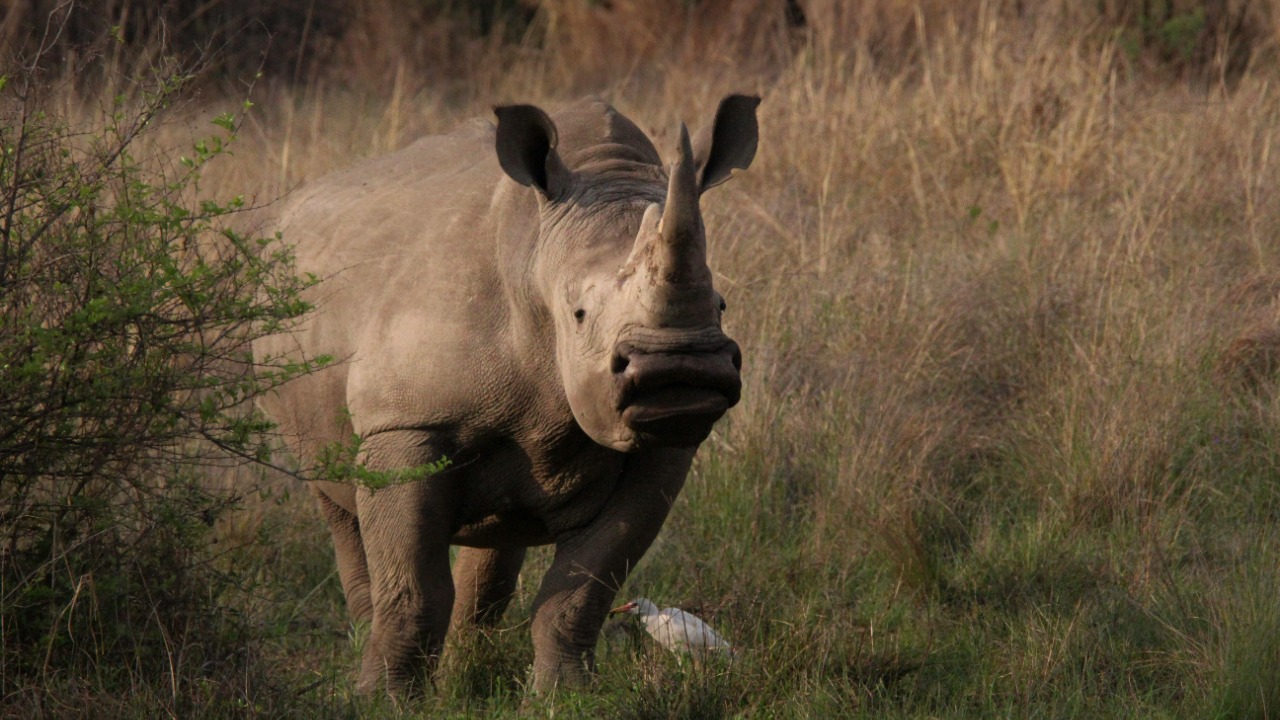
The excavation of this extraordinary horn was led by a team from Ural Federal University. The horn was found in ice-rich sediments, which played a crucial role in its preservation, allowing it to be recovered intact without any fragmentation. This pristine condition is rare and provides a unique opportunity for scientists to study the horn in detail. The discovery site, located in the northern Ural Mountains, has become a hotspot for Ice Age fossils, with melting permafrost revealing numerous specimens since 2020. This region continues to be a treasure trove for paleontologists seeking to understand the prehistoric past [source].
Upon its discovery, the horn was initially identified in the field as belonging to the species Coelodonta antiquitatis, commonly known as the woolly rhino. This identification was later confirmed through detailed morphological analysis, comparing the horn to existing museum specimens. Such comparisons are vital for verifying the species and understanding the evolutionary lineage of these extinct giants. The horn’s discovery not only adds to the fossil record but also enhances our understanding of the woolly rhino’s physical characteristics and adaptations.
Anatomy and Structure of Woolly Rhino Horns
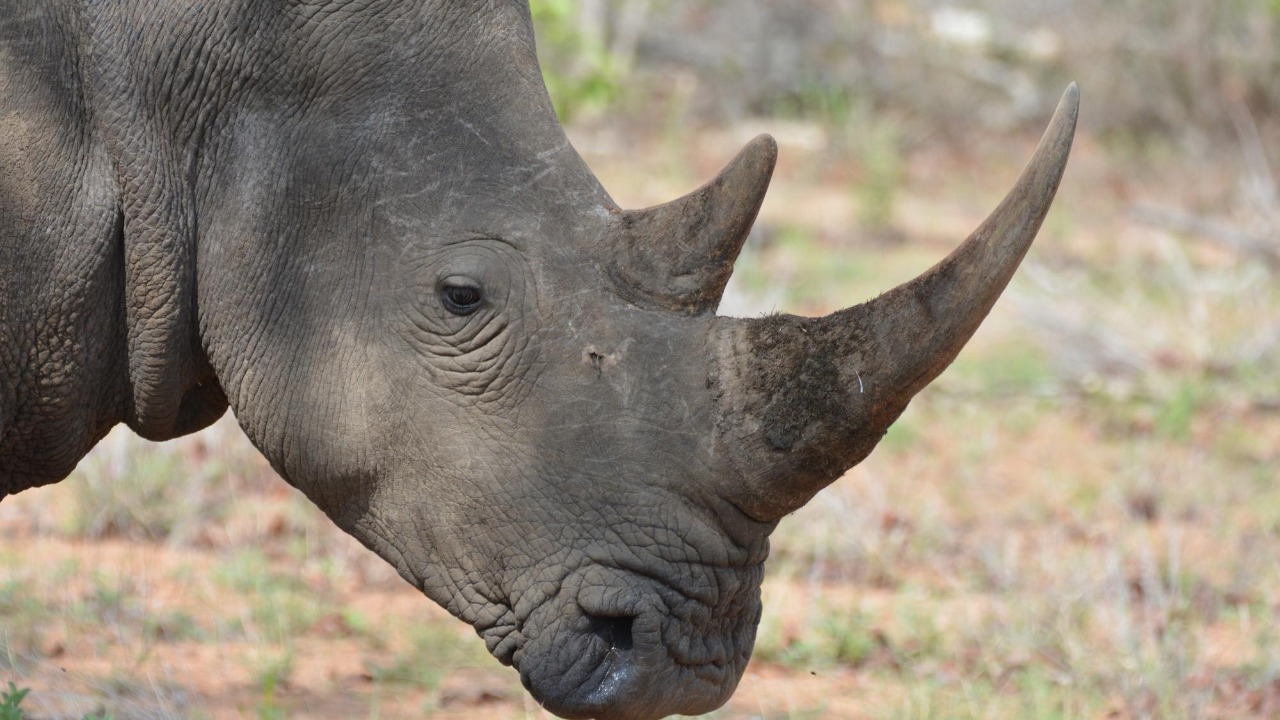
The woolly rhino horn, like those of modern rhinos, is primarily composed of keratin. However, cross-sectional scans of the specimen reveal unique fibrous layering, an adaptation likely developed to withstand the harsh, cold climates of the Pleistocene. This structural insight helps scientists understand how woolly rhinos managed to thrive in such extreme environments. The horn’s basal diameter measures 25 centimeters, indicating it belonged to a mature individual estimated to be between 20 and 25 years old, as determined by analyzing the annual growth rings within the horn [source].
Interestingly, the horn’s curvature and asymmetry suggest it served multiple purposes beyond mere defense. The shape and size imply a role in social interactions, possibly for display during mating rituals or as a status symbol among peers. This dual functionality highlights the complex social behaviors of woolly rhinos, offering a glimpse into their lives and interactions within their herds. Such findings challenge previous assumptions about the primary uses of these impressive horns.
Growth Patterns and Lifespan Insights
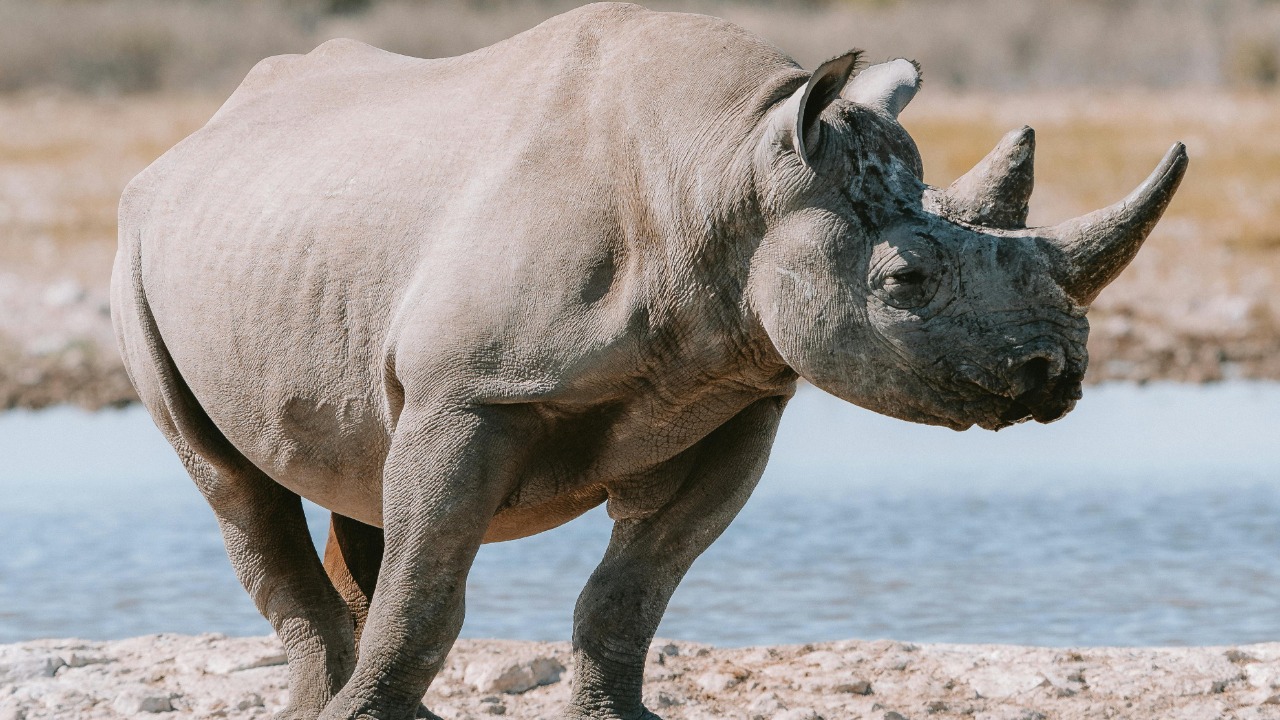
The internal growth rings of the horn provide a fascinating record of the animal’s life, showing accelerated deposition during the summer months. This pattern mirrors the seasonal vegetation cycles of the Ice Age tundra, indicating that woolly rhinos experienced periods of rapid growth when food was abundant. The horn’s length, exceeding previous records by 40 centimeters, suggests that these animals could sustain rapid keratin production for longer periods than previously thought, potentially up to 30 years [source].
Environmental factors, such as nutrient availability, played a significant role in horn development. The growth rings also contain stress markers, which correspond to harsh winters, providing evidence of the challenges these animals faced. This information is crucial for understanding how woolly rhinos adapted to their environment and the pressures that shaped their evolution. By studying these growth patterns, scientists can infer the ecological conditions of the time and how they influenced the life history of these ancient creatures.
Evolutionary and Ecological Implications
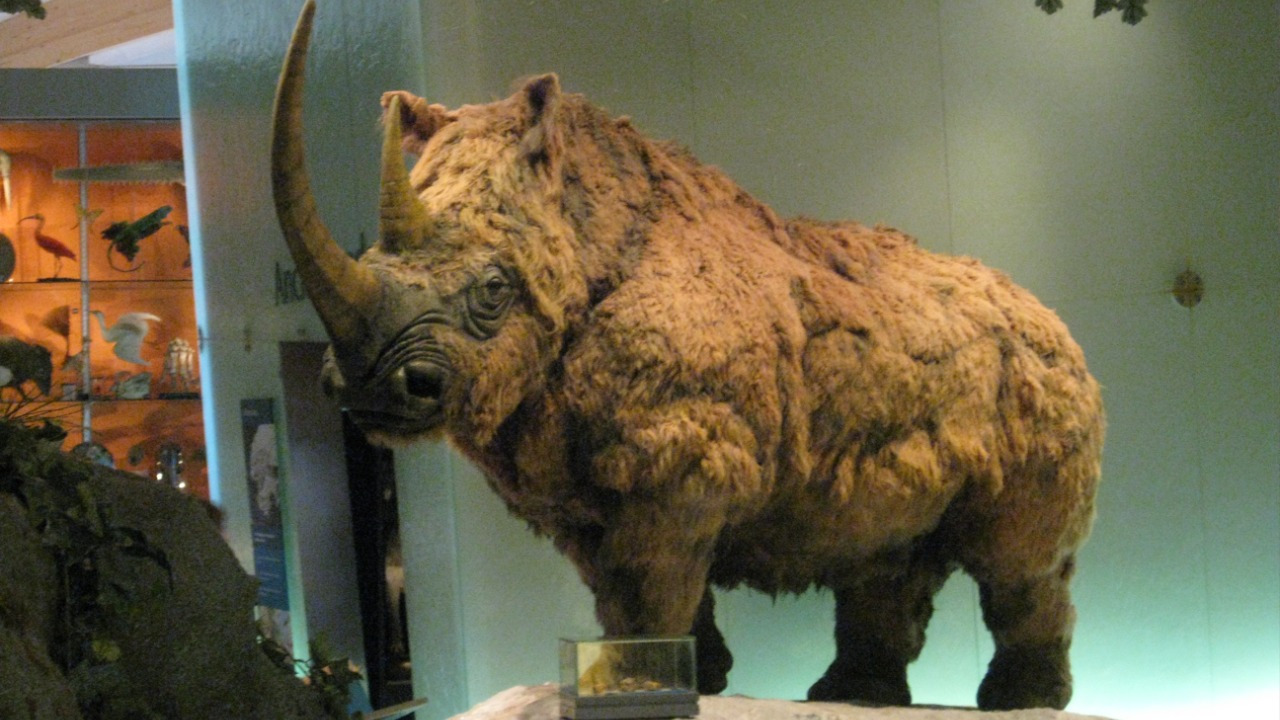
The size of the horn has significant implications for understanding the evolutionary pressures faced by woolly rhinos. Larger horns may have been a result of sexual selection, where they served as a signal of health and dominance in mating competitions. This aspect of their biology suggests that woolly rhinos, particularly males, could have reached substantial sizes, potentially up to 3.5 tons, with correspondingly massive frontal armaments. Such findings challenge previous assumptions about the size limits of these prehistoric animals [source].
The discovery also provides insights into the broader biodiversity of the Pleistocene ecosystem. The Perm site, where the horn was found, indicates that woolly rhinos coexisted with other megafauna such as mammoths and saber-toothed cats. This dynamic ecosystem was characterized by complex interactions between species, each adapting to the challenges of their environment. Understanding these interactions helps scientists reconstruct the ecological networks of the past and the factors that led to the eventual extinction of these iconic species.
