The James Webb Space Telescope has once again captured the imagination of the scientific community with its latest discovery. It has identified a dwarf planet in the outer solar system that is emitting fluorescent gas, humorously described as “farting” by observers. This discovery adds to the telescope’s impressive list of achievements, including capturing its first image of an exoplanet earlier in 2025.
Discovering the ‘Farting’ Dwarf Planet
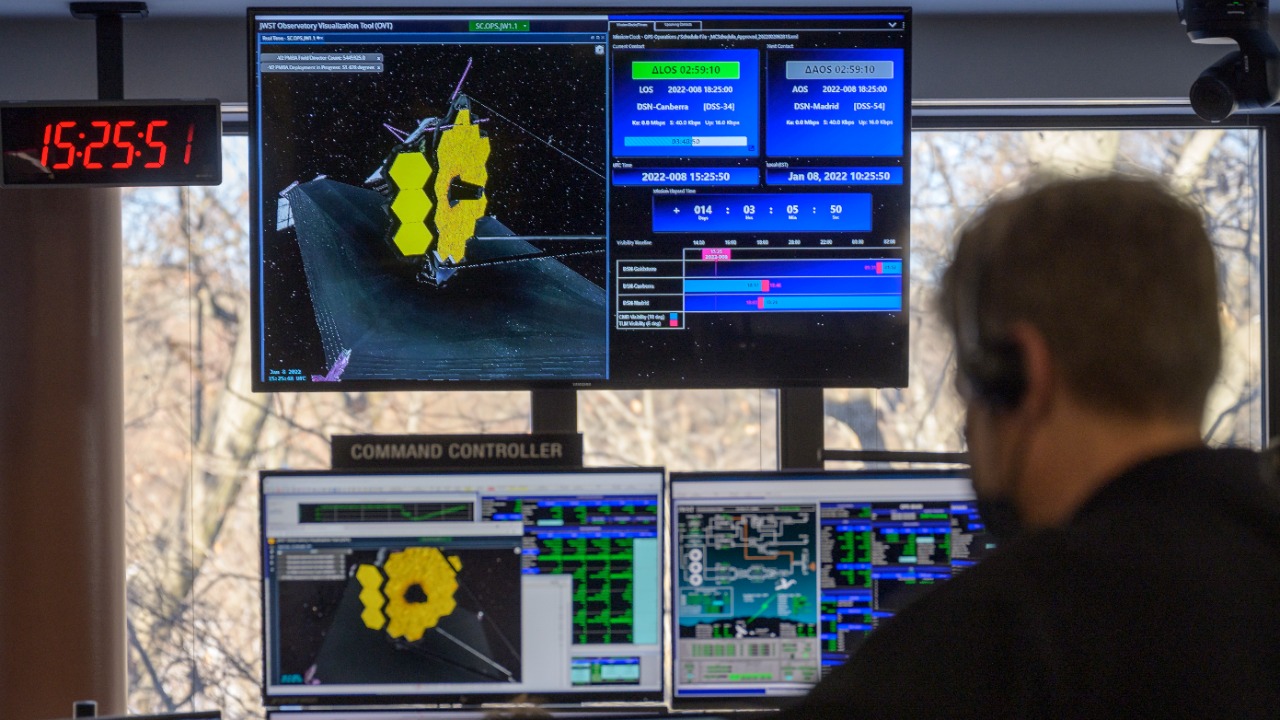
The James Webb Space Telescope’s recent observation of a dwarf planet emitting fluorescent gas marks a significant milestone in space exploration. This phenomenon, captured in the outer reaches of our solar system, provides new insights into the atmospheric conditions of distant celestial bodies. The fluorescent gas emissions are not just a humorous curiosity but a window into understanding the chemical compositions and atmospheric behaviors of such planets. The term “farting” has been used lightheartedly to describe the release of these gases, highlighting the unique and unexpected nature of the discovery (LiveScience).
While the nickname might evoke a chuckle, the scientific implications are profound. The detection of fluorescent gases can help scientists decipher the processes occurring on these distant worlds. By analyzing the light emitted from these gases, researchers can infer the presence of specific elements and compounds, offering clues about the planet’s atmosphere and potential for supporting life. This discovery underscores the James Webb Space Telescope’s role in pushing the boundaries of our understanding of the universe (LiveScience).
In addition to the scientific intrigue, the discovery of the fluorescent gas emissions on this dwarf planet has sparked discussions about the potential mechanisms driving such phenomena. Scientists speculate that the gases could be the result of complex chemical reactions occurring beneath the planet’s surface, possibly involving volatile compounds that are released into the atmosphere. These reactions might be influenced by the planet’s distance from the sun, its rotational dynamics, or its geological activity. Understanding these processes could provide a broader context for similar emissions observed on other celestial bodies, thereby enriching our comprehension of planetary science and atmospheric chemistry.
Advancements of the James Webb Space Telescope

The James Webb Space Telescope has been at the forefront of astronomical discoveries since its launch. Earlier in 2025, it achieved a significant milestone by capturing its first image of an exoplanet. This achievement demonstrated the telescope’s advanced capabilities in observing distant worlds and provided a new perspective on planets beyond our solar system. The ability to capture such detailed images is a testament to the technological advancements embedded in the telescope’s design (Yahoo News).
Beyond individual discoveries, the James Webb Space Telescope plays a crucial role in enhancing our understanding of the universe. Its sophisticated instruments allow scientists to observe celestial phenomena with unprecedented clarity and detail. This capability not only aids in the discovery of new planets but also in the study of cosmic events and the formation of galaxies. The telescope’s contributions are pivotal in shaping our knowledge of the cosmos and inspiring future explorations (Yahoo News).
The telescope’s ability to capture detailed images of exoplanets is not only a technological triumph but also a catalyst for new research opportunities. By observing the atmospheres of these distant worlds, scientists can search for biosignatures—indicators of life such as oxygen, methane, and water vapor. This capability is crucial for identifying potentially habitable planets and understanding the diversity of planetary systems. The James Webb Space Telescope’s advanced spectroscopic tools allow for the detailed analysis of light spectra, which can reveal the chemical compositions of these atmospheres, offering a glimpse into the conditions that might support life.
The Significance of Fluorescent Gases in Space Exploration

The presence of fluorescent gases on a dwarf planet offers valuable insights into the composition and behavior of celestial bodies. These gases, when excited by solar radiation, emit light that can be analyzed to determine the chemical makeup of a planet’s atmosphere. This information is crucial for understanding the environmental conditions on these distant worlds and assessing their potential habitability. The detection of such gases in the outer solar system opens new avenues for scientific exploration and discovery (LiveScience).
Moreover, the study of fluorescent gases can lead to breakthroughs in our understanding of planetary formation and evolution. By comparing the atmospheric compositions of different planets, scientists can develop models to explain how these bodies develop over time. This research not only enhances our knowledge of the solar system but also informs the search for life beyond Earth. The James Webb Space Telescope’s ability to detect and analyze these gases is a critical tool in this ongoing quest (LiveScience).
Fluorescent gases, when studied in detail, can also provide insights into the magnetic fields of planets. The interaction between solar winds and a planet’s magnetic field can excite atmospheric gases, causing them to emit light. By studying these emissions, scientists can infer the strength and structure of a planet’s magnetic field, which plays a crucial role in protecting the planet from cosmic radiation and solar winds. This knowledge is vital for understanding how planets maintain their atmospheres and what conditions might be necessary for sustaining life. The James Webb Space Telescope’s observations thus contribute to a more comprehensive understanding of planetary environments and their potential to harbor life.
Future Prospects for Space Exploration
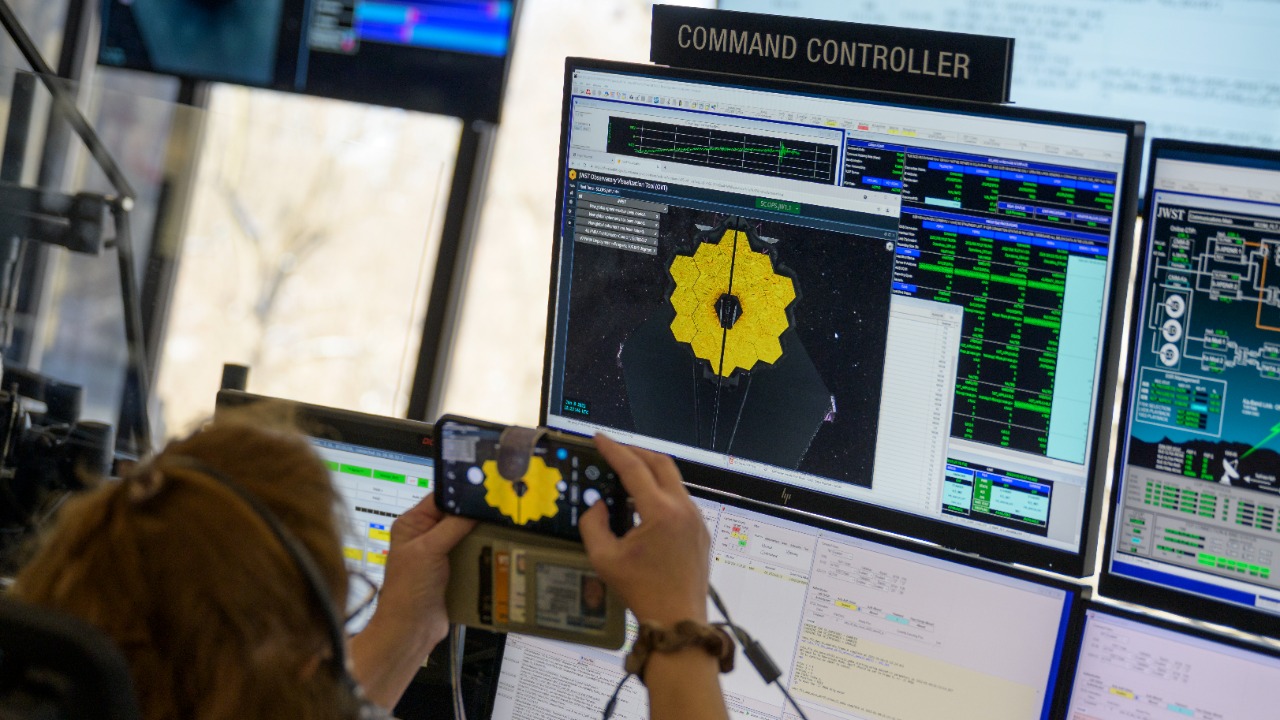
The discoveries made by the James Webb Space Telescope have significant implications for future space missions and explorations. By providing detailed observations of distant planets and phenomena, the telescope sets the stage for more targeted and informed missions. These findings can guide the development of new technologies and strategies for exploring the solar system and beyond. As the telescope continues its mission, it is poised to uncover even more groundbreaking discoveries that will shape the future of space exploration (Yahoo News).
Looking ahead, the potential for new discoveries by the James Webb Space Telescope is vast. Its advanced capabilities allow it to explore regions of space that were previously inaccessible, offering the possibility of finding new planets, stars, and cosmic phenomena. As scientists analyze the data collected by the telescope, they anticipate uncovering insights that will deepen our understanding of the universe and our place within it. The telescope’s ongoing mission promises to continue expanding the horizons of human knowledge and inspiring future generations of explorers (Yahoo News).
