The James Webb Space Telescope has made a groundbreaking discovery, identifying 300 enigmatic objects in the universe that challenge current astronomical theories. These objects, which defy conventional understanding of cosmic development, have sparked a wave of excitement and intrigue among scientists and space enthusiasts alike.
The Discovery of the Century
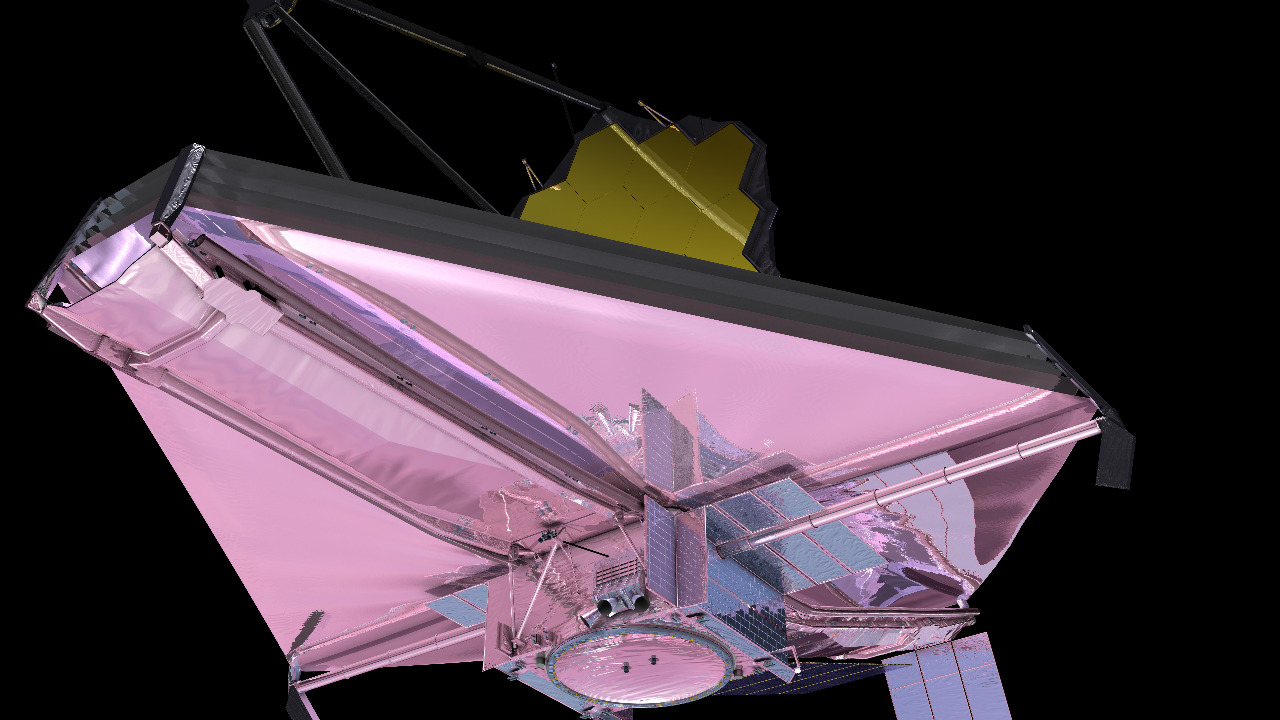
The James Webb Space Telescope, often hailed as the successor to the Hubble Space Telescope, boasts a suite of advanced technologies that have expanded our ability to observe the universe. Its infrared capabilities allow it to peer through cosmic dust, unveiling phenomena that were previously hidden from view. With a mirror over 21 feet in diameter, the James Webb Telescope can capture light from the farthest reaches of the universe, offering unprecedented clarity and depth in its observations.
Initial observations that led to the identification of these 300 mysterious objects began with routine scans aimed at understanding cosmic structures. These scans revealed anomalies that were soon dubbed as “objects that shouldn’t exist.” The scientific community was initially skeptical, but the data was compelling, leading to further investigation. The unexpected nature of these findings quickly caught the attention of astronomers worldwide, offering a tantalizing glimpse into the unknown aspects of our universe.
What makes these discoveries particularly fascinating is their deviation from established astronomical norms. These objects, unlike anything previously cataloged, have prompted scientists to reconsider what they know about the cosmos. Their existence challenges the conventional understanding of how cosmic structures form and evolve, leading to a surge of curiosity and debate within the scientific community.
Challenging the Cosmic Timeline
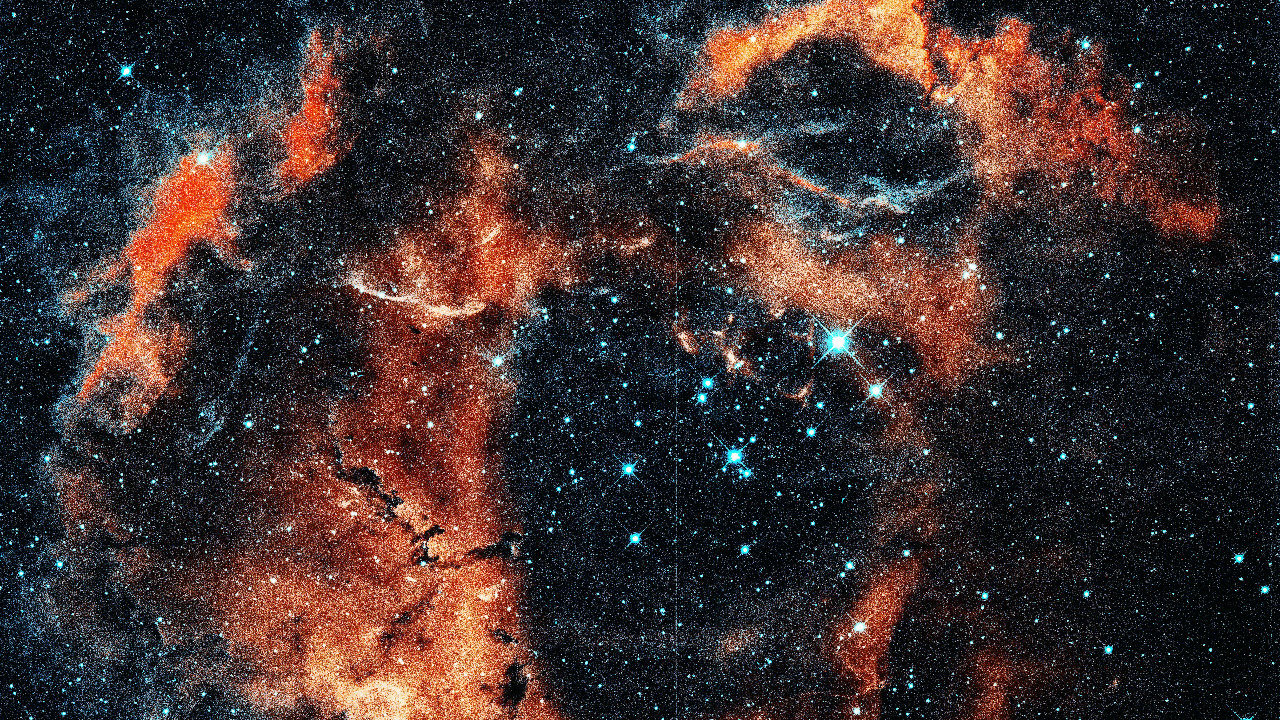
The discovery of these objects raises significant questions about the Big Bang theory and the timeline of cosmic evolution. Traditionally, the universe’s development has been understood as a linear progression from simple to complex structures. These objects, however, appear to be remnants from a time when, according to current theories, such complexities shouldn’t yet exist. This contradiction has scientists re-evaluating the timelines associated with the universe’s birth and growth.
Furthermore, these findings have implications for our understanding of galaxy formation. Current models suggest galaxies formed from small, primordial structures that coalesced over billions of years. However, the presence of these unexpected objects suggests that galaxies, or galaxy-like structures, may have formed more rapidly than previously thought. This revelation could lead to a revision of the theories that explain the universe’s architecture and the processes involved in galaxy formation.
Additionally, the role of dark matter and dark energy in the formation and evolution of these objects is under investigation. These components, which constitute most of the universe’s mass-energy content, remain largely mysterious. The discovery of these objects could provide new insights into how dark matter and dark energy influence cosmic structures, potentially offering clues to one of the universe’s most profound mysteries.
Scientific Theories and Speculations
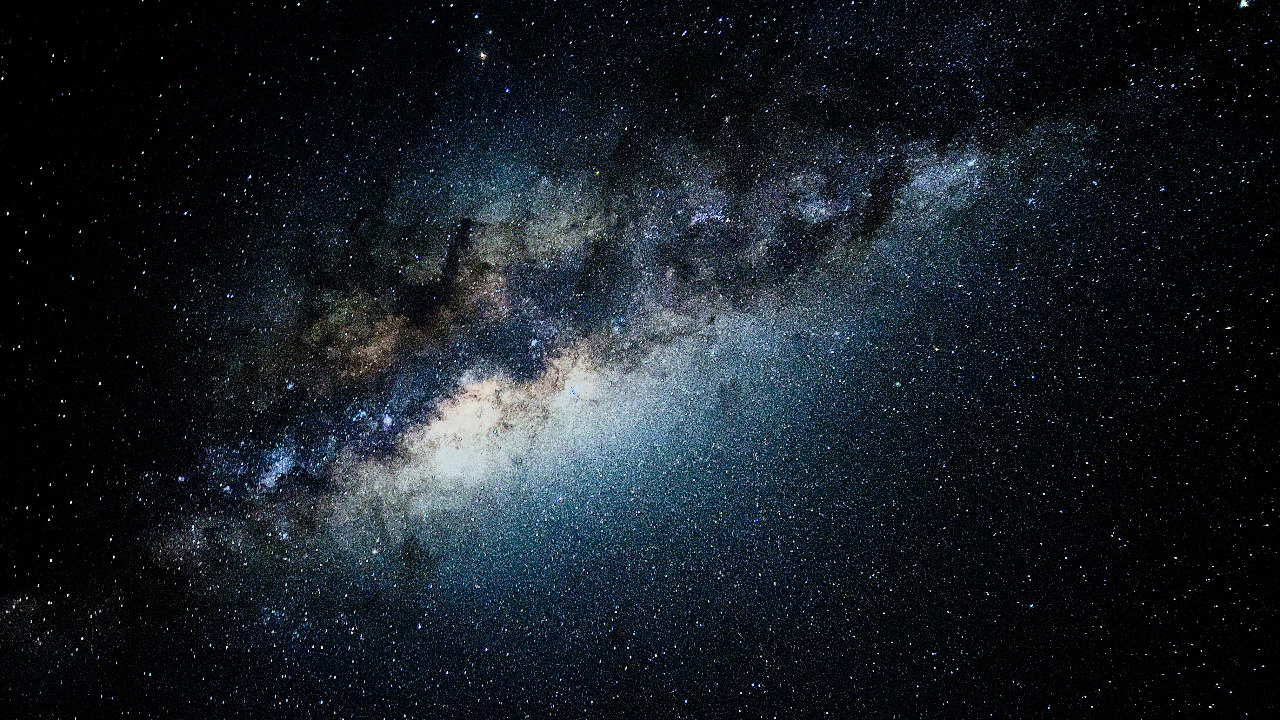
In the wake of these surprising observations, scientists have proposed several hypotheses to explain the anomalies. Some suggest that these objects could be the remnants of ancient galactic collisions, while others propose they might be composed of exotic materials or phenomena unknown to modern science. These theories remain speculative, but they highlight the dynamic nature of astronomical research and the openness to new ideas that this field encourages.
Advanced simulations and artificial intelligence are playing a crucial role in analyzing the vast amounts of data generated by the James Webb Telescope. Machine learning algorithms are being employed to sift through the data, identify patterns, and suggest potential explanations for these anomalies. This integration of technology represents a significant shift in how astronomical research is conducted, allowing for more efficient and accurate data interpretation.
Within the scientific community, debates and discussions are thriving. Some researchers are cautiously optimistic, viewing these anomalies as opportunities to refine existing theories. Others remain skeptical, emphasizing the need for further observations and data verification. This healthy skepticism is a driving force for continued exploration, pushing the boundaries of what we know about the universe.
Future Research and Exploration
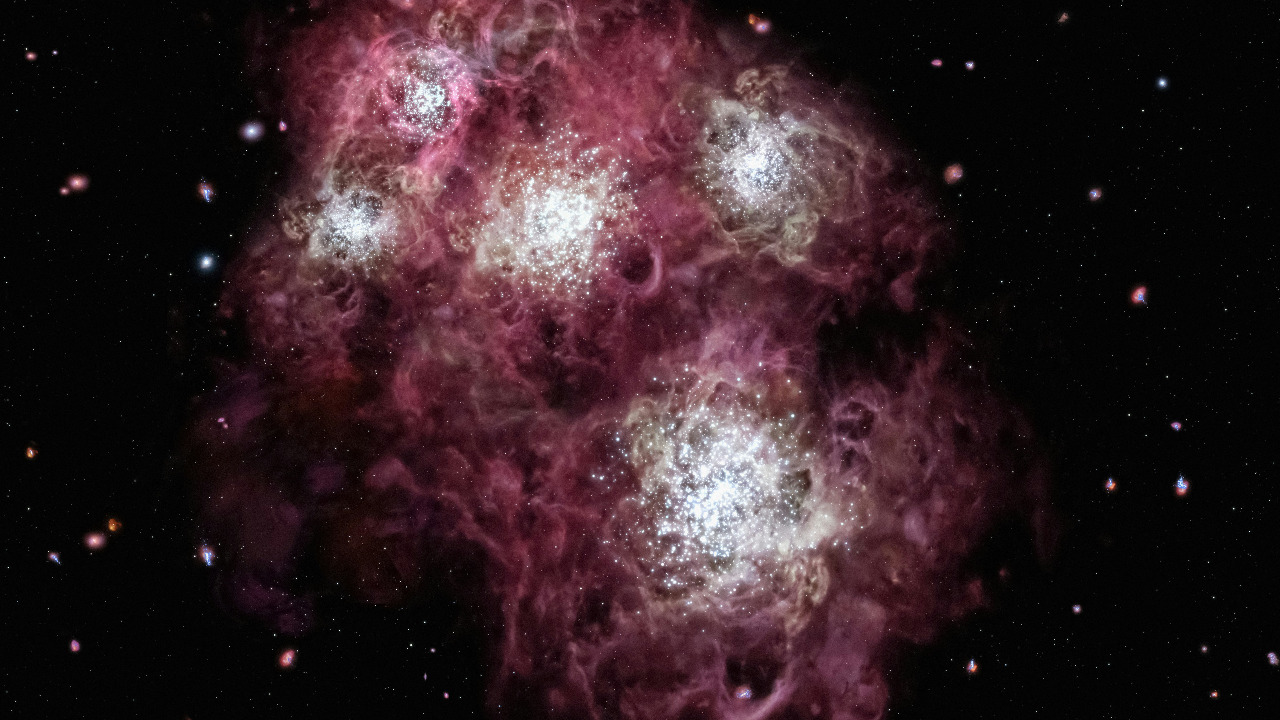
The discovery of these enigmatic objects has spurred plans for future research and exploration. The James Webb Space Telescope will continue to play a pivotal role, with upcoming missions designed to gather more detailed data on these objects. Additionally, other telescopes and instruments around the world will be enlisted to corroborate and expand upon Webb’s findings, providing a comprehensive understanding of these cosmic anomalies.
International collaboration is essential in unraveling the mysteries presented by these objects. Scientists from different countries and institutions are working together, pooling resources and expertise to tackle the challenges posed by these discoveries. This global effort underscores the importance of cooperation in scientific endeavors, highlighting how shared knowledge can lead to groundbreaking insights.
The potential for groundbreaking discoveries extends beyond the immediate implications of these findings. As scientists delve deeper into the nature of these objects, they may uncover new information about the fundamental workings of the universe. This could lead to a paradigm shift in our understanding of cosmic phenomena, paving the way for new theories and models that explain the universe’s intricacies.
Public Engagement and the Quest for Knowledge
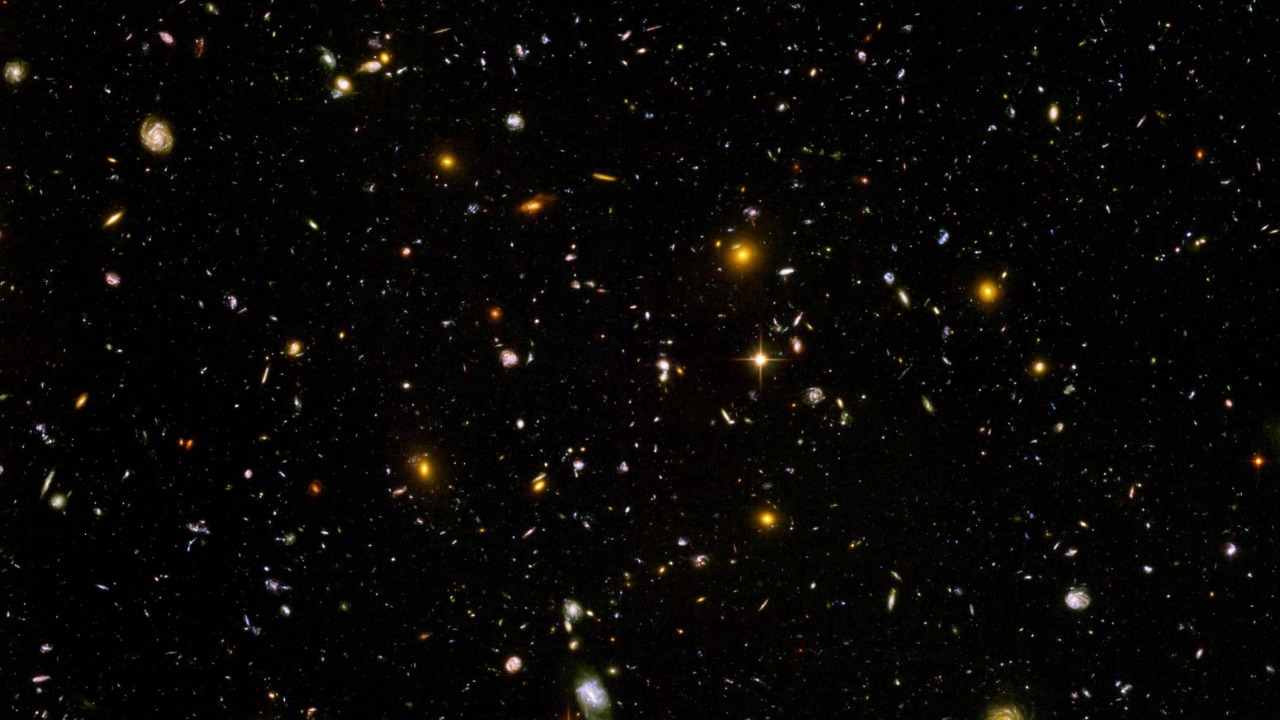
The discovery of these 300 mysterious objects has captured the public’s imagination, sparking widespread interest in space exploration and astronomy. Media coverage plays a crucial role in disseminating information about these findings, making complex scientific concepts accessible to a broader audience. This engagement not only informs the public but also inspires future generations to pursue careers in science and technology.
Educational opportunities and outreach programs are leveraging this discovery to promote STEM education. Schools and educational institutions are integrating these findings into their curricula, offering students a chance to learn about the latest advancements in space research. These initiatives aim to foster curiosity and a passion for discovery, encouraging young minds to explore the universe’s mysteries.
Reflecting on these enigmatic objects prompts us to consider our place in the cosmos. As we uncover more about the universe’s vastness and complexity, we are reminded of the endless possibilities for discovery and understanding. These mysteries challenge us to continue seeking knowledge, pushing the boundaries of what we know and inspiring curiosity about the universe’s wonders.
