The much-anticipated James Webb Space Telescope (JWST) has started to deliver exciting insights about the interstellar comet, 3I/ATLAS. These observations have provided unexpected results, shedding light on the nature of comets and unraveling the mysteries of the universe.
Unveiling the Interstellar Comet 3I/ATLAS
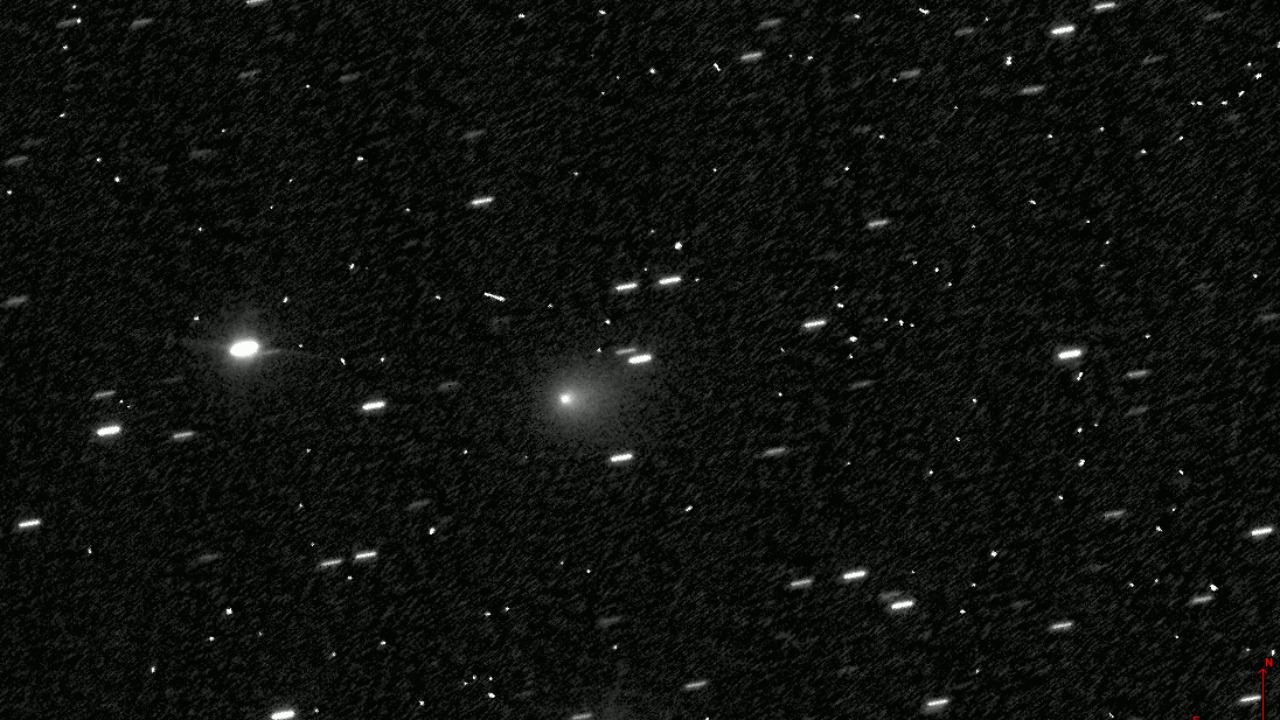
The interstellar comet 3I/ATLAS is a unique celestial object that has sparked immense interest in the scientific community. Its discovery was a landmark event, as its path indicates an origin from beyond our solar system, making it a rare visitor and a perfect candidate for study. The comet’s unique characteristics, such as its high velocity and hyperbolic orbit, provide a wealth of scientific opportunities to learn more about the composition and behavior of interstellar bodies.
The visit of 3I/ATLAS to our solar system is of significant scientific interest. It provides a rare chance to study an object from another star system using our advanced telescopes and technology. The insights gleaned from this visit could potentially revolutionize our understanding of the universe, as well as the formation, composition, and behavior of comets.
The Role of NASA’s James Webb Space Telescope in Comet Observation

The James Webb Space Telescope (JWST) is a groundbreaking project by NASA designed to succeed the Hubble Space Telescope. The JWST’s superior technology and expanded capabilities allow it to observe objects in the universe with unprecedented clarity, including the interstellar comet 3I/ATLAS.
The JWST’s unique technology includes a large primary mirror and extremely sensitive instruments that can capture detailed infrared images. This technology allowed the JWST to observe 3I/ATLAS closely and gather comprehensive data about its composition and behavior. The observations made by the JWST are instrumental in advancing our understanding of comets and the universe.
The Unexpected Results from JWST’s Observation of 3I/ATLAS

The JWST’s observation of 3I/ATLAS has yielded surprising findings. One of the most remarkable discoveries is that the comet’s coma, or the envelope around the nucleus, is largely made of carbon dioxide. This discovery, detailed in a Universe Today article, was unexpected and challenges our current understanding of comet composition.
This observation suggests that interstellar comets like 3I/ATLAS may have different compositions from those originating in our solar system. These unexpected results have important implications for our understanding of comets and the universe. They could lead to new theories about comet formation and behavior, as well as the composition of interstellar objects.
Other Observations of 3I/ATLAS and Comparative Analysis
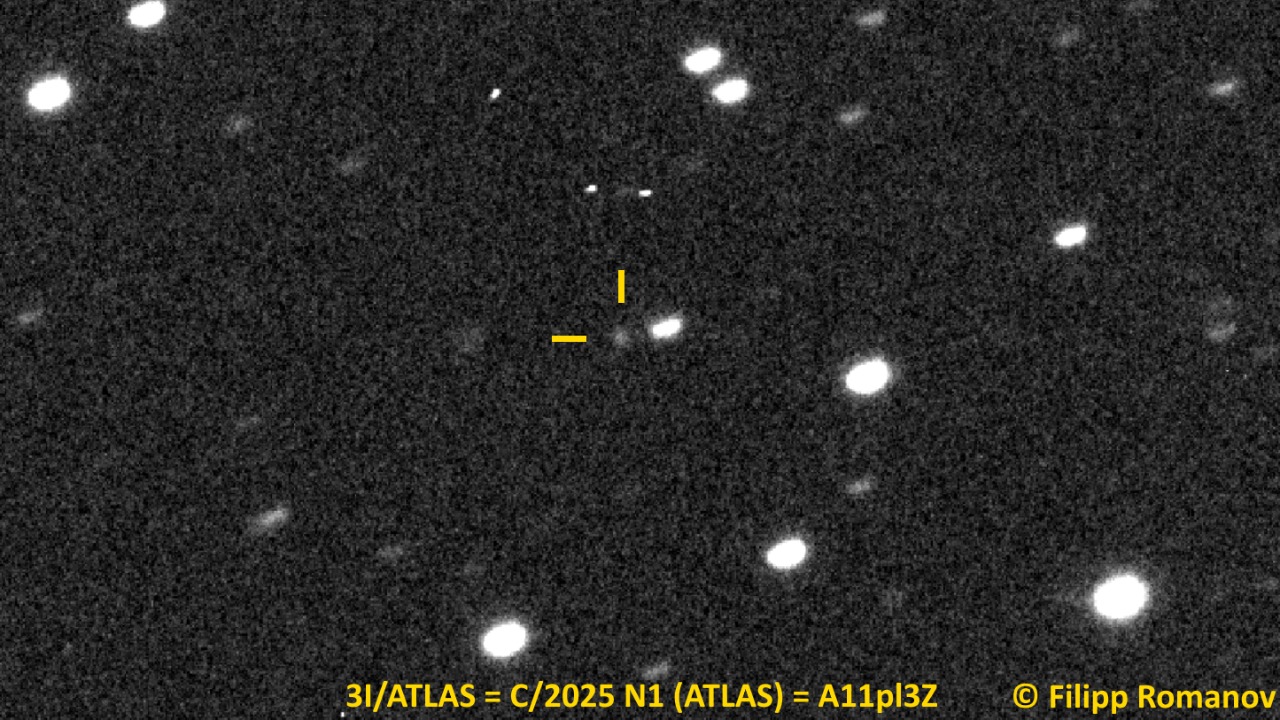
While the JWST has provided valuable insights into 3I/ATLAS, other observations have also contributed to our understanding of this interstellar visitor. Several other spacecraft and ground-based telescopes have observed 3I/ATLAS, as detailed in an article on Space.com. These observations have added to the wealth of data about the comet and provided different perspectives.
A comparative analysis of these observations with the data gathered by the JWST reveals interesting commonalities and variances. This comparison is crucial for a comprehensive understanding of 3I/ATLAS and can help validate the findings of the JWST. It also allows scientists to test their theories and hypotheses about comets and the universe.
The Future of Interstellar Comet Research

The observations of 3I/ATLAS have opened new avenues for interstellar comet research. Future observations of 3I/ATLAS and other interstellar comets could further our understanding of these celestial bodies and the universe. With the advancements in technology and telescopes like the JWST, we are better equipped than ever to explore these fascinating objects.
These observations are not only important for advancing our scientific knowledge but could also have significant implications for future space exploration and research. They could help us prepare for potential interstellar travel, understand the potential hazards in interstellar space, and even search for signs of extraterrestrial life. The interstellar comet, 3I/ATLAS, thus, represents a step forward in our quest to understand and explore the vast universe.
