The James Webb Space Telescope is currently engaged in an exciting endeavor to confirm the existence of a new type of star system within our galaxy. This follows its groundbreaking discovery of water ice in an alien planetary system for the first time in May 2025.
James Webb Space Telescope’s Role in Space Exploration

The James Webb Space Telescope, a marvel of modern astronomy, has been instrumental in expanding our understanding of the universe. Its advanced capabilities have allowed it to make significant discoveries, such as the detection of water ice in an alien planetary system. This discovery, made in May 2025, marked a major milestone in space exploration, opening up new possibilities for the study of extraterrestrial environments and the potential for life beyond Earth. source.
The telescope’s sophisticated instruments enable it to peer into the farthest reaches of the universe, capturing high-resolution images and collecting invaluable data. Its contributions have been pivotal in advancing our knowledge of the cosmos, and its current mission could potentially redefine our understanding of star systems.
Discovery of a Potential New Star System
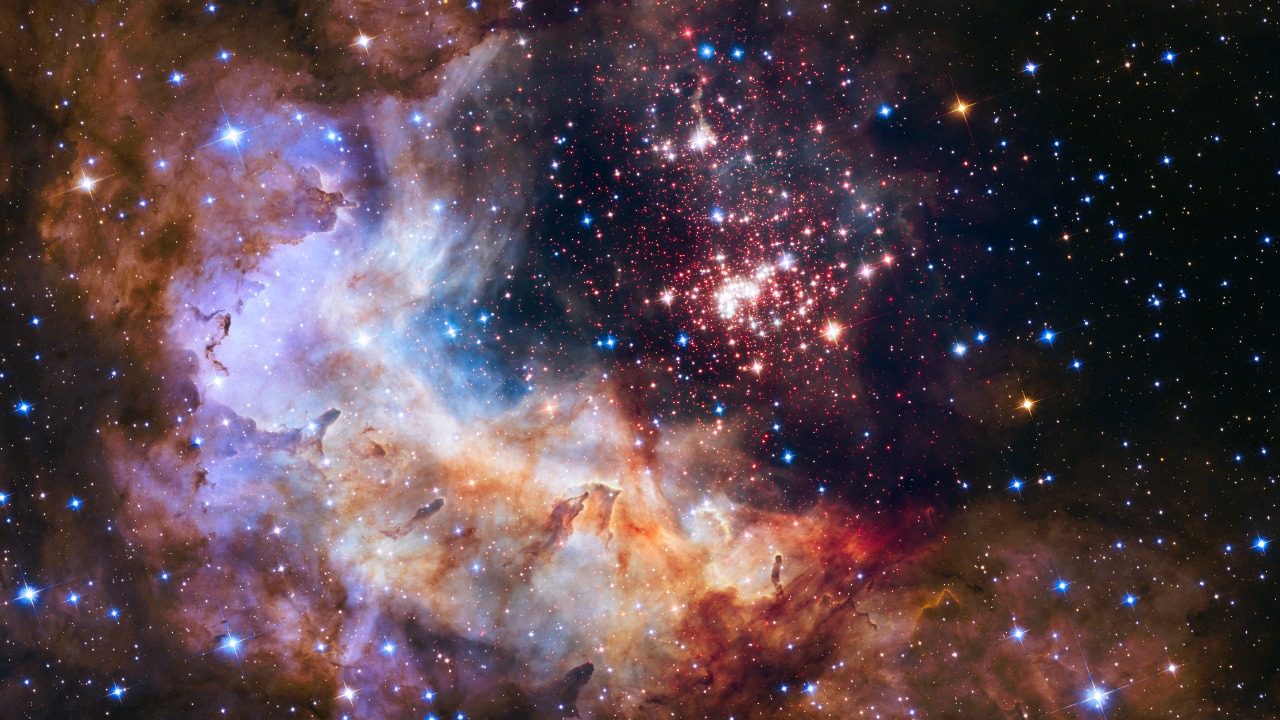
The hypothesis of a new type of star system in our galaxy emerged from the meticulous analysis of data collected by the Webb Telescope. The telescope’s advanced technology and powerful instruments have been instrumental in gathering the evidence that led to this hypothesis. source.
To confirm the existence of this new star system, the Webb Telescope is employing a range of methods and techniques. These include detailed spectral analysis and high-resolution imaging, which allow scientists to study the properties and behavior of the potential new star system in unprecedented detail.
The potential new star system was identified through the Webb Telescope’s ability to detect minute variations in light emitted by celestial bodies. These variations, or ‘light curves’, can reveal the presence of previously unknown celestial objects, such as stars or planets, that may be orbiting a star. The data suggesting the existence of this new star system was derived from such light curve analysis. source.
Moreover, the Webb Telescope’s infrared capabilities have been crucial in this discovery. Infrared observations can penetrate dust clouds that often obscure celestial bodies, providing a clearer view of the universe. This has allowed the telescope to detect potential signs of this new star system that may have been missed by other instruments.
Implications of Discovering a New Star System

The confirmation of a new type of star system would have profound implications for our understanding of the universe. It would challenge existing theories of star formation and evolution, potentially leading to a paradigm shift in astrophysics. Furthermore, it could provide new insights into the distribution of matter in the galaxy and the dynamics of stellar systems.
This discovery could also significantly influence future space exploration and research. It might open up new areas of study and lead to the development of new technologies and methodologies for exploring the cosmos. The potential for discovering new celestial phenomena and understanding the fundamental processes of the universe is truly exciting.
Should the existence of this new star system be confirmed, it could also have implications for the search for extraterrestrial life. The unique properties and conditions of this star system might support the existence of life in ways that we have not yet considered. This could broaden our understanding of what constitutes a ‘habitable zone’ around a star, and potentially increase the number of planets that could be considered suitable for life. source.
Additionally, the discovery could inspire a new generation of space telescopes designed to study this type of star system specifically. These telescopes could be equipped with specialized instruments to further investigate the properties and potential habitability of these systems. This could lead to a surge in technological advancements in the field of astronomy.
Broader Achievements of the Webb Telescope

The Webb Telescope has made significant contributions to space exploration and astronomy. Its discoveries have expanded our knowledge of the universe and provided invaluable data for researchers. The detection of water ice in an alien planetary system and the potential discovery of a new type of star system are just two examples of its remarkable achievements.
With its ongoing use, the Webb Telescope holds the potential for further discoveries and breakthroughs. Its advanced capabilities and the wealth of data it provides will continue to drive progress in space exploration and astronomy, contributing to our understanding of the cosmos for years to come.
Aside from the potential discovery of a new star system and the detection of water ice in an alien planetary system, the Webb Telescope has made numerous other significant discoveries. For instance, it has provided unprecedented insights into the formation of galaxies, the behavior of black holes, and the properties of dark matter. These findings have greatly enriched our understanding of the universe and its myriad phenomena. source.
Furthermore, the Webb Telescope has played a key role in the study of exoplanets. Its ability to detect and analyze the atmospheres of these distant worlds has opened up new avenues for the search for life beyond our solar system. The telescope’s contributions to this field have been invaluable, and its potential for future discoveries remains vast.
