The James Webb Space Telescope has unveiled the thick cosmic dust of Sagittarius B2, the most enormous star-forming cloud in the Milky Way, revealing its intricate structure and vast scale. Located in the heart of our galaxy, this cosmic marvel is a focal point for understanding stellar birth and evolution. NASA’s ongoing exploration of this massive cloud continues to reveal insights into the universe’s star-forming regions.
The James Webb Space Telescope’s Mission
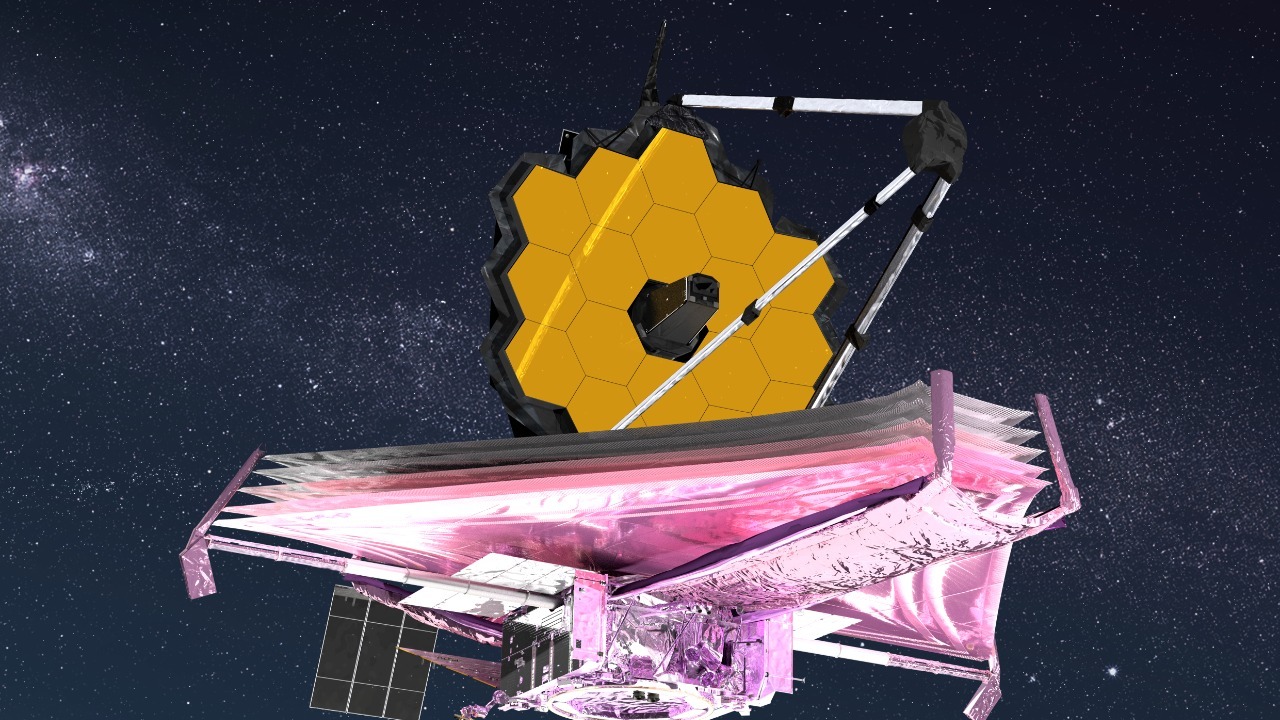
The James Webb Space Telescope (JWST) is a groundbreaking observatory designed to peer into the distant reaches of the universe, capturing images and data that were previously unattainable. Its advanced capabilities allow it to observe distant cosmic phenomena with unprecedented clarity. The telescope’s sophisticated instruments, such as the Near Infrared Camera (NIRCam) and the Mid-Infrared Instrument (MIRI), are crucial in capturing detailed images of cosmic structures like Sagittarius B2. These instruments enable the JWST to penetrate thick cosmic dust and reveal the hidden processes of star formation [Live Science].
The enhanced sensitivity and resolution of the JWST are pivotal in making new discoveries. By observing in the infrared spectrum, the telescope can detect faint light from distant stars and galaxies, providing insights into the early universe. This capability is particularly important for studying star-forming regions like Sagittarius B2, where thick dust clouds obscure visible light. The JWST’s ability to see through these clouds allows scientists to study the processes that lead to star formation in unprecedented detail [Inkl].
In addition to its primary mission of exploring the early universe, the JWST is also tasked with studying the atmospheres of exoplanets, searching for signs of habitability or even life. This aspect of its mission is crucial as it expands our understanding of planets beyond our solar system and the potential for life elsewhere in the universe. The telescope’s ability to analyze the chemical composition of exoplanetary atmospheres could lead to groundbreaking discoveries about the conditions necessary for life.
Furthermore, the JWST’s mission includes observing the formation of galaxies, stars, and planetary systems. By studying these processes, scientists hope to uncover the mysteries of how galaxies like our own Milky Way came to be. The telescope’s observations will help refine models of galaxy formation and evolution, providing a clearer picture of the universe’s history and its future trajectory.
Sagittarius B2: A Stellar Nursery
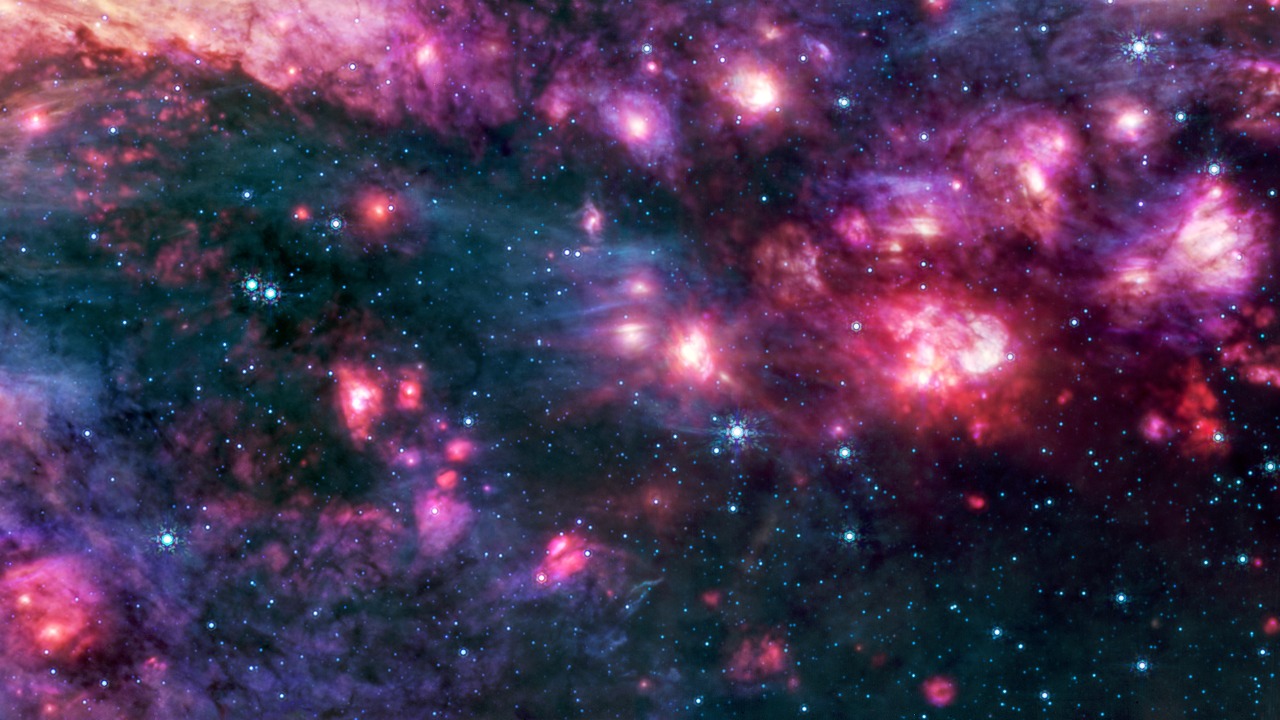
Sagittarius B2 is a colossal molecular cloud located near the center of the Milky Way galaxy. It is renowned as the largest star-forming cloud in our galaxy, making it a critical area of study for astronomers. The cloud’s immense size and dense composition provide a unique environment for the birth of new stars. Within its thick cosmic dust, complex chemical reactions occur, leading to the formation of stars and planetary systems [Live Science].
The significance of Sagittarius B2 lies in its role as a stellar nursery. The cloud’s dense regions are rich in the raw materials necessary for star formation, such as hydrogen molecules and other elements. The thick cosmic dust within Sagittarius B2 plays a crucial role in the star formation process by shielding nascent stars from external radiation, allowing them to grow and develop. This protective environment is essential for understanding how stars and planetary systems evolve over time [NASA].
The chemical complexity within Sagittarius B2 is another area of intense study. The cloud contains a variety of organic molecules, some of which are considered the building blocks of life. These molecules, such as amino acids, are crucial for understanding the potential for life elsewhere in the universe. The presence of such complex molecules in a star-forming region suggests that the ingredients for life might be more common in the universe than previously thought.
Moreover, the study of Sagittarius B2 offers insights into the lifecycle of stars. As stars form and evolve, they influence their surroundings, contributing to the dynamic environment of the galaxy. By observing these interactions, scientists can better understand the role of star formation in the broader context of galactic evolution. This knowledge is essential for piecing together the history of our galaxy and its future development.
Discoveries and Implications
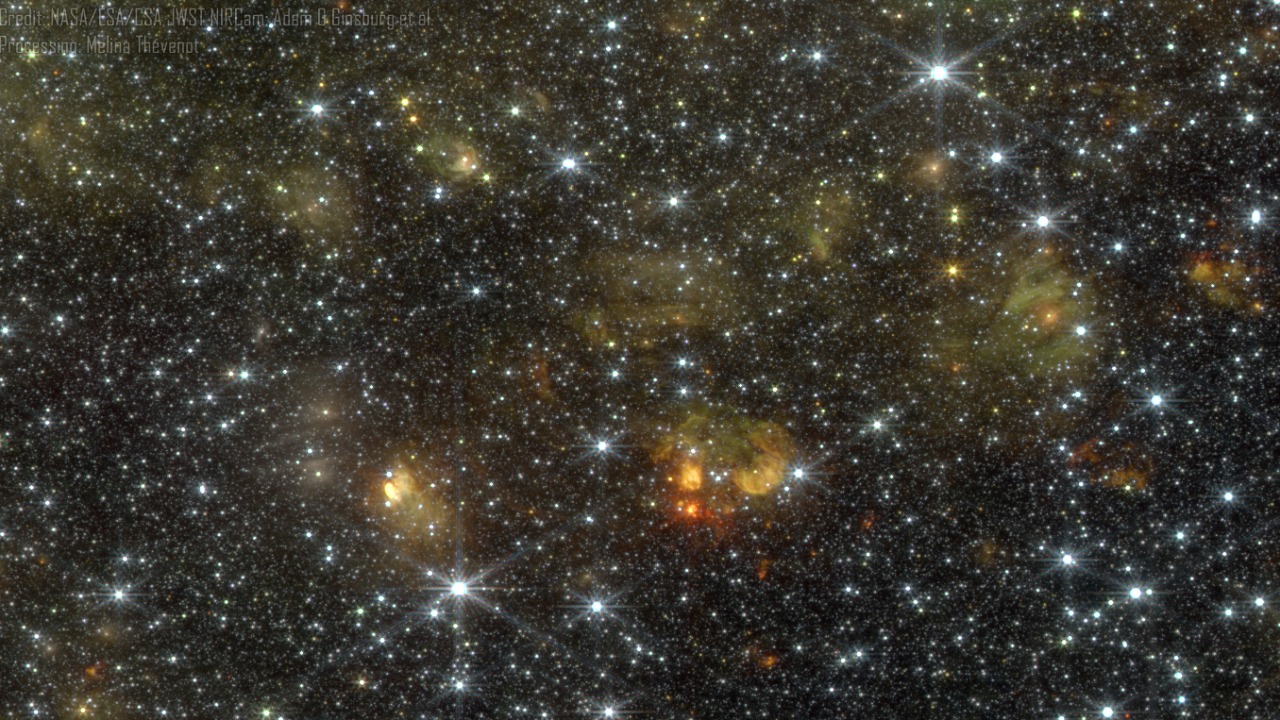
Recent findings from the James Webb Space Telescope have provided new insights into the structure and composition of Sagittarius B2. The telescope’s observations have revealed intricate details about the cloud’s internal dynamics, including the distribution of gas and dust. These discoveries are crucial for understanding the processes that govern star formation and the evolution of stellar systems. By studying Sagittarius B2, scientists can gain a deeper understanding of the conditions that lead to the birth of stars and the formation of galaxies [Live Science].
The implications of these discoveries extend beyond the study of Sagittarius B2. Understanding the mechanisms of star formation has far-reaching consequences for our knowledge of the universe. It sheds light on the origins of stars, planets, and potentially life itself. The insights gained from the JWST’s observations of Sagittarius B2 will inform future astronomical research and guide the development of new theories about the formation and evolution of cosmic structures [NASA].
The JWST’s observations have also highlighted the role of magnetic fields in star formation. These fields can influence the movement of gas and dust within star-forming regions, affecting the rate and efficiency of star formation. Understanding the interplay between magnetic fields and star formation processes is crucial for developing comprehensive models of stellar evolution. This knowledge could lead to new insights into how stars of different sizes and masses form and evolve over time.
Additionally, the discoveries made by the JWST have implications for our understanding of the interstellar medium, the matter that exists in the space between stars. By studying the composition and behavior of this medium, scientists can gain insights into the processes that recycle material within galaxies, contributing to the ongoing cycle of star birth and death. This research is vital for understanding the long-term evolution of galaxies and the universe as a whole.
Future Exploration and Research
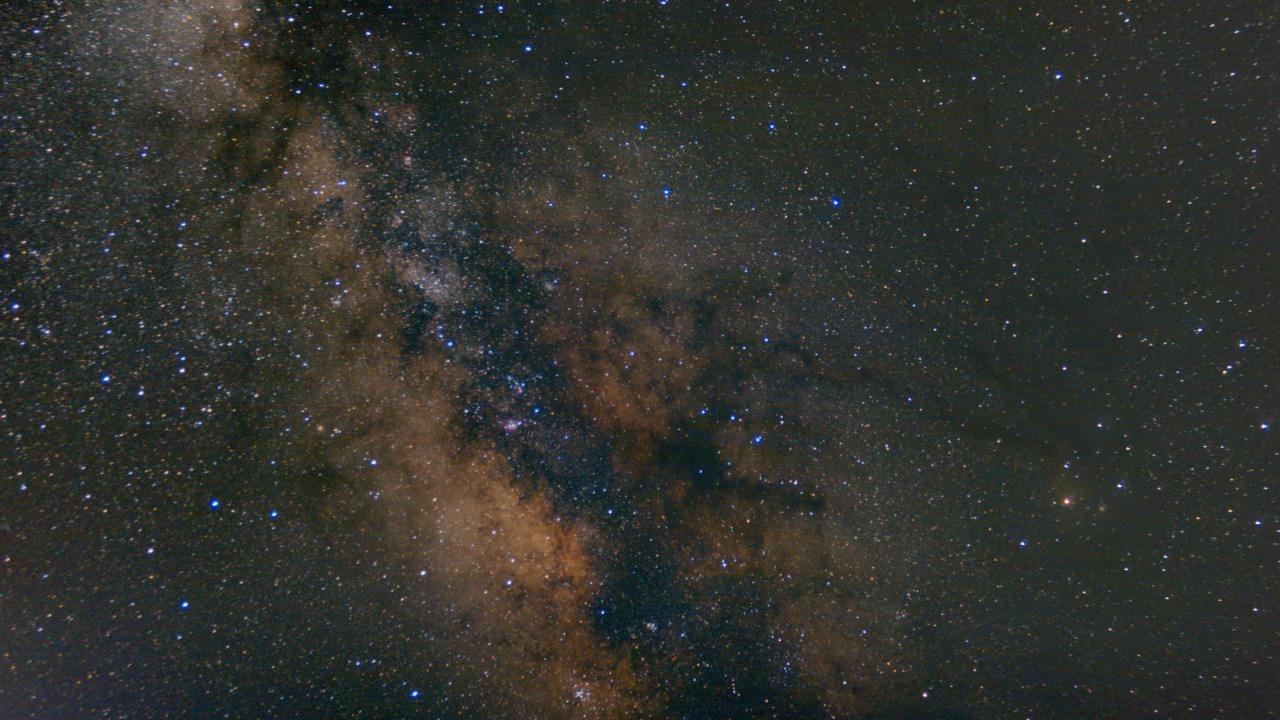
The exploration of Sagittarius B2 is far from complete. Ongoing and future missions are planned to further investigate this and similar star-forming regions. These missions aim to build on the discoveries made by the James Webb Space Telescope and continue to unravel the mysteries of star formation. International collaboration will play a vital role in these efforts, as scientists from around the world work together to study cosmic dust and the processes that lead to the birth of stars [Live Science].
The technological advancements inspired by the JWST’s findings are also expected to drive future research. As scientists develop new instruments and techniques to study the universe, they will continue to push the boundaries of our understanding. The insights gained from the JWST’s observations of Sagittarius B2 will serve as a foundation for future explorations, paving the way for new discoveries and a deeper understanding of the cosmos [Inkl].
