At the fascinating intersection of technology and the subconscious, novel wearable devices are emerging that promise to guide users into the tantalizing realm of lucid dreaming. Let’s delve into this fascinating concept, exploring the science, the technology, and the potential benefits and risks of inducing lucid dreaming through these innovative wearables.
Understanding Lucid Dreaming

Lucid dreaming is a unique state of sleep where the dreamer is aware that they’re dreaming, often giving them the ability to control and manipulate their dream environment. This phenomenon has been studied extensively, with research showing that it can have several benefits, such as reducing anxiety, improving problem-solving skills, and enhancing creativity. However, lucid dreaming can also have potential risks, including sleep disruption and experiences of sleep paralysis. More comprehensive information about lucid dreaming can be found here.
Despite these potential drawbacks, the allure of conscious control over one’s dreams has led to a growing interest in lucid dreaming. Consequently, various methods and techniques to induce lucid dreaming have been developed over the years. The most recent addition to these methods is the use of wearable technology.
How Wearables Work to Induce Lucid Dreaming
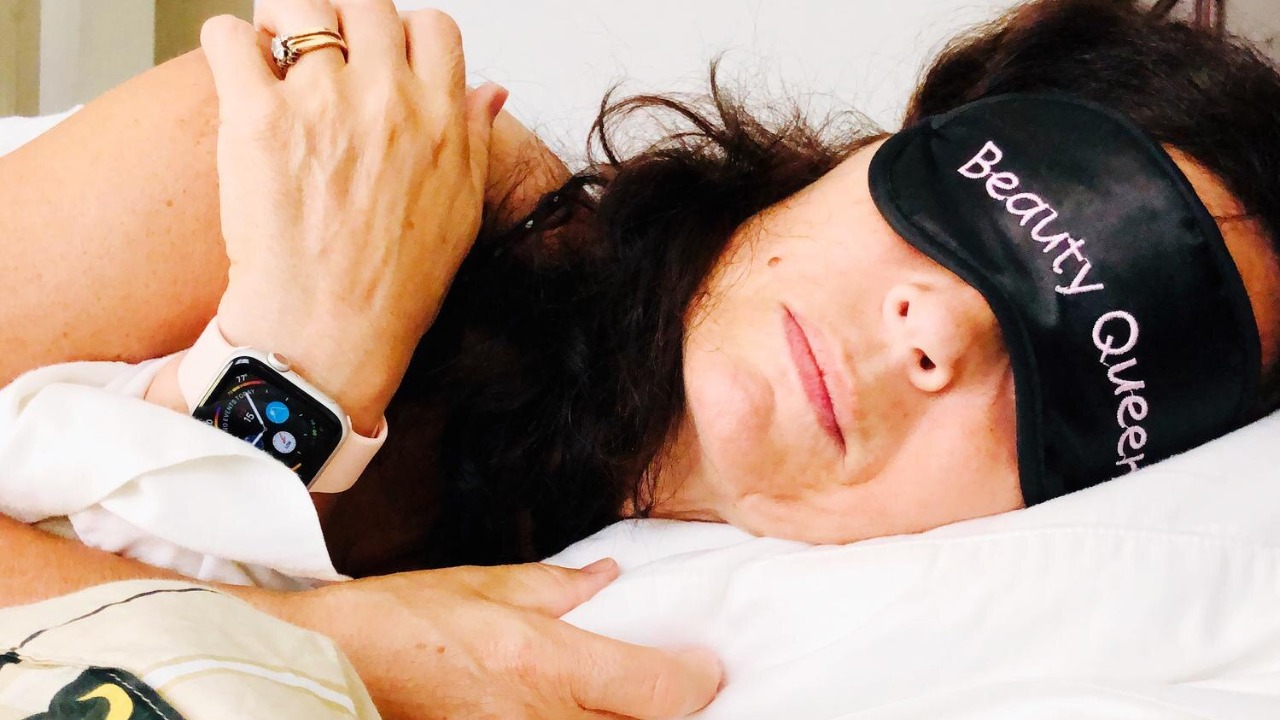
Wearable devices for lucid dreaming primarily rely on sensory cues to bring about awareness within dreams. These cues, which can be auditory, visual, or tactile, are designed to penetrate the dream state without waking the sleeper. When these cues are recognized within the dream, they can trigger lucidity. The technology behind these wearables is still evolving, but it primarily involves advanced sensors that monitor sleep stages and sophisticated algorithms that determine the optimal time to deliver the cues.
However, the effectiveness of these devices is still a topic of debate. While some scientific studies and user reviews suggest that these devices can increase the likelihood of lucid dreaming, others argue that the effectiveness is largely dependent on individual factors, such as the user’s familiarity with lucid dreaming techniques and their overall sleep health. A detailed discussion on the effectiveness of these devices can be found here.
Examples of Lucid Dreaming Wearables
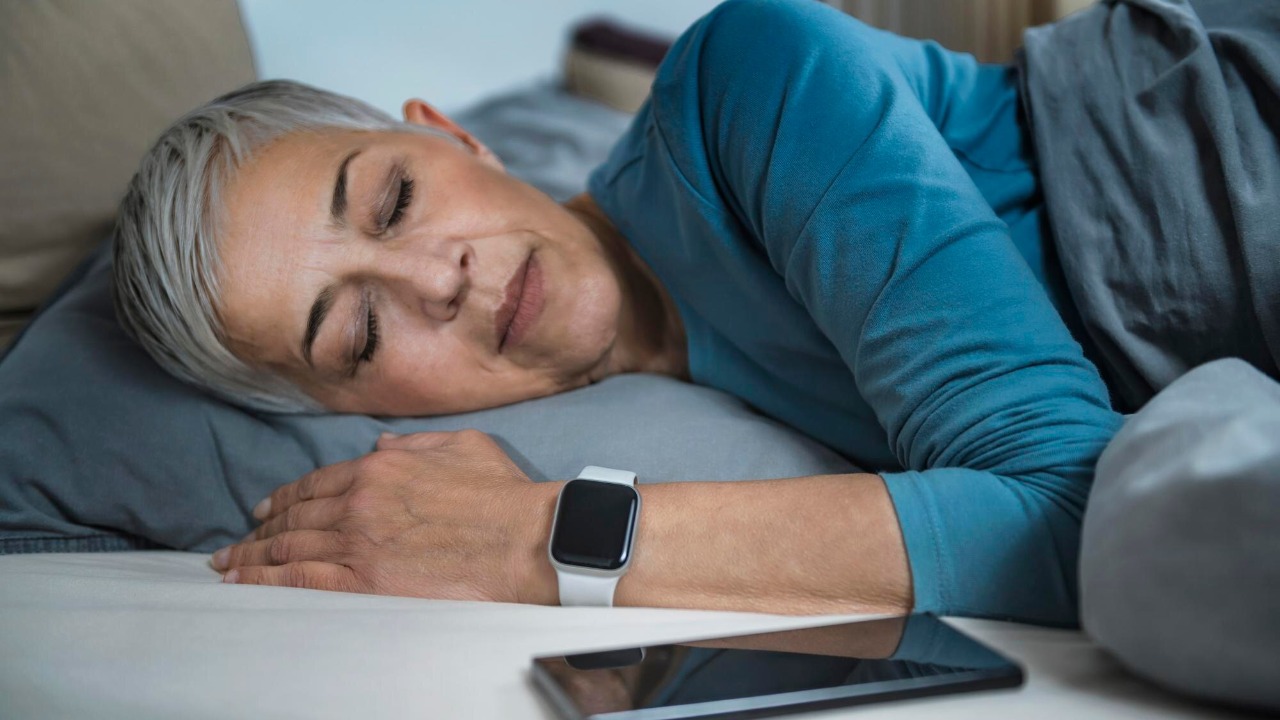
Among the wearable devices that have emerged to facilitate lucid dreaming, the Dormio Glove stands out. This device employs a sophisticated algorithm that monitors sleep stages and delivers tactile cues at the optimal time to induce lucidity. You can read more about this fascinating device here.
User experiences and testimonials about these devices vary widely. Some users report a significant increase in lucid dreams, while others see little or no effect. It’s worth noting that such experiences are subjective and may depend on numerous factors, including the user’s sleep patterns, their mental readiness for lucid dreaming, and their skill in recognizing and responding to the sensory cues provided by the device. Real-world user experiences can be found on this Reddit thread.
Scientists’ Perspective on Wearable Devices for Lucid Dreaming
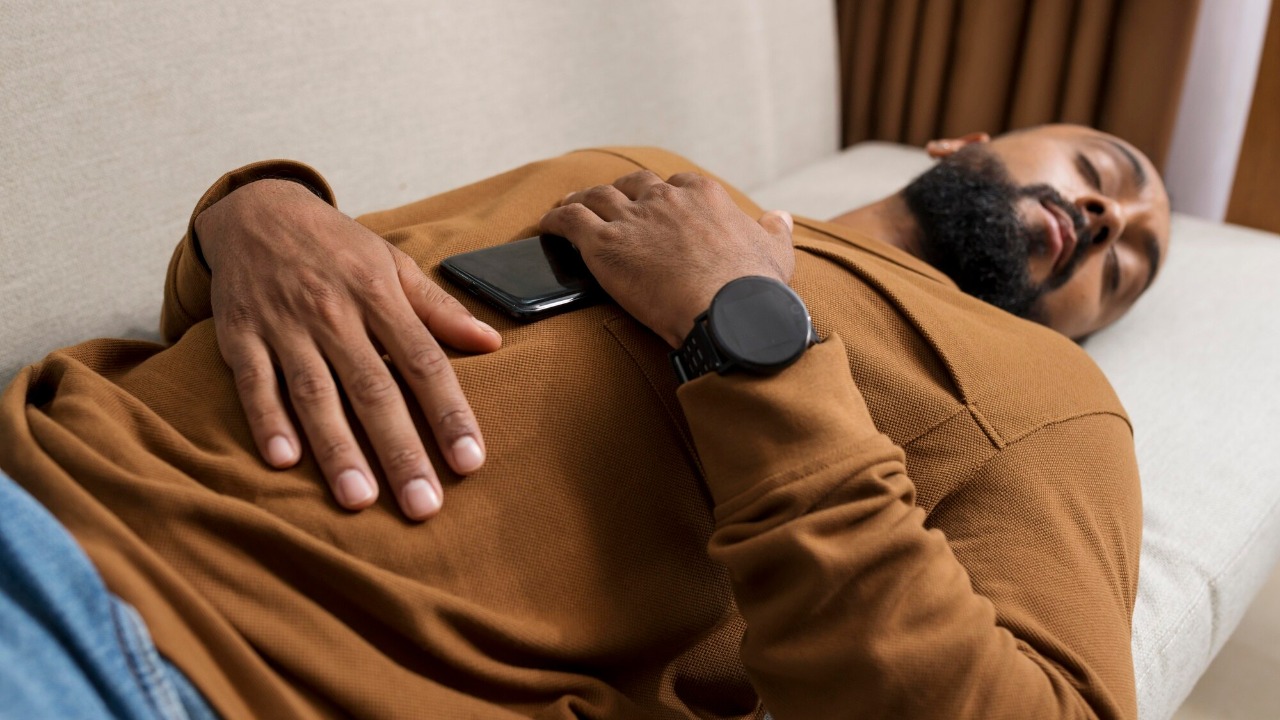
Scientific opinions on the efficacy of wearable devices for inducing lucid dreams are mixed. While some researchers acknowledge the potential of these devices, others express skepticism, pointing to the need for more rigorous scientific evaluation. This skepticism stems from the fact that lucid dreaming is still not fully understood, and the effectiveness of sensory cues in triggering lucidity varies greatly among individuals.
Ongoing research in this field is exploring ways to optimize the timing and type of sensory cues, as well as the integration of cognitive techniques with wearable technology. These developments hold promise for the future of lucid dreaming wearables, but they also underscore the need for users to approach these devices with a realistic understanding of their potential and limitations.
How to Maximise the Use of Wearables for Lucid Dreaming

To maximize the effectiveness of wearables for lucid dreaming, users should first familiarize themselves with lucid dreaming techniques. This can include keeping a dream journal, practicing reality checks, and learning to recognize dream signs. Combining these techniques with the use of a wearable device can increase the chances of achieving lucidity.
Common mistakes to avoid when using these devices include expecting instant results and neglecting good sleep hygiene. Like any skill, lucid dreaming often requires practice and patience. Furthermore, maintaining a regular sleep schedule, ensuring a conducive sleep environment, and managing stress can enhance the overall sleep quality, thus increasing the likelihood of lucid dreams.
The Future of Lucid Dreaming Wearables

The field of lucid dreaming wearables is still in its infancy, but the current trends suggest a promising future. As technology advances and our understanding of sleep and dreaming deepens, these devices are likely to become more sophisticated and effective.
Nevertheless, potential ethical and safety concerns need to be addressed. For instance, there’s a need for clear guidelines on the safe use of these devices to avoid sleep disruption and other potential risks. Moreover, the accessibility and misuse of such powerful tools to manipulate our subconscious raise ethical questions that need careful consideration.
In conclusion, while wearable technology offers an exciting new avenue to explore and manipulate the subconscious, it’s important to approach it with a balanced perspective. The potential of these devices to induce lucid dreams is intriguing, but it’s equally essential to understand their limitations and use them responsibly.
