Wearable technology has seamlessly integrated into our everyday lives, offering convenience and critical health insights. Recent advancements in artificial intelligence (AI) have equipped these devices to detect early signs of heart failure by recognizing subtle patterns in physiological data. This innovative use of AI is not only transforming how we monitor heart health but also has significant implications for early intervention and patient care.
The Rise of Wearable Technology in Healthcare

The evolution of wearable technology has been remarkable, transitioning from simple fitness trackers to sophisticated health diagnostics tools. Initially, wearables were designed to monitor basic physical activities like steps taken or calories burned. However, over the years, they have evolved to encompass more comprehensive health monitoring capabilities, including heart rate, sleep patterns, and even blood oxygen levels. Devices like the Apple Watch and Fitbit have become household names, demonstrating how wearables have expanded beyond fitness to include vital sign monitoring.
The market growth for wearables has been substantial, driven by technological advancements and a growing consumer awareness of personal health. According to industry reports, the global wearables market reached a valuation of $116 billion in 2023, with projections indicating continuous growth. Factors such as increased health consciousness, the integration of AI in wearables, and the pandemic-induced focus on personal health have significantly boosted adoption rates. Consumers are increasingly turning to these devices for real-time health insights, making them an essential part of modern healthcare.
AI Pattern Recognition: The Game Changer
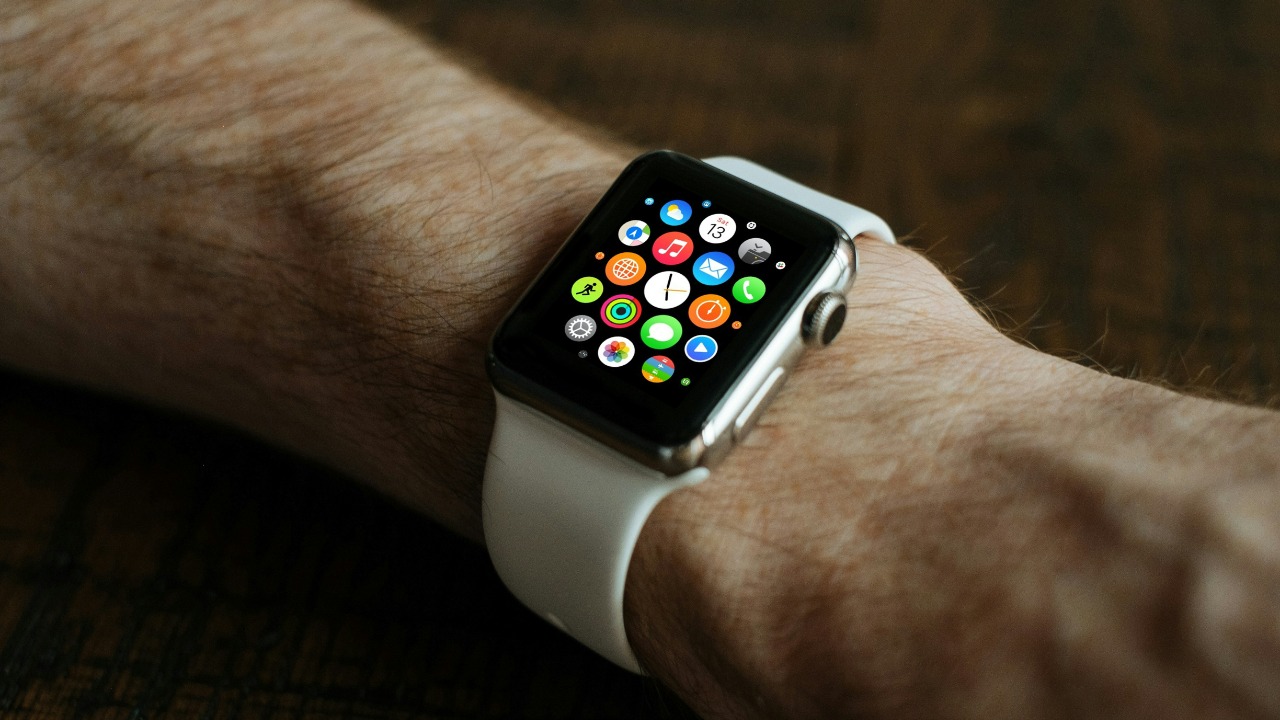
AI has become a pivotal force in the way wearables analyze data. With the capacity to process vast amounts of data, machine learning algorithms can detect patterns and anomalies that may indicate early signs of heart failure. These algorithms analyze data such as heart rate variability, physical activity levels, and sleep patterns to identify potential health risks. The ability of AI to provide predictive insights is revolutionizing how we approach heart health.
Several case studies and clinical trials have demonstrated the effectiveness of AI in predicting heart failure. For instance, a study conducted by Stanford University showed that AI algorithms could predict heart failure up to nine days before a clinical diagnosis. These trials highlight the potential of AI to improve diagnosis accuracy and enhance patient outcomes, offering a promising avenue for healthcare advancements.
Early Detection of Heart Failure
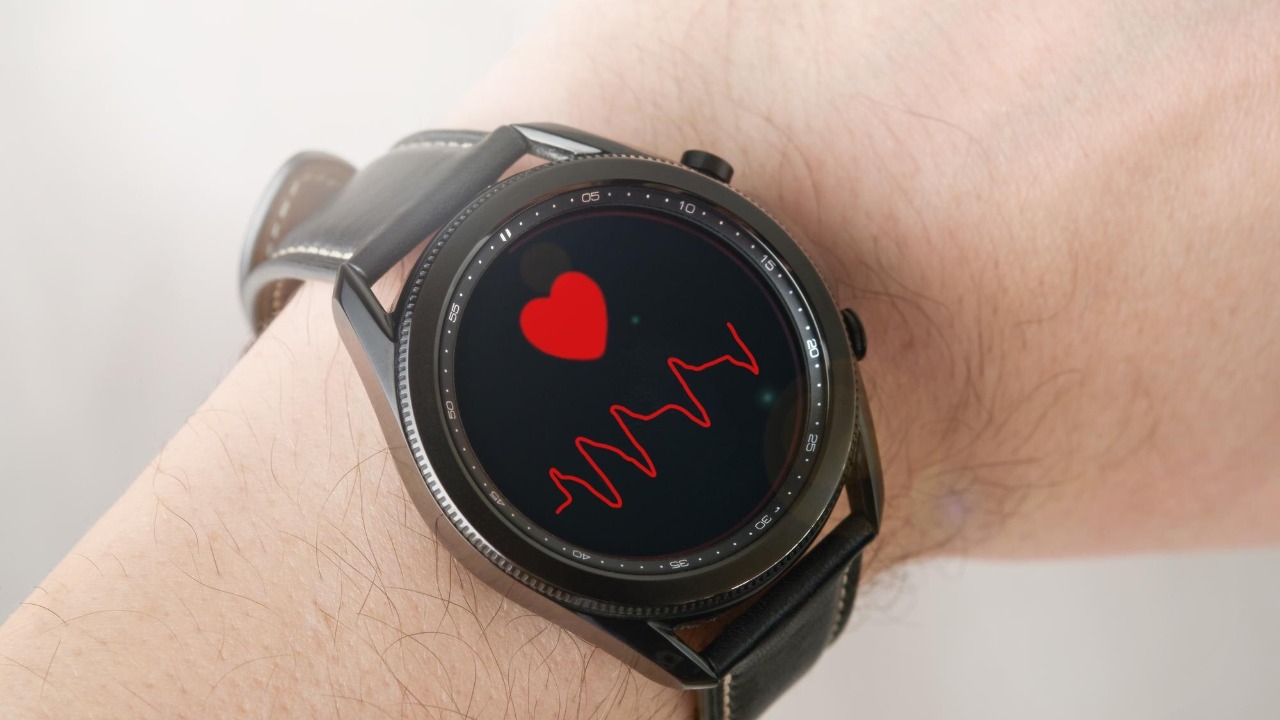
Early detection of heart failure is crucial, as it allows for timely intervention, which can significantly improve prognosis and reduce healthcare costs. Heart failure, a condition characterized by the heart’s inability to pump sufficient blood to meet the body’s needs, is a leading cause of hospitalization and mortality. Traditional diagnostic methods often detect heart failure at later stages, making early intervention challenging.
Wearable technology, powered by AI, offers a solution by enabling early detection through continuous monitoring. Several success stories have emerged, showcasing how individuals have benefited from early detection. For example, a patient in New York reported that their wearable device detected irregular heart activity, prompting them to seek medical attention and receive timely treatment. Patient testimonials emphasize how early intervention through wearables can change health trajectories, offering hope and improved quality of life.
Challenges and Limitations
Despite the promising potential of AI-powered wearables, several challenges and limitations exist. One major concern is the accuracy and reliability of data collected by these devices. Ensuring consistent and precise readings is critical for effective health monitoring. Additionally, privacy issues are a significant concern, as wearables collect sensitive health information that must be safeguarded to protect users’ confidentiality.
Accessibility and cost barriers also pose challenges to the widespread adoption of wearables. While these devices offer valuable health insights, their affordability can be a barrier for diverse populations. Addressing economic disparities is essential to ensure that the benefits of wearables are accessible to underserved communities. Strategies such as subsidies, insurance coverage, and community health initiatives can help bridge the gap and make technology more inclusive.
Future Prospects and Innovations
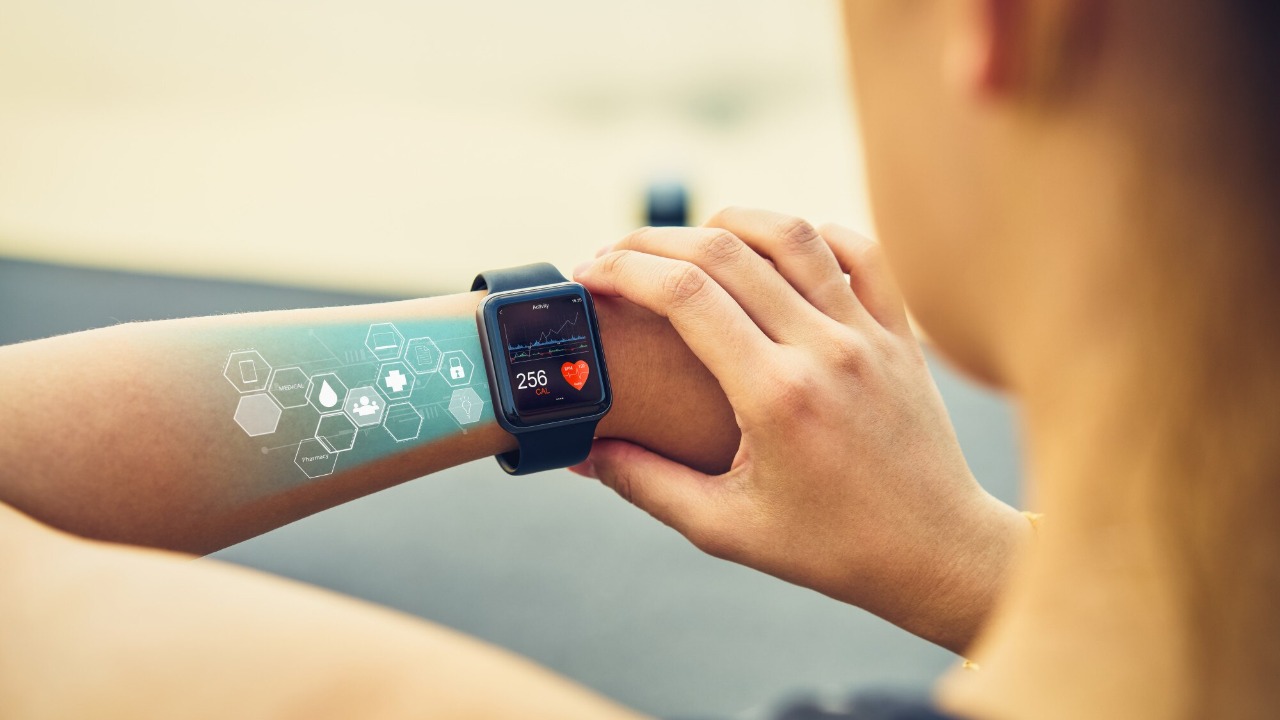
The future of wearables looks promising, with emerging technologies and enhancements on the horizon. Next-generation wearables are expected to feature more advanced sensors, improved battery life, and enhanced AI capabilities. These innovations will enable more comprehensive health monitoring and provide users with deeper insights into their well-being. The integration of wearables with other health platforms, such as telemedicine and electronic health records, will create a holistic health monitoring ecosystem.
Regulatory frameworks will play a crucial role in ensuring the safety and efficacy of wearable health devices. As the industry grows, clear guidelines will be necessary to balance innovation with consumer protection. Encouraging innovation while maintaining rigorous standards is essential for the continued development of wearable technology. Policymakers must work collaboratively with industry stakeholders to create an environment that supports technological advancement while safeguarding public health.
AI-powered wearables are poised to transform heart health monitoring by enabling early detection of heart failure. While challenges remain, the potential benefits for early intervention and patient care are significant. As technology continues to evolve, wearables will play an increasingly vital role in personalized healthcare, offering individuals the tools they need to take control of their health.
