Innovative advancements in technology have sparked a new era in cancer detection, with wearable patches that can identify signs of cancer in sweat leading the way. This groundbreaking technology brings together the science of biomarker detection with advanced sensor technology, offering a non-invasive and convenient method for early cancer detection.
The Science Behind Sweat-Based Cancer Detection
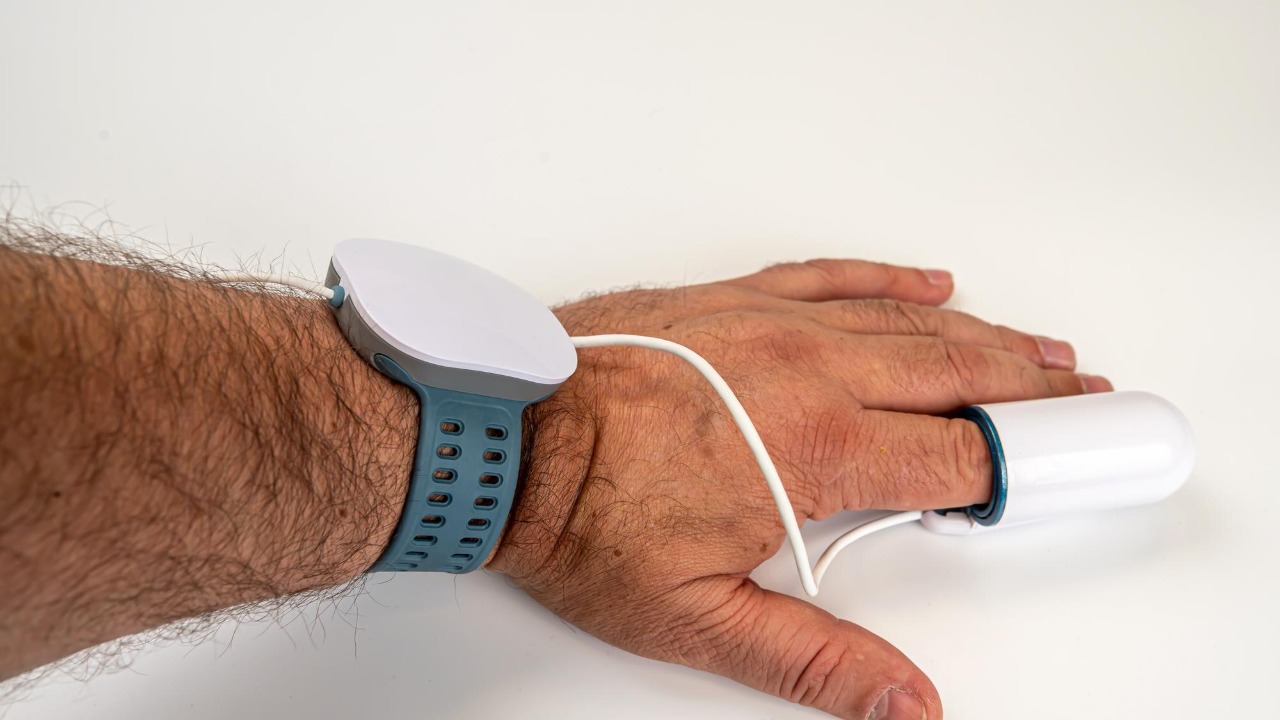
At the heart of sweat-based cancer detection is the science of biomarkers. These are biological molecules found in blood, urine, and other body fluids, which can indicate the presence of cancer. It’s been discovered that sweat, too, carries these cancer-related biomarkers, providing a new medium for early cancer detection. A study published in ScienceDirect has revealed the presence of specific protein markers in sweat that can signal various types of cancer.
This cutting-edge approach is backed by various scientific studies, confirming sweat’s potential as a diagnostic tool. A study by Science.org found that sweat contains a plethora of information about the body’s internal state, making it an ideal candidate for non-invasive health monitoring.
The Technology of Wearable Patches
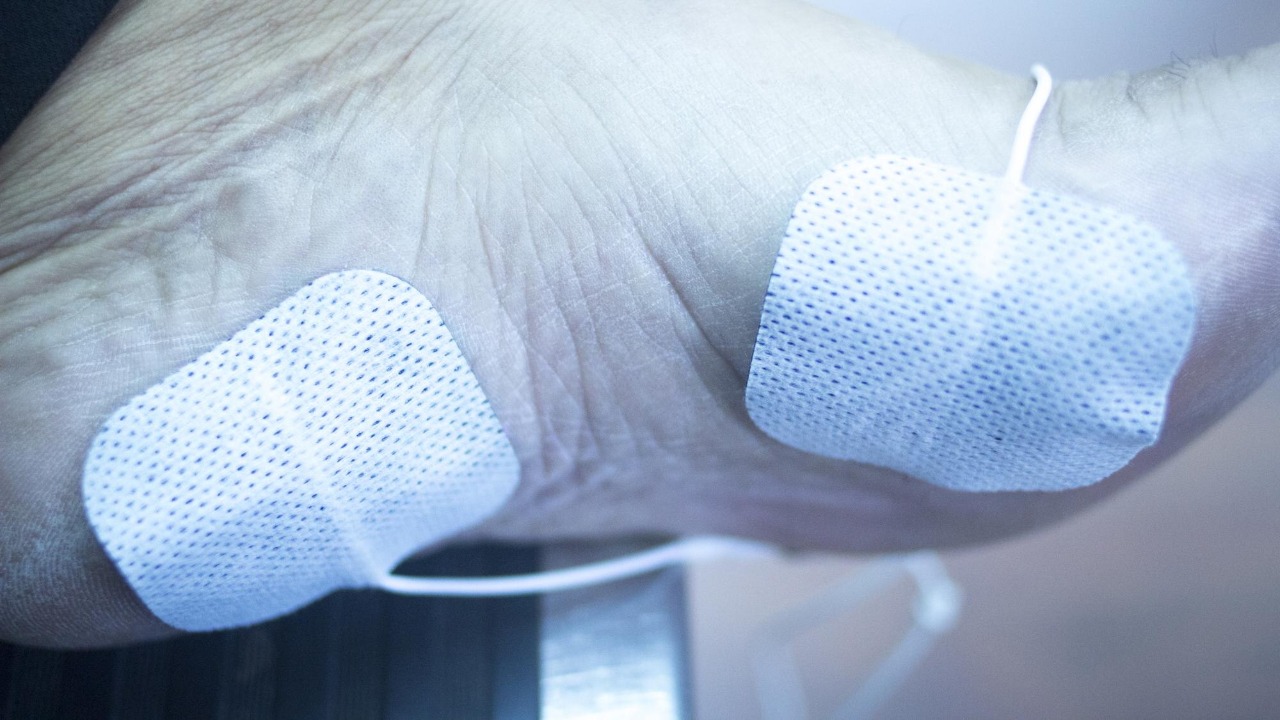
Wearable patches are central to this new detection method. These patches, equipped with advanced sensors, can detect and quantify biomarkers in sweat. The sensor technology embedded in the patch is responsible for detecting biomarkers, and the data gathered is then processed and interpreted to provide health insights.
A paper published in ACS Applied Nano Materials highlights the design of such patches. They are typically constructed with a combination of flexible, skin-friendly materials and nano-engineered sensors that can detect minute concentrations of biomarkers.
Advantages of Sweat-Based Cancer Detection

The potential advantages of sweat-based cancer detection are immense. One of the most significant benefits is the non-invasive nature of this technology. Traditional cancer detection methods often involve invasive procedures such as biopsies and blood tests, but a simple patch on the skin can make the detection process much more comfortable and less intimidating.
Aside from being non-invasive, wearable patches also offer the advantage of convenience. They can be worn anywhere, anytime, making continuous health monitoring feasible. A comparison with traditional cancer detection methods by the American Cancer Society highlighted this advantage, emphasizing the potential for early detection and timely intervention.
Current Applications and Clinical Trials

The application of wearable patches for sweat-based cancer detection is already taking shape in the medical field. The patches are currently being used in clinical trials to test their efficacy and reliability. The results from these trials are promising, suggesting a high degree of accuracy in detecting cancer-related biomarkers.
For instance, a study published in Advanced Functional Materials reported successful detection of cancer biomarkers in sweat during a clinical trial. However, while these results are encouraging, more research is needed to validate the technology’s reliability and accuracy fully.
Future Implications and Potential Challenges

The future of wearable patches in cancer detection and management looks promising. As the technology matures, it could revolutionize how we approach cancer detection and monitoring. However, several challenges need to be addressed before this technology can be widely implemented.
Among these challenges are the need for further improvements in sensor technology to increase detection accuracy and the need for large-scale clinical trials to confirm the technology’s reliability. Despite these challenges, the potential benefits of sweat-based cancer detection cannot be overstated. As we continue to improve and refine this technology, we are taking significant strides towards a future where early and non-invasive cancer detection is the norm.
