Wearable health tags are revolutionizing the field of medicine by allowing for constant health monitoring and prognostic capabilities. This technological advancement, especially in its potential to predict heart attacks, could save numerous lives.
The Emergence of Wearable Health Tags
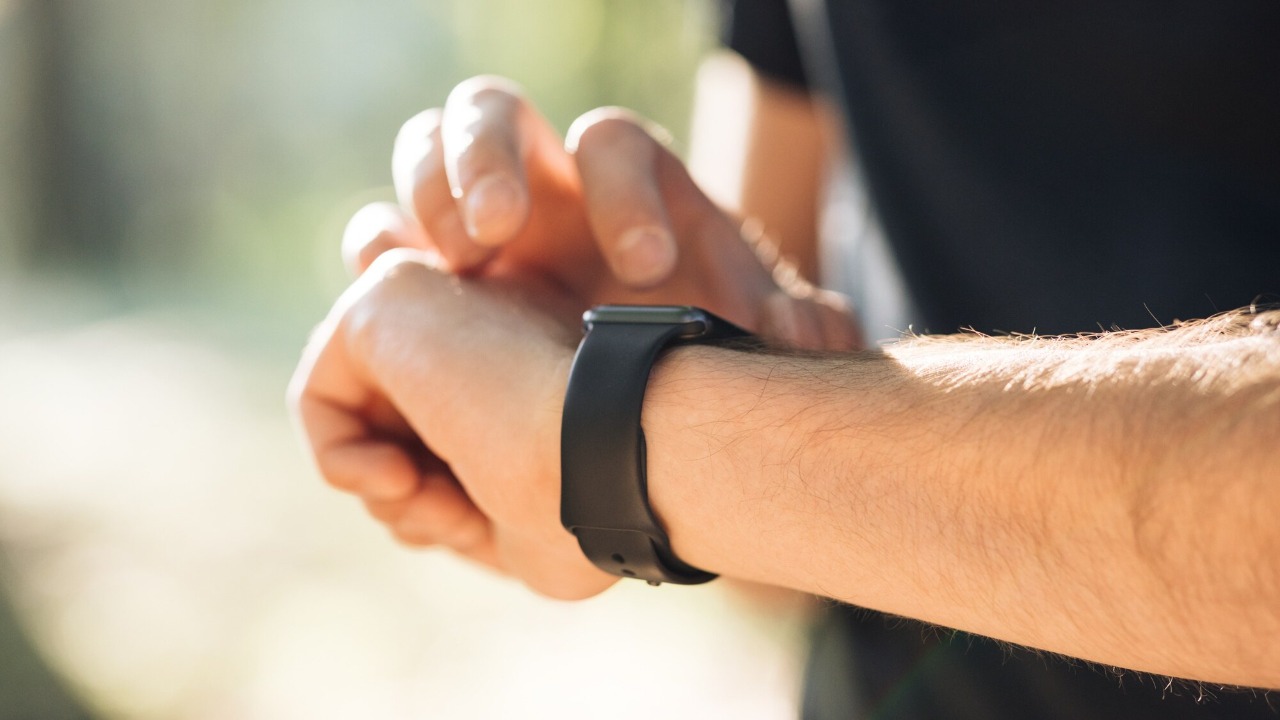
As the digital revolution continues to impact various sectors, healthcare is not left behind. Wearable health tags are increasingly becoming an integral part of the digital health movement. These devices have evolved from basic fitness trackers that monitor heart rate and sleep patterns to sophisticated tools capable of predicting heart attacks.
The progression of these wearable devices mirrors the technological advancements in healthcare. Initially, fitness trackers were viewed as wellness tools, useful for monitoring physical activity and promoting a healthy lifestyle. However, their potential to contribute to significant health outcomes soon became apparent. Now, with advanced sensors and AI algorithms, health tags can monitor critical health parameters and predict severe events like heart attacks before they occur.
How Wearable Health Tags Work
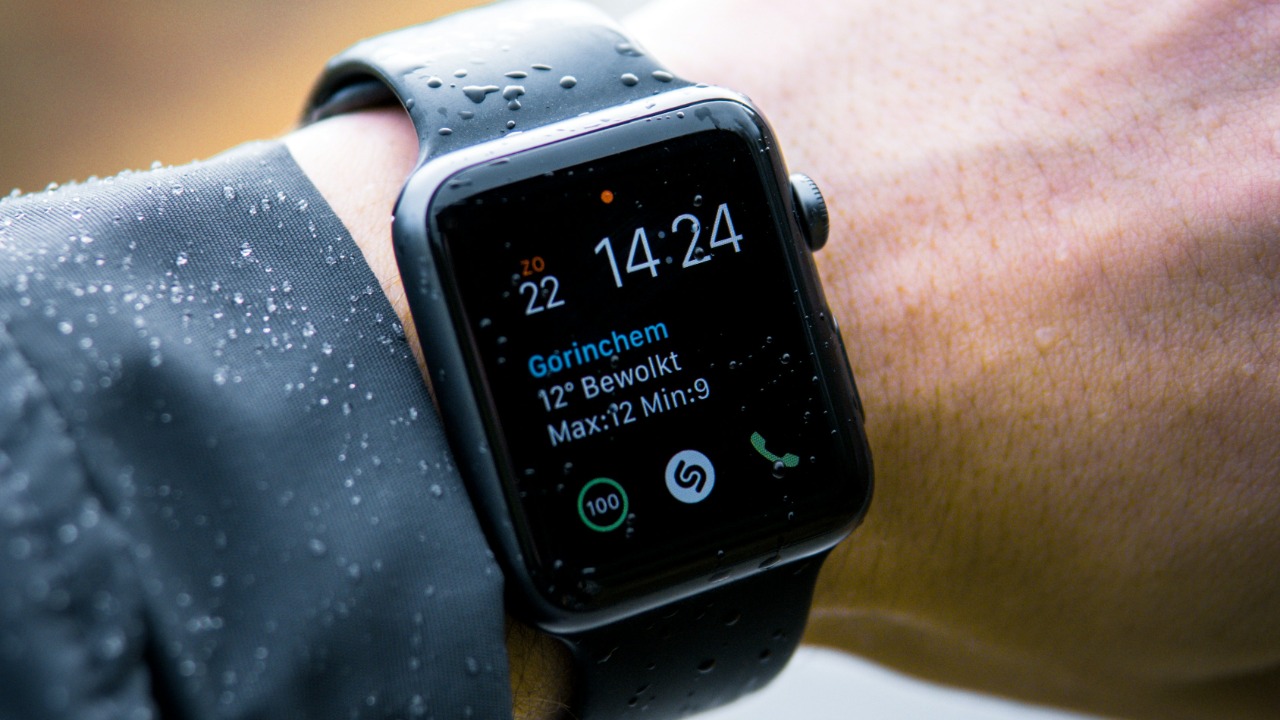
The functionality of wearable health tags hinges on advanced sensors and algorithms. These sensors continuously monitor physiological parameters such as heart rate, blood pressure, and oxygen saturation levels. Data from these sensors is then processed by complex algorithms, which can predict a potential heart attack based on identified patterns and trends.
Artificial intelligence plays a significant role in health monitoring. AI can sift through extensive data, identify patterns, and make accurate predictions that may be challenging for humans. For instance, the study outlined in this book discusses the role of AI in predicting heart attacks using wearable health tags.
The Accuracy and Reliability of Wearable Health Tags
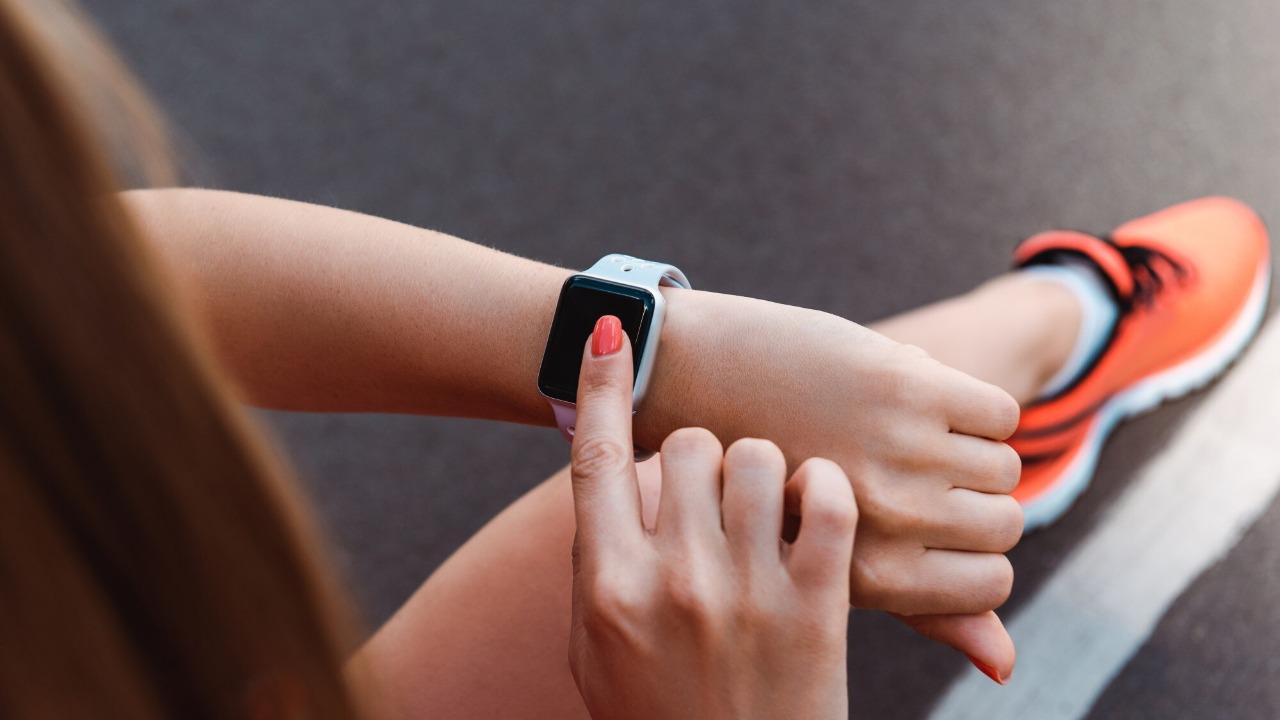
While the concept of using wearable health tags to predict heart attacks is promising, it’s crucial to assess their accuracy and reliability. Several studies have been undertaken to test these devices’ effectiveness. For instance, the clinical trial registered under NCT04550052 examines the reliability of heart attack prediction using wearable health tags.
Although promising, these devices also present challenges and limitations. False positives, where a device incorrectly identifies a heart attack risk, can cause unnecessary anxiety and medical interventions. User compliance, ensuring that individuals wear and correctly use the health tags, is another potential issue. Understanding and mitigating these challenges is crucial to maximize the benefits of this technology.
Real-World Applications and Clinical Trials
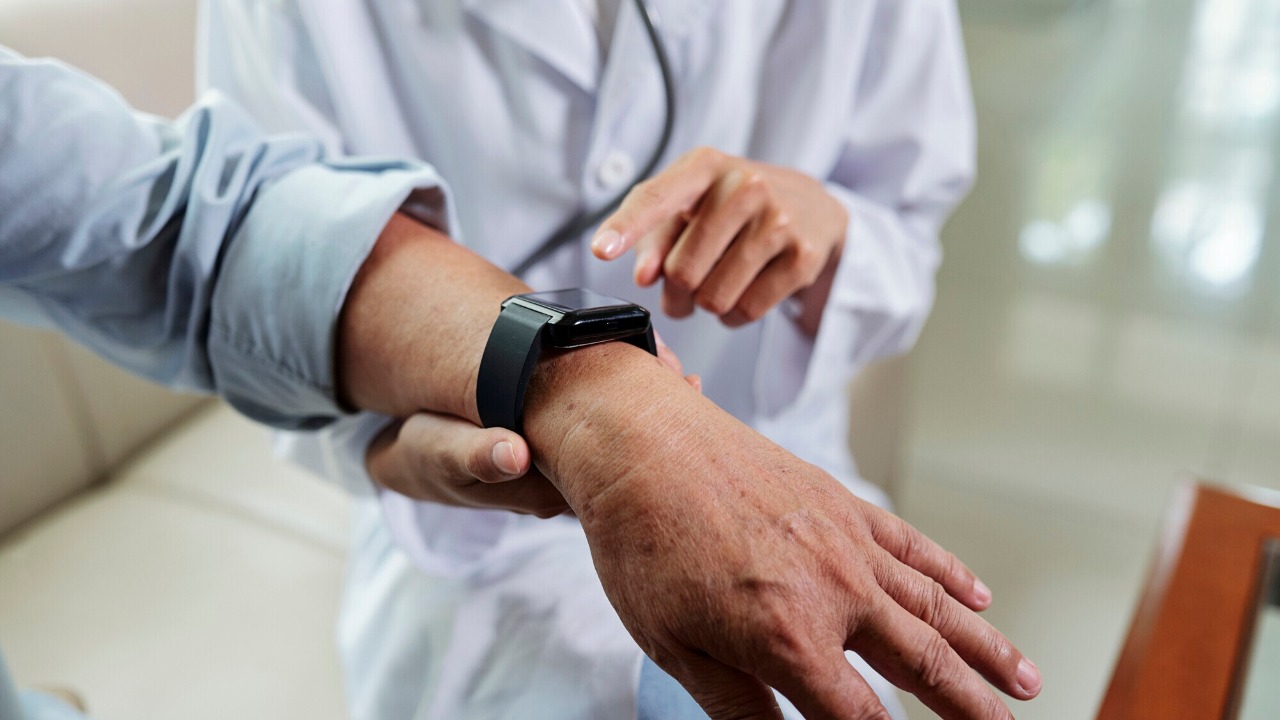
The potential of wearable health tags extends beyond theoretical discussions. There are already instances where these devices have successfully predicted heart attacks, enabling early intervention and potentially saving lives. For example, the high-tech underwear presented in this blog post is one such device that tracks vital signs and can predict heart attacks.
Moreover, several ongoing clinical trials are testing the effectiveness of wearable health tags in heart attack prediction. These trials are crucial for establishing the reliability of these devices in real-world settings and for gaining regulatory approval to become part of standard healthcare practice.
The Future of Wearable Health Tags
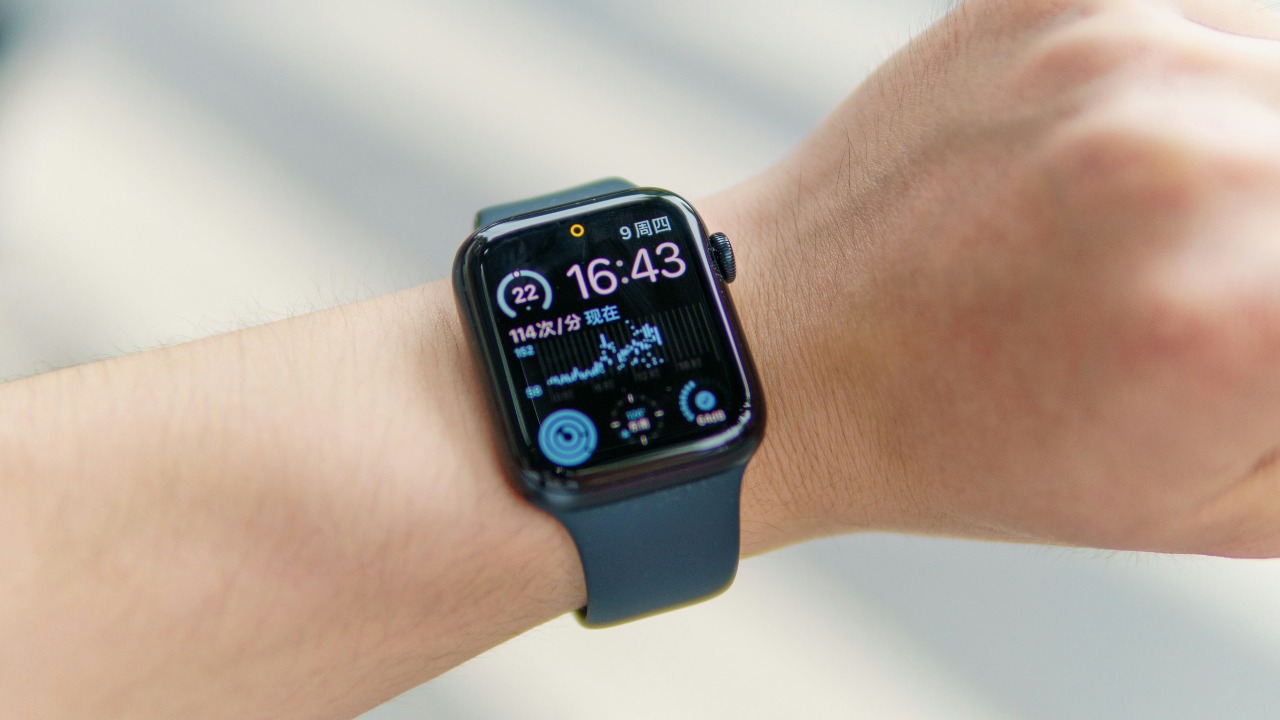
Looking ahead, wearable health tags are expected to undergo further advancements that could enhance their predictive capabilities. More refined sensors, improved AI algorithms, and integration with other health technologies are some potential developments.
Furthermore, these devices have the potential to transform healthcare delivery and patient self-management. By providing real-time health data, they enable remote patient monitoring and prompt medical intervention. They also empower individuals to take control of their health, promoting proactive rather than reactive healthcare.
The Impact on Society

The societal implications of wearable health tags are substantial. By enabling early prediction of heart attacks, these devices have the potential to save many lives. An analysis on i-jmr.org estimates the number of lives that could be saved with this technology.
However, the use of wearable health monitoring devices also raises privacy concerns and ethical dilemmas. With health data becoming increasingly digitized, ensuring data security and privacy is paramount. Balancing the benefits of these devices with ethical considerations will be a critical challenge as we move forward.
