
With the rapid evolution of wearable technology, exosuits are proving to be game-changers in enhancing human strength. Innovative strides in this field indicate that these wearable exosuits can amplify worker strength by a staggering 50%, marking a significant milestone in human augmentation technology.
Understanding the Concept of Wearable Exosuits
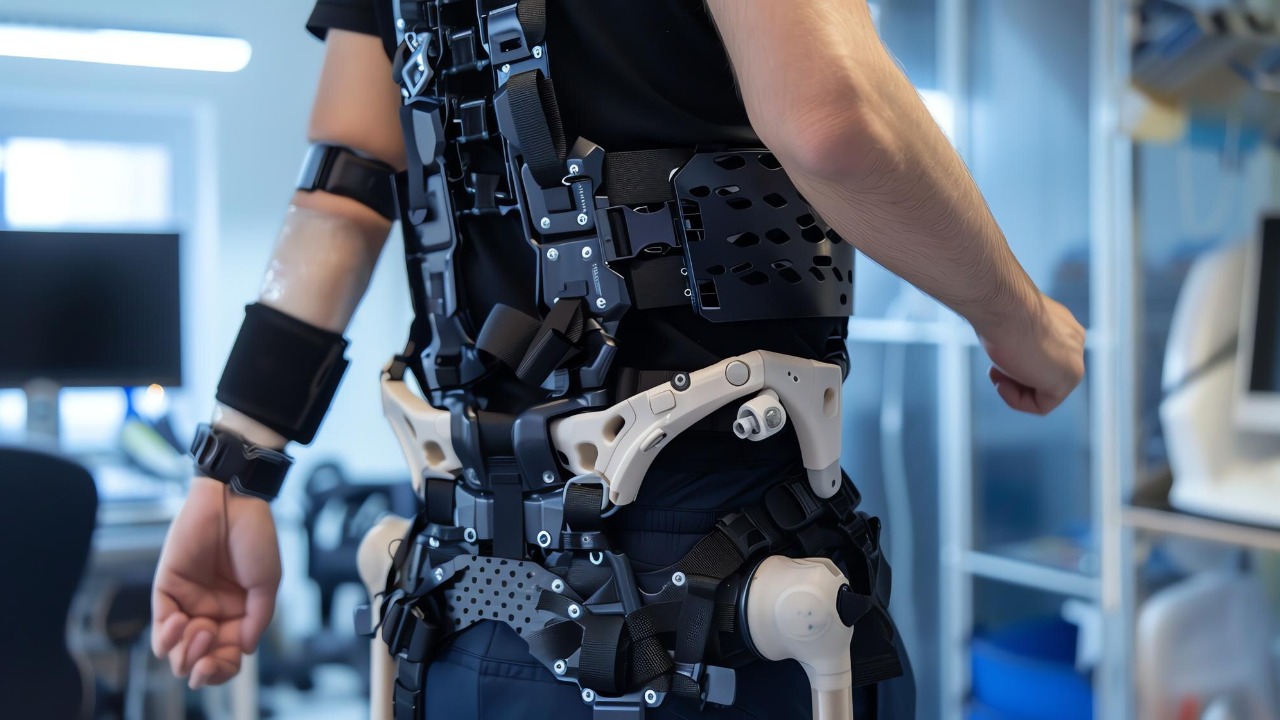
Wearable exosuits, often dubbed as the future of human strength augmentation, are body-worn devices that work in harmony with the wearer’s movements. They are designed to enhance human performance by providing additional strength, endurance, or protection. The exosuits use a combination of sensors, actuators, and power sources to mimic or enhance the movements of the human body. Different types of exosuits are available in the market, some focusing on the upper body, others on the lower body, and some offering full body support.
The concept of exosuits isn’t new. Since the early 1960s, various attempts have been made to develop wearable devices to enhance human performance. However, it’s only in recent years, with the advancement of materials, sensors, and power technology, that practical, wearable exosuits have become a reality.
Science Behind the Strength Boost
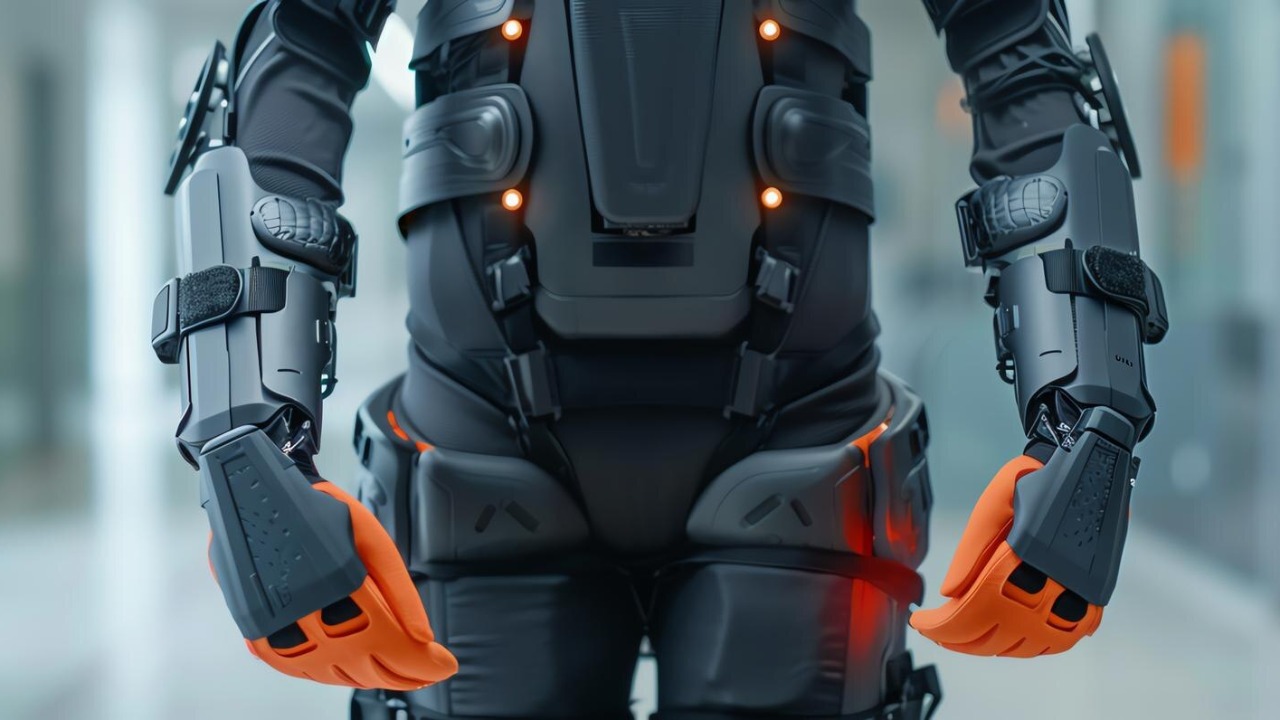
The significant strength boost offered by exosuits is largely due to the advanced technology and mechanics embedded in them. These wearable devices use a combination of sensors to detect the wearer’s movements and actuators to provide the necessary force to assist those movements. The level of assistance is often configurable, allowing the wearer to tailor the strength boost based on their needs.
One of the key roles of these exosuits is wearable modulation of musculoskeletal load. By actively assisting the muscles and joints during strenuous activities, exosuits can significantly reduce the risk of musculoskeletal disorders. A comprehensive review on the subject provides an in-depth exploration of this phenomenon.
Exosuits in the Workplace: Applications and Benefits
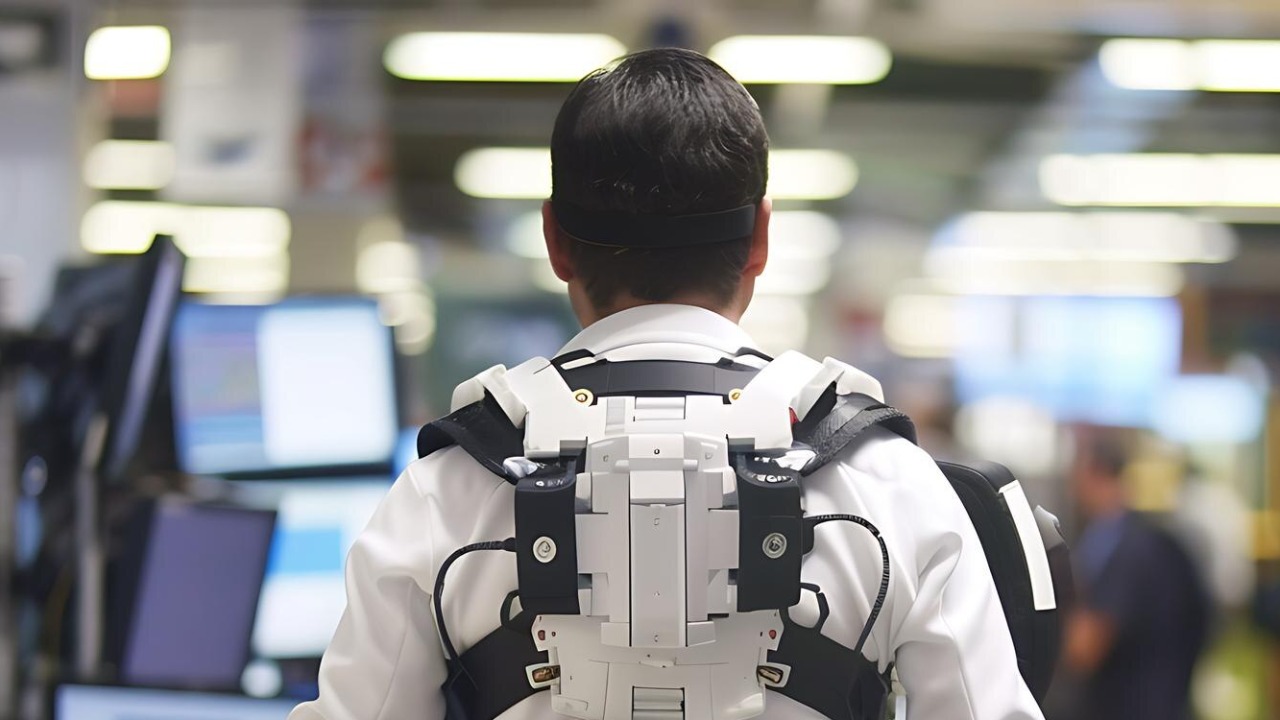
Exosuits are finding significant applications in various sectors, particularly in industries where manual labor is prevalent. From construction sites to warehouses, these devices are being utilized to enhance worker productivity and reduce the risk of injury.
One of the key benefits of using exosuits is increased productivity. By amplifying the wearer’s strength and endurance, these devices can enable workers to perform tasks more efficiently and for longer periods. Moreover, by reducing physical strain, exosuits can also contribute to improved worker health by reducing the likelihood of musculoskeletal injuries. There are numerous case studies of companies like Ford and Hyundai that have successfully implemented exosuits in their production lines, demonstrating tangible benefits.
The Future of Exosuits: Potential and Challenges
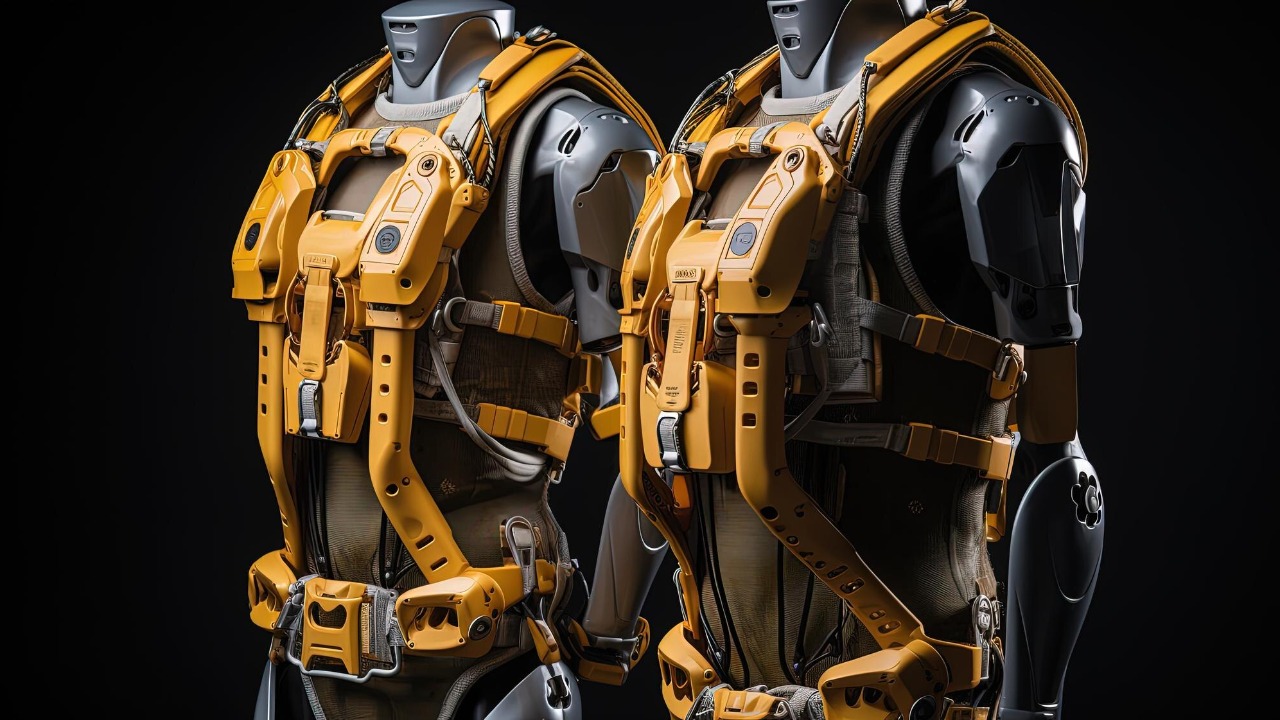
Given the rapid advancements in technology, the potential future developments in exosuit technology are boundless. With the integration of AI and machine learning, future exosuits could potentially offer even greater customization and adaptability, adjusting the level of assistance in real-time based on the wearer’s physical condition and the task at hand.
However, current exosuit technology is not without its challenges. Powering these devices for extended periods remains a significant hurdle, and the high cost of advanced exosuits can be prohibitive for many businesses. Additionally, as with any technology that can significantly alter human capabilities, there are ethical considerations to consider. The implications of widespread exosuit use are a topic of ongoing debate among experts in the field.
Personal Experiences and Testimonials
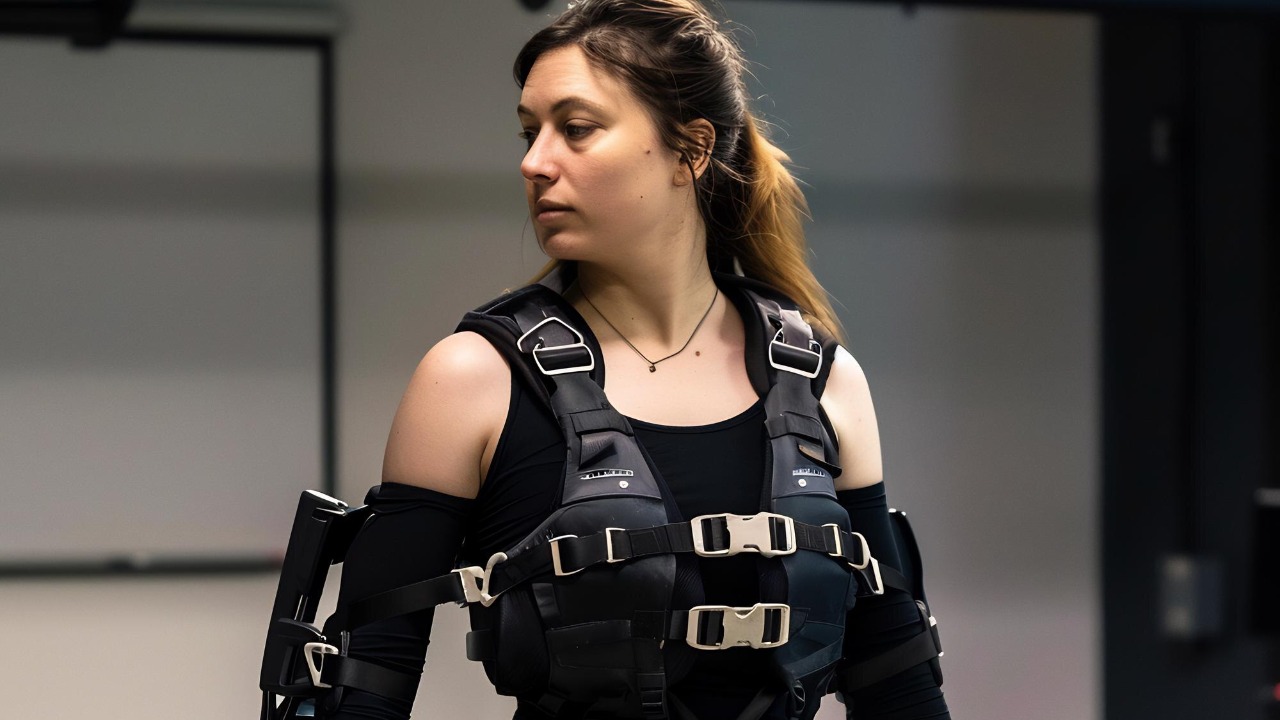
Despite the challenges, many workers who have used exosuits report positive experiences. The increased strength and endurance can lead to less fatigue and better job satisfaction, which can have a significant impact on overall workplace morale. However, it’s important to note that using an exosuit requires some adjustment, and workers often need time to adapt to moving with the device.
Experts in the field of wearable technologies and robotics also offer valuable insights into the development and use of exosuits. They emphasize the need for continued research and development, not just in terms of technology, but also in understanding the long-term physical and psychological effects of using these devices. The consensus is clear – while there’s still much to learn, the potential of exosuits is immense and holds promising prospects for the future of human augmentation.
