NASA’s Voyager 1 recently encountered and survived a staggering temperature of 50,000°C while traveling through deep space. This event, reported on September 23, 2025, has raised significant interest in the scientific community. This extreme temperature was part of a “wall” of hot plasma found at the edge of our solar system, ranging from 30,000 to 50,000 Kelvin. The discovery has provided new insights into the boundary conditions of our solar system.
The Journey of Voyager 1
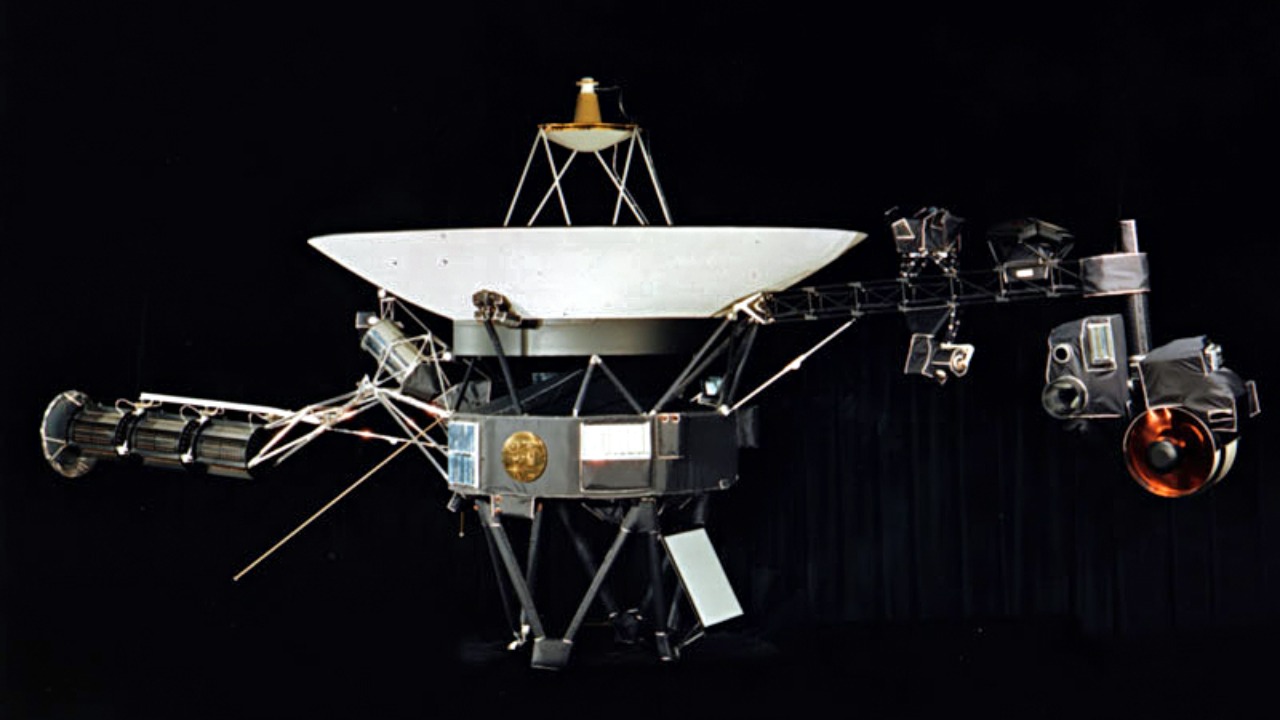
Launched by NASA in 1977, Voyager 1 has been on an extraordinary journey through space, becoming the farthest human-made object from Earth. Its mission has been to explore the outer planets and beyond, sending back invaluable data that has expanded our understanding of the solar system. Over the decades, Voyager 1 has traveled billions of miles, providing a window into the vastness of space and the phenomena that exist beyond our immediate celestial neighborhood.
Voyager 1’s recent encounter with a plasma wall at the solar system’s edge marks a significant milestone in its journey. This discovery, reported by IFLScience, highlights the spacecraft’s ongoing contributions to space exploration. The plasma wall, with temperatures ranging from 30,000 to 50,000 Kelvin, represents a boundary that separates our solar system from interstellar space, offering a glimpse into the interactions between solar and interstellar winds.
Encountering the Plasma Wall
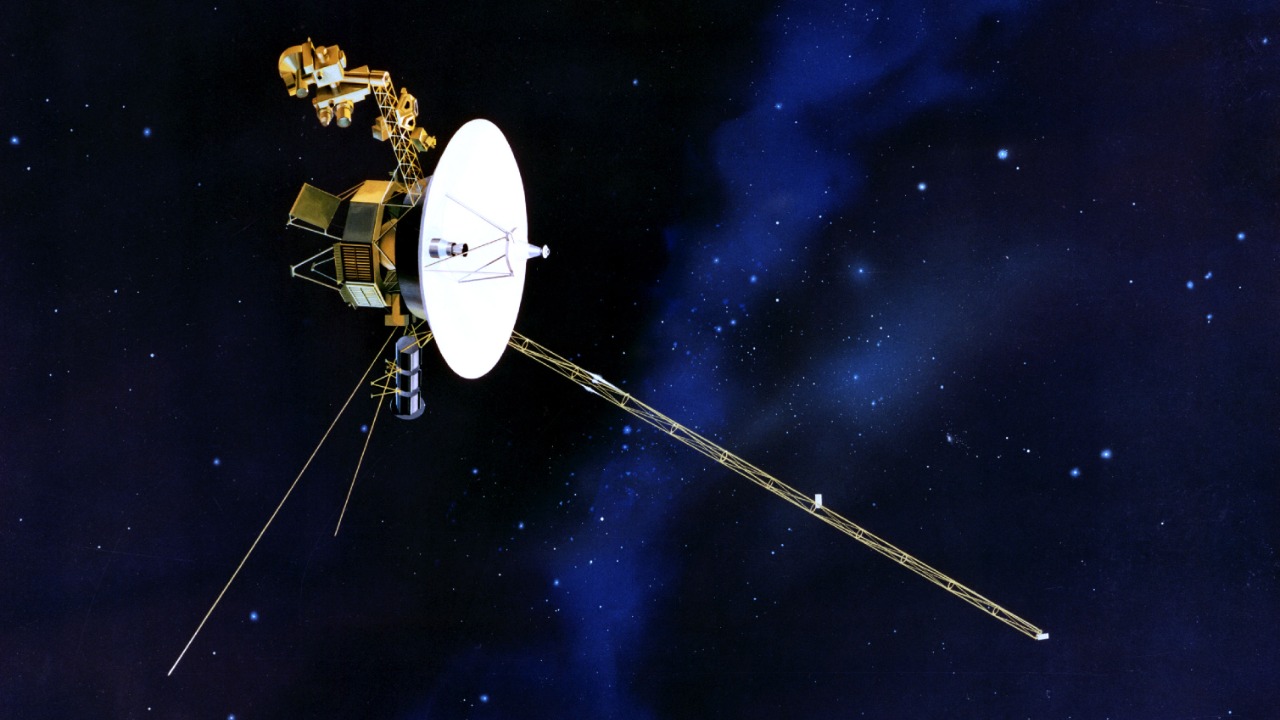
The encounter with the plasma wall was a testament to Voyager 1’s robust engineering. Despite the extreme conditions, the spacecraft continued to function, sending back data that has intrigued scientists worldwide. According to a report from MSN, the spacecraft’s ability to withstand such high temperatures is a remarkable feat, underscoring the durability and precision of its design.
The discovery of this “wall” at the solar system’s edge is a significant finding in space exploration. It not only challenges our understanding of the solar system’s boundaries but also provides a new perspective on the conditions that exist in these remote regions. The data collected by Voyager 1 during this encounter will be crucial for future missions that aim to explore similar environments, offering insights that could shape the design and objectives of upcoming spacecraft.
Scientific Implications
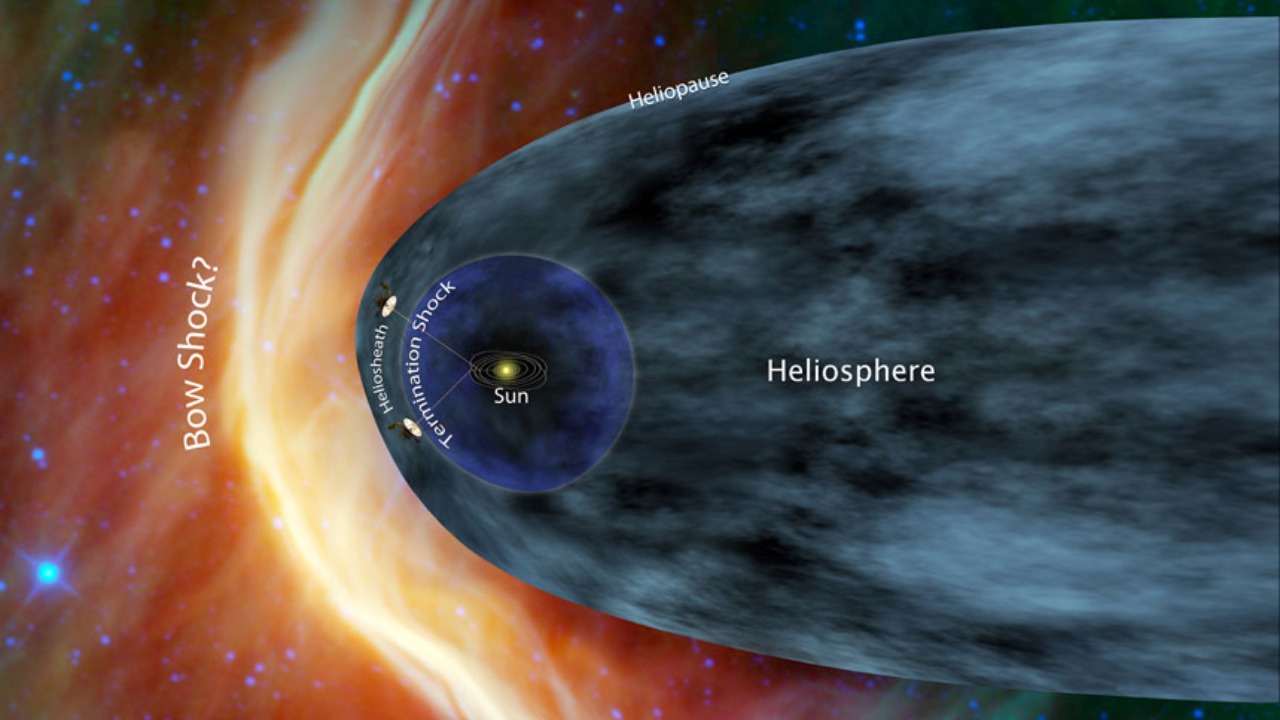
The discovery of the plasma wall has profound scientific implications. It offers new insights into the boundary conditions of our solar system, revealing the complex interactions that occur at its edge. This finding, as detailed by IFLScience, enhances our understanding of how solar and interstellar winds interact, a key area of study for astrophysicists.
Such discoveries are not only academically intriguing but also practically significant. The data collected by Voyager 1 could inform the planning and execution of future missions to similar environments, ensuring that spacecraft are equipped to handle the extreme conditions they may encounter. This knowledge is vital for advancing our exploration capabilities and expanding our reach into the cosmos.
The plasma wall’s discovery also raises questions about the nature of the heliosphere, the bubble-like region of space dominated by the solar wind and magnetic field of the Sun. Understanding the heliosphere’s boundary is crucial for comprehending how cosmic rays and interstellar particles interact with our solar system. This interaction can affect space weather, which has implications for satellite operations and astronaut safety. By studying these boundary conditions, scientists can better predict and mitigate the effects of space weather on Earth and in near-Earth space.
Moreover, the data from Voyager 1’s encounter with the plasma wall could help refine models of the solar system’s boundary. These models are essential for planning future missions that aim to venture beyond the heliosphere. As we prepare for more ambitious explorations, such as sending probes to interstellar space, the insights gained from Voyager 1 will be invaluable. The mission’s findings could guide the development of new technologies designed to withstand the harsh conditions of deep space, ensuring that future spacecraft can continue to operate and send back data from these distant regions.
Future of Voyager Missions
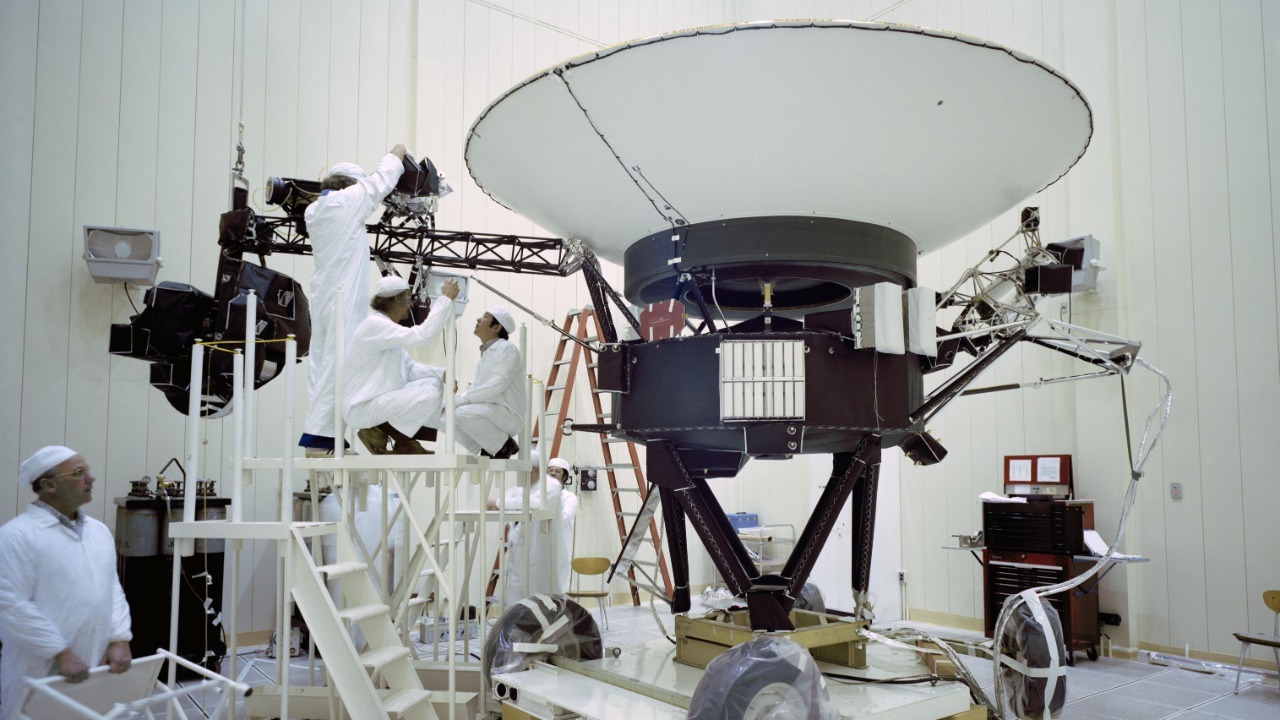
Despite the extreme conditions it faced, Voyager 1 continues its mission, sending valuable data back to Earth. This ongoing success underscores the spacecraft’s resilience and the foresight of its design. As reported by MSN, the data from this encounter will be analyzed by NASA to better prepare for future space missions, ensuring that the lessons learned from Voyager 1’s journey are applied to new exploratory endeavors.
The success of Voyager 1 paves the way for future deep space exploration. As we continue to push the boundaries of what is possible, the insights gained from Voyager 1’s mission will be instrumental in guiding the development of new technologies and strategies for exploring the far reaches of space. NASA’s commitment to analyzing the data from this encounter reflects a broader dedication to advancing our understanding of the universe and our place within it.
