Launched in 1977, Voyager 1 has been a silent ambassador of humanity, ceaselessly cruising through the vast expanse of space. In November 2026, it is poised to set a new record in human achievement—becoming the first man-made object to be one light-day away from Earth.
The Historic Journey of Voyager 1
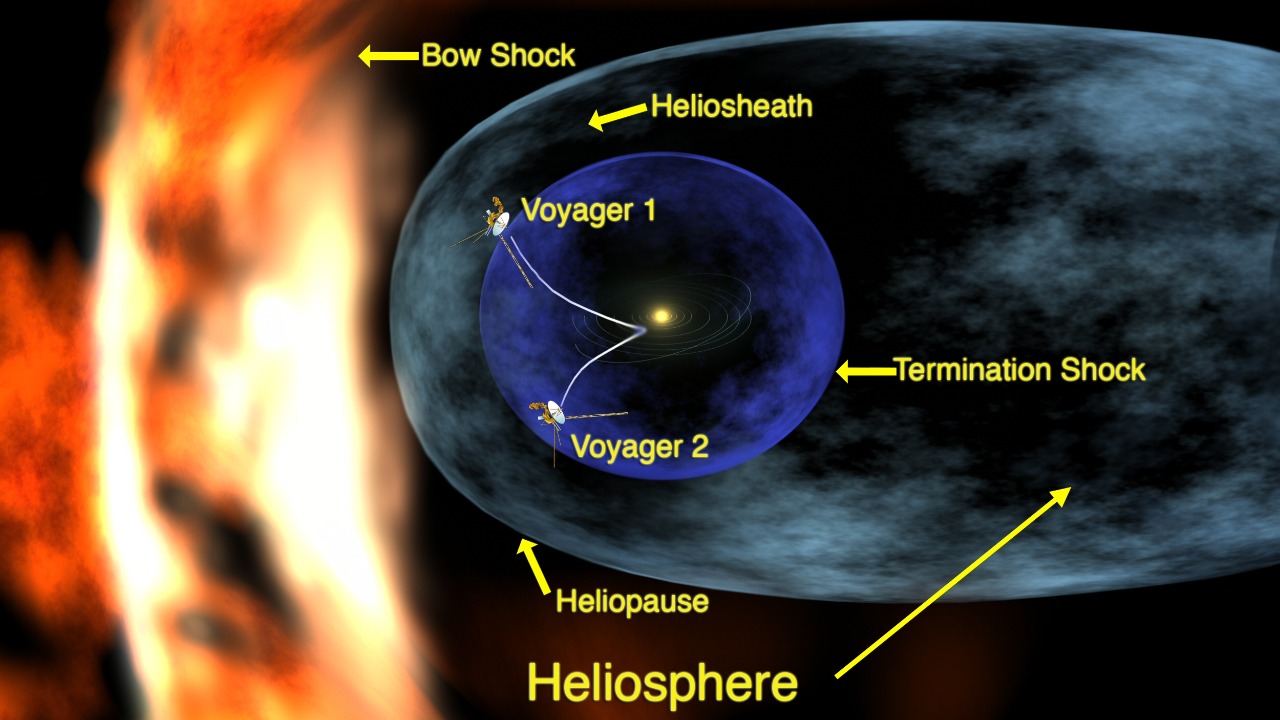
On September 5, 1977, Voyager 1 embarked on its epic journey from Cape Canaveral, Florida. Initially intended to study the outer Solar System, the spacecraft has since surpassed all expectations by entering interstellar space—the space between stars. Voyager 1’s trajectory, boosted by gravity assists from Jupiter and Saturn, has propelled it to unprecedented distances from our home planet.
Traveling at an average speed of about 17 kilometers per second, Voyager 1 is currently the fastest and farthest human-made object from Earth. Its journey has been marked by significant milestones, such as the successful flybys of Jupiter in 1979 and Saturn in 1980, revealing in-depth details about these gas giants and their moons for the first time. In 2012, Voyager 1 made history again by becoming the first spacecraft to enter interstellar space.
The Significance of Voyager 1’s Upcoming Milestone
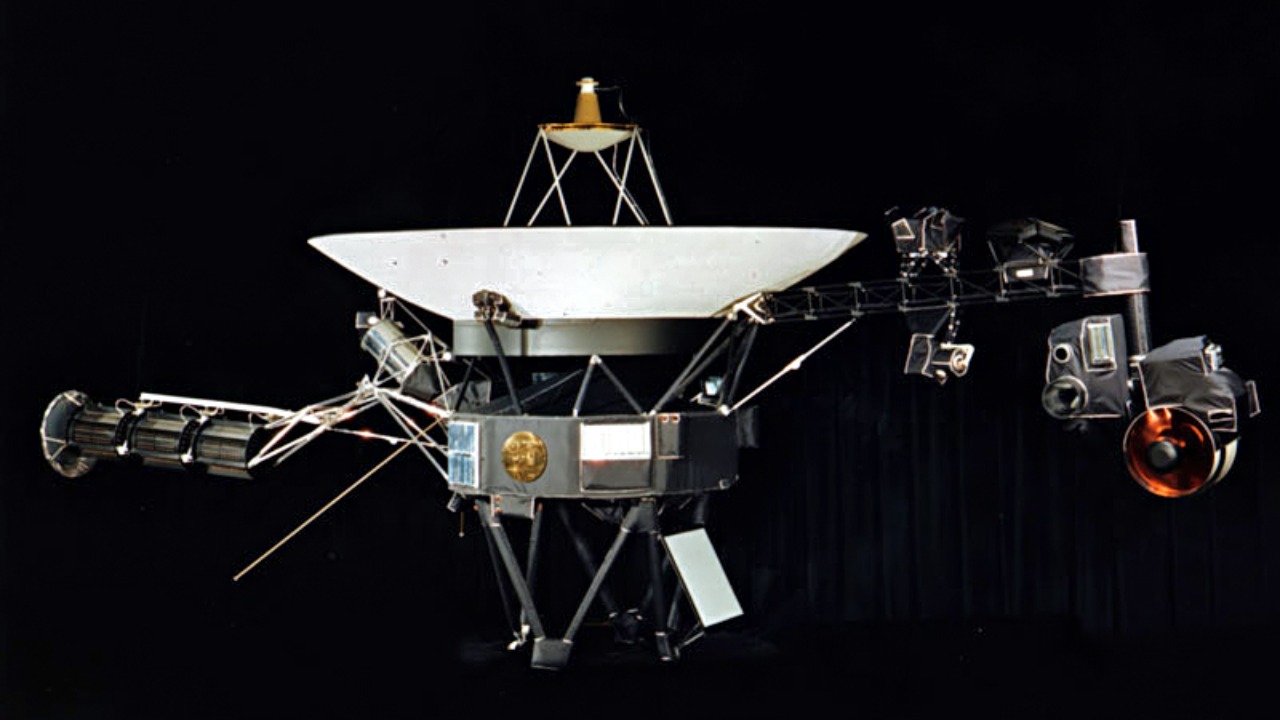
Reaching a distance of one light-day from Earth is a monumental achievement. In simple terms, it means that Voyager 1 will be so far away that even light, traveling at a staggering speed of about 300,000 kilometers per second, would take an entire day to reach it from Earth. This milestone is a testament to human technological prowess and the remarkable durability of Voyager 1.
This achievement also represents a significant leap for space exploration. The vast distances involved in space travel have always posed a major challenge. Voyager 1’s upcoming milestone is a reminder of how far we’ve come—and how much farther we can go. It opens up possibilities for exploring even more distant worlds and deepens our understanding of interstellar space.
The Scientific Discoveries Made by Voyager 1
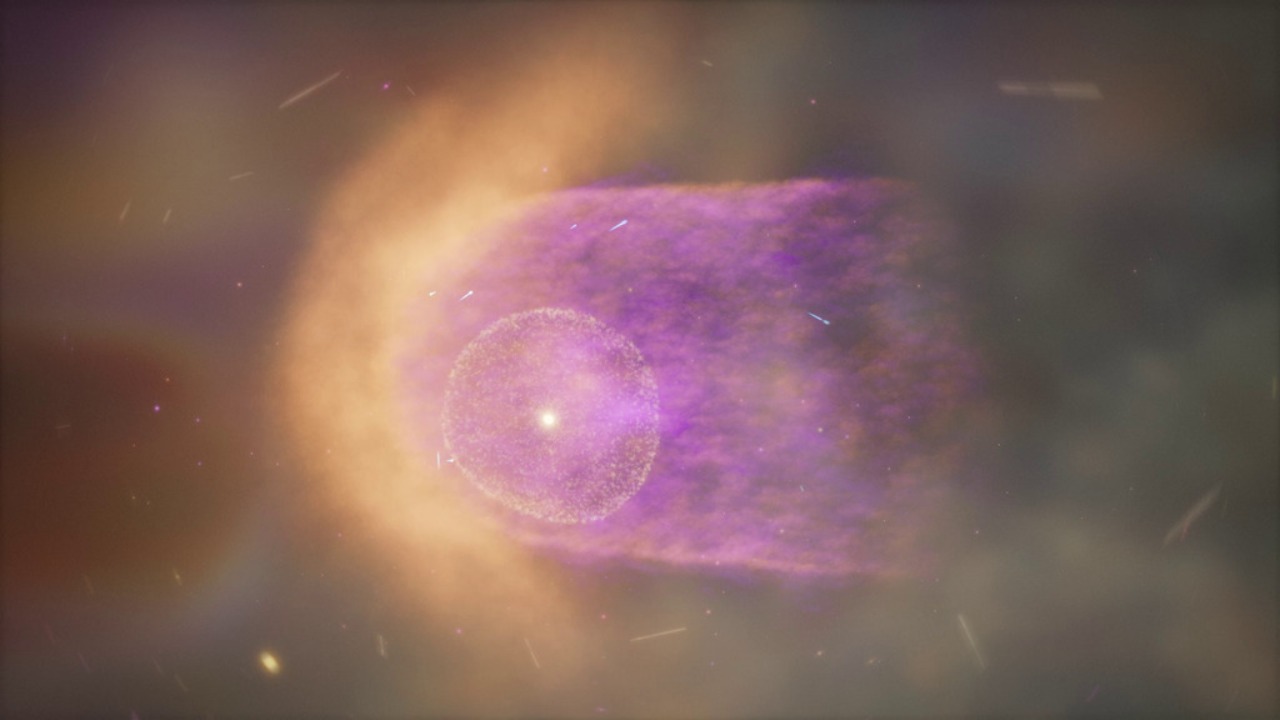
Voyager 1 is equipped with an array of scientific instruments designed for a wide range of tasks, from studying cosmic rays to measuring interstellar magnetic fields. These instruments have provided us with invaluable insights into our Solar System and beyond.
Among Voyager 1’s key discoveries are the complex structures of Jupiter’s and Saturn’s atmospheres and magnetic fields, the active geology on Jupiter’s moon Io, and the existence of Titan’s dense, nitrogen-rich atmosphere. Even today, Voyager 1 continues to send back data from its instruments, contributing to our ongoing knowledge of the interstellar medium—the ‘stuff’ that fills the spaces between stars.
The Current Status and Future of Voyager 1
As of now, Voyager 1 is in good health and still communicating with Earth, despite being nearly 23 billion kilometers away. Maintaining contact with the spacecraft poses significant challenges, as the signals it sends take over 21 hours to reach Earth. Moreover, the spacecraft’s power is slowly depleting, and it is estimated that by 2025, there may not be enough power to operate any of its scientific instruments.
Despite these challenges, Voyager 1’s mission is far from over. The spacecraft is expected to continue its journey for thousands, if not millions, of years. Its trajectory will take it close to a star called AC +79 3888 in about 40,000 years, offering a distant future opportunity for more discovery.
The Legacy of Voyager 1
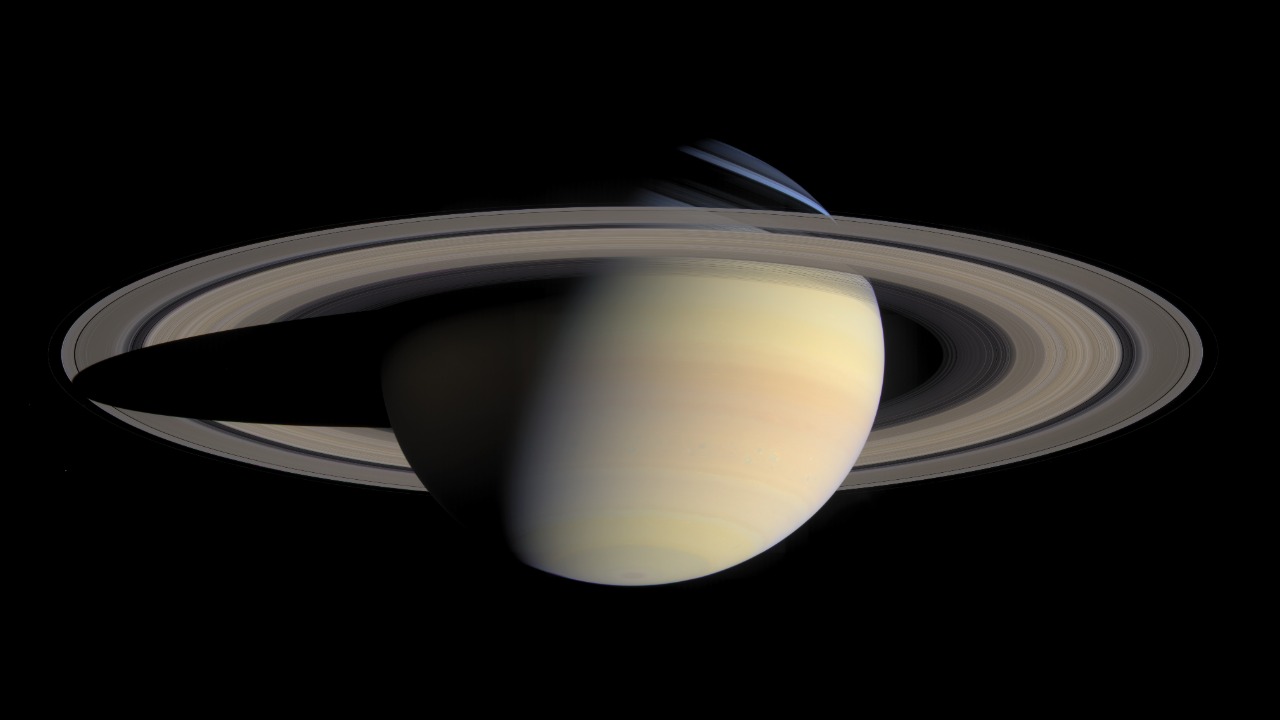
The mission of Voyager 1 has revolutionized our understanding of the Solar System and our place in the cosmos. It has shown us the beauty and diversity of other worlds, from the stormy clouds of Jupiter to the icy rings of Saturn. Moreover, Voyager 1 carries a piece of humanity with it—the Golden Record, a time capsule filled with sounds and images representing life on Earth.
The legacy of Voyager 1 extends beyond science. This remarkable mission serves as a symbol of human curiosity and our unending quest to explore the unknown. It has inspired countless scientists and space enthusiasts, and will continue to do so as it ventures further into the final frontier.
For more information about Voyager 1’s upcoming milestone, check out these discussions on Reddit or this article. You can also join the conversation on Facebook.
