
Volvo has announced that its next-generation hybrids will be American-made Extended Range Electric Vehicles (EREVs), with production slated to start in the United States. This marks a significant step for Volvo as it plans to build these vehicles at its U.S. factory, highlighting the company’s commitment to expanding its footprint in the American automotive market. This strategic move is expected to enhance Volvo’s production capabilities and meet growing consumer demand in the U.S. market.
Volvo’s Strategic Move to the U.S.
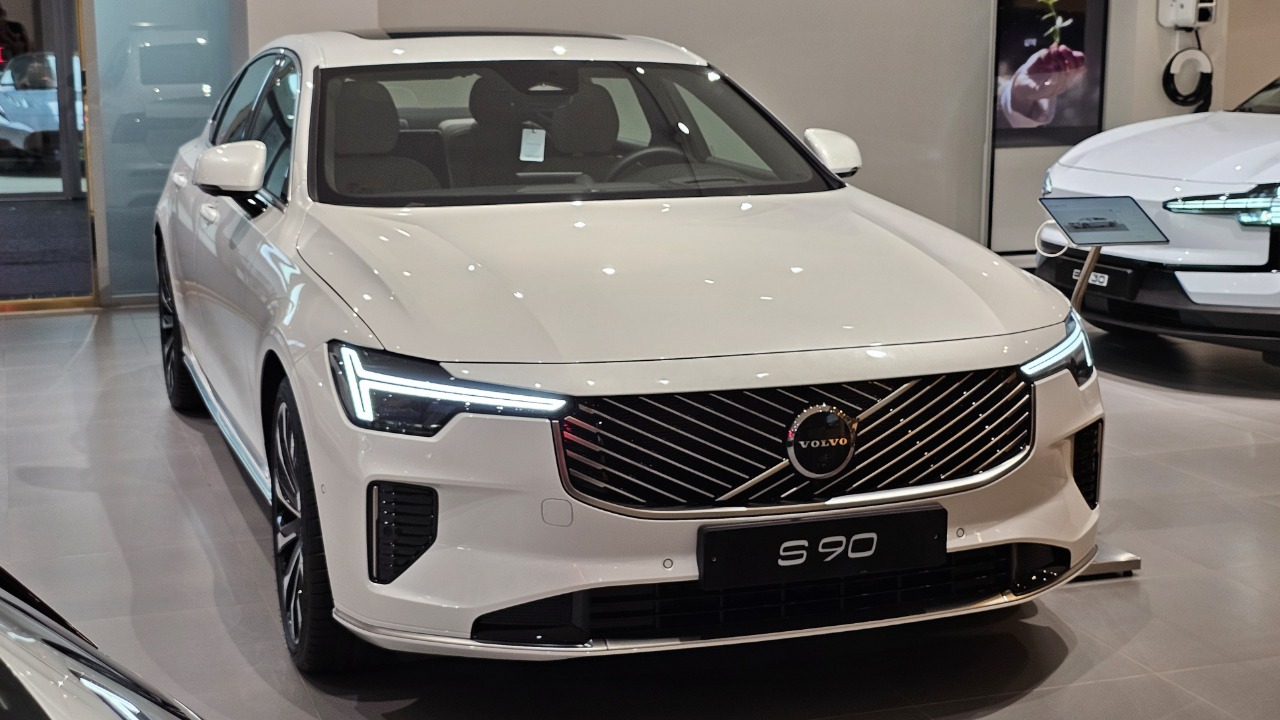
Volvo’s decision to manufacture its next-gen hybrids as EREVs in America reflects a strategic shift aimed at bolstering its production capabilities and addressing the increasing consumer demand in the U.S. market. By establishing production in the United States, Volvo is not only positioning itself to better serve American consumers but also reinforcing its commitment to the region’s automotive industry. This move is expected to strengthen Volvo’s market presence and competitiveness in the U.S. automotive sector (InsideEVs).
The American manufacturing facility will play a crucial role in producing Volvo’s next big SUV, which is part of its second-generation hybrid lineup. This development underscores Volvo’s dedication to integrating advanced hybrid technology into its vehicles while leveraging local production capabilities. The decision to produce these vehicles in the U.S. aligns with Volvo’s broader strategy to localize production and reduce reliance on overseas manufacturing (MotorTrend).
In addition to bolstering its production capabilities, Volvo’s decision to manufacture in the U.S. is also a response to the evolving regulatory landscape. With increasing emphasis on reducing carbon emissions and promoting sustainable practices, local production allows Volvo to better align with U.S. environmental standards and policies. This strategic localization not only reduces logistical complexities and costs associated with importing vehicles but also helps Volvo to swiftly adapt to any regulatory changes, ensuring compliance and maintaining its competitive edge in the market. Furthermore, by investing in American manufacturing, Volvo is contributing to job creation and economic growth in the region, which could enhance its brand reputation and customer loyalty among U.S. consumers.
Technological Advancements in Volvo’s EREVs

The next-generation Volvo XC90 is set to utilize the SPA 1.5 platform, marking a significant technological advancement for the model. This platform is expected to enhance the vehicle’s performance and efficiency, aligning with Volvo’s goal to provide more sustainable and efficient vehicle options. The XC90, likely to be released by 2028, represents a key component of Volvo’s strategy to innovate and lead in the hybrid vehicle market (TopElectricSUV).
The EREVs are anticipated to offer extended range capabilities, which is a critical factor for consumers seeking vehicles that combine sustainability with practicality. By focusing on extended range technology, Volvo aims to address one of the primary concerns of hybrid vehicle consumers: range anxiety. This technological focus not only enhances the appeal of Volvo’s hybrids but also positions the company as a leader in the development of advanced hybrid technologies (InsideEVs).
The SPA 1.5 platform is designed to support a range of advanced features, including enhanced battery management systems and improved energy efficiency. This platform will enable Volvo’s EREVs to achieve longer electric-only ranges, which is crucial for reducing the frequency of charging and enhancing the overall user experience. Additionally, the platform’s modular design allows for greater flexibility in vehicle design and production, enabling Volvo to quickly adapt to changing consumer preferences and technological advancements. By integrating cutting-edge technology into its vehicles, Volvo aims to set new standards in the hybrid market, offering consumers not only sustainability but also superior performance and innovation.
Impact on the Automotive Industry

Volvo’s initiative to produce EREVs in the U.S. is poised to have a significant impact on the automotive industry. By setting a precedent for other manufacturers to establish or expand their production facilities in the country, Volvo is influencing the industry’s approach to localization and sustainability. This move could encourage other automakers to follow suit, potentially leading to increased investment in U.S. manufacturing and innovation (The Verge).
The introduction of American-made EREVs may also shift consumer preferences, as buyers increasingly seek vehicles that offer both sustainability and enhanced range. As consumers become more environmentally conscious, the demand for vehicles that minimize environmental impact while providing practical benefits is likely to grow. Volvo’s focus on these aspects positions it well to capture a significant share of this evolving market (MotorTrend).
Volvo’s commitment to producing EREVs in the U.S. also highlights the growing trend of automakers prioritizing sustainability in their operations. This shift is driven by both consumer demand for greener vehicles and regulatory pressures to reduce emissions. As Volvo leads by example, it could inspire other manufacturers to accelerate their own sustainability initiatives, potentially leading to a broader transformation within the industry. The focus on local production and sustainable practices may also drive technological innovation, as companies invest in research and development to create more efficient and environmentally friendly vehicles. This industry-wide shift could result in a more competitive market, with manufacturers striving to outdo each other in terms of sustainability and technological advancements.
Challenges and Considerations

One challenge Volvo faces is the need to address potential issues related to the naming and branding of its new models. This challenge is highlighted by Polestar’s recent efforts to resolve its own naming challenges, which underscores the importance of clear and effective branding in the competitive automotive market. Ensuring that the new models are easily recognizable and resonate with consumers will be crucial for Volvo’s success (CarBuzz).
Additionally, ensuring the seamless integration of new technologies, such as the SPA 1.5 platform, will be vital for Volvo to maintain its reputation for innovation and quality. As the company introduces these advanced technologies, it must ensure that they are implemented effectively to meet consumer expectations and uphold Volvo’s standards for performance and reliability. Successfully navigating these challenges will be key to Volvo’s continued leadership in the hybrid vehicle market (TopElectricSUV).
Another consideration for Volvo is the potential impact of geopolitical factors on its supply chain and production processes. As global trade dynamics continue to evolve, Volvo must navigate potential tariffs, trade agreements, and international relations that could affect its operations. By localizing production in the U.S., Volvo can mitigate some of these risks, but it must remain vigilant and adaptable to any changes in the global economic landscape. Additionally, Volvo needs to ensure that its workforce is adequately trained to handle the new technologies and production methods associated with the EREVs. Investing in workforce development and training programs will be essential to maintaining high standards of quality and efficiency in its U.S. manufacturing facilities.
