Volvo’s upcoming electric vehicles, the EX30 and EX90, are set to eliminate the traditional key card access system, a feature that has been a source of frustration for many owners. This significant shift in Volvo’s approach to entry methods could simplify daily use for drivers of these new models.
The Key Card’s Role in Volvo Vehicles

The key card, a physical, credit-card-sized device, has been a staple in Volvo vehicles for years. It is used to unlock and start the car, requiring insertion into a slot on the dashboard or center console. The key card was designed as an alternative to traditional key fobs, offering convenience in scenarios like carrying groceries or when hands are full. However, this convenience often led to misplaced cards, causing inconvenience for the users.
Additionally, the key card is integrated with Volvo’s security system. For the ignition to engage, the card must be present in the vehicle. This security feature, while effective, has also contributed to the frustration of many users, especially when the card is misplaced within the car itself.
Why the Key Card Became Volvo’s Most Hated Feature
Many Volvo owners have expressed their dissatisfaction with the key card system. The card’s small size and flat shape make it easy to lose inside the car or at home, complicating quick access during emergencies or daily routines. Furthermore, the need to remove the key card from its slot to use the vehicle remotely, such as for phone-as-key features, disrupts seamless connectivity.
Another common complaint is the key card’s fragility. Users have reported needing frequent replacements due to wear from constant handling and insertion. This not only adds to the inconvenience but also to the cost of maintaining the vehicle.
Historical Use of Key Cards in Volvo Lineup
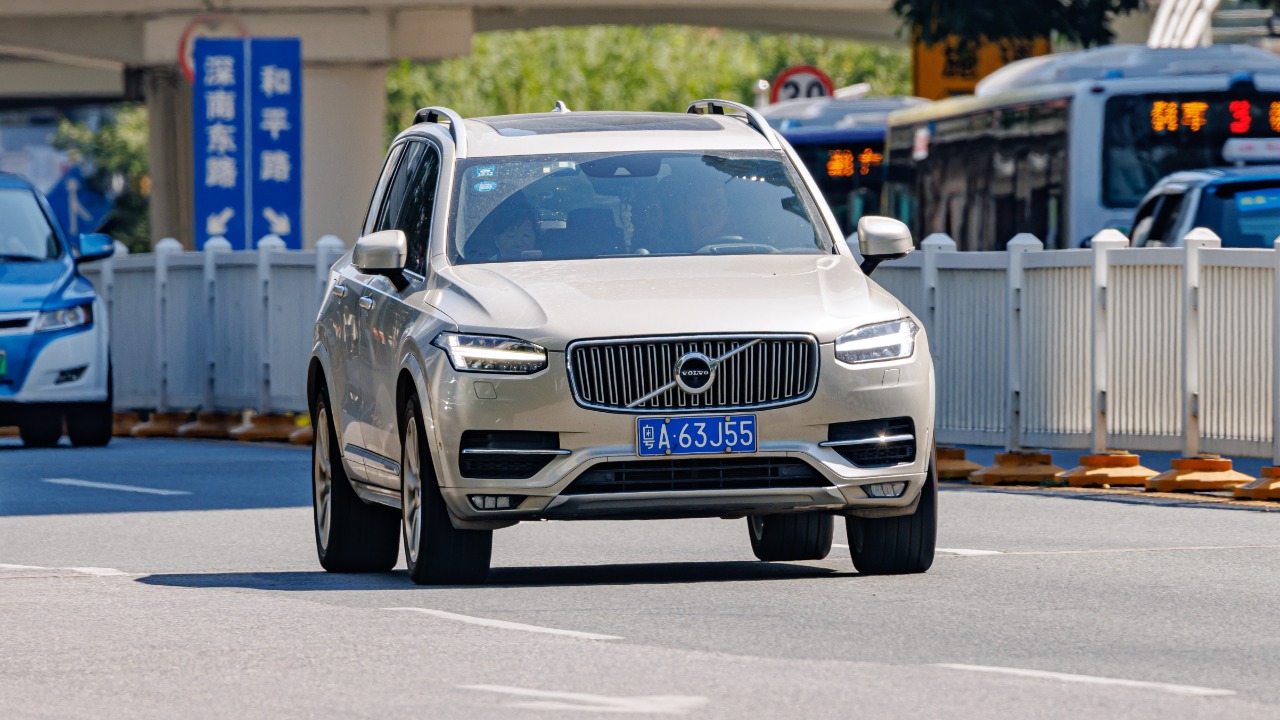
The key card system was introduced in Volvo models starting from the early 2010s. Initially, it was praised for its slim profile in luxury sedans like the S60. However, as the system expanded to SUVs such as the XC90 and became standard, it quickly drew criticism for not evolving with digital alternatives.Despite the feedback, the key card persisted across generations, maintaining compatibility with Volvo’s centralized locking mechanisms. This stubborn adherence to the key card system has been a point of contention among Volvo owners and critics alike.
Alternatives Replacing the Key Card

With the EX30 and EX90, Volvo shifted to phone-as-key technology. This allows users to unlock and start the vehicle via Bluetooth-enabled smartphones, eliminating the need for physical cards. Traditional key fobs will still be available as backups, but with enhanced digital integration for remote access and over-the-air updates.
There is also potential for integration with wearable devices or smartwatches, offering even more hands-free entry options in these new EVs. This move towards digital access methods reflects Volvo’s commitment to innovation and user convenience.
Benefits for Drivers and Volvo’s Strategy
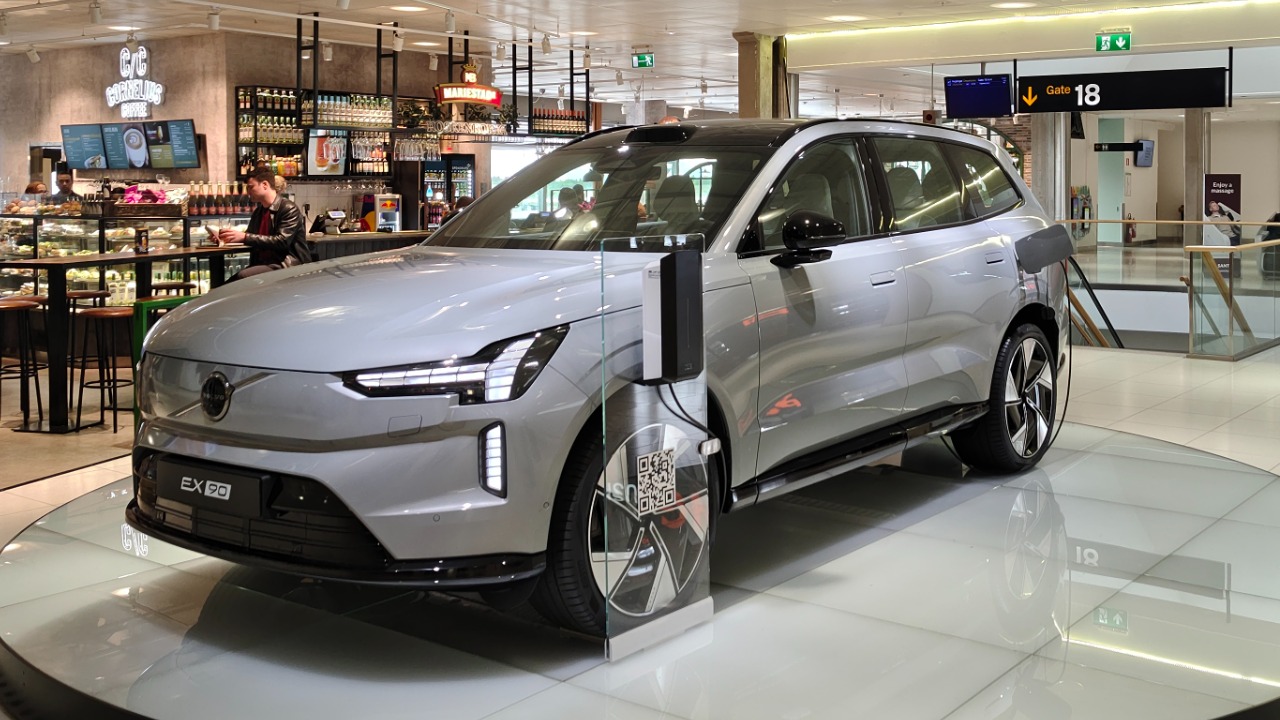
Eliminating the key card is expected to reduce frustration for owners by minimizing loss risks and simplifying routines in the EX30 and EX90. This change aligns with Volvo’s safety-first ethos by promoting reliable, tech-driven access methods.
From a business perspective, removing the key card component could potentially lower manufacturing expenses for Volvo’s electric models. This cost-saving move could contribute to the affordability of these vehicles, making them more accessible to a wider range of consumers.
Potential Drawbacks and User Adaptation

While many are looking forward to the elimination of the key card, there are concerns from traditionalists who prefer physical backups. The EX30 and EX90 do offer fallback options, but there may be a learning curve for digital-only users. Security aspects, such as vulnerabilities in phone-as-key systems versus the tamper-evident key card in older Volvos, also need to be considered.
Furthermore, this change might influence resale values or retrofits for existing key card-equipped models. As Volvo moves forward with its digital access methods, it will be interesting to see how the market and users adapt to these changes.
Source: Motor1
