A recent spectacle at Mount Etna has captured the attention of scientists and the public alike, as the volcano emitted a rare combination of gases, forming unique vortex rings. This unusual event has sparked curiosity about the composition of volcanic gases and their potential impacts on the environment and human health.
The Phenomenon of Volcanic Gas Emissions
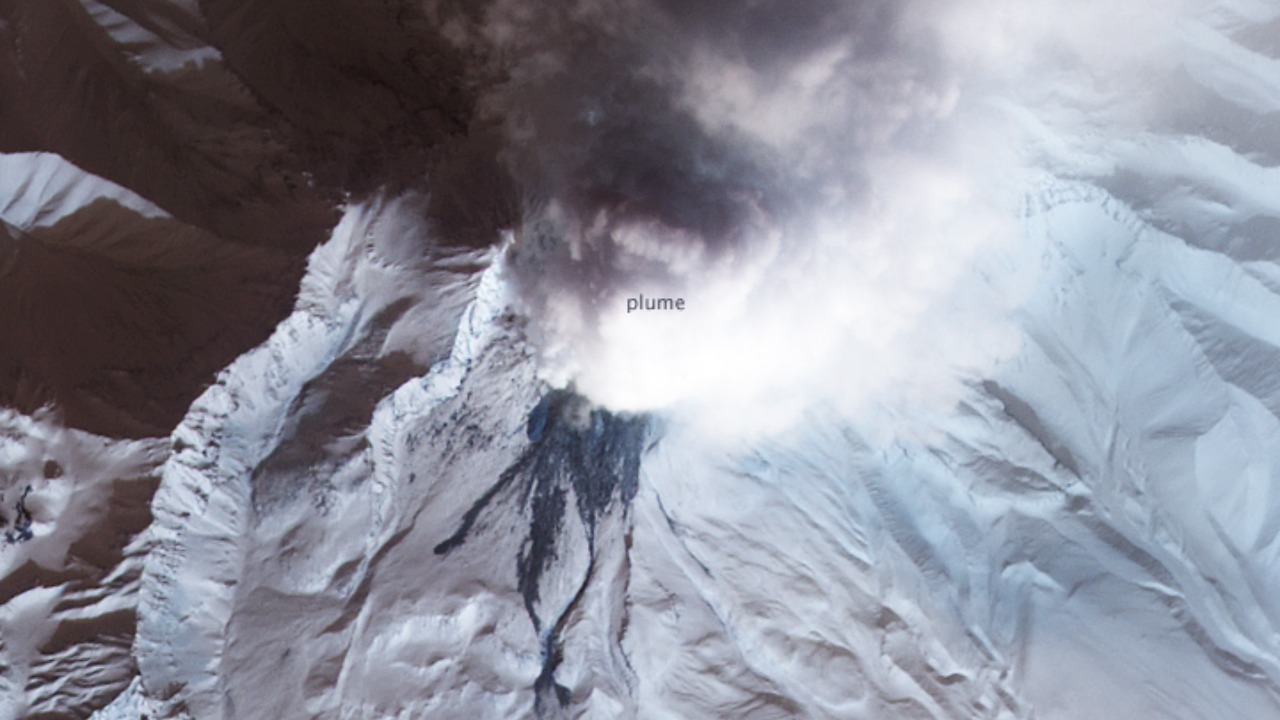
Volcanic gases are a natural byproduct of volcanic activity and primarily consist of water vapor, carbon dioxide, and sulfur dioxide, along with various trace gases. These emissions play a significant role in atmospheric processes and can have far-reaching effects on the environment. While the typical composition of volcanic gases is well-documented, the recent emissions from Mount Etna have intrigued scientists due to their unusual characteristics.
The recent emissions from Mount Etna are remarkable due to the presence of uncommon gases or unique ratios, which diverged from the usual volcanic gas profile. Such rare combinations have been seldom observed, making this event noteworthy. The gases contributed to the formation of spectacular pink vortex rings that were visible from afar, a phenomenon that has left both experts and enthusiasts marveling at the visual display.
Mount Etna’s Recent Activity
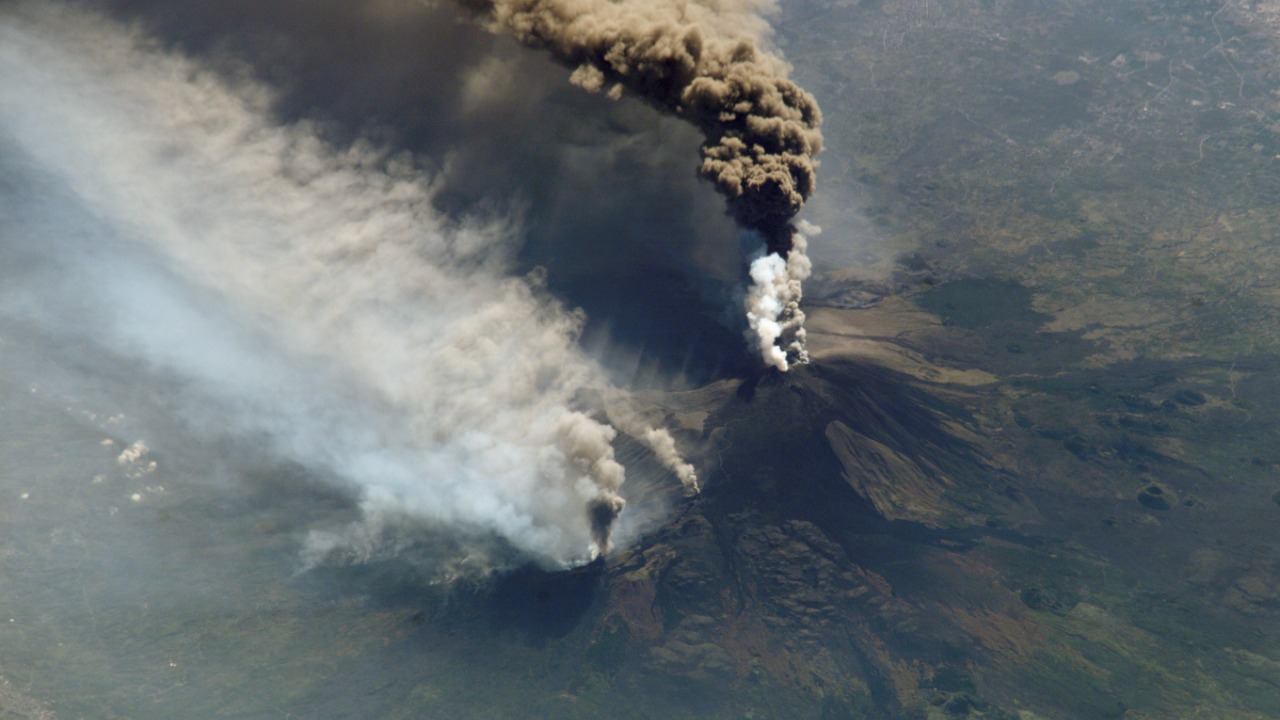
Mount Etna is renowned for its status as one of the world’s most active volcanoes, with a history of frequent eruptions that dates back thousands of years. Its typical behavior includes both effusive eruptions, which produce lava flows, and explosive eruptions, which eject ash and gases into the atmosphere. This volatile nature has made Etna a focal point for volcanic monitoring and research.
The recent series of events leading up to the current gas emissions involved a number of eruptions and heightened seismic activities. These events have inevitably impacted local communities, necessitating safety measures and occasional evacuations. The disruption has been significant, affecting air travel and prompting local authorities to issue warnings regarding air quality and safety.
Scientific Significance and Implications

The environmental impact of these rare gas emissions is a subject of keen interest. The unique chemical composition could have implications for air quality, potentially affecting both local and regional climates. The emitted gases can contribute to atmospheric changes, impacting ecosystems in ways that are not yet fully understood, thus underscoring the need for continued research.
Studying these emissions presents valuable research opportunities for advancing volcanic science. By analyzing the gas composition and its effects, scientists can gain insights into volcanic behavior and improve predictive models. Moreover, understanding the health risks associated with exposure to these gases is crucial. While the immediate impact on human health may vary, precautions are necessary to ensure the safety of those living in proximity to the volcano.
Global Reactions and Future Monitoring
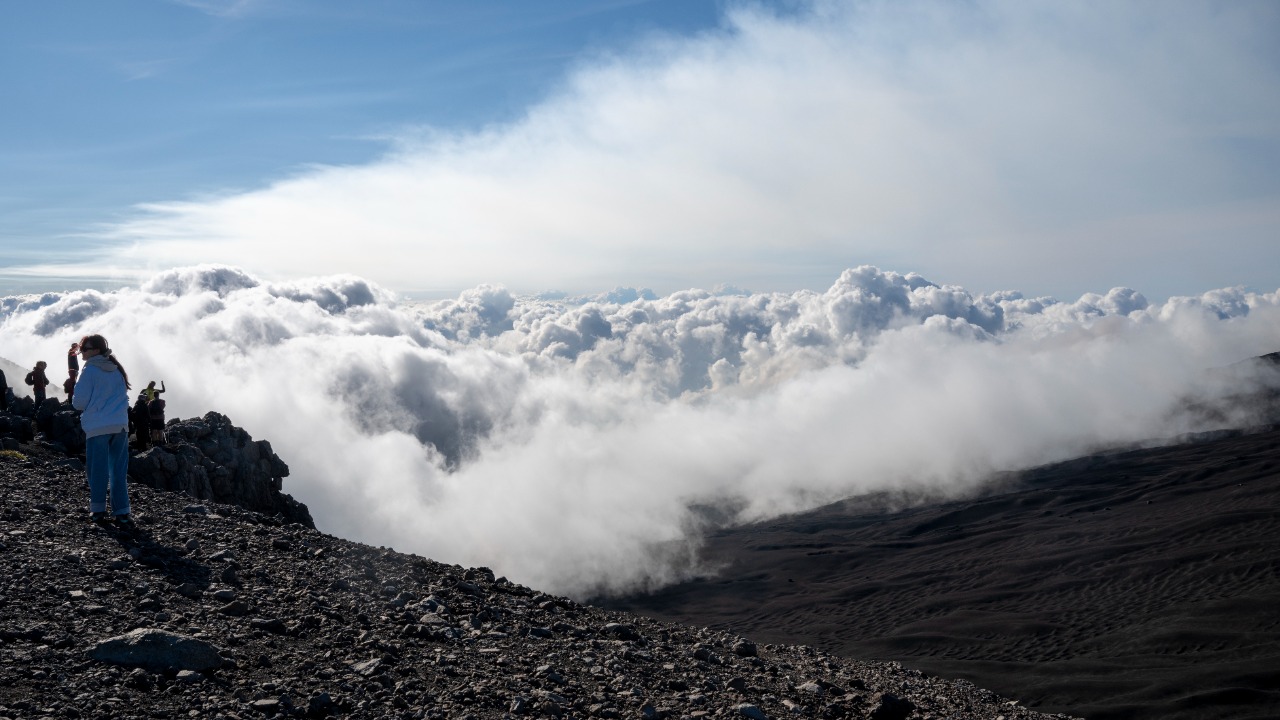
The unique event at Mount Etna has captured the global imagination, with extensive media coverage and public interest. The spectacle has showcased the awe-inspiring power of natural phenomena, drawing attention to the importance of understanding and monitoring volcanic activity.
Advancements in technology have significantly bolstered volcanic monitoring efforts. From satellite imagery to ground-based sensors, the ability to predict and analyze emissions has improved, offering better preparedness for future eruptions. The rare event at Mount Etna serves as a reminder of the need for continuous observation and the potential for unexpected developments in volcanic activity worldwide.
