The leap in the technology of voice-cloning applications is compelling. Such applications can now imitate an individual’s speech with an accuracy that is almost eerie. Let us delve into the science behind these capabilities and consider the implications, both positive and negative, that this technology might bring about.
Understanding Voice-Cloning Technology
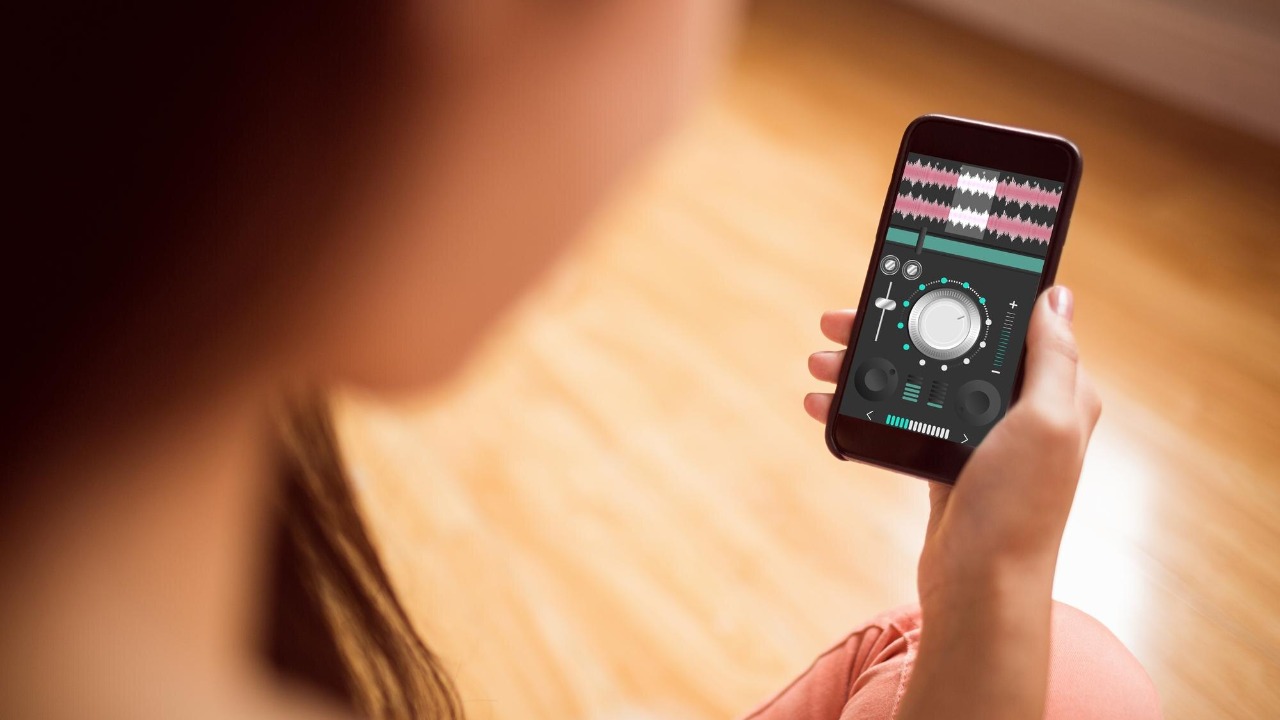
Voice-cloning applications are designed to mimic an individual’s unique speech patterns, tone, and accent. They utilize complex AI algorithms and deep learning techniques to analyze and replicate the human voice. Initially, these applications require a fair amount of input data in the form of audio samples. The more data is provided, the more accurate the voice clone becomes.
These applications rely heavily on deep learning algorithms, a subset of artificial intelligence. Deep learning involves the use of neural networks with several layers, or “depth,” to analyze various factors of the human voice. This includes pitch, tone, speed, and other unique vocal characteristics. The result is a synthesised voice that can be eerily similar to the original.
Examples of Voice-Cloning Applications
One leading voice-cloning application is Uberduck.ai. This app is gaining attention for its ability to clone voices from a limited amount of input data. Users upload voice samples and the app generates a clone, which can be used to say anything the user types in. Uberduck.ai also features a diverse library of pre-existing voice models that users can leverage.
Another noteworthy application is Resemble AI. This app is distinguished by its ability to clone voices in multiple languages and accents. It also provides a platform for users to create unique voice avatars for use in various applications, including video games and virtual assistants.
The Promise and Potential of Voice-Cloning
Voice-cloning technology offers numerous potential benefits. In the entertainment industry, it could be used to generate dialogue for animated characters, or to create digital versions of actors’ voices for use in films. In healthcare, voice-cloning could help restore speech to individuals who have lost their ability to speak due to illness or injury. Further, AI systems could use cloned voices to provide a more personalized user experience.
For instance, the article “Voice Cloning: Promising Advancements and Ethical Considerations” discusses successful use cases of voice cloning. One such case involved a man who lost his voice due to throat cancer. Using past recordings of his speech, a voice-clone was created that allowed him to communicate in his original voice, rather than using a generic synthesized voice.
The Dark Side of Voice-Cloning
As with any powerful technology, voice-cloning has the potential for misuse. Scammers might use it to impersonate individuals over the phone or create convincing voiceovers for fraudulent videos. A report from the New Yorker detailed a scam where a voice-cloning application was used to impersonate a man’s voice and trick his mother into sending money.
Another concerning application is the creation of deepfakes, or synthetic media in which a person’s likeness is replaced with someone else’s. With voice-cloning technology, deepfake audio could be produced to make it sound like someone said something they did not, potentially leading to misinformation, defamation, and other harmful impacts.
Regulating Voice-Cloning Technology

Regulations surrounding voice-cloning are currently sparse and vary by country. In the United States, for instance, there are no specific laws against the use of voice-cloning technology, although its misuse could be prosecuted under laws related to fraud, identity theft, or harassment. Ethical considerations are also emerging, with discussions around consent and the right to one’s own voice.
As the technology advances and becomes more accessible, it’s likely that new legislation will be needed to protect individuals. Future regulations may need to address issues such as consent to use a person’s voice, the legality of creating deepfakes, and the potential misuse of voice-cloning in scams and other criminal activities.
Future of Voice-Cloning
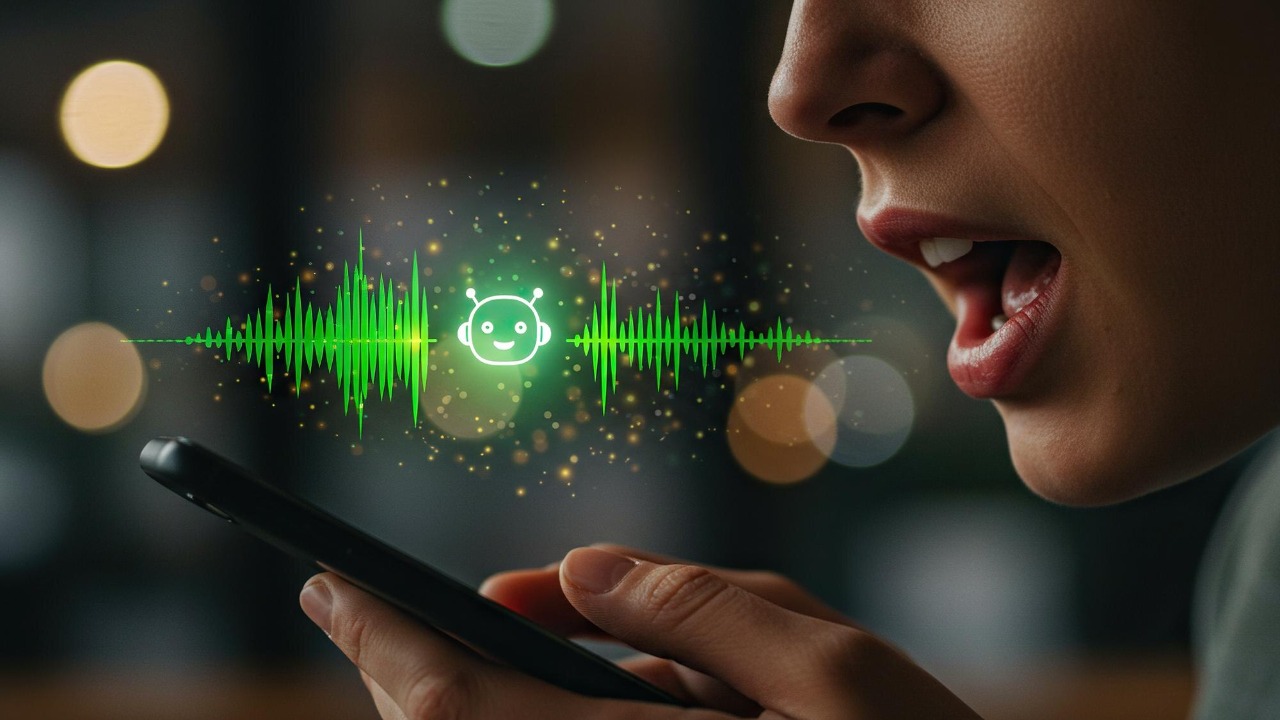
Experts predict that voice-cloning technology will continue to improve in accuracy and decrease in cost. It’s possible that in the future, we could all have digital clones of our voices, used to interact with AI systems, communicate on our behalf, or even continue our legacies after we’re gone. However, such advancements will also likely bring about new challenges related to identity, privacy, and security.
As noted in a Washington Post article, the ability to clone voices could also impact how we trust what we hear. With voice-cloning technology becoming more prevalent, it’s crucial that we develop the skills and tools necessary to discern real voices from synthetic ones.
