The Vera Rubin Observatory is poised to usher in a new era for astronomical research, armed with the world’s largest digital camera and state-of-the-art technology. This groundbreaking facility is set to provide unprecedented insights into the universe, enhancing our understanding of fundamental cosmic phenomena. As it prepares for its first light, the observatory’s potential to transform astronomy is drawing global anticipation.
The Legacy of Vera Rubin

Vera Rubin’s contributions to astronomy are monumental, having significantly advanced our understanding of the cosmos. Her pioneering work on dark matter revealed that the majority of the universe’s mass is not visible, an insight that shifted the foundation of astrophysics. Her research provided empirical support for the existence of dark matter, fundamentally challenging previous models of the universe. This profound discovery has paved the way for further exploration of this enigmatic component of the cosmos, which the Vera Rubin Observatory aims to continue.
The naming of the observatory after Vera Rubin is a powerful acknowledgment of her legacy and a step towards promoting diversity within the field of astronomy. Rubin was a trailblazer not only in her research but also in advocating for gender equality in science. By honoring her in this way, the observatory not only celebrates her scientific achievements but also inspires future generations of astronomers, highlighting the importance of diversity and inclusion in scientific research.
Rubin’s work on dark matter remains a cornerstone of the observatory’s mission. The facility is equipped to delve deeper into the mysteries of dark matter, further exploring its properties and distribution throughout the universe. By continuing Rubin’s groundbreaking research, the observatory seeks to unravel the complexities of this invisible substance, potentially leading to new scientific breakthroughs and a more comprehensive understanding of the universe.
Technological Innovations of the Observatory
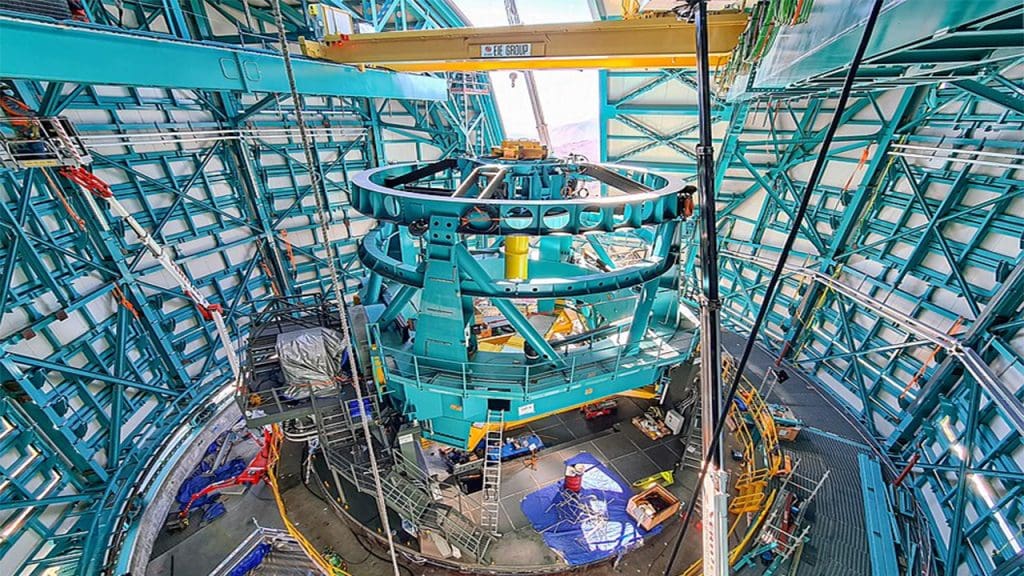
At the heart of the Vera Rubin Observatory is its 3.2-gigapixel camera, the largest digital camera ever constructed for astronomical purposes. This technological marvel is capable of capturing high-resolution images of the night sky, providing an unparalleled view of the universe. The camera’s ability to photograph vast areas of the sky in exquisite detail will enable astronomers to detect subtle changes and phenomena that were previously unobservable.
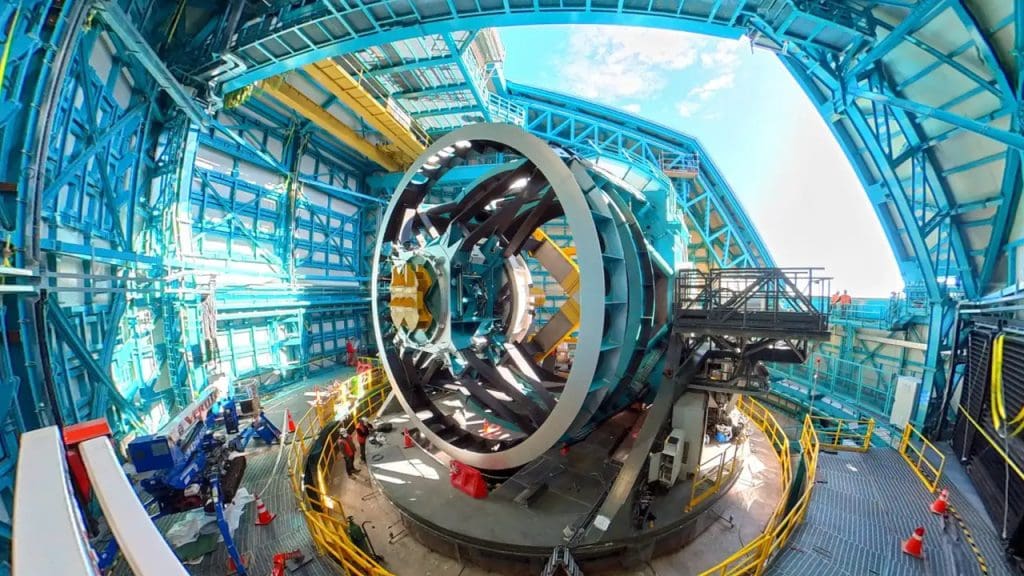
The construction of the observatory’s telescope is an engineering feat in itself. Its sophisticated design incorporates advanced optics and mechanical systems, allowing it to capture and process vast amounts of data efficiently. The telescope’s capabilities will enable it to survey the entire sky every few nights, offering a comprehensive view of the cosmos that will drive new scientific discoveries.
Handling the immense volume of data generated by the observatory requires cutting-edge data processing systems. These systems are designed to manage and analyze the data, ensuring that astronomers can access and interpret the information quickly and accurately. This advancement in data analysis is set to revolutionize how astronomical data is utilized, facilitating faster and more meaningful discoveries in the field.
Scientific Goals and Potential Discoveries
The Vera Rubin Observatory’s mission to map the universe in unprecedented detail is an ambitious undertaking with far-reaching implications. By studying dark energy and the expansion of the universe, the observatory aims to shed light on the forces driving cosmic acceleration. This research could lead to breakthroughs in our understanding of the universe’s fate and the fundamental laws that govern it.
Another critical goal of the observatory is to detect and track near-Earth objects. By monitoring asteroids and other celestial bodies that could pose a threat to our planet, the observatory plays a vital role in planetary defense. Additionally, this research enhances our understanding of asteroid populations, contributing to both safety and scientific knowledge.
The observatory’s capabilities also extend to studying transient phenomena such as supernovae, variable stars, and fast radio bursts. Observing these events in real-time provides valuable insights into the life cycles of stars and the dynamics of cosmic events. The ability to capture and analyze these phenomena as they occur offers a unique opportunity to delve deeper into the nature of the universe.
Impact on the Global Astronomy Community
The Vera Rubin Observatory is set to enhance international collaboration and data sharing, fostering a global approach to astronomical research. By providing open access to its data, the observatory encourages scientists worldwide to participate in its discoveries, promoting a collaborative effort in understanding the universe. This approach not only accelerates scientific progress but also ensures that diverse perspectives contribute to the research.
Public engagement and citizen science initiatives are integral to the observatory’s mission. By involving the wider community in scientific discovery, the observatory promotes a culture of curiosity and exploration. Citizen scientists can participate in analyzing data, contributing to significant findings while gaining a deeper appreciation for the scientific process.
Educational opportunities and training programs associated with the observatory are designed to nurture the next generation of astronomers and scientists. By offering hands-on experience and access to cutting-edge technology, these programs inspire young minds to pursue careers in astronomy and related fields. The observatory’s commitment to education ensures that its impact extends beyond immediate scientific discoveries, shaping the future of the field.
Looking to the Future
The potential for the Vera Rubin Observatory to inspire future astronomical projects and technological advancements is immense. As the observatory’s findings contribute to our understanding of the cosmos, they will pave the way for new research initiatives and innovations in telescope design and data analysis. This forward-thinking approach ensures that the observatory’s impact will continue to resonate throughout the scientific community.
Long-term implications for cosmology and our understanding of the universe are significant as new discoveries arise from the observatory’s findings. By unraveling the mysteries of dark matter and dark energy, the observatory contributes to a more comprehensive picture of the universe’s structure and evolution. These insights have the potential to redefine our understanding of the cosmos and our place within it.
The observatory’s role in shaping the future of space exploration is equally important. By providing critical data and insights into the universe’s workings, the observatory supports humanity’s quest to explore space and understand its vast complexities. As we continue to uncover the universe’s secrets, the Vera Rubin Observatory stands at the forefront of this exciting journey, guiding our exploration of the cosmos.
