Recent scientific findings have unveiled that a staggering 60% of Venus’s clouds are composed of water, a revelation that has not only transformed our understanding of the planet’s atmosphere but also ignited a renewed interest in its potential for exploration. This discovery, which has taken scientists by surprise, paints Venus as a more complex and intriguing world beyond its notorious reputation for a hellish surface.
The Discovery of Water-Rich Clouds on Venus
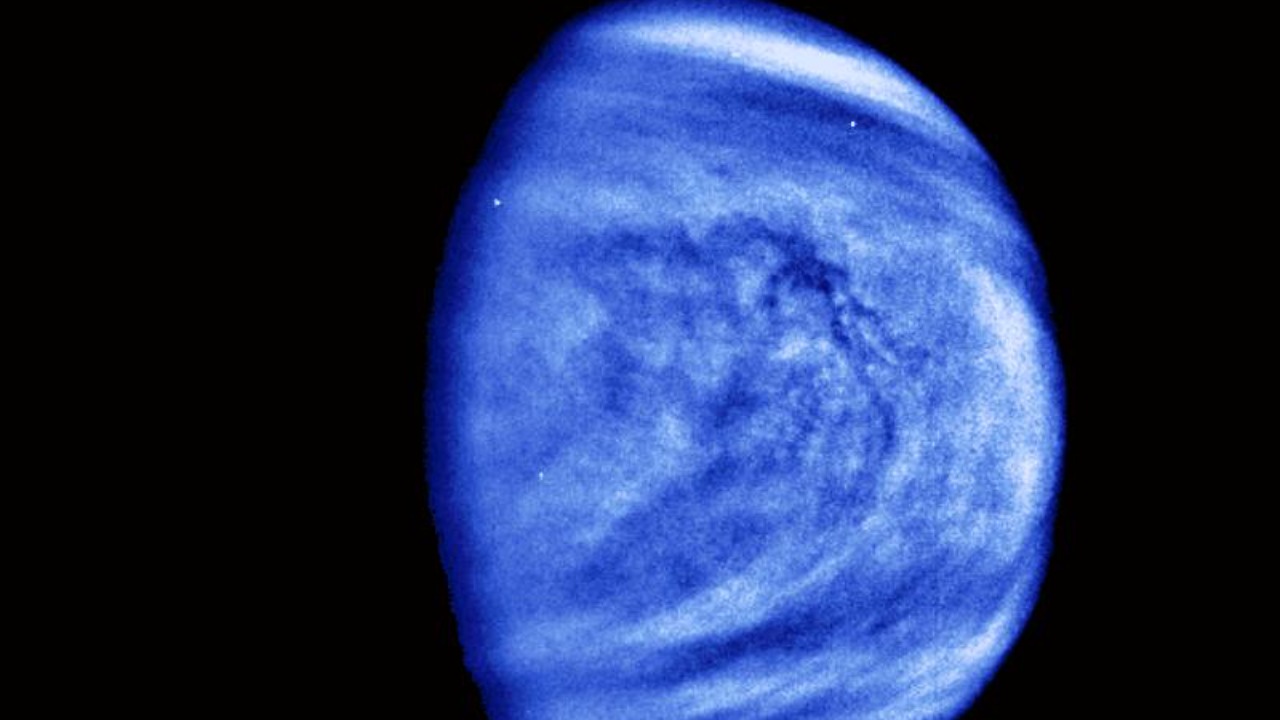
The key finding that 60% of Venus’s clouds are made of water has been reported in recent analyses, a fact that has significantly altered our perception of the planet’s atmospheric composition. This discovery was identified through comprehensive atmospheric studies, which have left scientists in awe due to the unexpected nature of the results. The revelation of such a high water content in Venus’s clouds has made the planet a subject of increased scientific interest, as reported on October 4, 2025, when Venus was described as becoming “a whole lot more interesting” due to this discovery.source
The discovery was made possible by the use of advanced atmospheric study techniques, which allowed for a more detailed analysis of Venus’s cloud composition than ever before. These techniques, which include spectroscopic analysis and remote sensing, have provided scientists with unprecedented insight into the planet’s atmospheric makeup. The revelation of such a high water content in Venus’s clouds is a testament to the power of these techniques, and their potential to transform our understanding of other planets as well.source
Scientific Surprise in Venus’s Atmospheric Composition
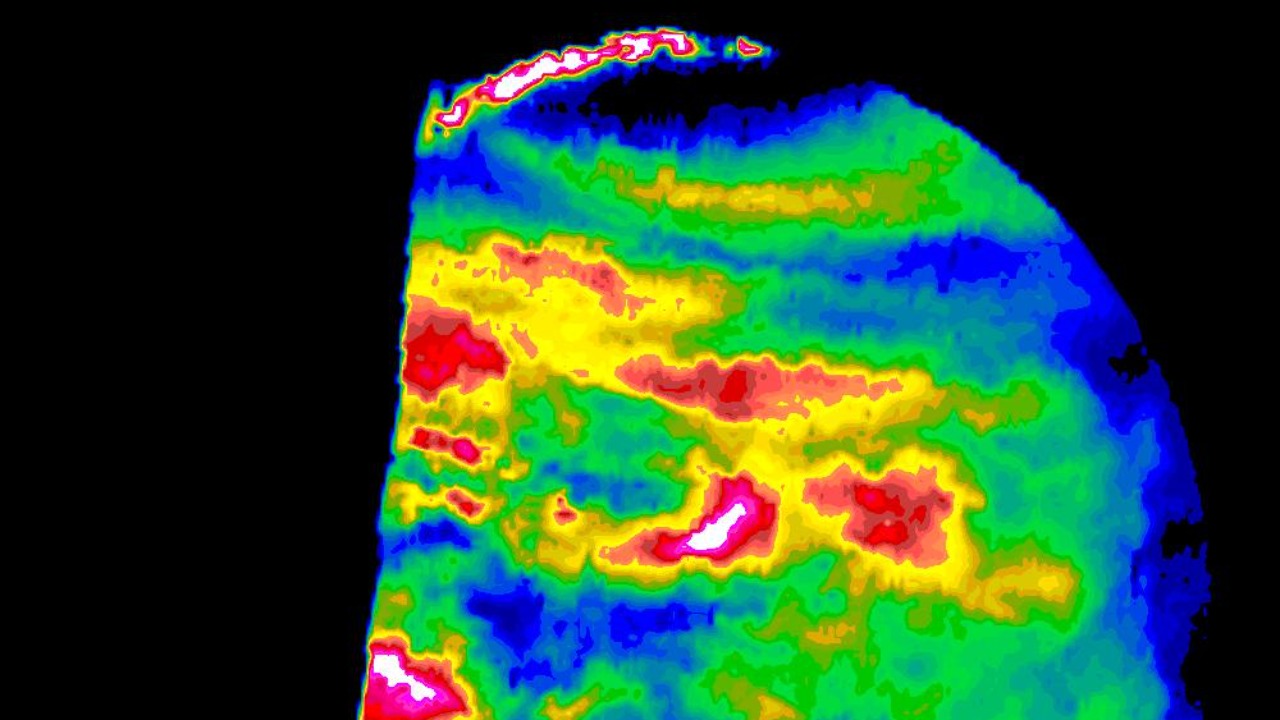
The discovery of 60% water in Venus’s clouds has been a source of surprise for the scientific community, as it contrasts starkly with prior expectations of a predominantly sulfuric acid environment. The reporting on October 3, 2025, highlighted how Venus’s atmosphere has “surprised scientists” with this water content. The initial reactions from the scientific community to the 60% water figure in cloud makeup have been of astonishment and intrigue, as this finding challenges previous assumptions about the planet’s atmospheric composition.source
Previously, Venus’s atmosphere was thought to be composed primarily of carbon dioxide and nitrogen, with traces of sulfuric acid. The discovery of such a high water content in the clouds is a significant departure from this understanding. It suggests that our models of Venus’s atmosphere, and perhaps those of other planets as well, may need to be revised. This discovery has sparked a flurry of scientific activity, as researchers scramble to understand the implications of this unexpected finding.source
Implications for Venus Research and Exploration
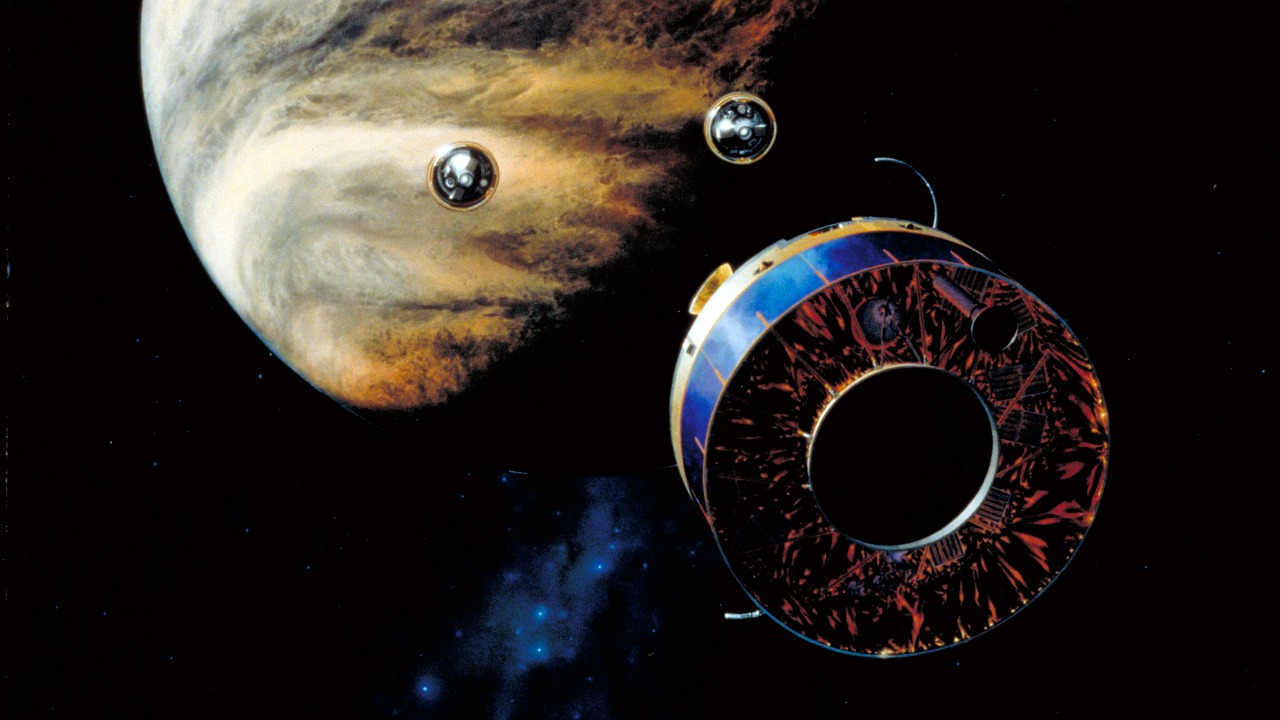
The discovery of 60% water in Venus’s clouds could have profound implications for future missions to Venus, making the planet “a whole lot more interesting” for study. The presence of such a high water content could potentially influence the design and objectives of future exploration missions. Additionally, the water composition could lead to a rethinking of Venus’s habitability potential based on this surprise discovery. Ongoing atmospheric research has been prompted by the October 4, 2025, findings on cloud water content, opening up new avenues for understanding the planet’s atmospheric dynamics.source
With the discovery of water-rich clouds, Venus has become a prime target for future space missions. The presence of water in the clouds could potentially provide a source of fuel for spacecraft, making Venus a potential pit stop for missions to the outer planets. Moreover, the water content could also influence the types of scientific instruments that future missions to Venus carry, as instruments designed to study water and its interactions with other atmospheric components could yield valuable data. This discovery has thus opened up a whole new realm of possibilities for Venus exploration.source
Broader Context of Venus’s Atmospheric Studies

The methods behind detecting 60% water in Venus’s clouds, as detailed in scientific reporting, involve sophisticated atmospheric studies that have yielded this surprising result. This discovery builds on prior Venus observations, with the October 3, 2025, coverage noting the atmospheric surprise. The exact figure of 60% water in Venus’s clouds has significant implications for planetary science, as it impacts our models of Venus and potentially other planets as well.source
The discovery of water-rich clouds on Venus is not just significant for our understanding of Venus itself, but also for our broader understanding of planetary atmospheres. It challenges our preconceived notions about what types of atmospheres are possible, and suggests that other planets may also harbor unexpected atmospheric compositions. This finding underscores the importance of continued atmospheric studies, not just on Venus, but on other planets as well. As our techniques for studying planetary atmospheres continue to improve, we can expect to uncover even more surprises about our solar system.source
