Scientists have recently uncovered a remarkable discovery on Venus: underground tunnels so vast they rival the lava tubes found on the Moon. This finding has captivated researchers, as these structures are significantly larger than previously anticipated. The revelation of these enormous tunnels not only challenges existing perceptions of Venus’s geological features but also opens new avenues for scientific exploration and understanding.
Discovery of Venus’s Underground Tunnels
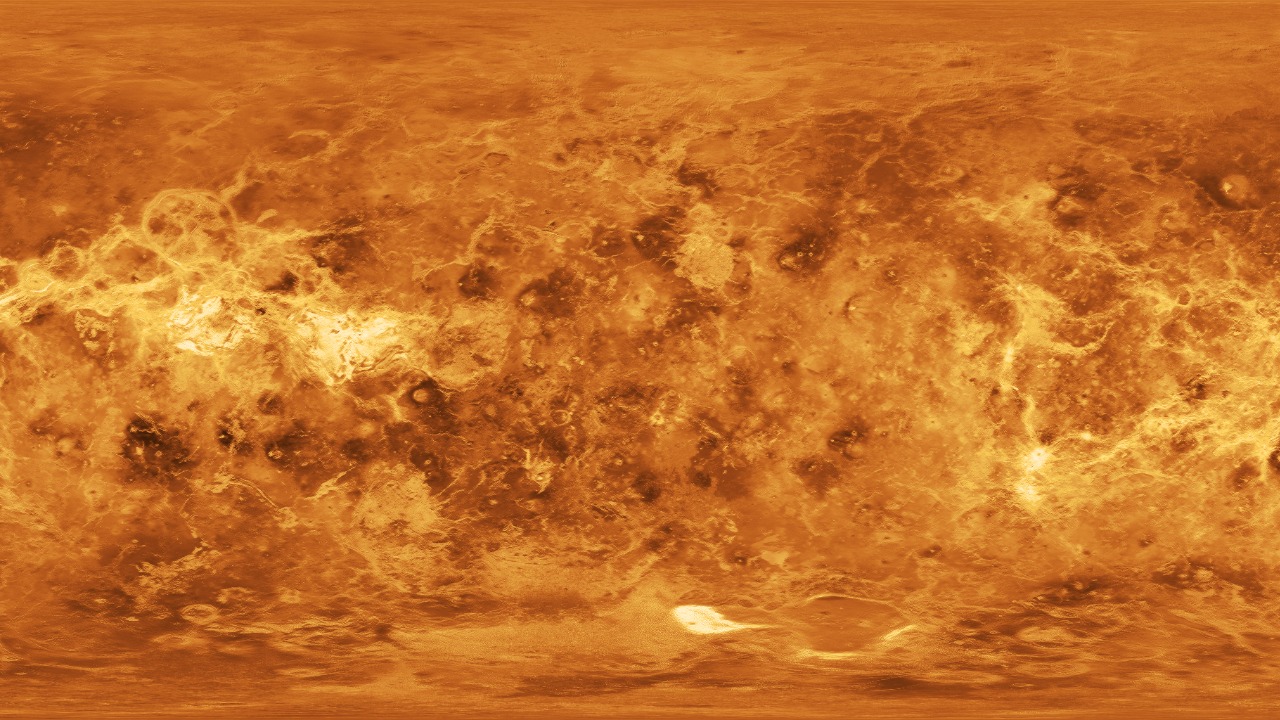
The discovery of these massive underground tunnels on Venus has brought to light the presence of enormous lava tubes, comparable in size to those on the Moon. These tunnels have been described as significantly larger than scientists had anticipated, sparking a wave of interest and curiosity within the scientific community. According to SSBCrack, the scale of these structures suggests that Venus may harbor geological features that are more complex than previously understood.
Researchers are particularly intrigued by the potential implications of these findings. The size and scope of the lava tubes could provide new insights into the volcanic activity on Venus, offering a fresh perspective on planetary geology. As noted by ZME Science, these tunnels are much larger than expected, which may indicate unique geological processes at work beneath Venus’s surface.
Implications of the Discovery

The implications of discovering such vast lava tunnels on Venus are profound. The size and scope of these structures could provide new insights into the planet’s volcanic activity, offering a fresh perspective on planetary geology. According to Yahoo News, understanding these tunnels could help scientists unravel the mysteries of Venus’s geological history and its volcanic processes.
Furthermore, these findings may influence future missions to Venus. The tunnels might serve as potential sites for exploration and study, offering a unique opportunity to investigate the planet’s subsurface environment. As highlighted by SSBCrack, the discovery of these tunnels could guide the planning and execution of future exploratory missions, potentially leading to groundbreaking discoveries about Venus and its geological characteristics.
In addition to advancing our understanding of Venus’s geological history, the discovery of these tunnels could have broader implications for planetary science. By studying these structures, scientists may gain insights into the thermal and tectonic evolution of Venus, potentially revealing parallels with Earth’s geological processes. This could enhance our understanding of how similar planets develop over time, offering clues about the conditions necessary for sustaining life. As noted by MSN, the scale and complexity of these tunnels might also suggest that Venus once experienced more dynamic geological activity than previously thought.
Moreover, the discovery could influence the search for extraterrestrial life. While Venus’s surface conditions are inhospitable, the subsurface environment within these tunnels might offer more stable conditions that could harbor microbial life. This possibility makes Venus an intriguing target for astrobiological studies. As highlighted by ZME Science, understanding the potential for life in such extreme environments could inform the search for life on other planets with harsh surface conditions, such as Mars or the icy moons of Jupiter and Saturn.
Comparison with Lunar Lava Tubes

The underground tunnels on Venus are notable for their size, which rivals that of the well-documented lava tubes on the Moon. This comparison raises intriguing questions about the geological processes that could lead to the formation of such large structures on both celestial bodies. As reported by MSN, the similarities in size between the Venusian and lunar lava tubes suggest that similar volcanic processes may be at play, despite the vastly different environments of the two planets.
Understanding the formation and characteristics of these tunnels could provide valuable insights into the geological history of both Venus and the Moon. The comparison also highlights the potential for cross-planetary studies, where findings from one celestial body could inform our understanding of another. This approach could lead to a more comprehensive understanding of volcanic activity across the solar system, as noted by Yahoo News.
Challenges in Exploration
Exploring these vast tunnels poses significant challenges due to Venus’s harsh atmospheric conditions, which have historically hindered detailed study. The planet’s thick atmosphere and extreme surface temperatures make it difficult for spacecraft to operate and gather data. As highlighted by ZME Science, developing technology capable of withstanding Venus’s environment will be crucial for future exploration efforts.
To overcome these challenges, scientists and engineers are working on innovative solutions to enable the exploration of Venus’s underground tunnels. This includes designing robust spacecraft and instruments that can withstand the planet’s extreme conditions. As noted by Yahoo News, advancing our technological capabilities will be essential for unlocking the secrets of Venus’s subterranean world and gaining a deeper understanding of its geological features.
