The Vatican’s vast archives, often shrouded in mystery, hold centuries of historical documents, some of which are pivotal to the understanding of world history and religion. These archives, known as the Vatican Secret Archives, are not only a testament to the Catholic Church’s rich history but also a source of speculation and intrigue. This article explores the enigmatic nature of these archives and the secrets they guard.
The Mystique of the Vatican Archives
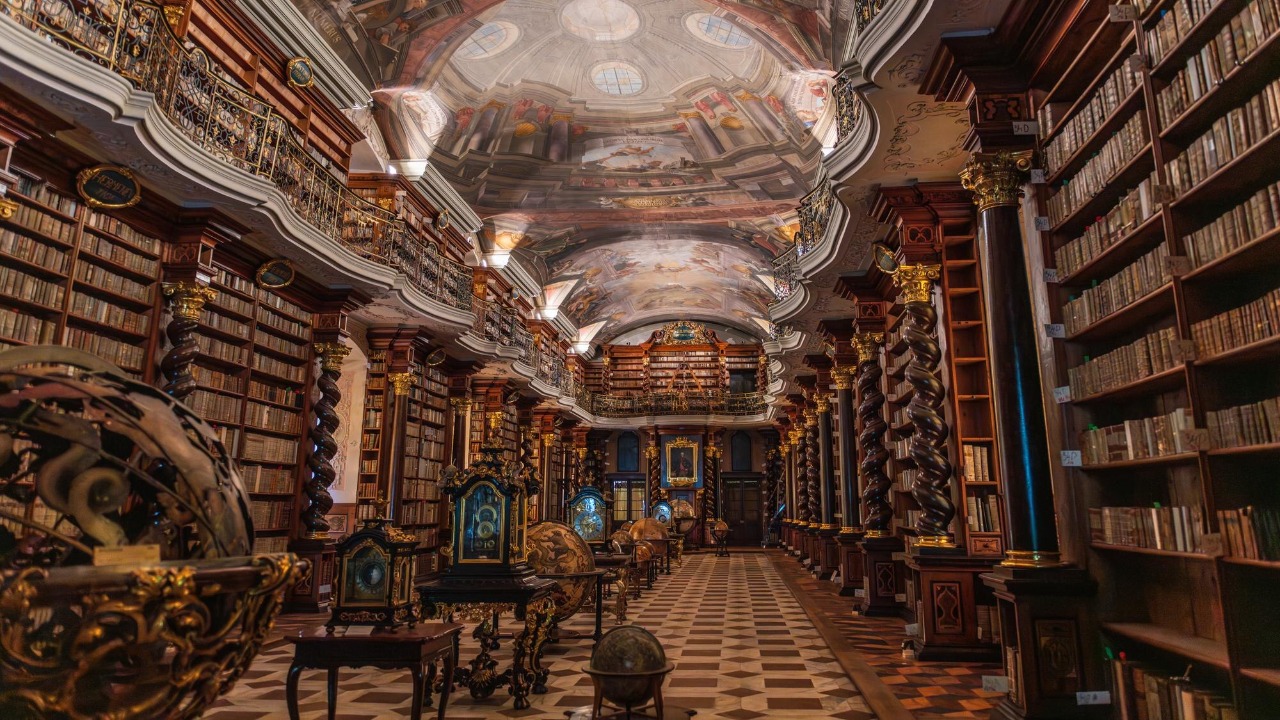
The origins of the Vatican Archives date back to the early 17th century when Pope Paul V established them as a separate entity from the Vatican Library. Over the centuries, these archives have expanded significantly, becoming a repository for a vast array of documents that chronicle the Church’s history and its interactions with the world. The Archives serve as a testament to the Church’s enduring influence and a reflection of its complex relationship with global history.
Access to the Vatican Archives is tightly controlled, with only qualified scholars allowed to enter under strict regulations. This exclusivity has fueled speculation about the contents of the archives, making them a subject of intense intrigue. The allure of what lies behind those closed doors is heightened by the secrecy surrounding them, leading to numerous myths and legends. Some of these legends suggest the presence of controversial documents, while others hint at hidden truths about pivotal historical events.
Among the most popular legends is the theory that the archives house evidence of extraterrestrial life or secret documents about the true origins of Christianity. These speculations, while unfounded, highlight the human tendency to fill gaps in knowledge with imaginative narratives. Such stories, although fictional, contribute to the enduring mystique of the Vatican Archives and continue to capture the public’s imagination.
Treasures of Knowledge and Faith
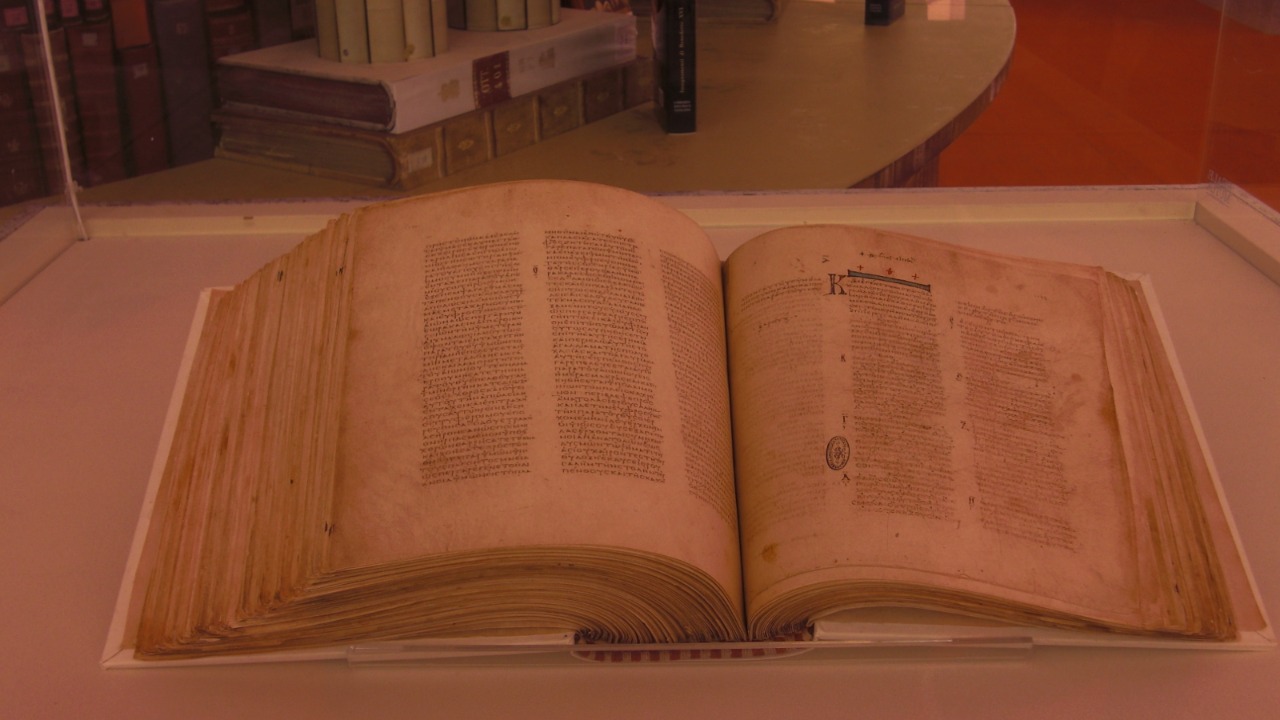
Within the Vatican Archives lie some of the most significant ancient manuscripts in existence. These documents offer invaluable insights into religious, cultural, and political history. One notable example is the Codex Vaticanus, one of the oldest extant manuscripts of the Greek Bible. The preservation of such texts is crucial for understanding the development of religious thought and the historical context of biblical writings.
The archives also play a vital role in safeguarding religious relics and artifacts, which are integral to the faith of millions. By preserving these objects, the Church maintains a tangible connection to its past, providing a rich resource for scholars and believers alike. The presence of these relics underscores the importance of the archives as a custodian of both spiritual and scholarly treasures.
Unpublished documents housed within the archives hold the potential to reshape our understanding of history. For historians and theologians, these documents represent untapped sources of knowledge that could reveal new perspectives on long-standing historical debates. As scholars continue to study these materials, the potential for groundbreaking discoveries remains ever-present.
Historical Controversies and Revelations
The Vatican Archives have been instrumental in shedding light on some of the most contentious periods in Church history. Documents related to the Inquisition and the Reformation, for instance, have provided crucial insights into the Church’s internal struggles and its interactions with broader societal forces. These records offer a comprehensive view of how the Church navigated periods of crisis and transformation.
Political intrigue is another area where the archives have proven invaluable. They contain documents that reveal the Vatican’s diplomatic relations with various world leaders and governments throughout history. These records illustrate the complex interplay between religion and politics and highlight the Vatican’s role as a significant player on the global stage. As researchers delve into these documents, they continue to uncover new facets of the Vatican’s political influence.
Despite the wealth of information available, many historical mysteries remain unsolved. Scholars and researchers are continually drawn to the archives in search of answers to these enduring questions. The ongoing quest for knowledge underscores the archives’ significance as a center for historical inquiry and intellectual exploration.
Cultural and Academic Impact
The Vatican Archives serve as an essential resource for scholars across various disciplines. Historians, theologians, and researchers rely on the archives to advance academic discourse and deepen our understanding of the Church’s role in history. The findings from these studies often challenge existing narratives and contribute to a more nuanced view of historical events.
Beyond academia, the archives play a crucial role in preserving cultural heritage. By safeguarding these documents, the Vatican ensures that future generations can access a wealth of historical knowledge. This commitment to preservation enriches our global understanding of history and religion, fostering a deeper appreciation for the past.
Looking to the future, the Vatican Archives face the challenge of adapting to the digital age. Efforts to digitize the archives are already underway, promising to enhance accessibility for researchers worldwide. As technology advances, the potential for broader dissemination of these invaluable resources could transform the landscape of historical scholarship.
The Vatican Archives in Popular Media
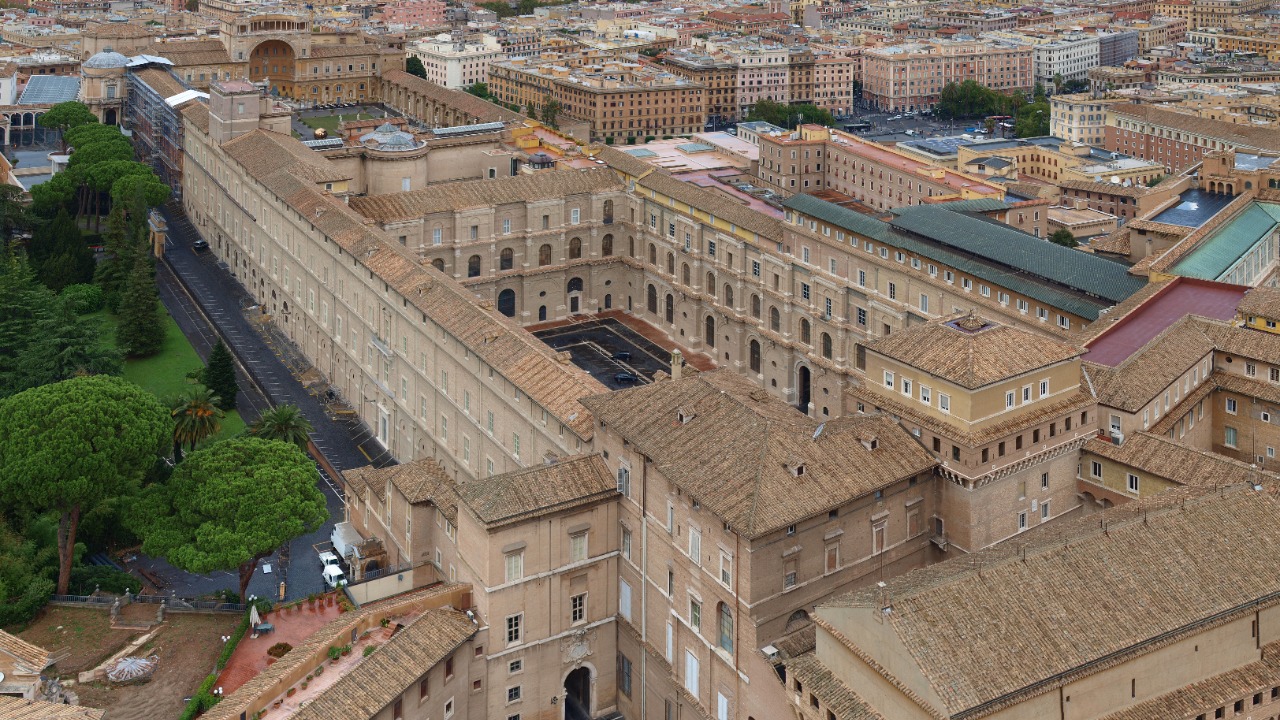
Popular media has played a significant role in shaping public perceptions of the Vatican Archives. Documentaries and films, such as those reviewed in this collection, often explore the secretive world of the archives, drawing viewers into the mysteries they hold. These productions contribute to the ongoing fascination with the archives and spark curiosity about what lies within.
Fictional representations of the Vatican Archives also abound in literature and film. Authors and filmmakers frequently use the archives as a backdrop for stories of intrigue and adventure, blending historical fact with fiction. These portrayals, while fictional, shape public perceptions and fuel the imagination, adding another layer to the mystique of the archives.
The role of media in shaping public curiosity cannot be understated. By bringing the Vatican Archives into the spotlight, media outlets contribute to the ongoing intrigue and speculation surrounding these storied halls. As public interest in the archives endures, so too does the allure of their secrets, ensuring that the Vatican Archives remain a subject of fascination for generations to come.
