
The United States Marine Corps (USMC) has officially retired the Amphibious Assault Vehicle (AAV) after over 50 years of service. The AAV, known as a “workhorse” in Marine Corps operations, has been a key asset in amphibious assaults. This retirement marks the end of an era, reflecting evolving military needs while honoring the vehicle’s iconic status in defense history.[1][2][3][4][5]
Development and Introduction of the AAV
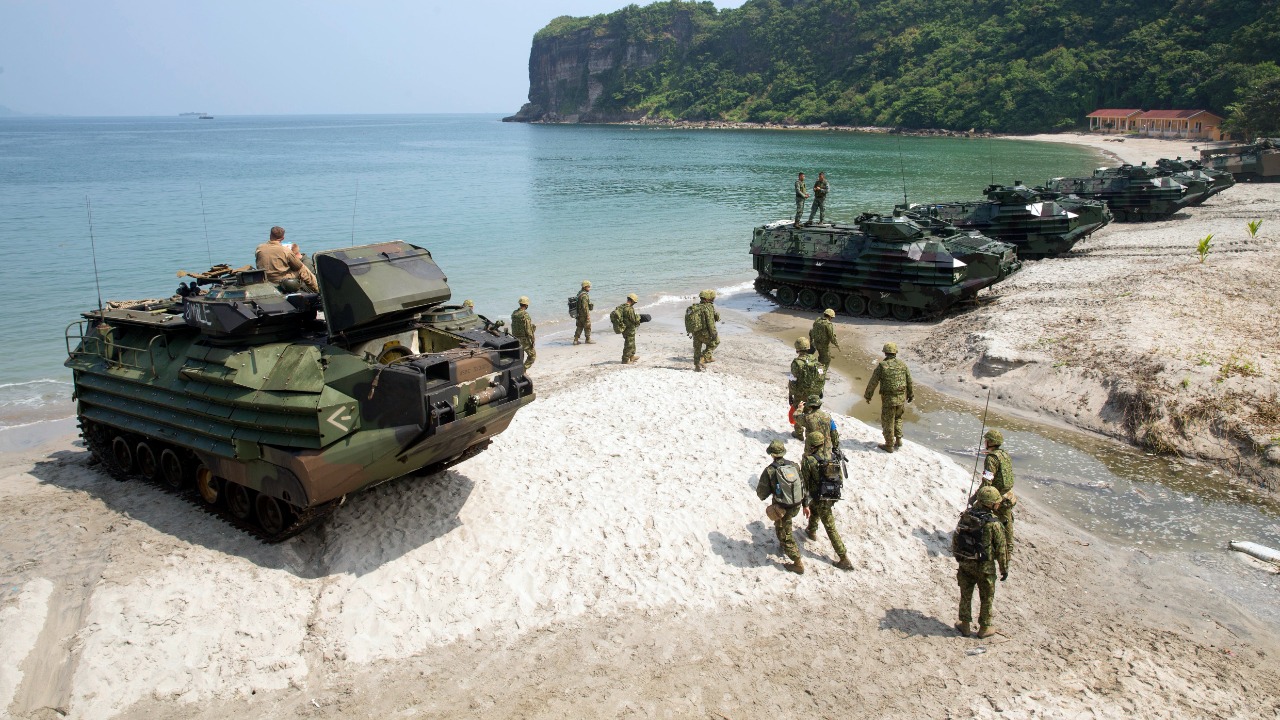
The AAV was developed as a tracked armored vehicle designed specifically for amphibious operations by the USMC[2]. Its initial deployment in the 1970s established it as a foundational element of Marine Corps amphibious capabilities[1]. The vehicle’s design emphasized versatility, enabling both water and land mobility in assault scenarios[3].
The development of the AAV was a response to the USMC’s need for a versatile and robust vehicle that could navigate both land and water terrains. The design process was meticulous, with engineers focusing on creating a vehicle that could withstand the rigors of combat while also being able to traverse diverse environments. The AAV’s design incorporated features such as a water jet propulsion system for water navigation and a tracked system for land mobility. This dual functionality made it a unique asset in the USMC’s arsenal[2].
Upon its introduction in the 1970s, the AAV quickly proved its worth. It was immediately recognized for its ability to transport troops and equipment from ship to shore, providing a critical link in the chain of amphibious operations. The AAV’s introduction marked a significant advancement in the USMC’s amphibious capabilities, setting a new standard for future developments[1].
Operational Service Timeline
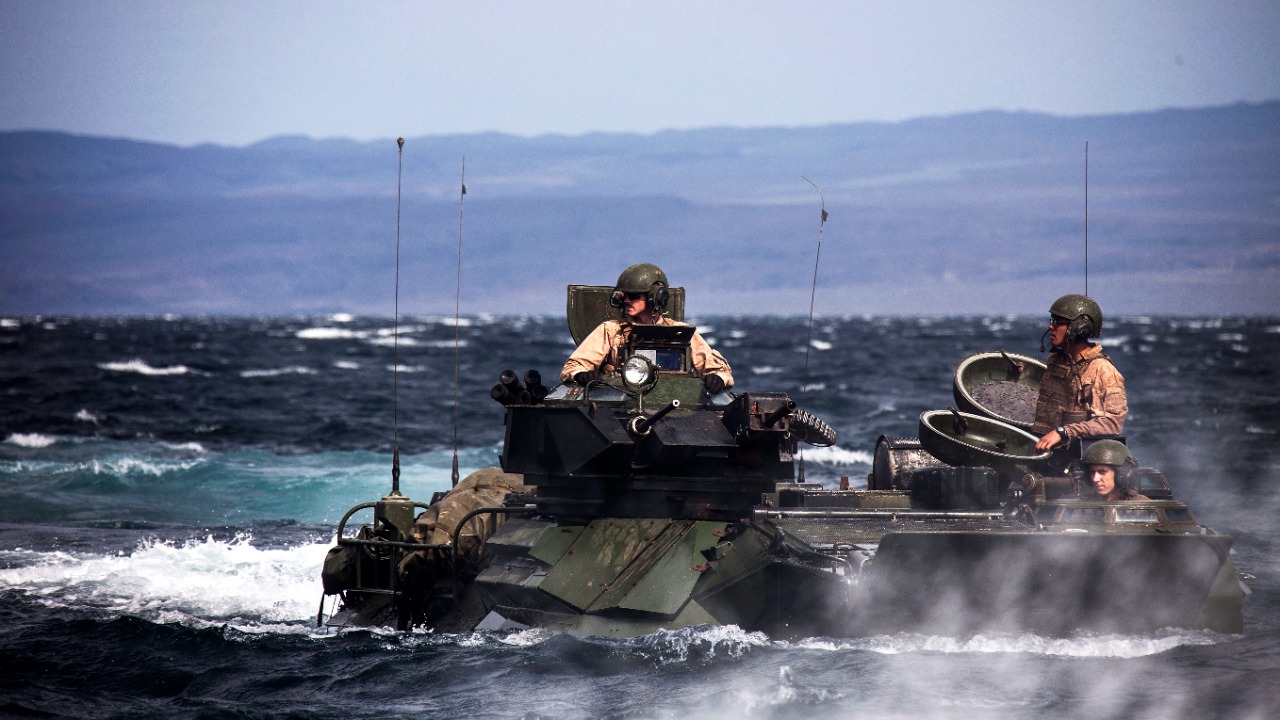
Providing over 50 years of continuous service to the USMC, the AAV has been an active duty asset spanning multiple decades[3]. Its operations included roles in various global Marine Corps deployments and exercises[5]. The retirement of the AAV was officially executed by the USMC in 2025, concluding its long-term operational lifecycle[4].
Throughout its service, the AAV has been deployed in numerous conflicts and operations worldwide. From the jungles of Vietnam to the deserts of the Middle East, the AAV has proven its versatility and resilience. Its ability to adapt to different environments and operational demands has been a testament to its robust design and the ingenuity of the Marines who operated it[3].
The AAV’s retirement in 2025 marked the end of an era for the USMC. The decision to retire the AAV was not taken lightly, reflecting the changing nature of warfare and the need for more advanced and specialized vehicles. Despite its retirement, the AAV’s legacy continues to influence the design and development of future amphibious vehicles[4].
Key Roles in USMC Missions
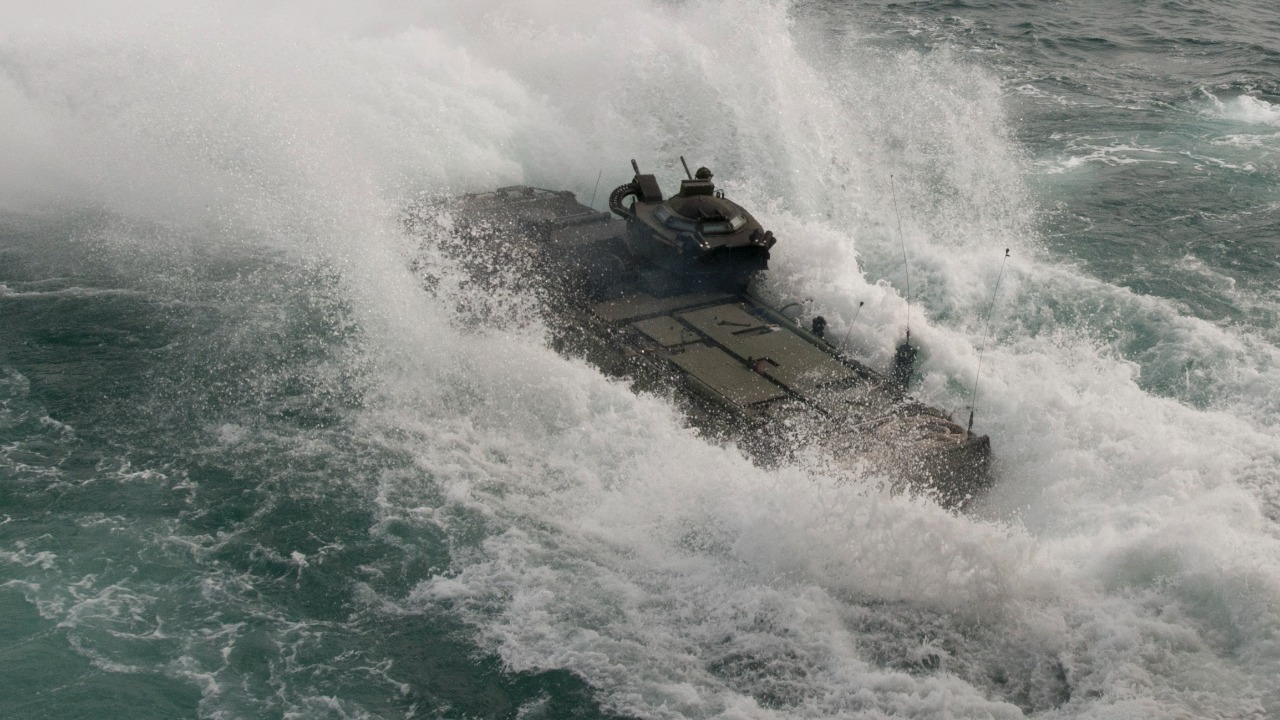
The AAV functioned as a primary vehicle for transporting Marines from ship to shore during amphibious assaults[1]. Described as a “workhorse,” the AAV supported frontline operations across diverse environments over its service period[5]. Its capabilities enabled effective integration into Marine Corps assault strategies for decades[2].
As a primary vehicle for amphibious assaults, the AAV played a crucial role in the USMC’s mission to project power from the sea. Its ability to transport a full Marine Rifle Squad and their equipment from ship to shore under hostile conditions made it an indispensable asset in amphibious operations. The AAV’s role extended beyond transportation, as it also provided direct fire support during assaults, enhancing the Marines’ combat effectiveness[1].
Over the years, the AAV’s role evolved to meet the changing needs of the USMC. It was used in various capacities, including as a command and control vehicle, an ambulance, and a recovery vehicle. This adaptability further cemented the AAV’s status as a ‘workhorse,’ demonstrating its value in a wide range of operational contexts[5].
Challenges and Maintenance Over Time
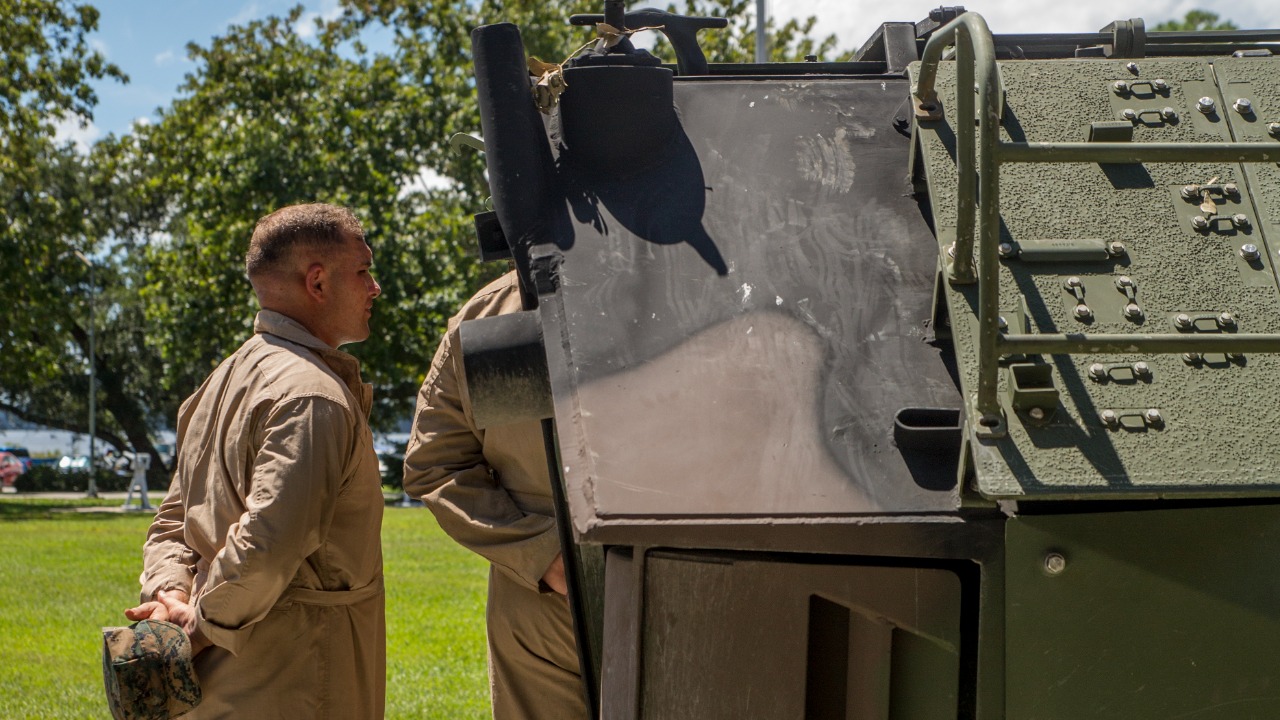
Sustaining the AAV through five decades involved ongoing adaptations to maintain its reliability in service[1]. The USMC managed the AAV’s aging fleet, addressing wear from extended operational use[3]. Despite maintenance demands, the iconic status of the AAV highlighted its enduring presence[4].
Despite its robust design and versatility, the AAV faced several challenges over its five decades of service. As with any military vehicle, the AAV was subject to wear and tear from extended operational use. This necessitated regular maintenance and upgrades to ensure its continued reliability and effectiveness. The USMC implemented various modernization programs over the years to enhance the AAV’s capabilities and extend its service life[1].
However, as the AAV aged, the cost and complexity of maintaining and upgrading the vehicle increased. This, coupled with the emergence of new technologies and changing operational requirements, led to the decision to retire the AAV. Despite these challenges, the AAV’s retirement does not diminish its significant contributions to the USMC’s amphibious capabilities[3].
Retirement Process and Implications
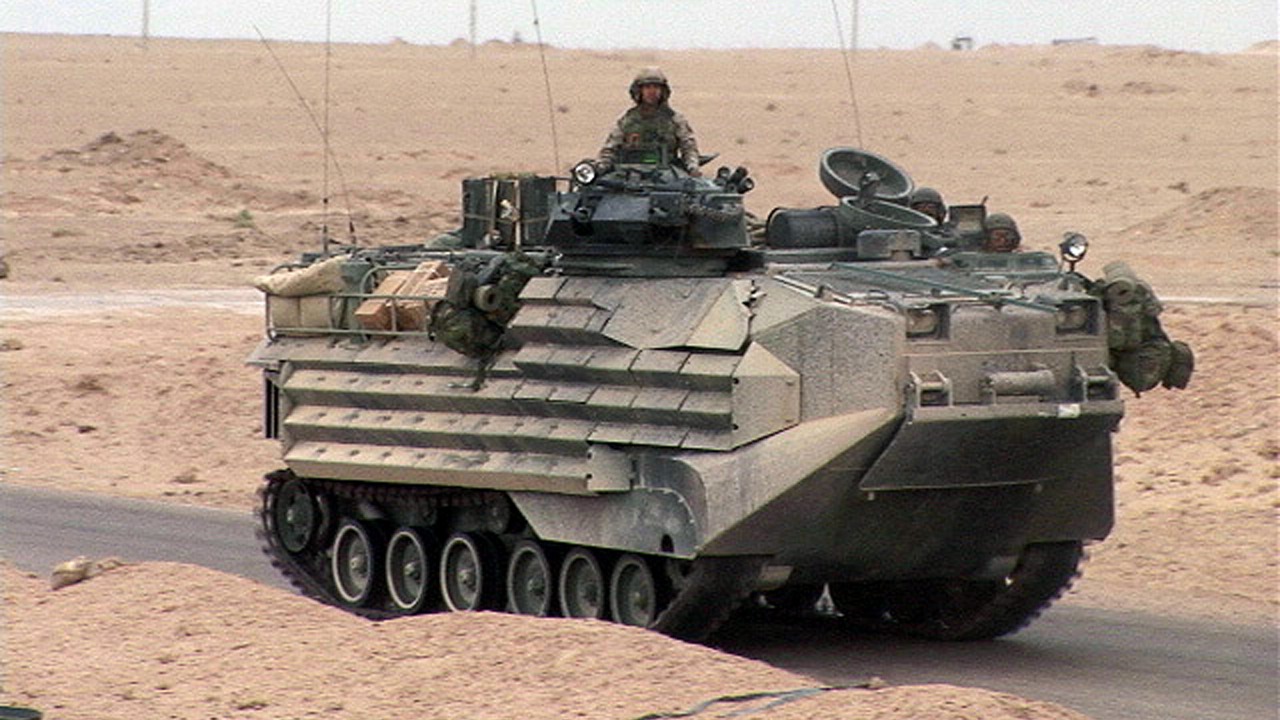
The official retirement of the AAV by the USMC occurred after its five-decade tenure, signaling a shift in amphibious vehicle strategy[2]. The phase-out process involved decommissioning the remaining AAV inventory in 2025[5]. This retirement underscores the USMC’s transition away from legacy systems like the AAV[1].
The process of retiring the AAV was a complex one, involving the decommissioning of the remaining AAV inventory and the transition to newer platforms. This process was carefully planned and executed to ensure a smooth transition and to maintain the USMC’s amphibious capabilities. The retirement of the AAV also involved the retraining of Marines to operate and maintain the new vehicles that would replace the AAV[2].
Legacy and Future Outlook
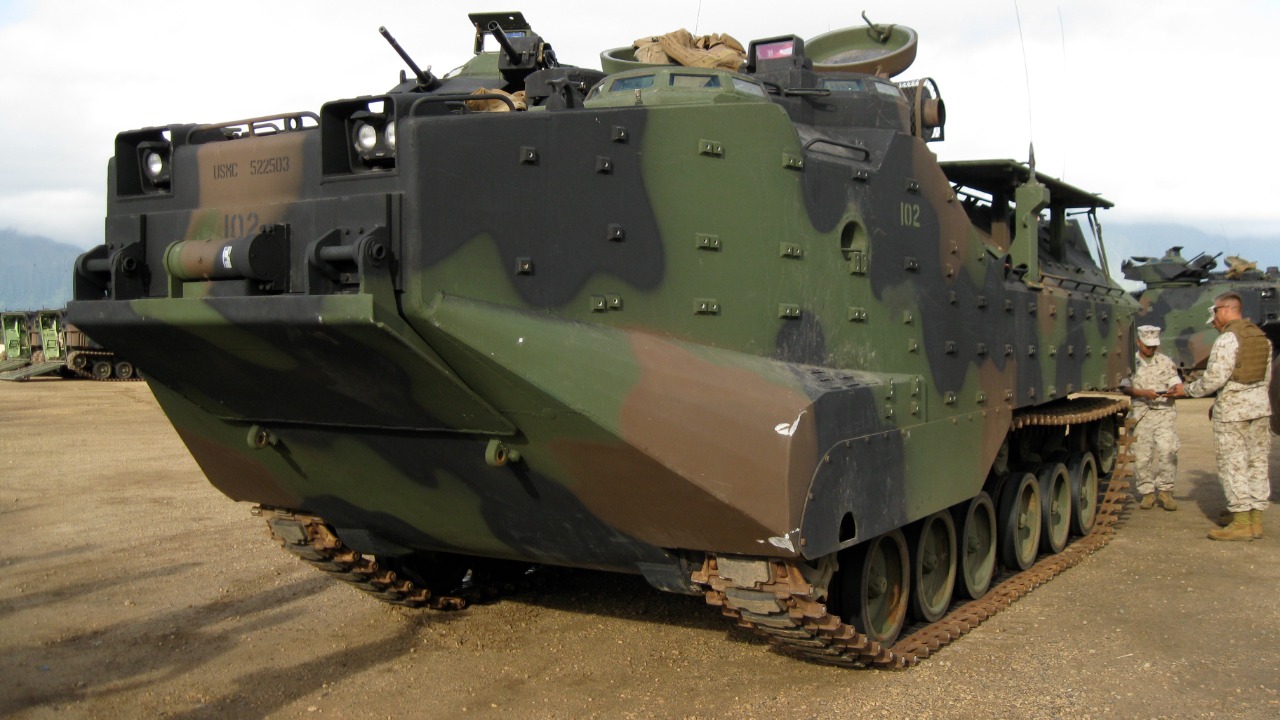
The AAV leaves a legacy as an over 50-year cornerstone of USMC amphibious warfare capabilities[3]. Post-retirement, the USMC will rely on newer platforms to replace the AAV’s roles in assaults[4]. Recognition of the AAV’s five decades of service emphasizes its historical impact on Marine Corps doctrine[2].
The AAV’s legacy is one of resilience, versatility, and service. For over 50 years, it served as a cornerstone of the USMC’s amphibious warfare capabilities, playing a crucial role in numerous operations worldwide. The AAV’s impact extends beyond its operational achievements, as it also influenced the development of future amphibious vehicles. Its design principles and operational lessons learned continue to guide the development of the USMC’s next generation of amphibious vehicles[3].
Looking ahead, the USMC is set to replace the AAV with newer platforms that offer enhanced capabilities. These new vehicles are designed to meet the demands of modern warfare, offering improved mobility, protection, and firepower. While the AAV’s retirement marks the end of an era, it also heralds a new chapter in the USMC’s amphibious capabilities, ensuring that the legacy of the AAV continues to influence future developments[4].
