
The U.S. is moving toward eliminating technology that automatically stops car engines at red lights, a feature designed to reduce emissions and save fuel. This decision has sparked debate among environmentalists, automakers, and policymakers about the future of eco-friendly automotive technologies.
The Evolution of Engine Stop-Start Technology

Engine stop-start technology has been around for decades, first gaining traction in Europe before making its way to the U.S. The system automatically shuts off the engine when a vehicle comes to a stop and restarts it when the driver releases the brake pedal. This innovation was driven by the need to improve fuel efficiency and reduce emissions, aligning with stricter environmental regulations. Over the years, advancements in battery and starter motor technology have made these systems more efficient and less intrusive, leading to widespread adoption.
The benefits of stop-start systems are tangible. These systems help reduce fuel consumption, which in turn lowers carbon dioxide emissions. For consumers, this translates into significant fuel cost savings, especially in urban settings with frequent stop-and-go traffic. Automakers have also embraced this technology as a cost-effective way to meet regulatory requirements for emissions and fuel economy. The appeal of this technology lies in its ability to offer environmental benefits without requiring major changes to existing vehicle designs.
Reasons Behind the Proposed Elimination
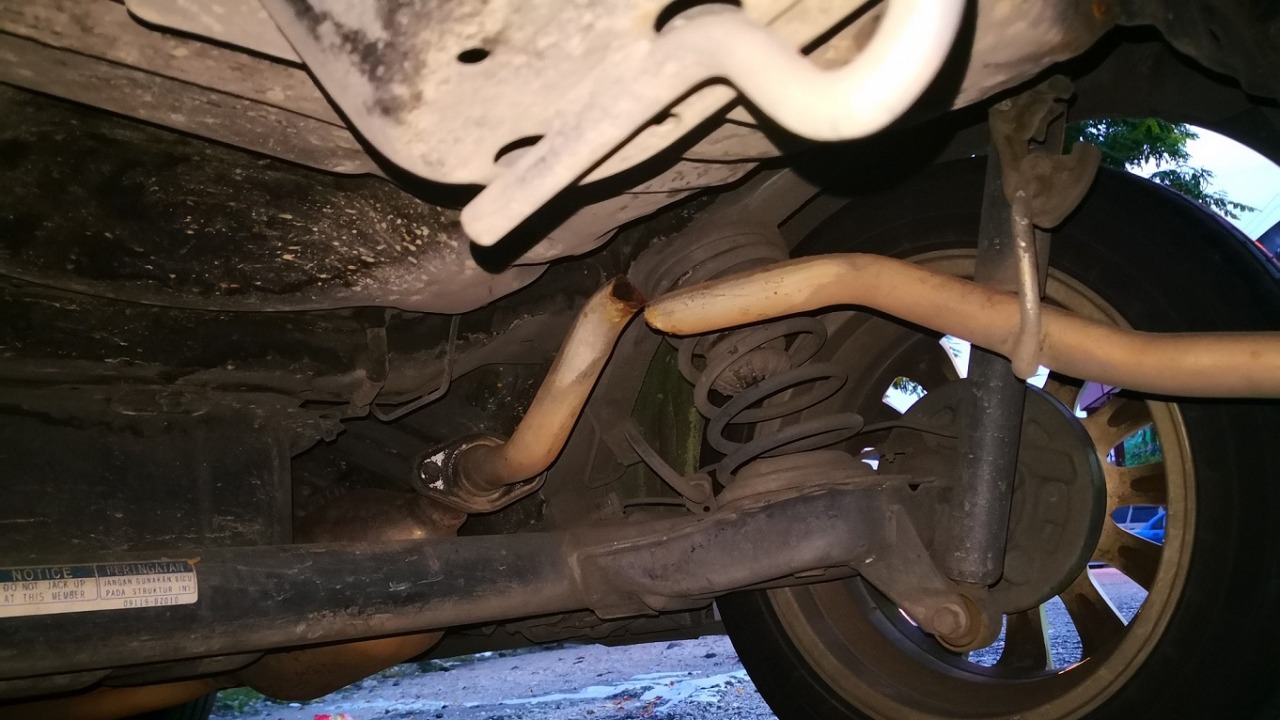
The proposed elimination of stop-start technology stems from recent regulatory changes and political influences. The Environmental Protection Agency (EPA) under the current administration has suggested rolling back certain emissions standards, arguing that the benefits of stop-start systems do not justify their cost. This shift in policy reflects a broader trend toward deregulation, with some policymakers questioning the efficacy and necessity of such eco-friendly technologies.
Industry and consumer feedback on this potential change is mixed. Some automakers express concern over losing a key tool in their emissions-reduction toolkit, while others see it as an opportunity to explore new innovations. Consumers, on the other hand, have varied opinions. While some appreciate the fuel savings and environmental benefits, others find the system’s frequent engine restarts annoying or unnecessary. This diverse range of reactions highlights the complexity of balancing technological progress with regulatory and consumer expectations.
Environmental and Economic Implications
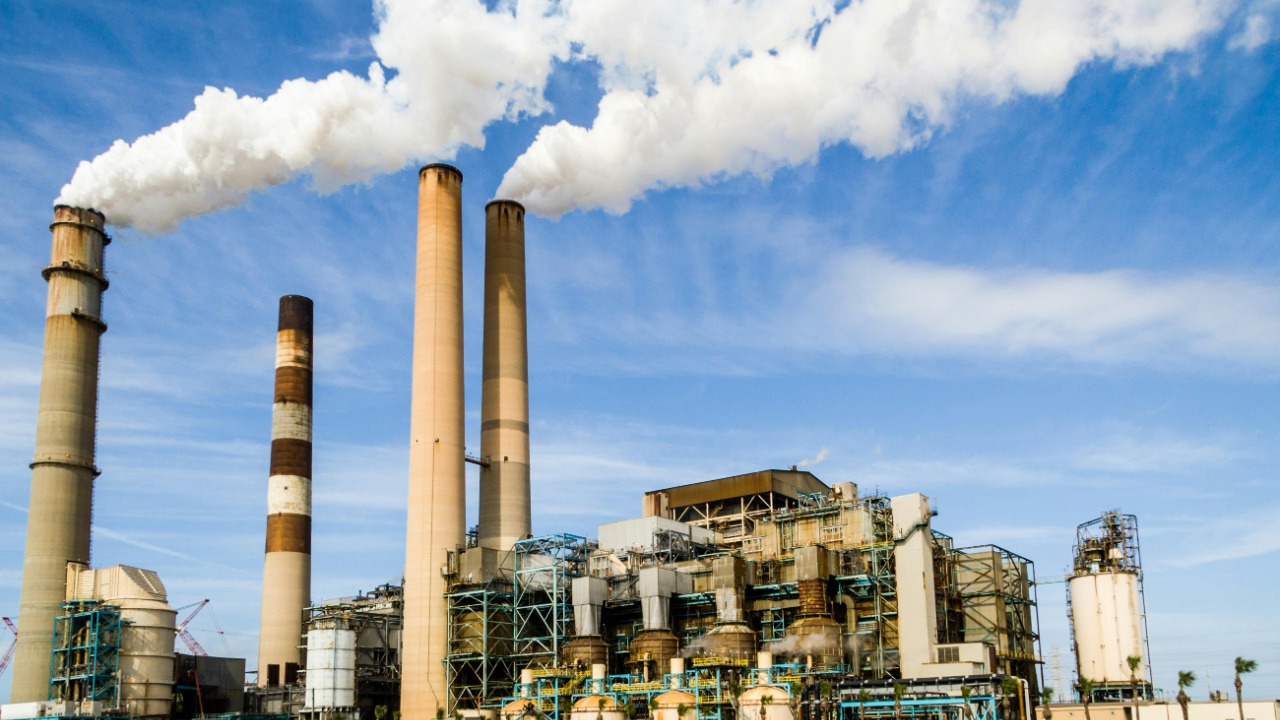
The removal of stop-start technology could have significant environmental consequences. These systems play a crucial role in reducing emissions by cutting fuel consumption during idling periods. As a result, eliminating them could increase vehicle emissions, negatively impacting air quality and the overall carbon footprint of the automotive industry.
Economically, the implications extend to both consumers and manufacturers. For consumers, the absence of stop-start systems could lead to higher fuel expenses, negating the cost savings associated with reduced fuel consumption. For automakers, phasing out this technology may affect their ability to meet emissions standards, potentially leading to increased costs in developing alternative solutions. The economic ripple effect could be substantial, influencing vehicle pricing, manufacturing processes, and consumer purchasing decisions.
Alternative Technologies and Future Prospects

As the U.S. considers phasing out stop-start technology, other eco-friendly innovations are gaining attention. Hybrid and electric vehicles present viable alternatives, offering greater emissions reductions compared to traditional internal combustion engines. Advances in battery technology and charging infrastructure are making these vehicles more accessible and attractive to consumers.
Future policy and market trends will play a pivotal role in shaping the landscape of sustainable automotive technologies. Government incentives, consumer demand, and technological breakthroughs will drive the adoption of alternative systems. As the industry evolves, it is essential to balance economic growth with environmental stewardship, fostering a market that supports sustainable innovation.
Public and Political Reactions

The decision to eliminate stop-start technology has sparked a debate among stakeholders. Environmental groups argue that this move undermines efforts to combat climate change, urging policymakers to prioritize sustainability. Meanwhile, some industry leaders view it as an opportunity to explore new technologies and redefine their approach to eco-friendly innovation.
Looking ahead, the future of green technology in the U.S. remains uncertain. The interplay between government policies and industry initiatives will determine the trajectory of sustainable practices. As stakeholders continue to navigate this evolving landscape, the role of innovation, regulation, and consumer choice will be crucial in shaping a greener future for the automotive industry.
