The United States is taking a significant step forward in its energy infrastructure with plans to build the nation’s first national hydrogen pipeline. This initiative is part of a broader strategy to transition to cleaner energy sources and reduce carbon emissions. By investing in hydrogen technology, the U.S. aims to boost its clean manufacturing sector and create new economic opportunities nationwide.
Rationale Behind the Hydrogen Pipeline Initiative
Environmental Benefits
Hydrogen is often touted as the future of clean energy due to its potential to significantly reduce carbon emissions. When used as a fuel, hydrogen produces only water as a byproduct, making it an attractive alternative to fossil fuels. The development of a hydrogen pipeline is a substantial move toward meeting the Biden-Harris administration’s climate goals, which aim to cut U.S. greenhouse gas emissions in half by 2030. This initiative also aligns with international commitments such as the Paris Agreement, which seeks to limit global warming to well below 2 degrees Celsius.
Hydrogen can play a pivotal role in decarbonizing several industries, including transportation, heating, and industrial processes. By establishing a national hydrogen pipeline, the U.S. is setting a foundation for a cleaner, more sustainable energy infrastructure. This could considerably enhance the country’s ability to meet its environmental targets and help mitigate the adverse impacts of climate change.
Economic Opportunities
The potential economic benefits of the hydrogen pipeline are vast. The initiative is expected to create thousands of jobs in the clean energy sector, ranging from manufacturing to maintenance. The development of the pipeline will likely spur increased investments in hydrogen technology, further strengthening the country’s position in the global clean energy market. By emphasizing local manufacturing and technological innovation, the U.S. could become a leader in hydrogen production and distribution.
Moreover, the pipeline could catalyze economic growth in regions that are currently reliant on traditional energy industries. As these areas transition to cleaner energy sources, they could experience a revitalization through new job opportunities and investments. This shift would not only benefit the national economy but also support local communities by providing stable, well-paying jobs in the burgeoning green energy sector.
Challenges in Building the Hydrogen Pipeline
Technical and Engineering Hurdles
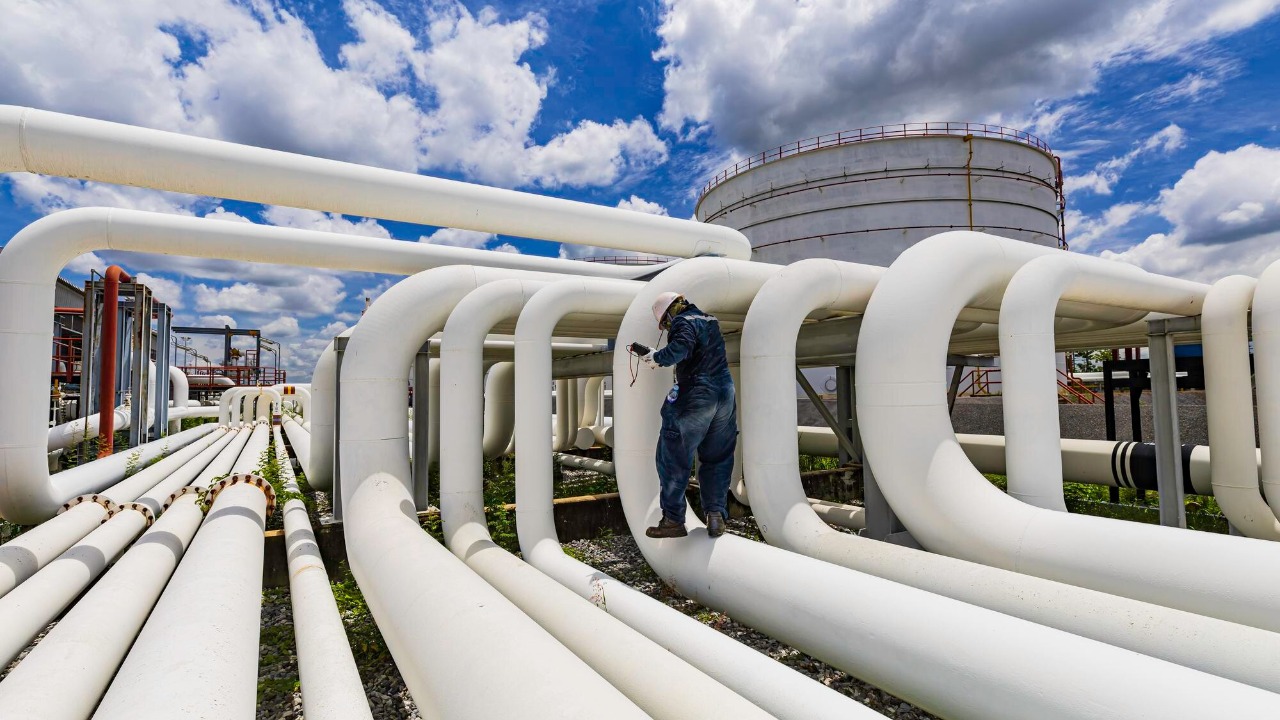
Building a hydrogen pipeline presents significant technical and engineering challenges. Hydrogen is a highly flammable gas that requires specialized materials and safety measures to transport safely. Traditional steel pipelines used for oil and natural gas are not suitable for hydrogen, as the gas can cause embrittlement, leading to potential leaks and failures. Engineers must therefore develop new materials and coatings that can withstand hydrogen’s unique properties.
Insights from recent engineering studies and reports on hydrogen infrastructure highlight the need for extensive research and development to address these challenges. Technological innovations such as composite materials and advanced sensors for leak detection are being explored to ensure the pipeline’s safety and efficiency. Overcoming these hurdles is crucial for the successful implementation of the hydrogen pipeline and the broader adoption of hydrogen as a clean energy source.
Regulatory and Policy Obstacles
The construction of a national hydrogen pipeline also faces regulatory and policy challenges. The existing regulatory framework is primarily designed for traditional energy sources, necessitating new policies and guidelines to support hydrogen infrastructure. Policymakers must devise comprehensive regulations that address safety, environmental impact, and cross-state coordination.
Additionally, potential opposition from stakeholders in conventional energy sectors could pose significant obstacles. These stakeholders may resist the shift towards hydrogen due to concerns about market share and economic impact. To address these challenges, the government will need to engage in proactive dialogue with industry stakeholders and develop incentives to facilitate a smooth transition. A strategic approach will be essential to overcoming these hurdles and advancing the hydrogen pipeline initiative.
Comparative Analysis with Other Countries

Global Leaders in Hydrogen Infrastructure
Several countries are already leading the way in hydrogen infrastructure development, offering valuable insights for the U.S. Germany, Japan, and South Korea have made significant strides in establishing comprehensive hydrogen networks and integrating hydrogen into their energy systems. For example, Germany’s National Hydrogen Strategy aims to make the country a global leader in hydrogen technology by investing heavily in research, production, and infrastructure.
Comparing the U.S. approach with these international models reveals important lessons and best practices. For instance, Germany’s focus on public-private partnerships and government incentives could serve as a model for the U.S. to accelerate its hydrogen initiatives. Learning from these countries’ experiences can help the U.S. refine its strategy and avoid potential pitfalls in developing its hydrogen infrastructure.
Transnational Collaborations and Partnerships
There are numerous opportunities for the U.S. to collaborate with other countries on hydrogen technology and infrastructure projects. International partnerships can facilitate knowledge sharing, technological innovation, and investment, accelerating the global transition to clean energy. Collaborating with countries that have already made significant progress in hydrogen infrastructure can provide valuable insights and reduce the learning curve for the U.S.
However, such collaborations also come with challenges. Differences in regulatory frameworks, market dynamics, and geopolitical considerations must be navigated to ensure successful partnerships. Despite these challenges, transnational collaborations hold significant potential for advancing hydrogen energy goals and creating a more sustainable global energy landscape.
Future Implications for the U.S. Energy Landscape

Long-term Energy Transition
The introduction of a national hydrogen pipeline could have profound implications for the U.S. energy landscape over the coming decades. As hydrogen becomes more widely adopted, it could lead to a significant shift in energy consumption patterns. Hydrogen’s versatility allows it to be used in various sectors, including transportation, power generation, and industrial processes, potentially reducing dependency on fossil fuels.
This transition could alter market dynamics, with hydrogen emerging as a key player in the energy mix. As the infrastructure for hydrogen expands, it may also drive down costs, making hydrogen a more competitive option compared to traditional energy sources. This shift could accelerate the U.S.’s transition to a low-carbon economy and position it as a leader in the global clean energy market.
Impact on Traditional Energy Industries
The hydrogen initiative is likely to have significant implications for traditional energy industries such as oil and natural gas. While these sectors have long been dominant, the rise of hydrogen could disrupt existing market structures and force companies to adapt. Some traditional energy companies are already exploring ways to integrate hydrogen into their business models, investing in hydrogen production and distribution.
Strategies for integrating hydrogen with existing energy systems will be crucial in ensuring a smooth transition. By leveraging existing infrastructure and expertise, traditional energy companies can play a vital role in the hydrogen economy. This integration could help mitigate potential economic disruptions and ensure a balanced transition to a cleaner, more sustainable energy future.
