A US firm has introduced a groundbreaking electric vehicle (EV) battery design that could potentially extend the range of EVs by 50%, aiming for an impressive 1,000 miles per charge. This innovation, reported on October 5, 2025, marks a significant step forward in addressing the persistent issue of range anxiety among EV drivers and promises to transform long-distance travel in the electric mobility sector. Interesting Engineering provides detailed insights into this development.
The Announcement
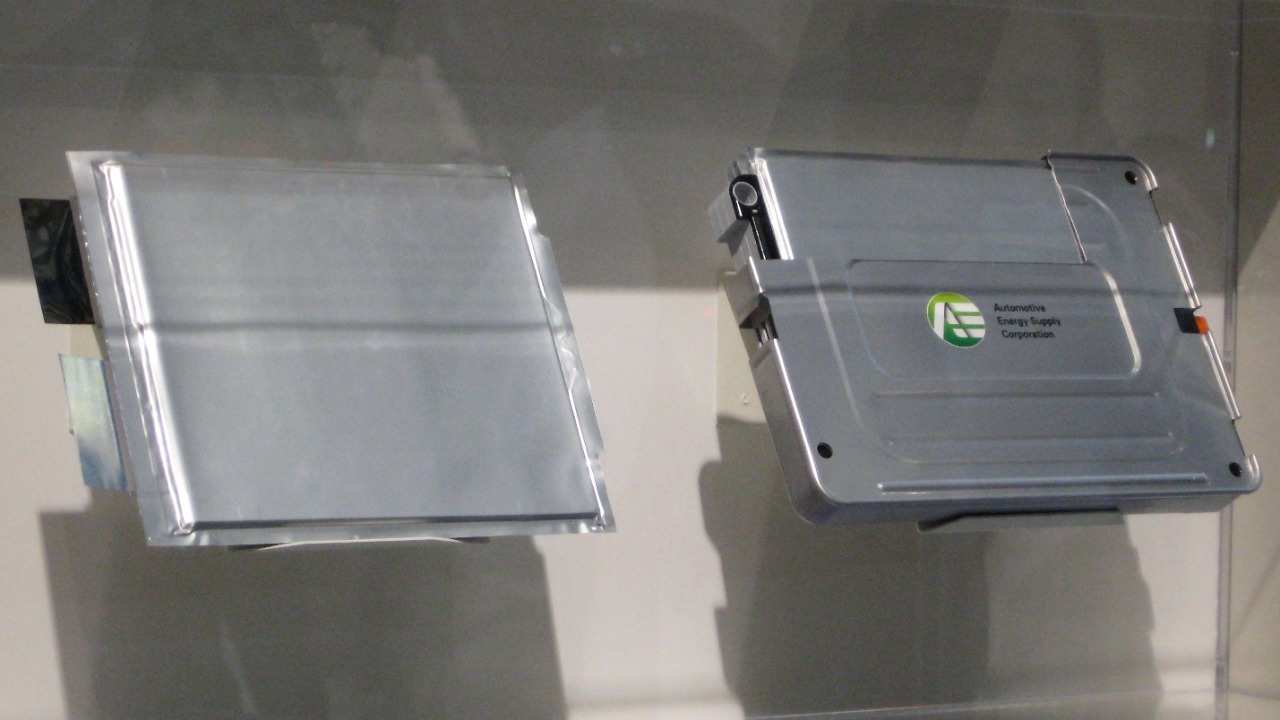
The unveiling of the new EV battery design by a US firm represents a pivotal advancement in EV technology. As reported on October 5, 2025, this announcement highlights a shift from previous limitations in EV battery capabilities, focusing on significantly enhancing range. The firm’s bold claims have sparked considerable interest and discussion among industry observers, who are eager to see how this innovation will impact the market. Initial reactions have been largely positive, with experts noting the potential for this technology to redefine the standards for EV performance and consumer expectations.
This announcement is seen as a response to the growing demand for more efficient and longer-lasting EV batteries. By focusing on range improvements, the firm aims to address one of the most critical barriers to widespread EV adoption. The industry is closely watching how this development will influence future battery designs and the broader EV market. The potential to achieve a 1,000-mile range per charge is particularly noteworthy, as it could set a new benchmark for EV performance.
In addition to the excitement surrounding the new battery design, the announcement has also sparked discussions about the potential economic impacts. Analysts suggest that this innovation could lead to a surge in investments within the EV sector, as companies race to integrate the new technology into their product lines. The promise of a 1,000-mile range is not just a technical milestone but also a potential catalyst for economic growth, as it may drive job creation in manufacturing, research, and development. Furthermore, the announcement has caught the attention of policymakers who are considering how such advancements could align with national goals for reducing carbon emissions and promoting sustainable energy solutions.
Key Design Features
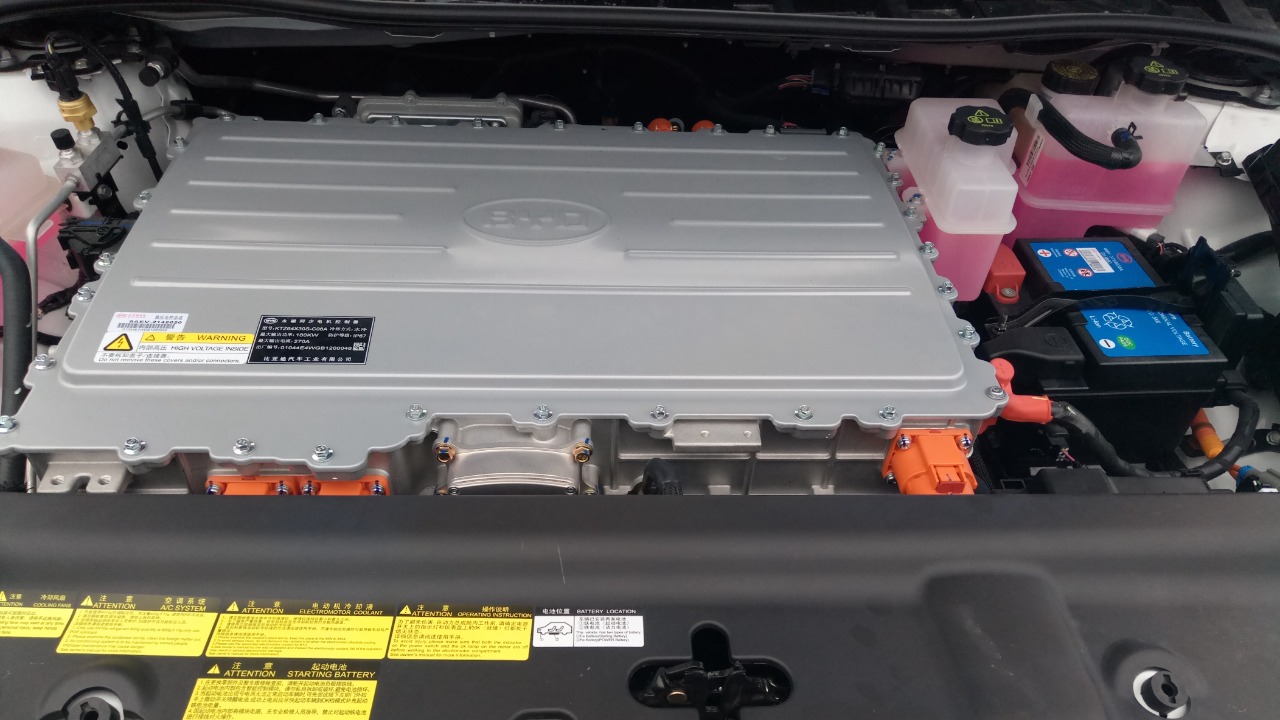
The core aspect of the US firm’s new EV battery design lies in its ability to enhance performance significantly. This design is expected to add 50% more range compared to existing technologies, setting it apart from current EV battery solutions. The targeted 1,000-mile range is a primary goal of the design, which could dramatically increase the usability of EVs for long-distance travel. This breakthrough could make EVs more appealing to a broader audience, including those who have been hesitant to switch from traditional vehicles due to range concerns.
By focusing on extending the range, the new battery design addresses a key limitation of current EVs. The potential for a 50% increase in range not only distinguishes this design from its predecessors but also positions it as a game-changer in the industry. The implications of achieving a 1,000-mile range are significant, as it could lead to a reevaluation of EV infrastructure needs and consumer expectations.
The design incorporates advanced materials and innovative engineering techniques that contribute to its enhanced performance. For instance, the use of high-density lithium-ion cells, combined with a novel thermal management system, allows the battery to maintain optimal performance even under demanding conditions. This approach not only extends the range but also improves the overall efficiency and lifespan of the battery. Additionally, the design includes a modular architecture, which facilitates easier maintenance and potential upgrades, making it a versatile option for various EV models. These features collectively position the new battery as a frontrunner in the race to develop next-generation EV technology.
Impact on Stakeholders
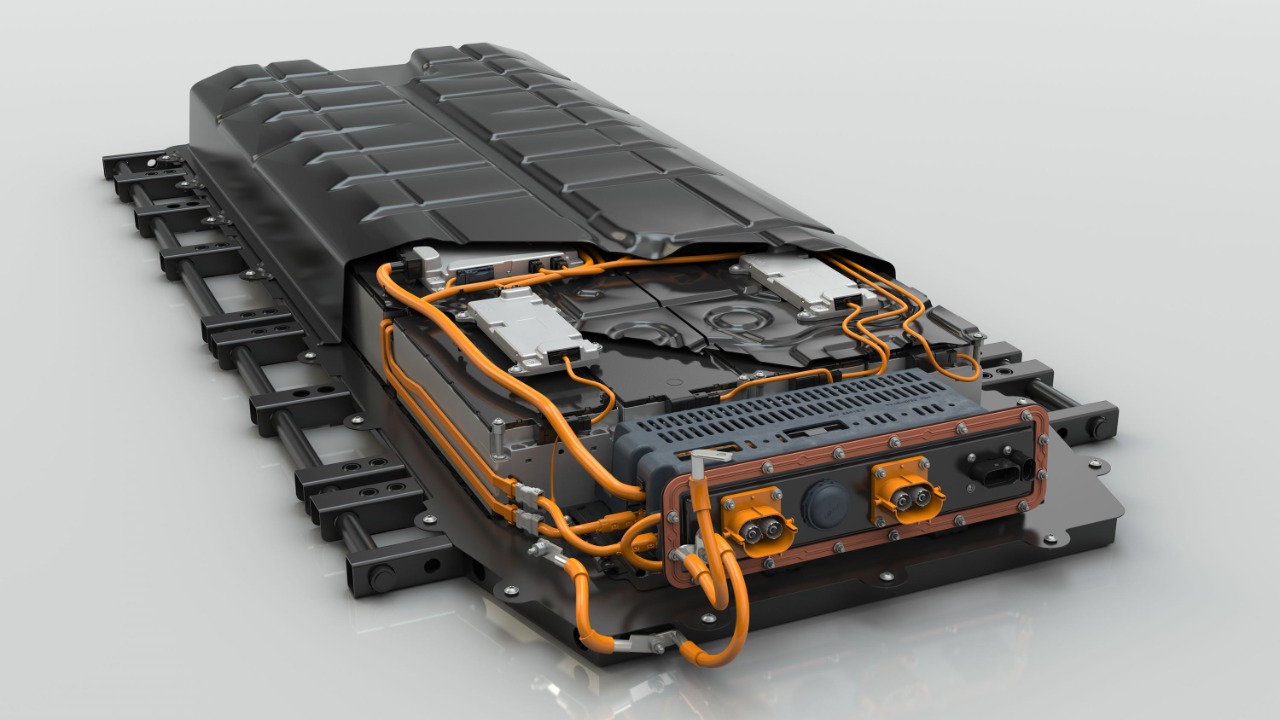
The introduction of this new battery design is expected to have a profound impact on various stakeholders within the EV industry. Manufacturers adopting this technology could achieve significant range increases, potentially leading to a competitive advantage in the market. For consumers, the promise of a 1,000-mile range could accelerate the adoption of EVs, as it addresses one of the primary concerns about EV ownership. This development could lead to increased consumer confidence and a shift in purchasing behavior.
Regulatory and environmental stakeholders are also likely to take a keen interest in this innovation. The potential for extended range could influence future regulations and standards for EVs, as well as impact the development of charging infrastructure. The environmental benefits of increased EV adoption, driven by improved battery performance, could contribute to broader sustainability goals and reduce reliance on fossil fuels.
Automotive manufacturers are particularly interested in the potential cost savings associated with the new battery design. By achieving greater range with fewer charging cycles, manufacturers can reduce the overall cost of ownership for consumers, making EVs more attractive in price-sensitive markets. This could lead to a broader demographic shift towards electric vehicles, as more consumers find them financially viable. Additionally, the technology’s potential to reduce the frequency of charging could alleviate pressure on existing charging infrastructure, allowing for more strategic and efficient deployment of new charging stations. This, in turn, could support the expansion of EV networks in rural and underserved areas, further promoting widespread adoption.
Future Developments
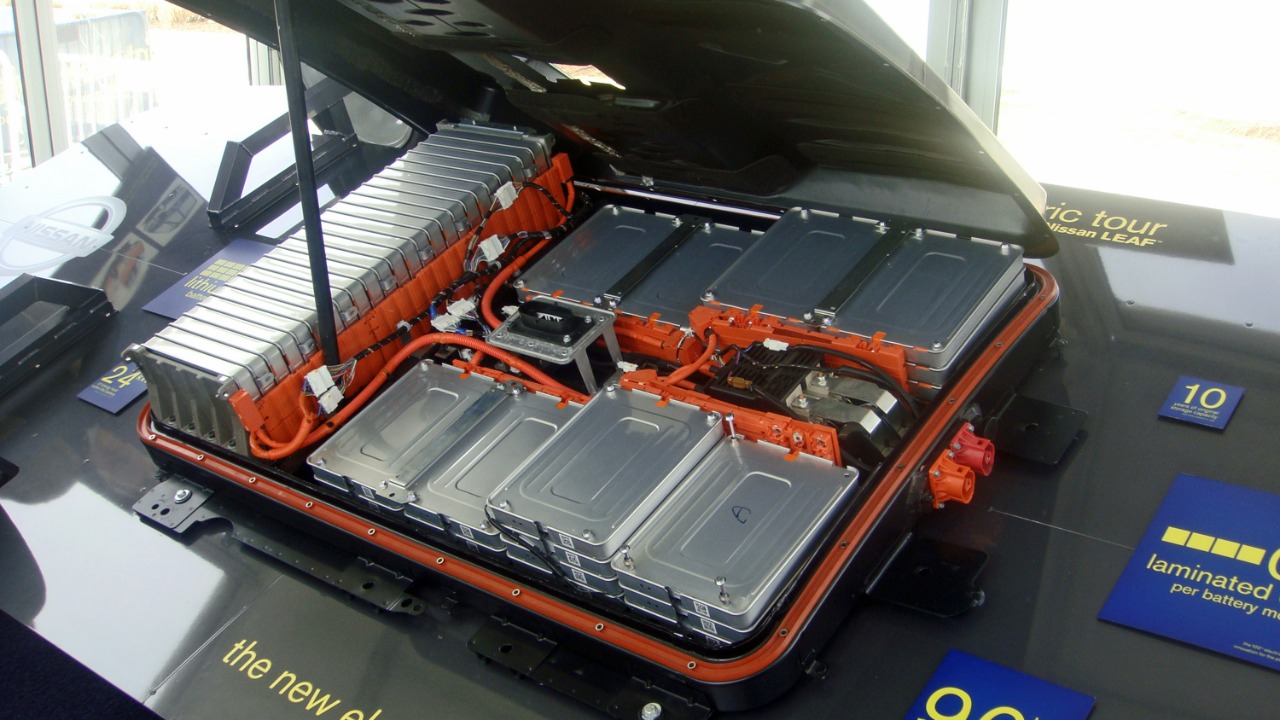
Following the announcement, the next steps for the US firm’s EV battery design involve rigorous testing to validate its performance claims. The timeline for integrating the 50% range boost into commercial EVs will be closely monitored, as it signals progress over earlier prototypes. Industry experts are eager to see how quickly this technology can be brought to market and what challenges may arise in reaching the ambitious 1,000-mile target.
Speculation about potential challenges includes the need to balance increased range with cost, weight, and production scalability. As the firm moves forward with testing and development, these factors will be critical in determining the feasibility of widespread adoption. The industry will be watching closely to see how these challenges are addressed and what impact the new battery design will have on the future of electric mobility.
