The US Navy has embarked on the monumental task of constructing a mammoth 20,800-ton submarine, a potential survivable element of the US nuclear triad. This significant step marks a new chapter in the advancement of the nation’s underwater warfare capabilities.
Overview of the 20,800-ton Submarine
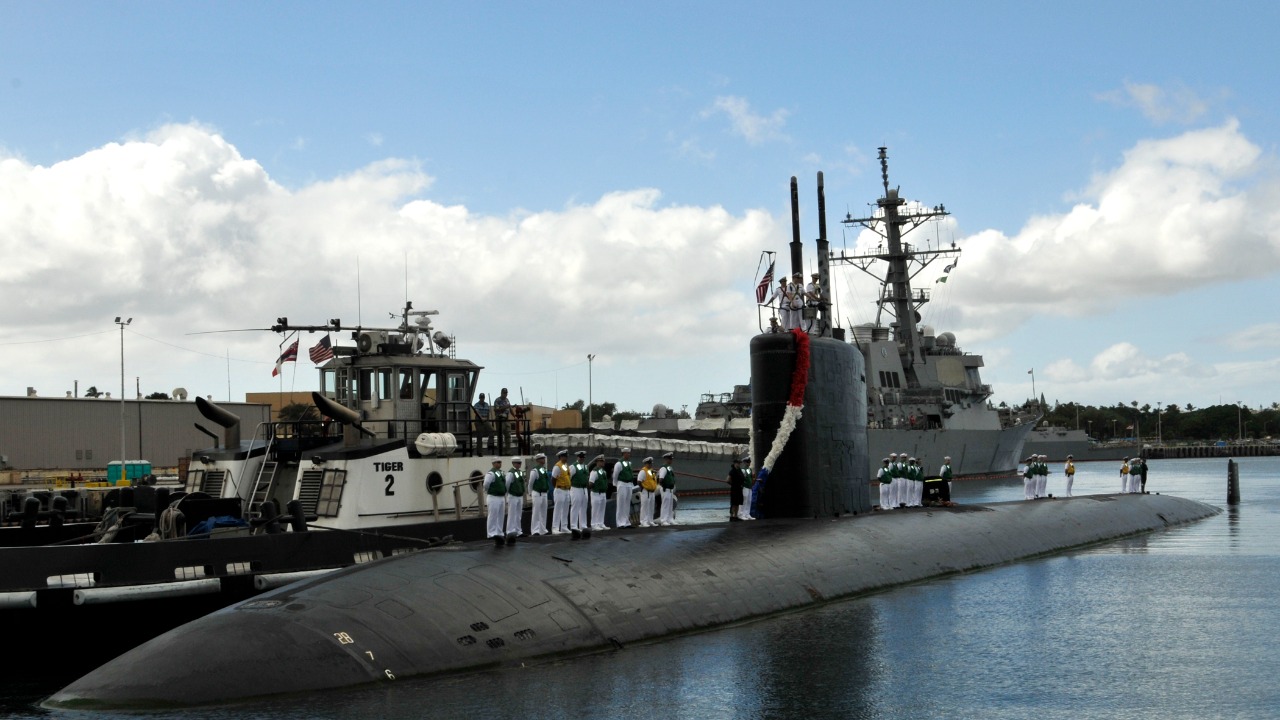
The new 20,800-ton submarine, also known as the Columbia-class submarine, is designed to be a formidable force in the underwater domain. With advanced capabilities and top-of-the-line specifications, this submarine is expected to outperform its predecessors in terms of stealth, speed, and operational efficiency. The integration of cutting-edge technology is anticipated to enhance its survivability, making it a crucial component of the US nuclear triad.
The strategic significance of this submarine cannot be understated. It is projected to be a key player in maintaining the balance of the US nuclear triad, which consists of land-based intercontinental ballistic missiles, strategic bombers, and submarine-launched ballistic missiles. The expected timeline for the completion and deployment of the submarine is around the mid-2020s, with its operational lifespan expected to extend well into the 2080s.
Replacing the Ohio-Class Ballistic Missile Submarines
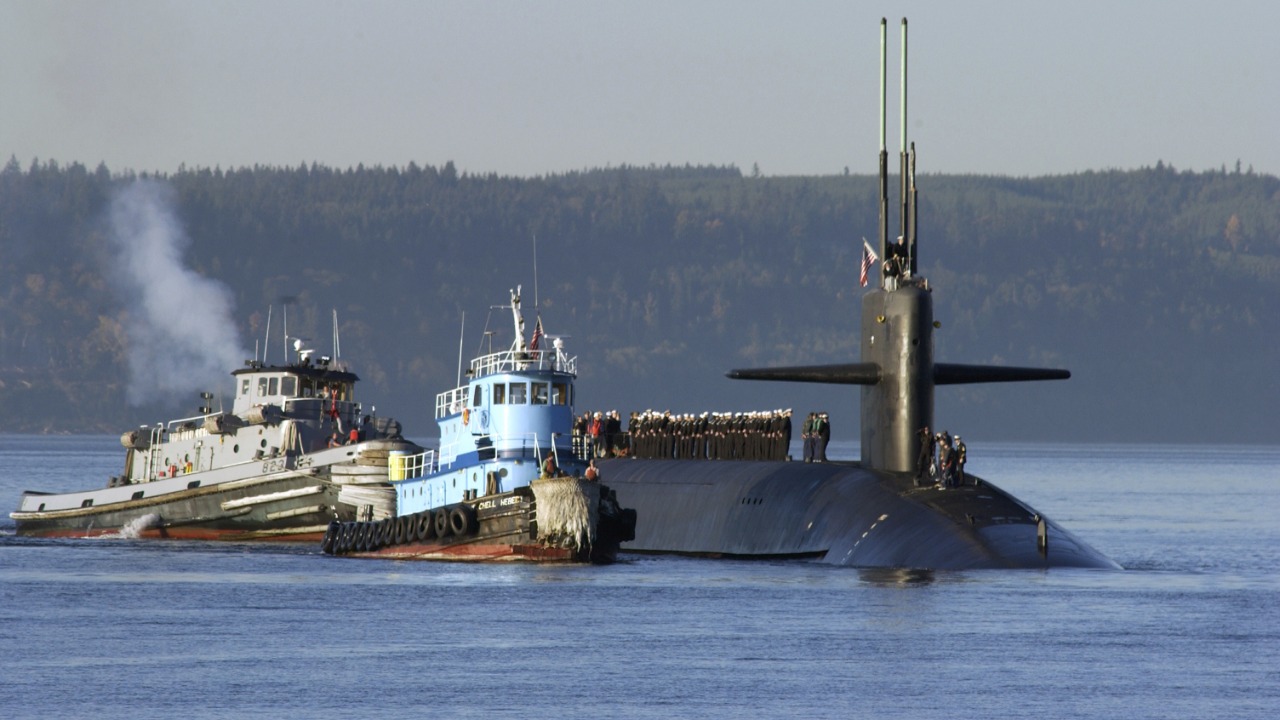
The Ohio-Class Ballistic Missile Submarines have been the backbone of the US Navy’s underwater fleet for several decades. These submarines have played a critical role in maintaining the country’s nuclear deterrence capabilities. However, as technology advances and geopolitical landscapes shift, the need for a more robust and technologically superior submarine has become evident.
The decision to replace the Ohio-class submarines with the new 20,800-ton submarine was driven by several factors, including the age of the existing fleet and the evolving strategic needs of the US Navy. The new submarine is expected to bring significant improvements in terms of stealth, speed, and operational capabilities, thereby strengthening the US Navy’s underwater warfare capabilities.
Challenges in the Construction of the Submarine
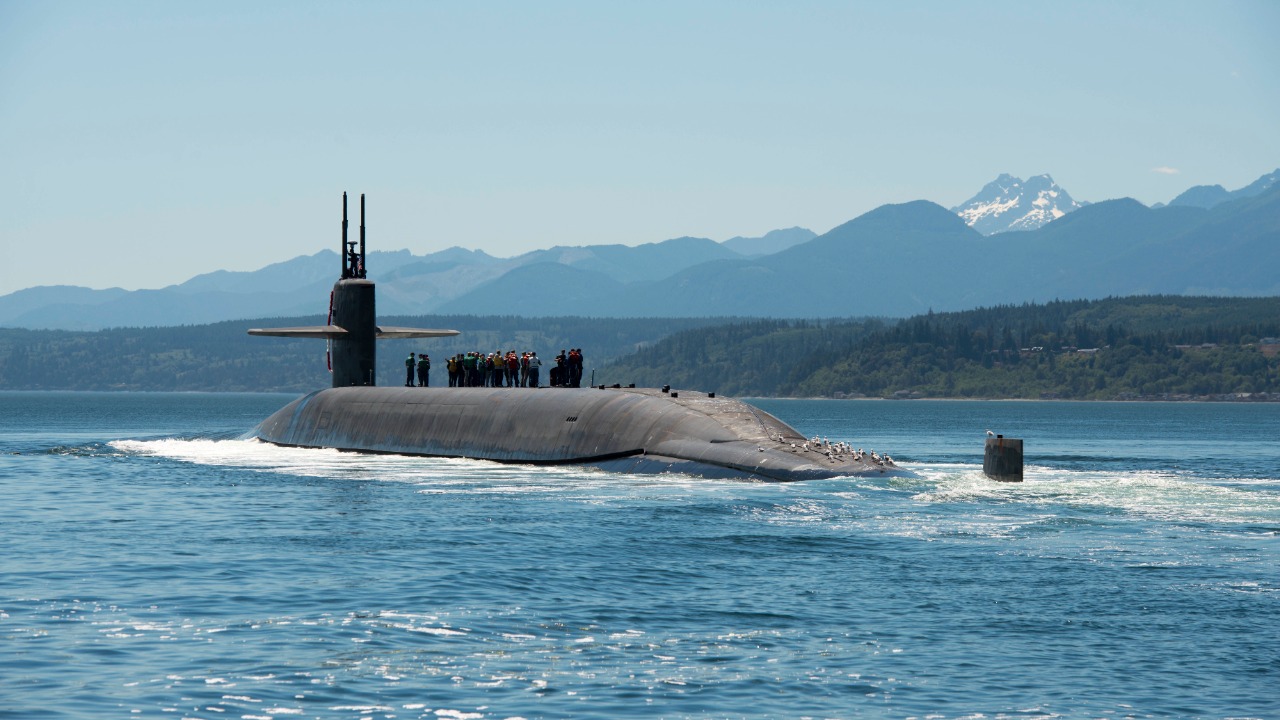
The construction of such a massive submarine is not without its challenges. From the technical complexities of integrating advanced technologies to the logistical hurdles of assembling a submarine of this scale, the project requires meticulous planning and execution. Despite these challenges, the US Navy and its industry partners are confident in their ability to deliver this submarine on schedule.
Innovative technologies and engineering solutions play a crucial role in overcoming these challenges. From advanced materials that enhance the submarine’s strength and durability to cutting-edge propulsion systems that improve its speed and maneuverability, the construction of this submarine is a testament to the progress of naval engineering.
Strategic Implications for Global Security

The construction of this new submarine has far-reaching implications for global security. As one of the most advanced submarines in the world, it is expected to significantly shift the balance of power in the world’s oceans. This development has not gone unnoticed by other major naval powers, including China and Russia, who are closely monitoring the progress of the project.
The emergence of this new submarine could potentially trigger an arms race in submarine technology and nuclear deterrence capabilities. As nations strive to maintain their strategic advantage, the development and deployment of advanced submarines could become a key area of focus in the years to come.
The Future of Underwater Warfare
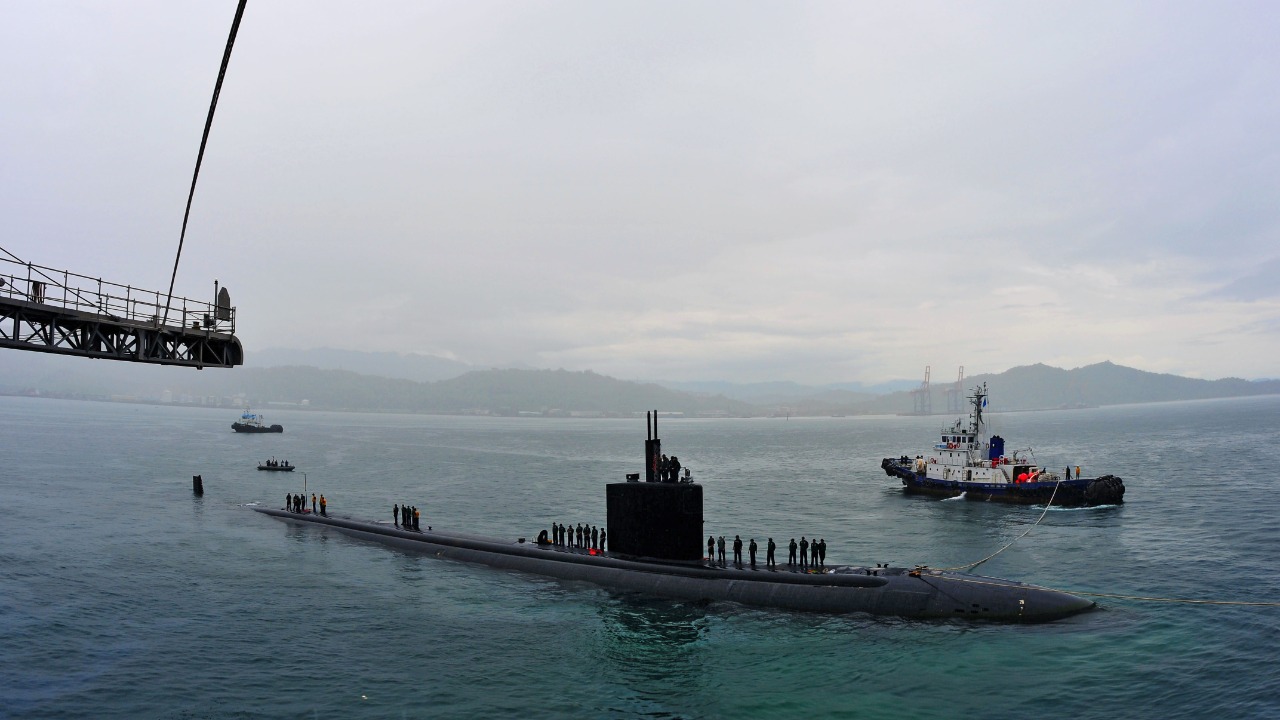
The construction of the 20,800-ton submarine provides a glimpse into the future of underwater warfare. As technology continues to advance, submarines are expected to become increasingly sophisticated, with enhanced stealth capabilities, improved operational efficiency, and greater firepower.
Submarines play a critical role in modern warfare, serving as a platform for strategic deterrence and power projection. As such, the continued advancement of submarine technology is crucial for maintaining the balance of power in the underwater domain. The construction of the 20,800-ton submarine is a significant step in this direction, signaling a new era in underwater warfare.
