
The concept of launching rockets using magnetic levitation (maglev) technology is gaining traction as a revolutionary method to reach orbit with minimal fuel. This innovative approach promises to drastically reduce the costs and environmental impact associated with traditional rocket launches.
The Rise of Maglev Technology in Space Exploration
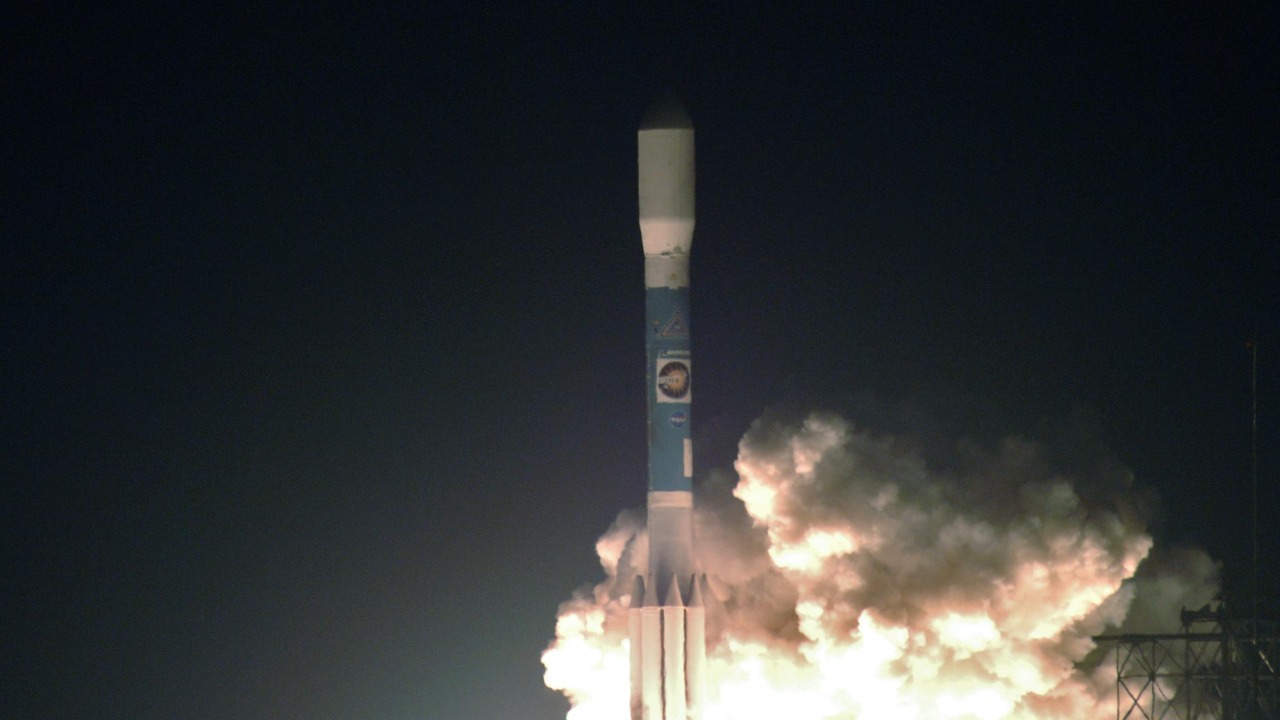
Maglev technology, primarily known for its application in high-speed rail transportation, has been gaining attention as a viable method for launching rockets into space. By using magnets to levitate and propel vehicles, maglev systems eliminate friction, allowing for smooth and rapid acceleration. This technology is already in use in countries like Japan and China, where maglev trains achieve speeds over 300 miles per hour, offering a glimpse of its potential in space exploration.
The idea of using magnetic launch systems for space exploration is not entirely new. Historical attempts, such as NASA’s pursuit of electromagnetic catapults, showcased the potential of maglev technology to revolutionize space travel. However, recent technological advancements and increased interest from private companies have revitalized these concepts. The potential advantages of maglev over traditional rocket propulsion are significant, including reduced fuel consumption and the ability to launch payloads more frequently and cost-effectively.
Design and Functionality of a Maglev Launch System
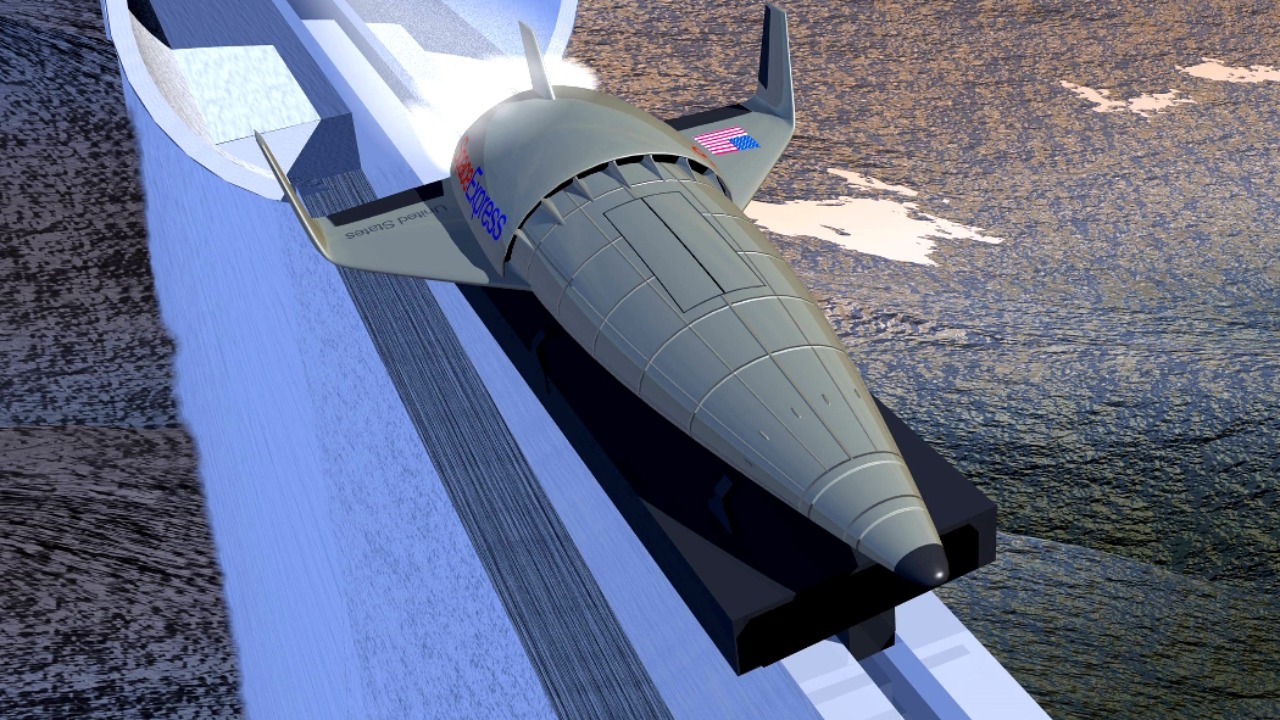
A maglev launch system consists of several key components that work in unison to achieve the necessary velocity for orbital insertion. The core of the system is the track design, which incorporates electromagnetic propulsion to accelerate the rocket. This propulsion method relies on powerful magnets to create a magnetic field, propelling the vehicle along the track at incredible speeds.
The engineering challenges in developing a maglev launch system are substantial. The infrastructure must be built to withstand the high speeds and forces involved in the launch process. Materials capable of enduring extreme conditions, such as intense magnetic fields and rapid acceleration, are essential. Despite these challenges, the benefits of achieving the high velocities needed for space travel without traditional fuel make the endeavor worthwhile.
Economic and Environmental Impacts

One of the most compelling arguments for maglev-based rocket launches is the potential for significant cost savings. Traditional rocket launches require vast amounts of fuel, contributing to high expenses. In contrast, maglev systems can dramatically reduce fuel requirements, leading to lower overall launch costs.
The environmental benefits of maglev technology are equally noteworthy. By minimizing the carbon footprint and pollution associated with rocket launches, maglev systems offer a greener alternative. This shift could have long-term economic implications for the space industry, making satellite deployment and other space missions more sustainable and cost-effective.
Current Developments and Key Players
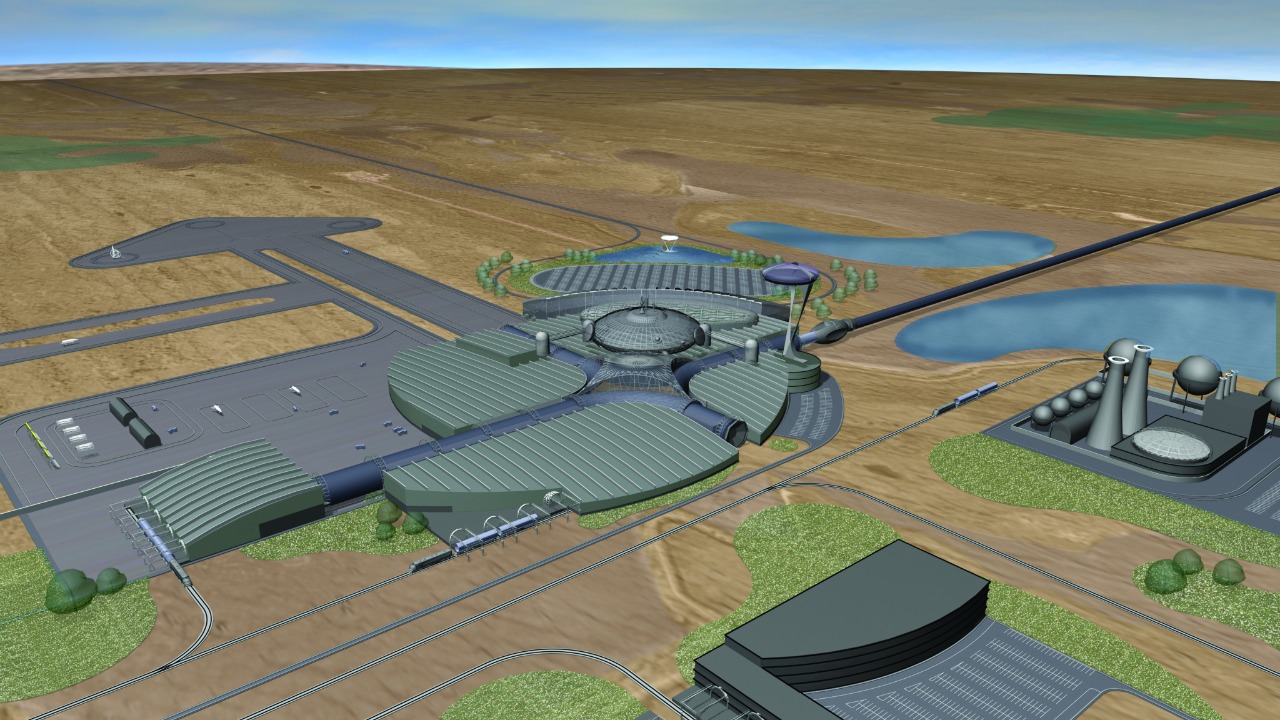
Several major US firms are at the forefront of developing maglev space ramps. These companies are investing in cutting-edge research and development to bring this technology to fruition. Notable projects and prototypes are already showing promising progress, with timelines for implementation moving forward. Collaborations between private companies and government agencies are essential in advancing this technology and ensuring its successful deployment.
The collaboration between private enterprises and government bodies is particularly crucial in addressing the technical and logistical challenges associated with maglev systems. By combining resources and expertise, these partnerships are paving the way for the widespread adoption of maglev technology in space exploration. Notably, the magnetic catapult concept has garnered attention as a promising approach to save tons of fuel for launching rockets.
Future Prospects and Challenges
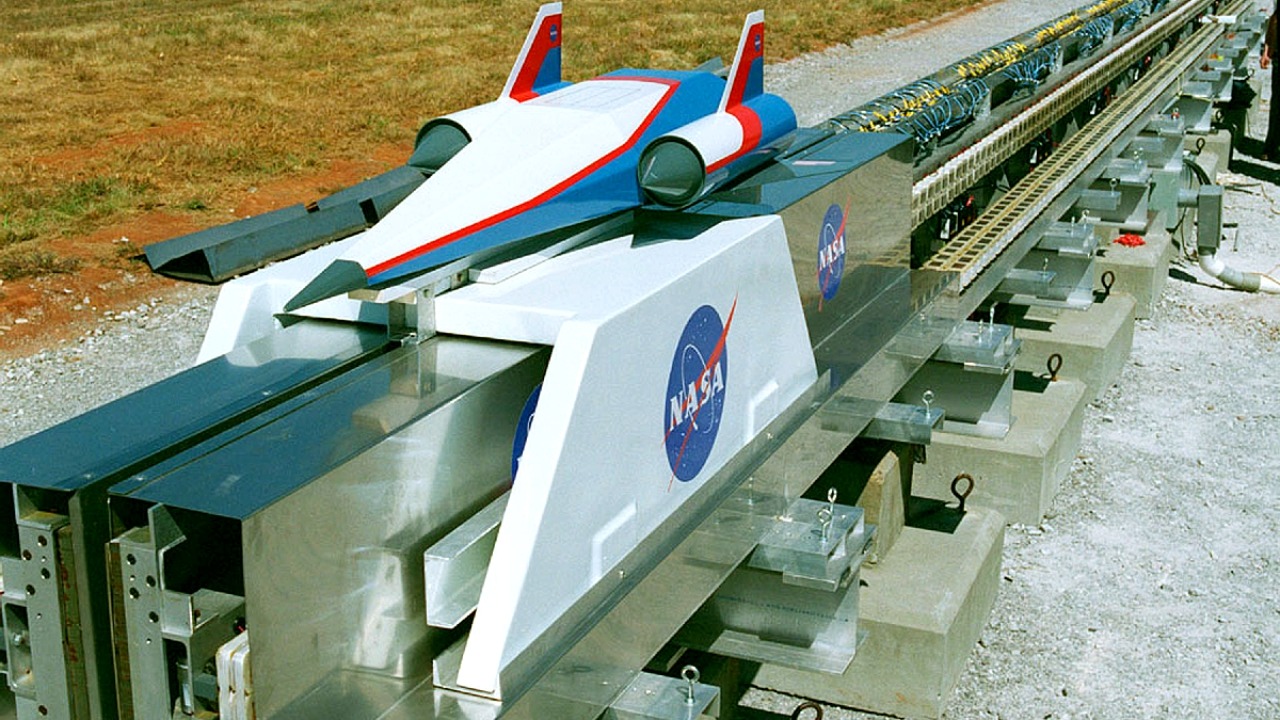
The potential for global adoption of maglev systems in space exploration is immense. If successfully implemented, this technology could transform international space endeavors, making them more accessible and sustainable. However, several technical hurdles remain, including addressing power consumption, safety, and scalability.
The integration of maglev systems with other emerging space technologies, such as reusable rockets and space elevators, presents an exciting vision for the future. By overcoming these challenges and leveraging the strengths of different technologies, the space industry can achieve new heights in exploration and innovation.
