In a revolutionary stride towards a secure energy future, the US military is poised to host a research project on an innovative technology: meltdown-proof nuclear microreactors. This initiative is seen as a promising step forward in the realm of high-efficiency energy production.
Overview of the Project

As part of a groundbreaking initiative, the US military has embarked on a research project to explore the potential of nuclear microreactor technology. The US Air Force base has been chosen as the site to host this revolutionary study. The military base will become a hub for scientists and engineers to work on the development of this technology, which could significantly change the landscape of energy production in both military and civilian sectors.
This project aims to harness the power of nuclear energy in a more efficient and safer way than ever before. By investing in the development of nuclear microreactors, the US military is not only looking to enhance its own operational efficiency but also contribute to a more sustainable energy future for everyone.
The Science behind Meltdown-Proof Nuclear Microreactors
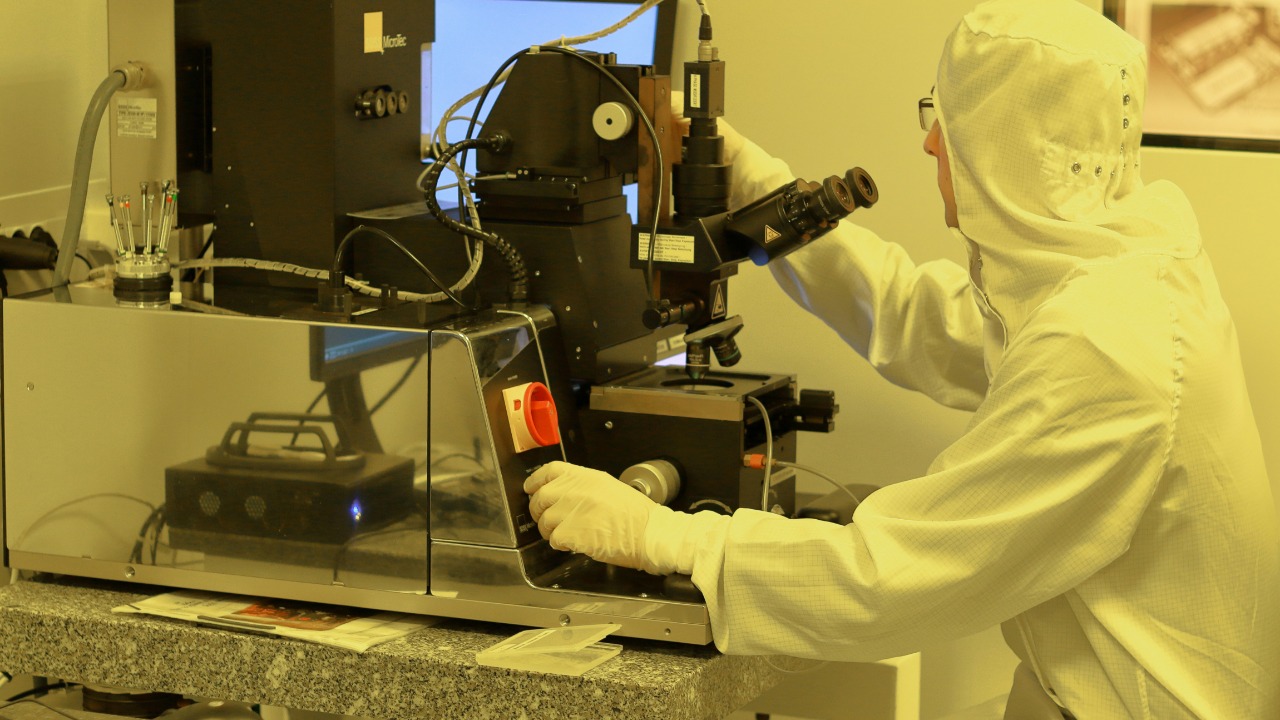
Nuclear microreactors are fundamentally different from traditional reactors. They are smaller, more efficient, and designed to be safer. The key feature of these reactors is their meltdown-proof design. This is achieved through the use of advanced materials and innovative engineering solutions, which can effectively prevent the kind of catastrophic failures that have been associated with traditional nuclear reactors.
Despite the promising features, developing meltdown-proof nuclear microreactors is not without challenges. There are significant technological hurdles to overcome, including the need for advanced materials, sophisticated control systems, and stringent safety measures. Furthermore, the complex science behind these reactors requires a high level of expertise and resources.
Impact on Energy Production and Security
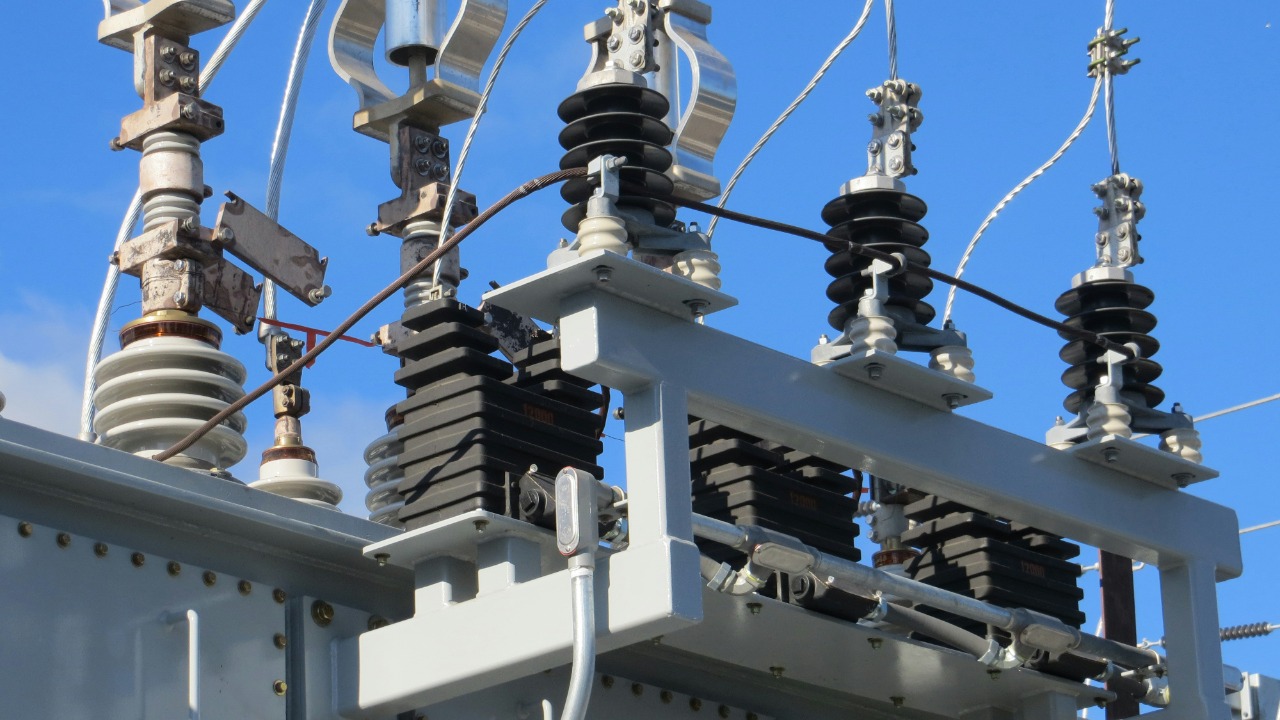
The potential of nuclear microreactors to revolutionize energy production is immense. These reactors can produce a large amount of energy from a small amount of fuel, which makes them a highly efficient energy source. Moreover, their meltdown-proof design makes them safer and more reliable, which is particularly beneficial for remote military bases.
More importantly, this technology could significantly contribute to energy security. With the ability to operate independently of the grid, microreactors could provide a reliable power source in remote or difficult-to-reach locations. Furthermore, their potential use in civilian sectors could pave the way for a more sustainable and secure energy future. Demand for nuclear energy is expected to grow in the coming years, and nuclear microreactors could help meet this demand in a safe and efficient manner.
The Role of the US Air Force in the Project

The US Air Force has shown a keen interest in this project, recognizing the potential benefits of nuclear microreactor technology. The application of this technology could significantly enhance the operational efficiency of the Air Force, providing a reliable and efficient power source for bases and operations, especially in remote locations.
Moreover, the development of meltdown-proof nuclear microreactors could provide a major boost to the military’s energy security. The ability to generate a large amount of energy in a safe and efficient manner could reduce dependence on fossil fuels and contribute to a more sustainable and secure energy future.
Future Implications and Potential Challenges

The successful development and deployment of nuclear microreactor technology could have profound implications for both the military and civilian sectors. It could pave the way for a new era of energy production, marked by high efficiency and safety. However, transitioning to this technology will not be without challenges.
Scaling and adopting nuclear microreactor technology pose significant hurdles. It requires significant capital investment, development of infrastructure, and overcoming regulatory barriers. Furthermore, even though these reactors are designed to be meltdown-proof, safety concerns associated with nuclear energy cannot be completely dismissed. It will be crucial to ensure stringent safety measures and robust regulatory oversight to mitigate potential risks.
In conclusion, the US military’s initiative to study and develop nuclear microreactor technology is a promising step towards a secure and sustainable energy future. However, the journey towards realizing the full potential of this technology will require overcoming significant challenges and risks.
