NASA’s James Webb Space Telescope has made an exciting discovery, revealing a new moon orbiting Uranus, estimated to be just six miles in diameter. This tiny celestial body adds a new chapter to our understanding of Uranus’s complex moon system and opens up intriguing questions about the formation and evolution of moons around the ice giant.
The Discovery of the New Moon

The James Webb Space Telescope played a pivotal role in this groundbreaking discovery. Equipped with cutting-edge technology, the telescope’s advanced sensors and high-resolution imaging capabilities enabled astronomers to detect this small celestial body orbiting Uranus. The discovery underscores the telescope’s prowess in deep space exploration, showcasing its ability to discern even the most diminutive objects in our solar system.
Initial observations of the new moon involved a series of meticulous detections and analyses. Utilizing specialized imaging techniques, scientists were able to confirm the presence of this tiny moon by observing its orbit around Uranus. The detection process involved cross-referencing data from multiple observations to validate the moon’s existence, highlighting the precision and reliability of the Webb Telescope’s instruments.
The significance of this discovery extends beyond the mere addition of a new name to the list of Uranus’s moons. Finding such a small moon offers valuable insights into the formation processes of celestial bodies in the outer solar system. This tiny moon could serve as a key to understanding the broader evolutionary history of Uranus’s moon system, encouraging future explorations and studies of the ice giant.
Characteristics of Uranus’s New Moon
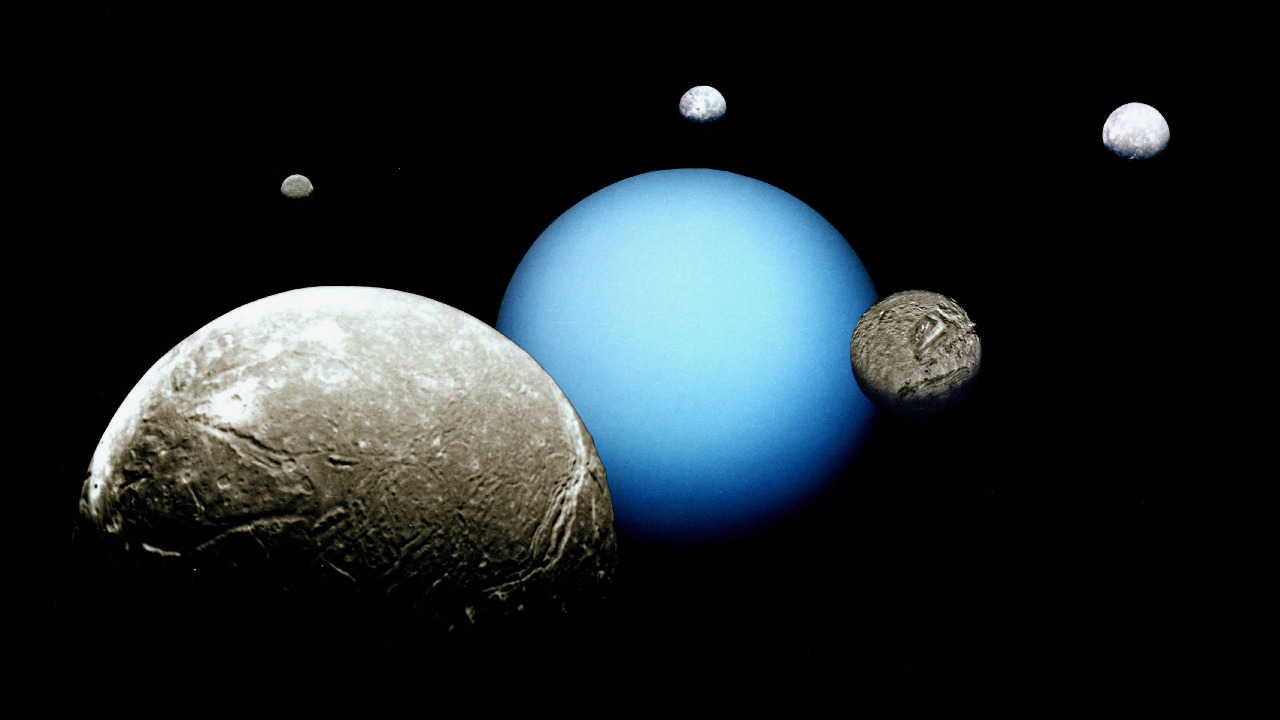
The newly discovered moon of Uranus boasts an estimated diameter of just six miles. Its compact size places it among the smallest moons in the solar system. In terms of composition, initial data suggests that the moon is primarily composed of ice and rock, a common trait among Uranian moons. Its orbit, though not yet fully mapped, is believed to be relatively close to the planet, adding another layer of complexity to Uranus’s intricate moon system.
When compared to the other known moons of Uranus, this new discovery stands out due to its diminutive size. While moons like Titania and Oberon dominate with their significant diameters of over 900 miles, this latest addition is more akin to the smaller moons such as Cordelia and Ophelia. Despite its size, the new moon shares similarities in composition with its larger counterparts, suggesting a common origin or formation process.
This discovery has profound implications for our understanding of Uranus’s moon system. It challenges existing models of moon formation and evolution, prompting scientists to reconsider the dynamical interactions and gravitational influences that shape these celestial bodies. The addition of such a small moon to the system highlights the potential for a more diverse range of moon sizes and compositions than previously thought.
Technological Achievements in Space Exploration
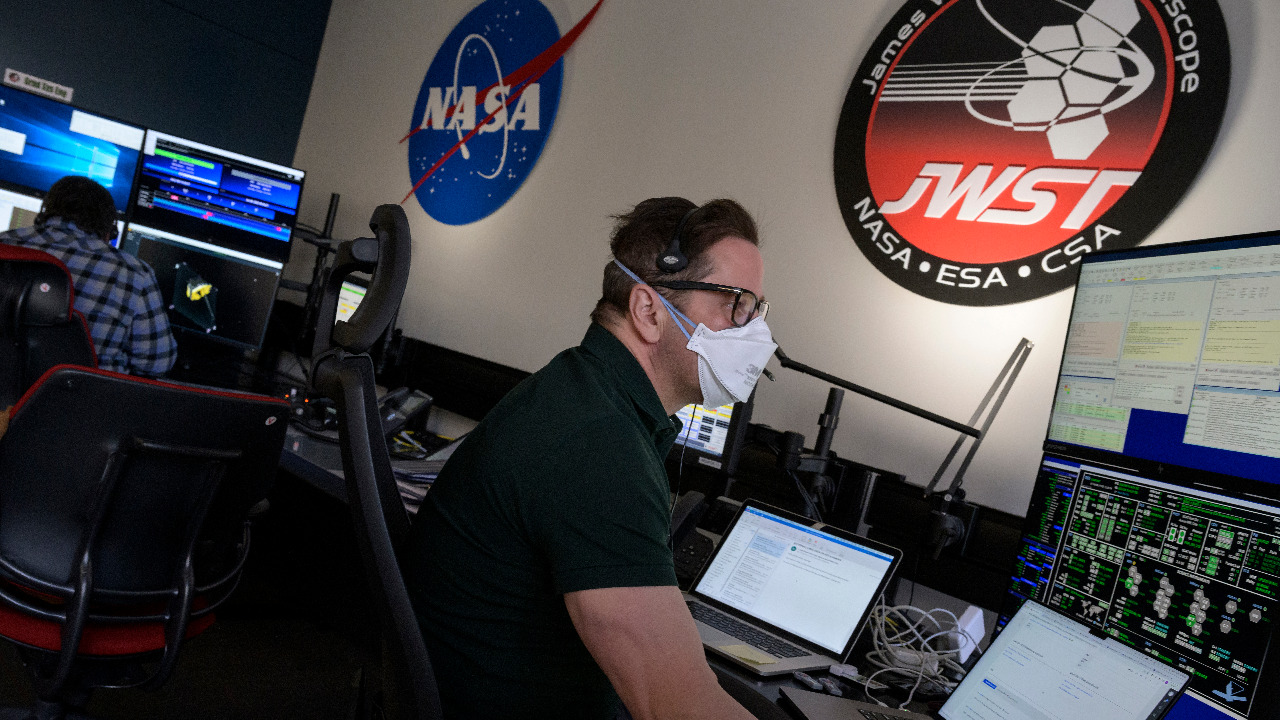
The James Webb Telescope represents a monumental leap in technological advancements, enabling discoveries like the new Uranian moon. Its cutting-edge features, such as the near-infrared camera and spectrograph, allow it to detect faint objects that were previously beyond the reach of older telescopes. This technological prowess is crucial for exploring the outer reaches of our solar system, where light is scarce, and celestial bodies are often obscured by distance and darkness.
Innovative detection techniques have been at the forefront of this discovery. By employing sophisticated algorithms and data analysis methods, astronomers have been able to isolate and confirm the presence of small celestial objects. These advancements not only enhance our ability to discover new moons but also pave the way for identifying other small bodies, such as asteroids and comets, in distant regions of space.
These technological achievements are reshaping the landscape of astronomical research. The capabilities of the James Webb Telescope allow scientists to peer deeper into space than ever before, offering unprecedented opportunities for discovery and exploration. As a result, current and future research initiatives are likely to benefit from the enhanced observational power and precision that these advancements provide.
Theories and Speculations About Moon Formation
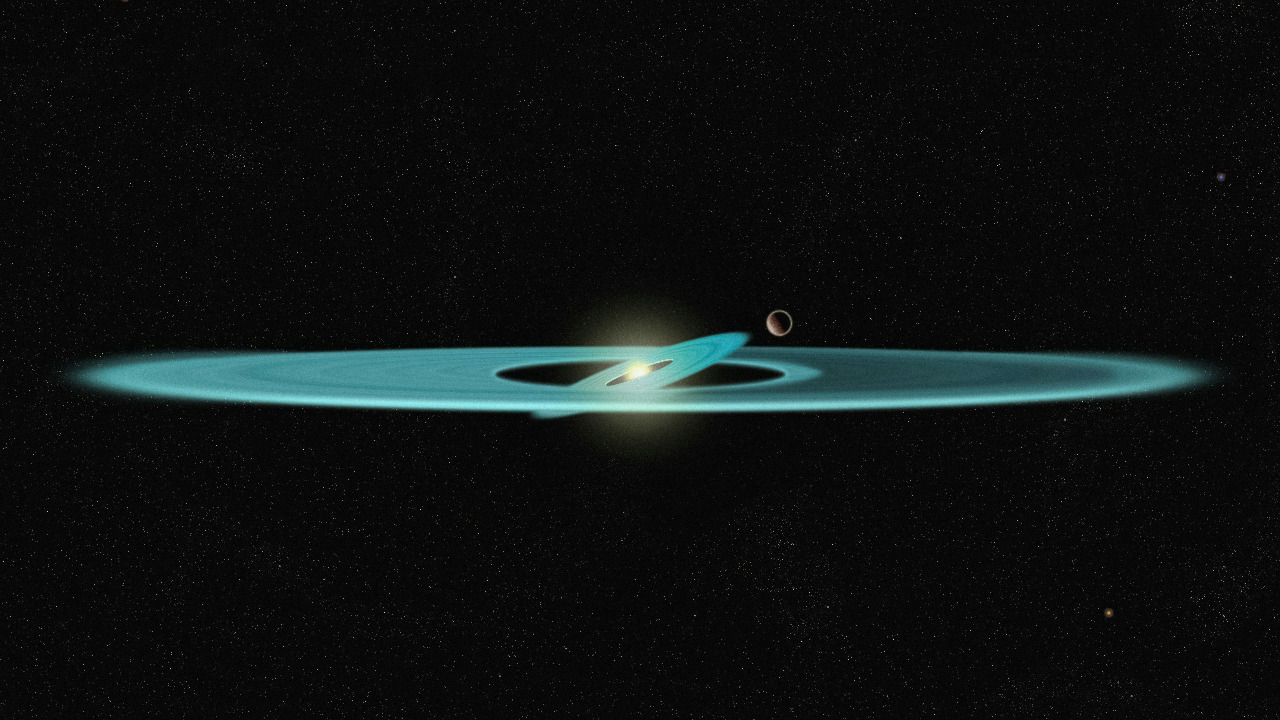
The discovery of Uranus’s new moon sparks renewed interest in theories regarding moon formation around gas and ice giants. One prevalent theory suggests that moons form from the accretion of debris in a planet’s orbit, a process that could account for the diverse sizes and compositions of Uranus’s moons. The detection of this small moon offers a unique case study to test and refine these theories, shedding light on the processes that govern moon formation.
Speculating on the potential origins of this particular moon, scientists suggest it may have formed from fragments left over from larger moon collisions or from the gradual accumulation of smaller particles in the planet’s orbit. Recent studies and expert analyses provide valuable insights into these possibilities, highlighting the dynamic and often chaotic nature of moon formation.
The broader implications of this discovery extend beyond Uranus, influencing our understanding of moon formation throughout the solar system and potentially in other planetary systems. As we continue to explore and study these celestial bodies, each new finding contributes to a more comprehensive understanding of the complex processes that shape our universe.
Future Research and Exploration
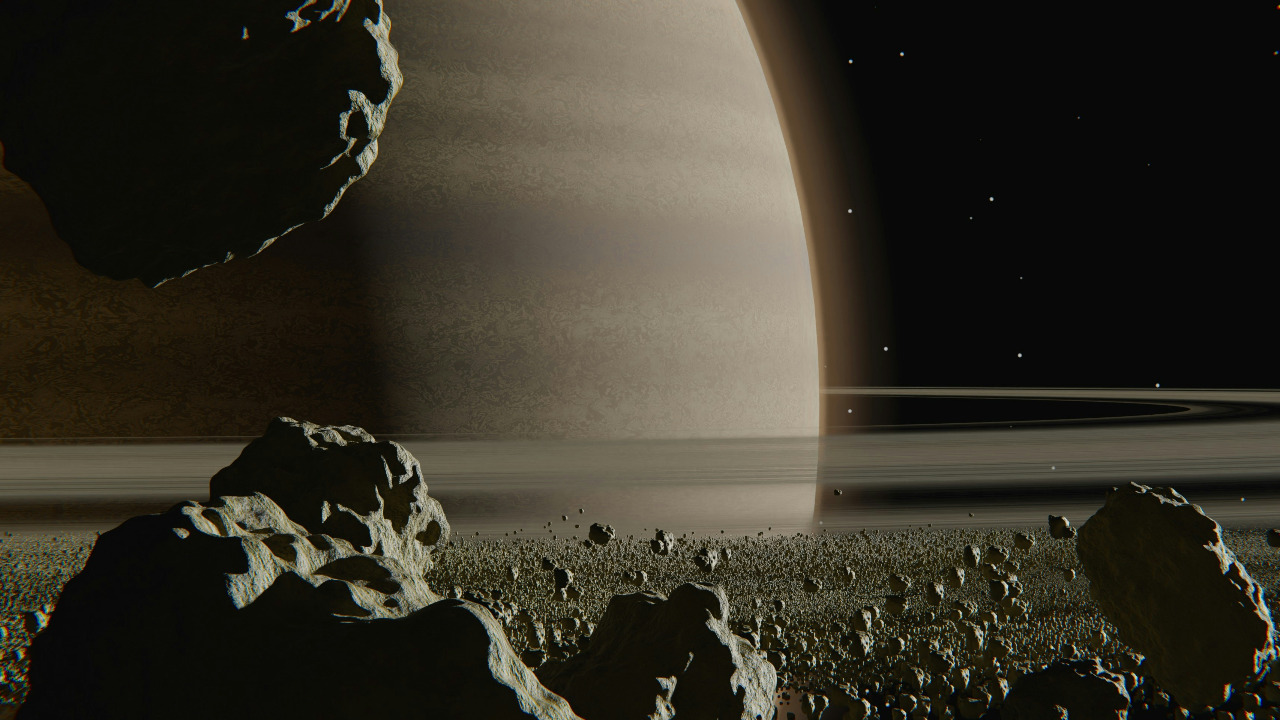
Looking ahead, planned and proposed missions to Uranus and its moons offer exciting prospects for furthering our understanding of the planet’s complex moon system. These missions, which aim to explore the composition, geology, and atmospheres of Uranus’s moons, hold the potential to reveal new insights into their formation and evolution. By studying these aspects, scientists hope to uncover signs of ancient or current geological activity, providing a glimpse into the dynamic history of the ice giant.
The long-term goals of studying Uranus and its moons are ambitious yet attainable. Researchers aim to piece together the intricate puzzle of the planet’s moon system, seeking to understand the interactions and influences that govern these celestial bodies. These efforts are part of a broader quest to expand our knowledge of the solar system, offering clues about the formation and evolution of moons and planets alike.
As we continue to explore the outer reaches of our solar system, discoveries like the new Uranian moon remind us of the vastness and complexity of the universe. Each new finding adds to our collective understanding, driving us to explore further and deeper into the cosmos. With the aid of advanced technology and innovative research, the potential for uncovering new truths about our universe is limitless, promising a future rich with discovery and exploration.
