Recent discoveries in Colombia have unveiled a previously unknown human DNA lineage in ancient remains, offering fascinating insights into the genetic history of the region. This groundbreaking research challenges existing theories about human migration and highlights the complexity of human ancestry.
The Discovery of Ancient Remains in Colombia
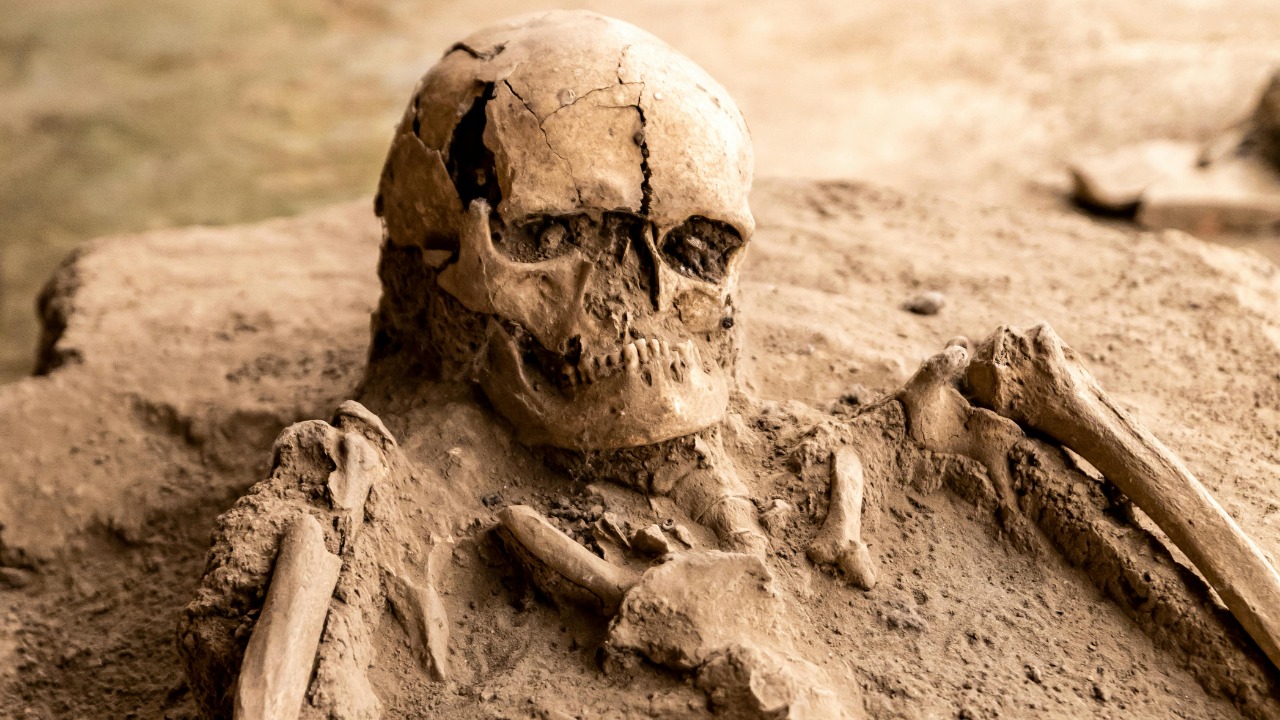
The archaeological site in Colombia, where these significant remains were found, is located in the Magdalena River valley. This region is known for its rich history and has been a focal point for numerous archaeological excavations. The site offers a glimpse into the past, providing essential insights into the early inhabitants of South America. The historical context of the area suggests that it was once a bustling hub of activity, serving as a critical juncture for early human settlements.
Initial findings at the site revealed well-preserved remains, estimated to be thousands of years old. The condition of these remains allowed for detailed analysis and provided a unique opportunity to probe into the ancient genetic landscape. The collaboration between local Colombian researchers and international experts was instrumental in the discovery and subsequent analysis of these remains. This joint effort underscores the importance of global scientific partnerships in unraveling complex historical mysteries.
Genetic Analysis and Findings
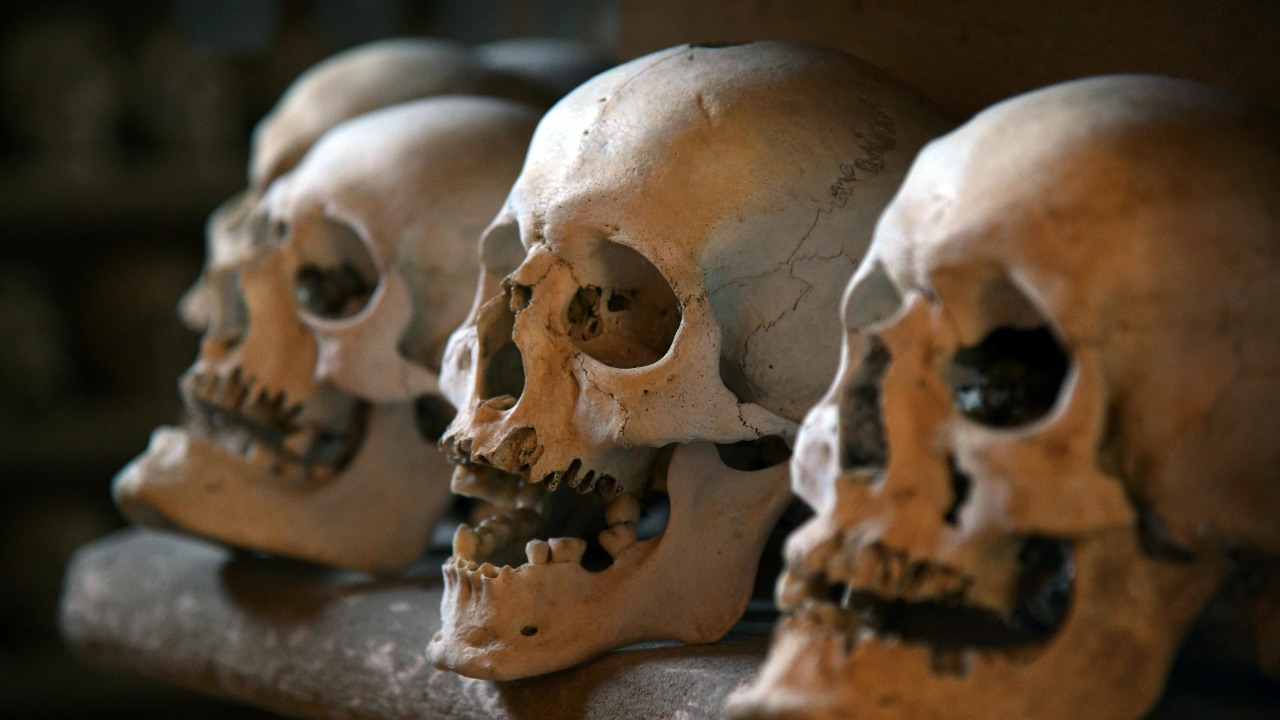
DNA sequencing techniques played a pivotal role in the analysis of these ancient remains. Utilizing state-of-the-art technology, researchers extracted and sequenced DNA, allowing for an in-depth examination of genetic material that had been preserved for millennia. These advancements in genetics have opened new avenues for understanding ancient human populations, offering a clearer picture of our ancestral lineage.
The genetic analysis led to the identification of a new lineage that is distinct from known human populations. This discovery is significant as it highlights the previously unknown diversity within human ancestry. The genetic markers identified in this lineage provide crucial insights into the movements and interactions of ancient populations. These findings have wide-ranging implications for our understanding of human history, challenging existing narratives and prompting further investigation into ancient human migration.
Comparative analysis with modern and ancient DNA samples from other regions revealed both unique and shared genetic traits. This comparison helped contextualize the findings within a broader framework of human evolution and migration. The discovery of this new lineage not only enriches the genetic tapestry of South America but also provides a deeper understanding of the dynamics of ancient human populations across the globe.
Implications for Human Migration Theories
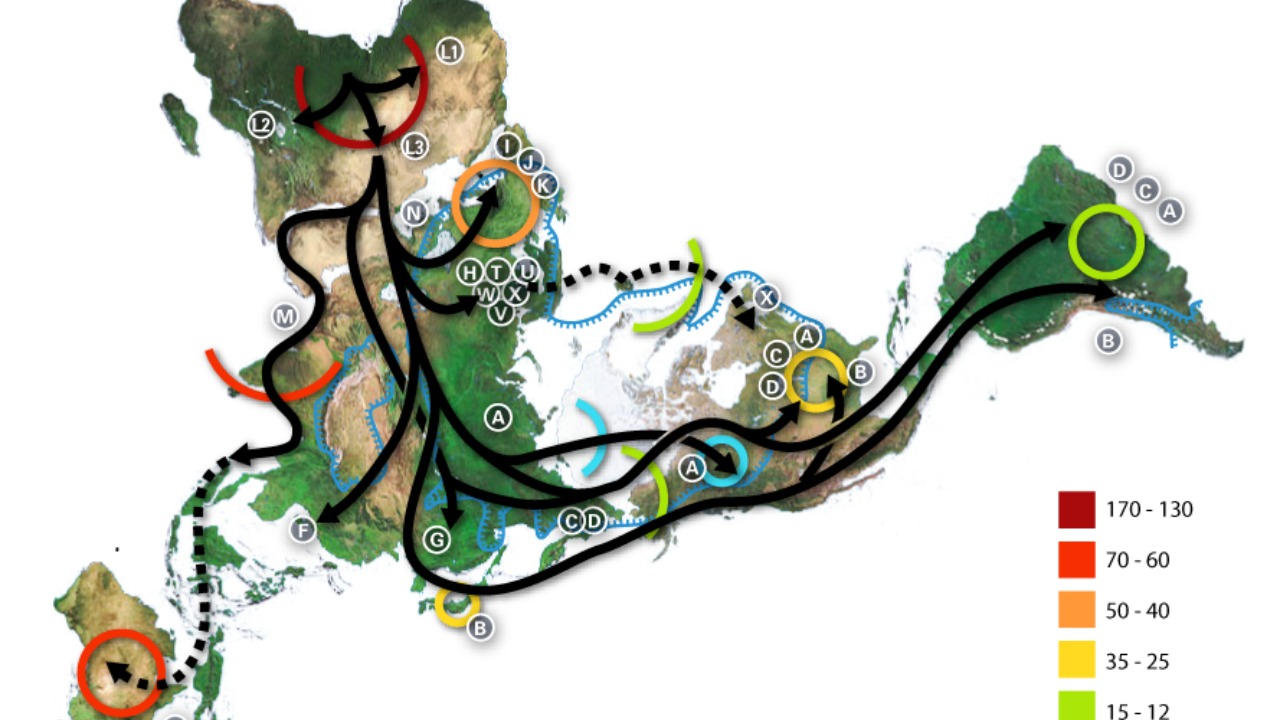
The uncovering of this unknown DNA lineage necessitates a reevaluation of existing theories regarding early human migration into South America. Traditionally, theories have suggested a more linear pattern of migration; however, these new findings indicate a more complex web of movement and interaction among ancient populations. This discovery suggests that early humans may have traversed different routes and interacted with diverse groups, resulting in a richer tapestry of genetic diversity.
Potential connections between this newly discovered lineage and other ancient populations across the Americas are also being explored. The genetic links suggest that there might have been previously unrecognized interactions among ancient peoples, potentially reshaping our understanding of the peopling of the Americas. This research could lead to a deeper appreciation of the intricate network of migrations that have shaped human history across continents.
Furthermore, these findings have significant implications for our understanding of indigenous history in Colombia and beyond. This new genetic evidence provides a more nuanced perspective on the ancestry of indigenous peoples, adding depth to their historical narrative. It challenges us to reconsider the stories of human migration and settlement that have been passed down through generations.
Challenges and Controversies in Ancient DNA Research

One of the primary challenges in ancient DNA research is addressing the ethical considerations associated with extracting and studying ancient human remains. This is particularly pertinent when dealing with the remains of indigenous peoples, as it involves sensitive cultural and historical contexts. Ensuring that research respects the rights and traditions of indigenous communities is paramount, and ongoing dialogue with these communities is essential.
Scientific skepticism and debate are inherent to any groundbreaking discovery, and this research is no exception. Some scholars have raised questions about the interpretation of the findings, emphasizing the need for further evidence and analysis. These differing opinions highlight the dynamic nature of scientific inquiry and the importance of rigorous peer review in advancing our understanding of human history.
Future research directions are likely to focus on expanding the scope of sampling and analysis. More comprehensive studies could provide additional insights into the genetic diversity of ancient populations in this region. Such research could further unravel the complexities of human migration and contribute to a more cohesive understanding of our shared past.
Cultural and Historical Significance
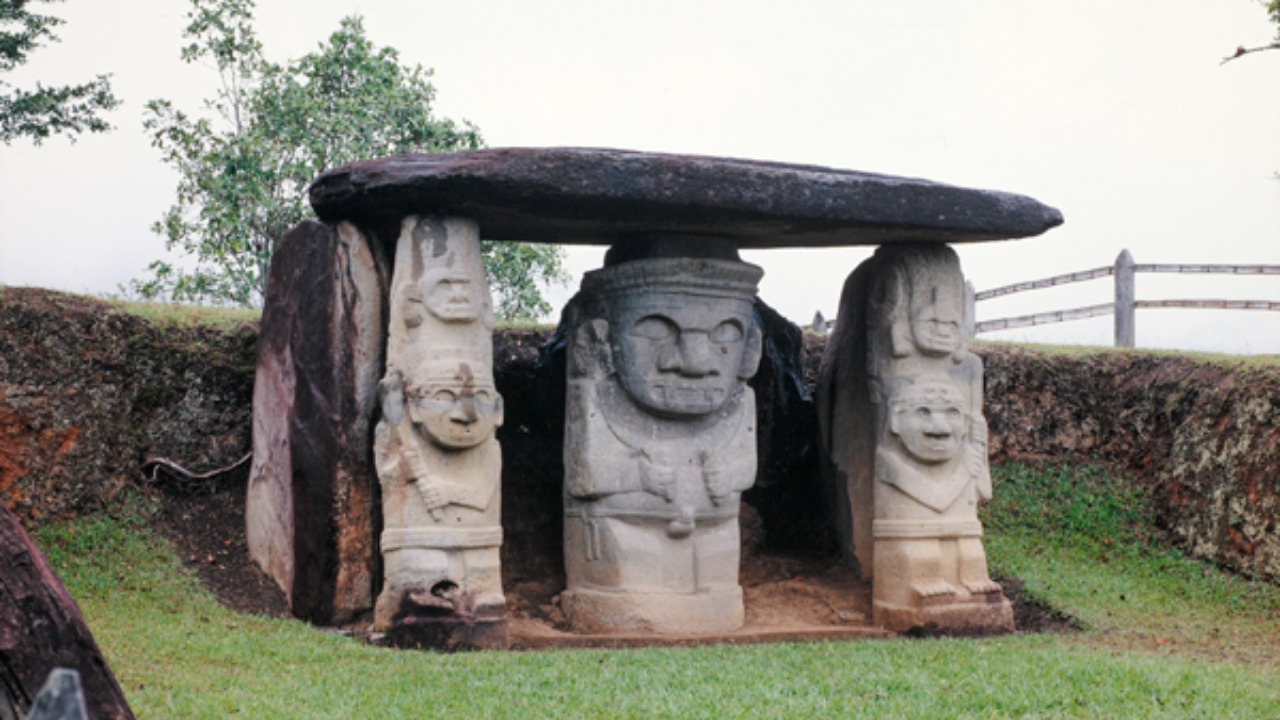
This discovery has enriched the understanding of Colombia’s cultural and historical heritage. It provides a more comprehensive picture of the region’s ancient inhabitants and their connections to other populations. By shedding light on previously unknown aspects of Colombian history, the findings have sparked interest both locally and internationally.
The broader impact of these findings extends to the global study of human history and evolution. As researchers continue to uncover new information about our ancestors, these discoveries contribute to a deeper understanding of the human journey. The study of ancient DNA has become a pivotal tool in reconstructing the past, offering insights that were previously inaccessible.
The dissemination of these findings to the public has been met with considerable interest. The scientific community and the general audience have shown a keen interest in the implications of this discovery for the field of anthropology and the study of human history. For more detailed information, you can read about the scientists in Bogota who made this discovery, explore the DNA sequencing process, or delve into the genetic analysis findings. These links provide further insights into the transformative potential of genetics in understanding our past.
