Recent discoveries of massive bones have prompted scientists to re-evaluate the established prehistoric timelines. These findings challenge previous assumptions about the existence and evolution of early species, offering new insights into the ancient world.
Groundbreaking Discoveries
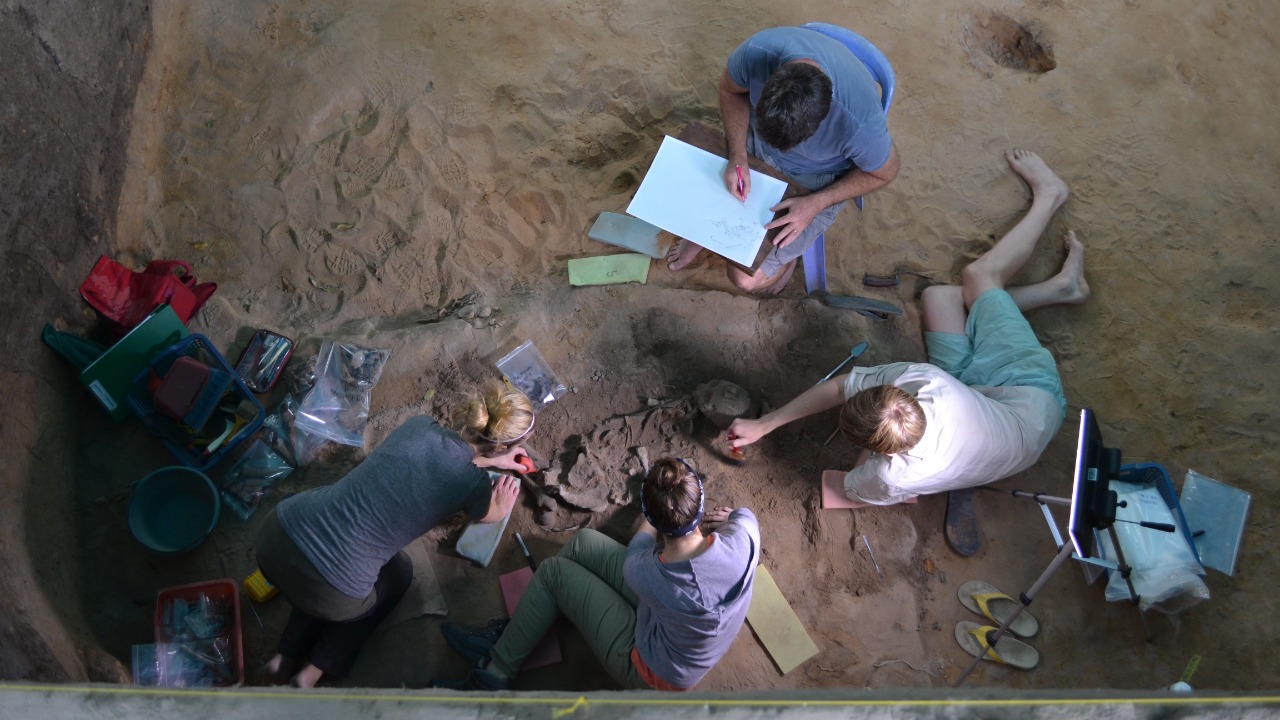
The recent unearthing of bones in a German cave has led to a significant shift in our understanding of Homo sapiens’ early presence in Europe. Previously, it was believed that Homo sapiens did not reach Europe until around 40,000 years ago. However, these newly discovered bones suggest human presence dating back to at least 45,000 years ago. This finding not only extends the timeline of human migration into Europe but also raises questions about their interactions with Neanderthals, who were believed to be the dominant inhabitants of the region during this period.
Meanwhile, in Israel, the discovery of a 35,000-year-old totem within a cave offers compelling evidence of early human cultural expression. The intricately carved totem, depicting abstract designs and figures, suggests that early humans engaged in complex symbolic thought and communication much earlier than previously thought. This challenges the conventional view that such cultural artifacts only appeared later in human history and indicates that early Homo sapiens were capable of sophisticated artistic endeavors.
Implications for Human Evolution

The implications of these discoveries for our understanding of human evolution are profound. The revelation that Homo sapiens may have been present in Europe earlier than assumed necessitates a reevaluation of migration patterns. Anthropologists now need to consider the possibility that early humans spread across Europe in waves, potentially leading to greater genetic diversity and cultural exchange than previously documented. Such findings compel scientists to rethink traditional models that proposed a more linear and isolated evolution of human populations.
Additionally, evidence of bone tools used by human ancestors over a million years ago has pushed back previous estimates of technological advancement. This discovery points to the use of bone as a material for tool-making significantly earlier than the previously accepted timeline. The implications are wide-ranging, indicating that early human ancestors had developed a level of technological sophistication that allowed them to adapt and thrive in diverse environments long before the advent of more commonly recognized stone tools.
Challenges to Established Theories
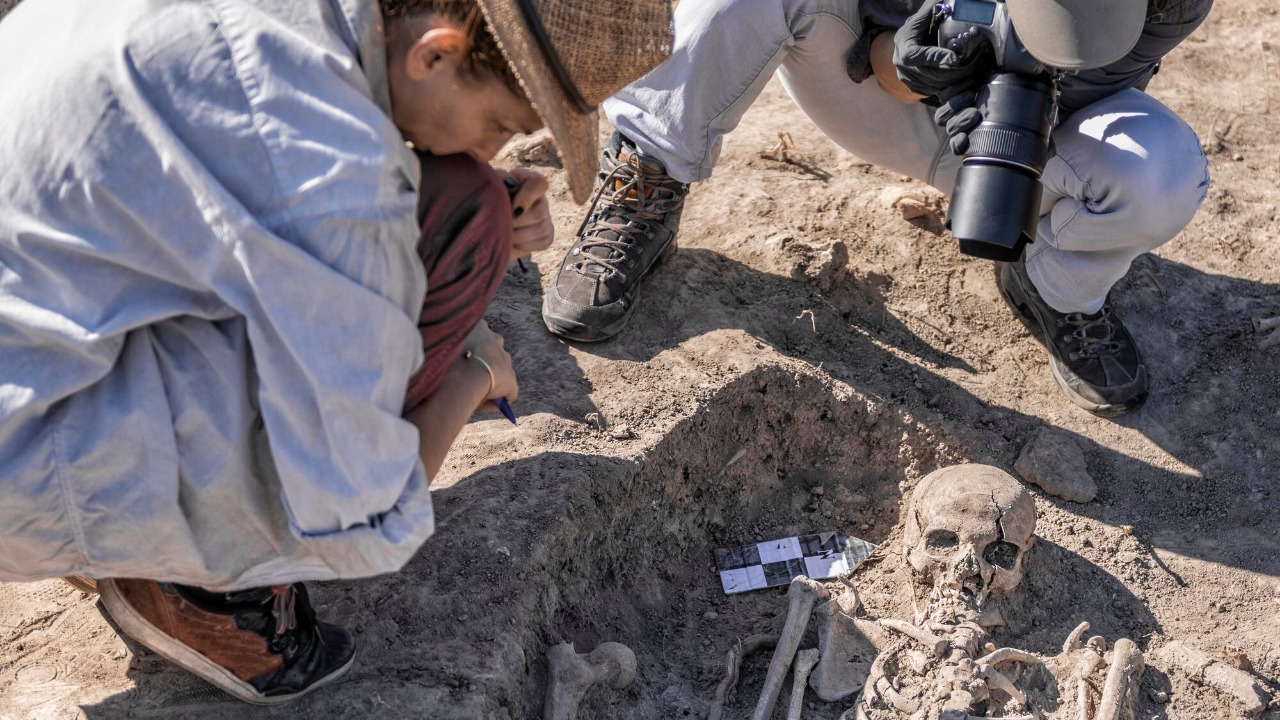
These groundbreaking findings are not without controversy, as they challenge long-held assumptions and theories regarding human history. One critical aspect is the role of advanced dating techniques in confirming the age of these bones. Techniques such as radiocarbon dating and stratigraphic analysis have been crucial in verifying the age of the discoveries, lending credibility to the revised timelines. However, these methods are not infallible, and discrepancies in dating can lead to intense debate among scientists.
Indeed, the scientific community remains divided on the implications of these findings. While some researchers embrace the new evidence as a breakthrough, others caution against drawing definitive conclusions without further corroboration. The debates focus on the accuracy of dating methods, the interpretation of cultural artifacts, and the broader impact on our understanding of prehistoric timelines. This ongoing discourse is a testament to the dynamic nature of scientific inquiry, where new evidence can upend established paradigms and lead to more nuanced understandings of human history.
Future Research Directions
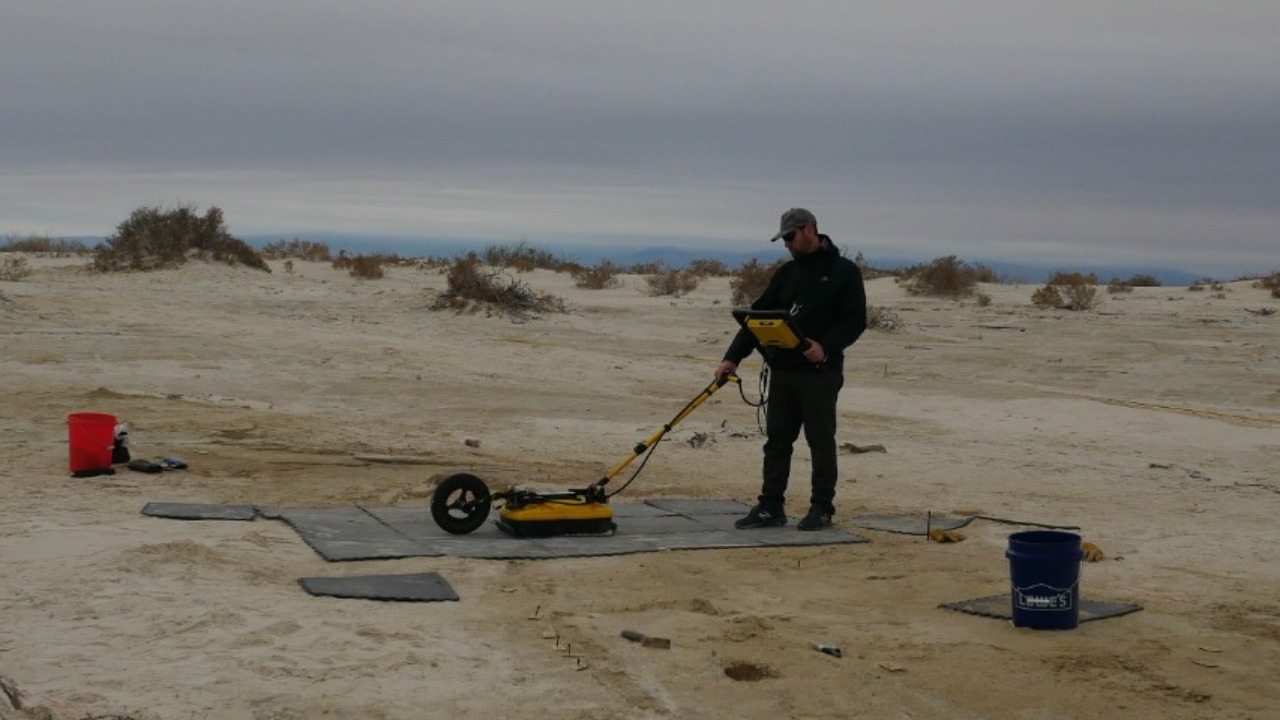
In light of these discoveries, the search for new excavation sites has gained momentum. Researchers are keen to identify areas that may hold further evidence to support or refute the current findings. These sites, potentially located in underexplored regions across Europe and the Middle East, could offer fresh insights into the spread and development of early human cultures. The exploration of these new sites promises to enrich our knowledge and may even lead to the discovery of unknown human species or cultural practices.
Furthermore, the importance of interdisciplinary approaches in archaeological research cannot be overstated. Combining expertise from fields such as genetics, geology, and anthropology allows for a more comprehensive understanding of prehistoric life. Genetic analysis, for instance, can provide insights into the lineage and migration patterns of early humans, while geological studies can offer context on the environmental conditions they faced. This collaborative approach is essential for constructing a more accurate and holistic picture of our ancestors’ lives and their evolution over millennia.
Revisiting Historical Narratives
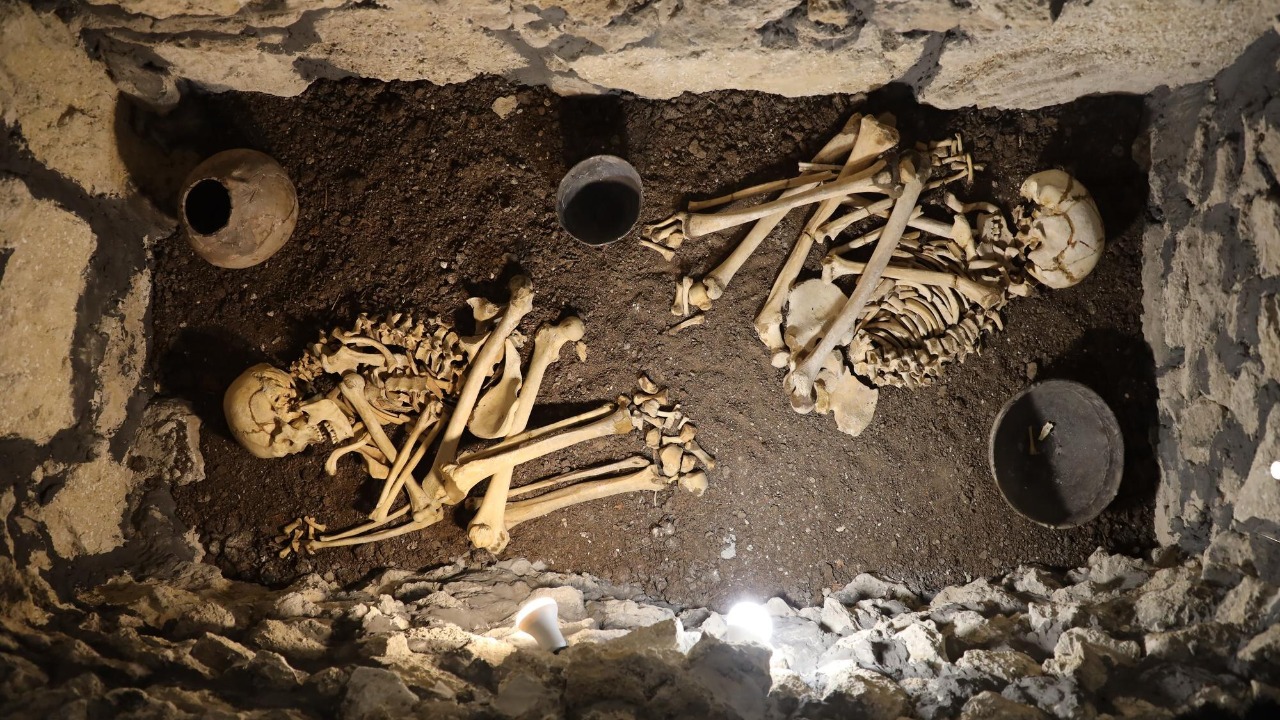
The impact of these discoveries extends beyond the scientific community, influencing the narratives presented in history books and educational materials. As new evidence emerges, it may necessitate revisions to historical timelines and the portrayal of early human societies. Educators and historians must grapple with the challenge of integrating these findings into a coherent story that reflects the complexity and diversity of human evolution. Such revisions are crucial for ensuring that future generations receive an accurate and nuanced understanding of our shared past.
Public interest in these archaeological findings has also surged, driven by media coverage and the inherent fascination with our origins. This engagement is vital for fostering a broader appreciation of scientific research and its impact on our understanding of history. As more people become aware of these discoveries, there is an opportunity to shape public discourse and encourage support for continued research. By fostering a connection between the public and the scientific community, we can ensure that the exploration of our prehistoric past remains a vibrant and dynamic field of inquiry.
