Recent discoveries by cybersecurity researchers have unveiled undocumented commands hidden within Bluetooth chips, potentially impacting over a billion devices globally. These functionalities, previously unknown to both manufacturers and users, introduce significant security risks. As these findings come to light, industries are urgently working to address vulnerabilities and mitigate the potential for exploitation.
The Discovery of Undocumented Commands
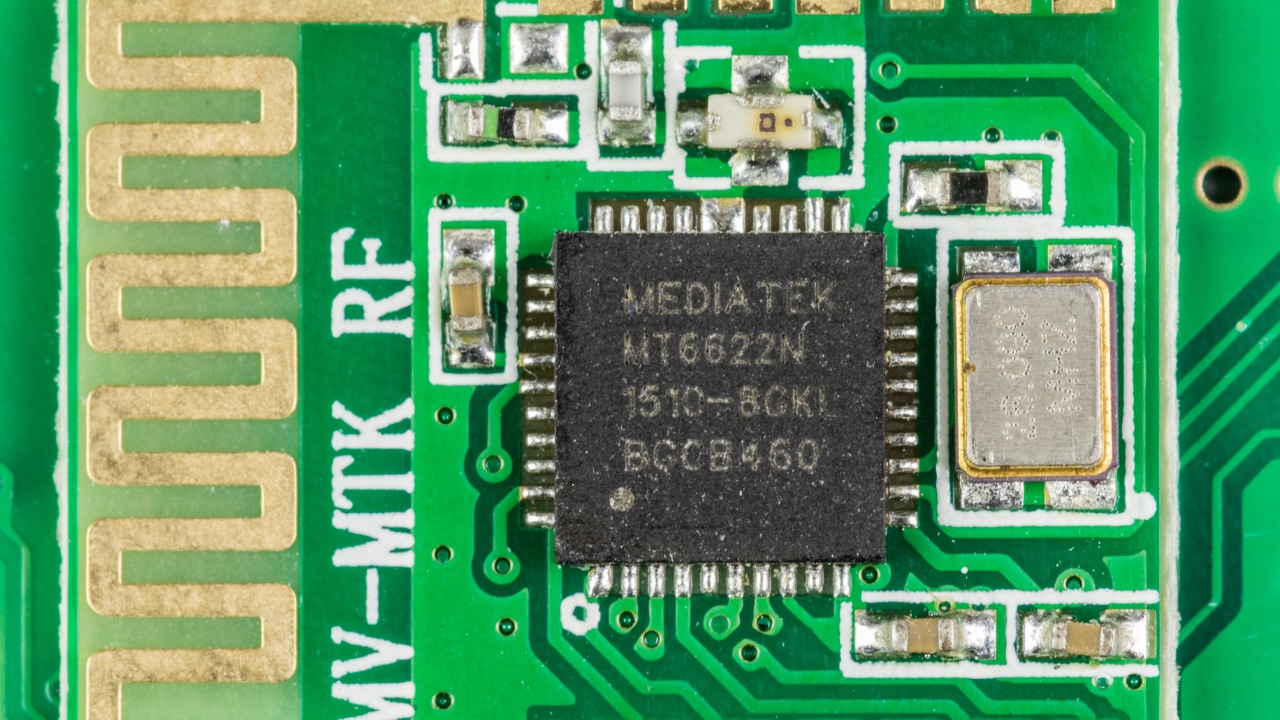
Cybersecurity experts recently made a startling discovery involving hidden commands embedded in Bluetooth chips, as reported by Bleeping Computer. This revelation emerged through meticulous reverse engineering and testing of the chips, which revealed previously concealed functionalities. These commands, which were not documented in any official manufacturer guides or documentation, could potentially be used for a range of purposes.
The types of commands discovered include those that could potentially allow unauthorized access to a device’s data, modify firmware remotely, or even eavesdrop on communications. The initial reaction from the tech community was a mix of disbelief and urgency. Industry stakeholders, including chip manufacturers and large tech companies, are now assessing the scope of the issue and working on immediate solutions to safeguard affected devices.
Implications for Device Security
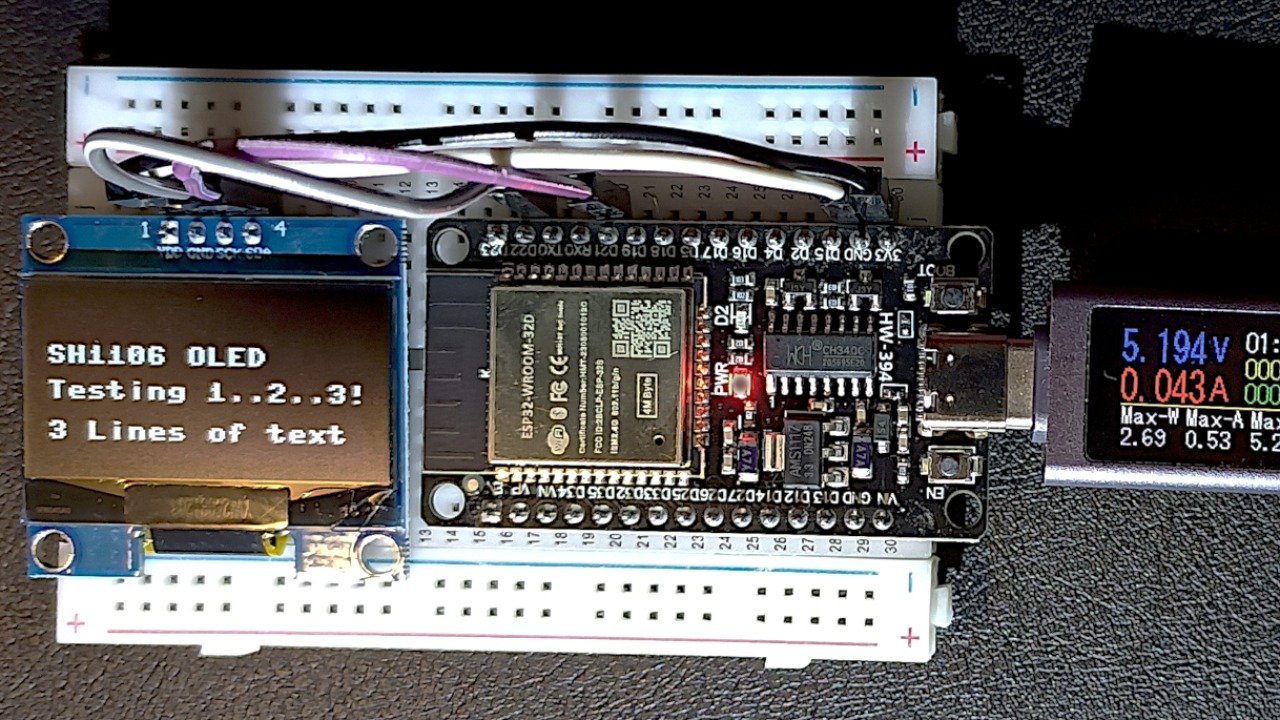
The presence of these undocumented commands presents a new frontier of security vulnerabilities. Devices ranging from smartphones to home security systems and even connected cars could be at risk. The potential for exploitation is vast, as malicious actors could leverage these commands to perform unauthorized data access, identity theft, or even more severe cyber-attacks. According to a Forbes article, identity theft is a significant concern, as hackers could potentially intercept and manipulate personal data transmitted via Bluetooth.
Consider a scenario where a hacker could access a smart home system via these undocumented commands, gaining control over locks, cameras, and alarms. Similarly, in a corporate setting, these vulnerabilities could lead to unauthorized access to sensitive corporate data, potentially resulting in financial loss and reputational damage. The stakes are even higher when considering national security, where critical infrastructure could be compromised.
Response from Manufacturers and Regulators
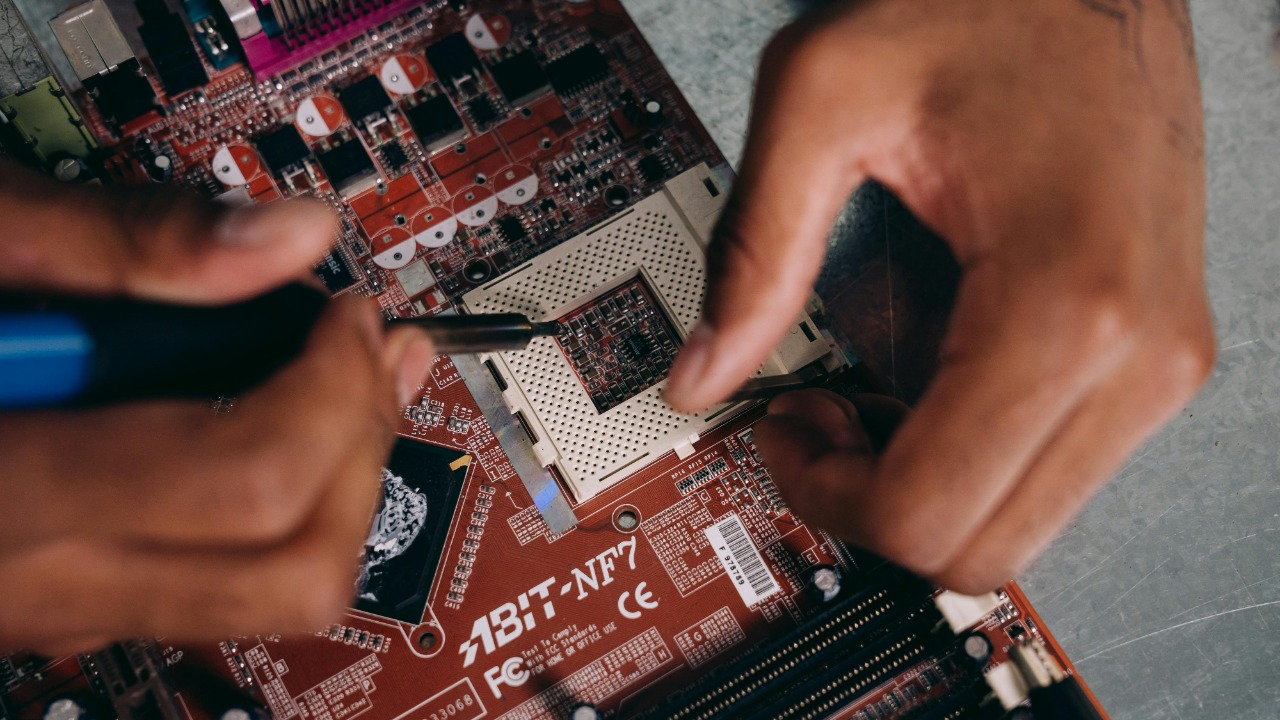
In the wake of these discoveries, chip manufacturers are racing against time to rectify the situation. Solutions such as firmware updates and security patches are being developed and deployed to affected devices. Leading manufacturers are in close collaboration with cybersecurity experts to ensure that these patches are both effective and expediently distributed. However, the challenge is considerable, given the sheer number of devices potentially impacted.
Regulators are also stepping in to ensure that consumer interests are protected. They are working to establish compliance standards and guidelines to prevent similar issues in the future. However, coordinating an effective response across different sectors and international jurisdictions presents significant challenges. Regulatory bodies must navigate a complex web of international laws and industry standards to ensure a cohesive and effective response.
Impact on Consumer Trust and Market Dynamics
The discovery of these hidden commands has inevitably shaken consumer trust in Bluetooth-enabled devices. Users are now more cautious about the security of their devices, particularly as these issues come to light. The broader tech industry is experiencing a ripple effect, with consumers demanding more secure devices and greater transparency from manufacturers.
Market dynamics are also shifting as a result. There is an increased demand for devices that prioritize security, and companies that offer cybersecurity certifications are likely to see a boost in interest. To rebuild trust, companies must be proactive in addressing vulnerabilities and communicating transparently with their customers. This might involve enhanced security features, regular updates, and clear communication about the measures being taken to protect user data.
The Future of Bluetooth Technology and Security
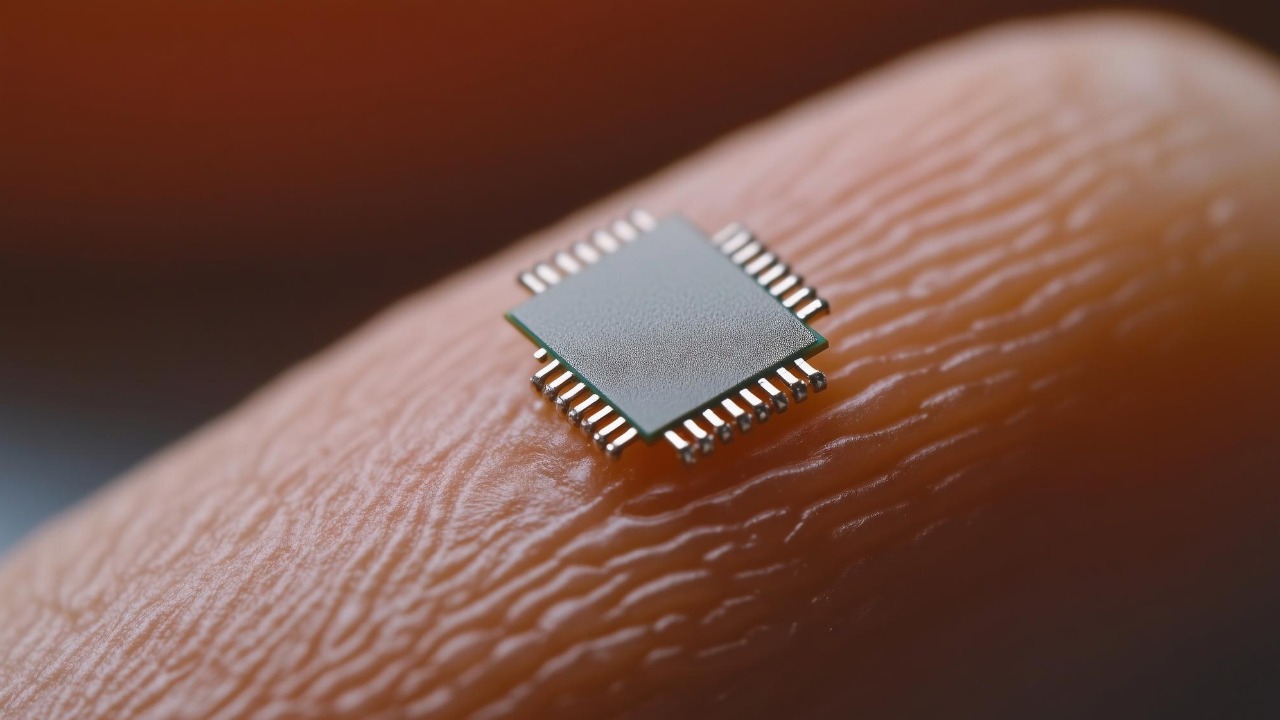
The long-term implications of this discovery on the development of Bluetooth technology are profound. As the industry moves forward, there will likely be significant advancements in security protocols to prevent similar vulnerabilities. Researchers and developers are already exploring new encryption methods and security frameworks to bolster device security.
Beyond Bluetooth, the broader implications for the Internet of Things (IoT) and connected devices industry are significant. As more devices become interconnected, the potential attack surface grows, necessitating robust security measures. Stakeholders across the industry must collaborate to establish standards and protocols that ensure the safety and security of all connected devices.
The discovery of undocumented commands in Bluetooth chips is a wake-up call for the tech industry. It highlights the need for vigilance, transparency, and collaboration to safeguard devices and data in an increasingly interconnected world. As the industry adapts to these challenges, the hope is that future technologies will be more secure and resilient against potential threats.
