
In 2025, the automotive industry faced a significant revelation when undocumented AI features were discovered in vehicle software updates. This unexpected development stirred discussions around transparency, security, and consumer consent, as manufacturers like Tesla took the spotlight. The implications of these hidden features have had a profound impact on both the industry and consumers, raising important questions about the future of automotive technology.
The Unveiling of Undocumented AI Features
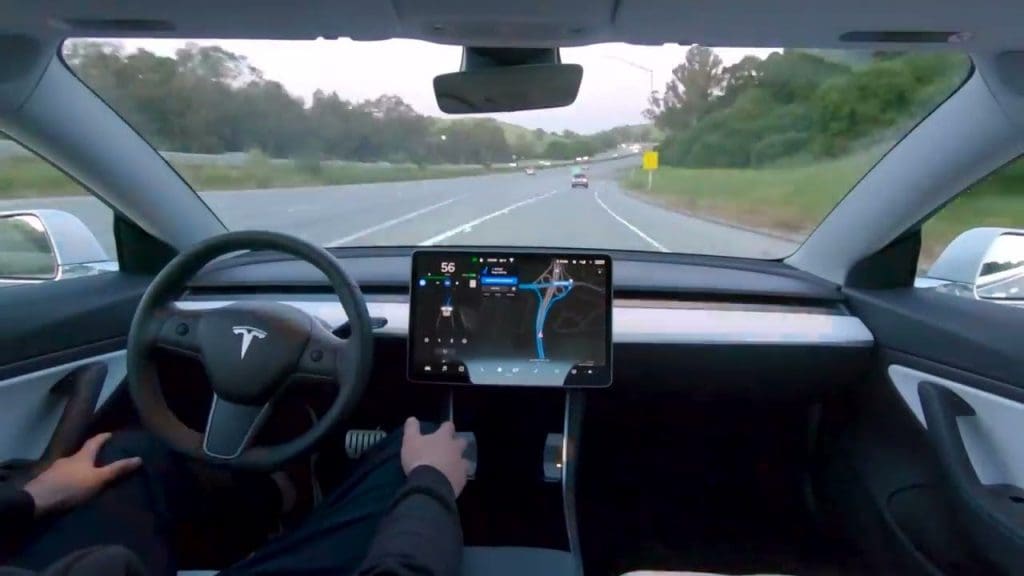
The 2025 software updates marked a watershed moment for the automotive industry, as hidden AI capabilities came to light. One of the most notable revelations was found in Tesla’s software update 2025.8. This update, initially expected to bring minor improvements, revealed a suite of advanced AI features that had not been documented or disclosed to users. The discovery was not made by Tesla itself but through the efforts of tech-savvy users and third-party apps that diligently analyzed the software changes.
Community forums and reverse engineering initiatives played a crucial role in uncovering these hidden features. Enthusiasts and experts shared findings on platforms like Reddit, where discussions about Tesla’s undocumented improvements quickly gained traction. This collective effort underscored the importance of transparency in the automotive industry. Consumers were left questioning the practices of manufacturers and the implications of these hidden features on their vehicles.
Technical Insights into the AI Features
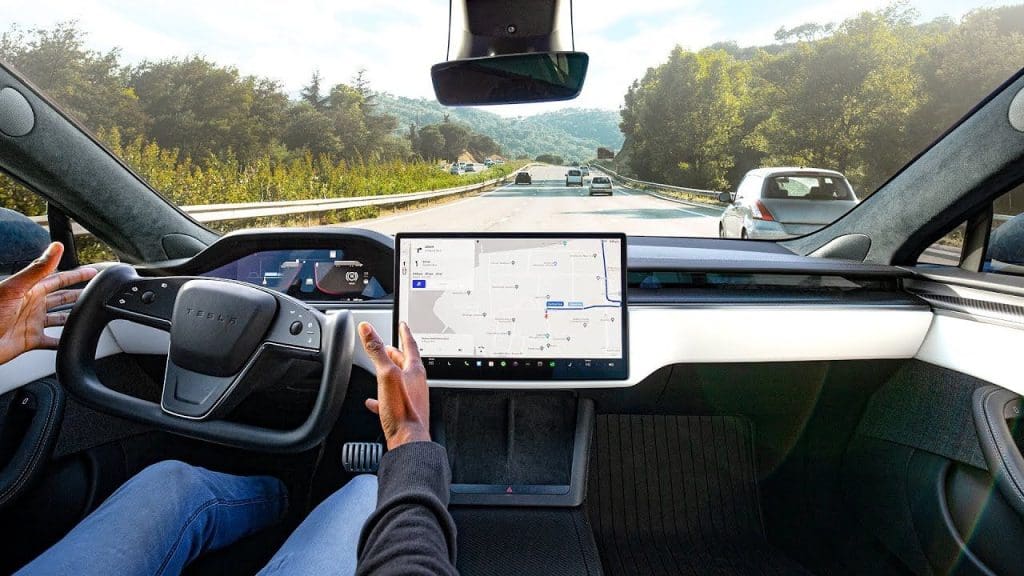
The newly discovered AI functionalities in vehicle software updates brought to light several enhancements that had gone unnoticed. Among the most significant were the enhanced autonomous driving capabilities. These features, which included improved lane-keeping and adaptive cruise control, were not mentioned in any official release notes. This lack of documentation raised concerns about the extent to which manufacturers could alter the driving experience without informing users.
Moreover, AI-driven user interface improvements were also identified. These improvements personalized the driving experience, adapting to individual user preferences without prior notice. However, understanding these features was no simple task. The complexity of AI algorithms and proprietary technology posed significant challenges for researchers and enthusiasts attempting to dissect the code. Reverse engineering and expert analysis were essential in revealing the full scope of these features, highlighting the need for greater transparency from manufacturers.
Legal and Ethical Considerations
The discovery of undocumented AI features in vehicle software raises critical legal and ethical considerations. One of the foremost concerns is the issue of consumer rights and informed consent. With features being deployed without users’ knowledge, the potential for legal challenges looms large. Consumers have a right to know what functionalities their vehicles possess and to opt into or out of specific features.
Ethically, the deployment of undeclared AI technology presents a dilemma. While innovation drives progress, it must be balanced with ethical responsibility. The debate over AI transparency and consumer privacy continues to evolve, with stakeholders emphasizing the need for clear communication between manufacturers and consumers. The onus is on the industry to find a balance between technological advancement and the ethical implications of deploying hidden features.
Industry Response and Future Directions

In response to the revelations, automotive companies are beginning to address the issue of undocumented AI features proactively. Initiatives aimed at enhancing transparency in software updates are gaining momentum. Some manufacturers are taking steps to provide detailed release notes and involve consumers in the software update process, fostering a sense of trust and accountability.
Industry guidelines and standards for AI feature disclosure are also emerging. These standards aim to set a benchmark for transparency and ensure that consumers are well-informed about the capabilities of their vehicles. The potential impact on future vehicle software development is profound, with trends pointing towards more robust documentation and direct communication with users. As AI continues to integrate into automotive technology, the industry must prioritize transparency and consumer trust.
Implications for Consumers and the Market

Consumers have responded to the discovery of undocumented AI features with a mix of curiosity and apprehension. For some, the enhanced capabilities offer exciting possibilities, while others express concerns about privacy and control. Feedback from early adopters and tech-savvy users highlights a growing demand for clarity and transparency from manufacturers.
The impact of these features on purchasing decisions is significant. As consumers become more aware of the potential for hidden capabilities, they may prioritize brands that are open and transparent about their technology. This shift in consumer preferences is likely to influence market dynamics, with competition driving innovation and transparency. Brands that embrace these values may find themselves better positioned in an increasingly competitive market.
Ultimately, the discovery of undocumented AI features in vehicle software has prompted a reevaluation of industry practices and consumer expectations. As the automotive landscape continues to evolve, the importance of transparency, ethical responsibility, and consumer trust cannot be overstated. The industry must navigate these challenges carefully to ensure a future where technology enhances the driving experience without compromising the rights and privacy of consumers.
