Underwater robots are revolutionizing our understanding of the ocean’s deepest trenches, areas that remain largely unexplored due to their inaccessibility and hostile conditions. These high-tech machines are equipped with advanced mapping technologies that allow scientists to uncover new geographical features and species, offering unprecedented insights into Earth’s final frontiers. This article delves into the cutting-edge technology and significant discoveries made possible by these underwater explorers.
The Cutting-Edge Technology of Underwater Robots
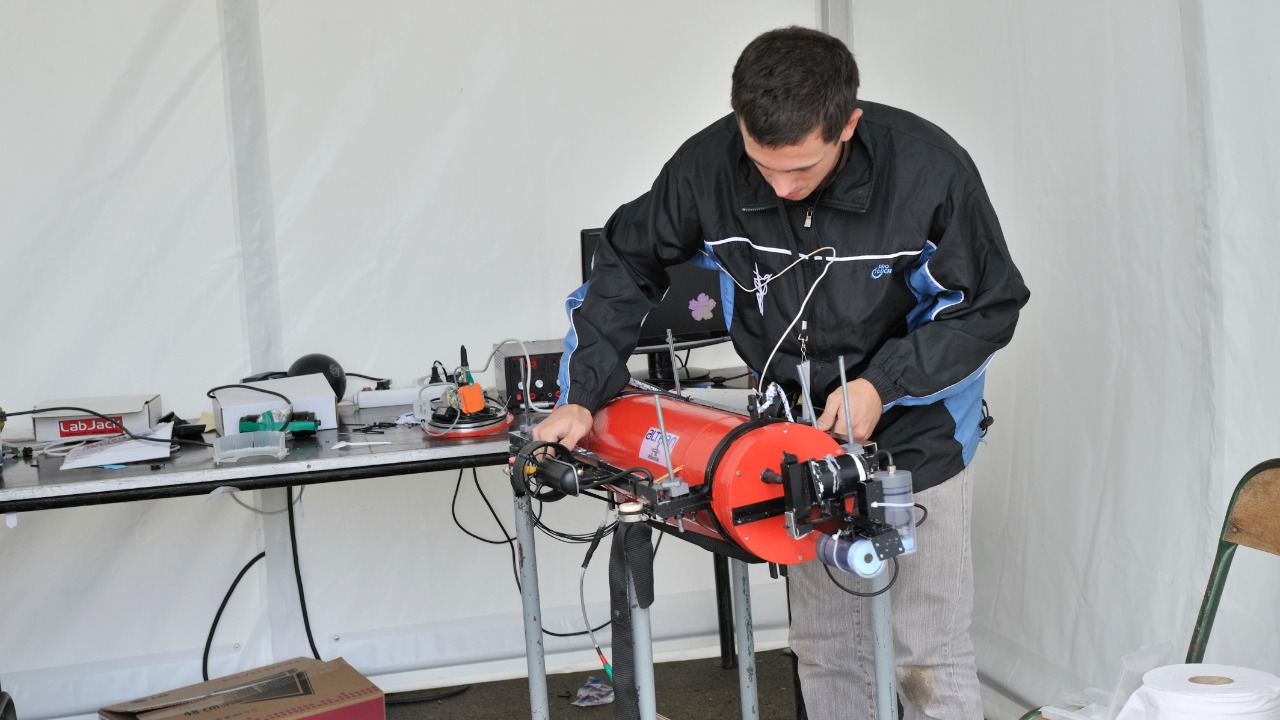
Underwater robots are equipped with advanced navigation systems that have been adapted from technologies initially developed for space exploration. These systems enable robots to navigate complex underwater terrains with precision. By using inertial navigation systems and Doppler velocity logs, these robots can accurately determine their position and orientation even in the absence of GPS signals. This capability is crucial for traversing the intricate landscapes of ocean trenches, where traditional navigation systems falter.
High-resolution mapping tools, such as sonar and 3D imaging equipment, are integral components of these underwater robots. These tools provide scientists with detailed maps of ocean trenches, revealing previously unseen geological structures and patterns. The high-frequency sonar systems are capable of penetrating deep into the seafloor, uncovering hidden features like seamounts and hydrothermal vents. Additionally, 3D imaging enables the construction of accurate models of underwater landscapes, which are essential for studying geological formations and understanding tectonic activity in these remote areas.
One of the most remarkable features of underwater robots is their autonomous operation capabilities. These robots can conduct prolonged missions without human intervention, which is essential for exploring remote and dangerous underwater environments. By leveraging artificial intelligence and machine learning algorithms, underwater robots can make real-time decisions based on the data they collect. This autonomy allows them to adapt to unexpected challenges, such as changes in ocean currents or unexpected obstacles, ensuring that they can complete their missions safely and efficiently.
Significant Discoveries in Ocean Trenches
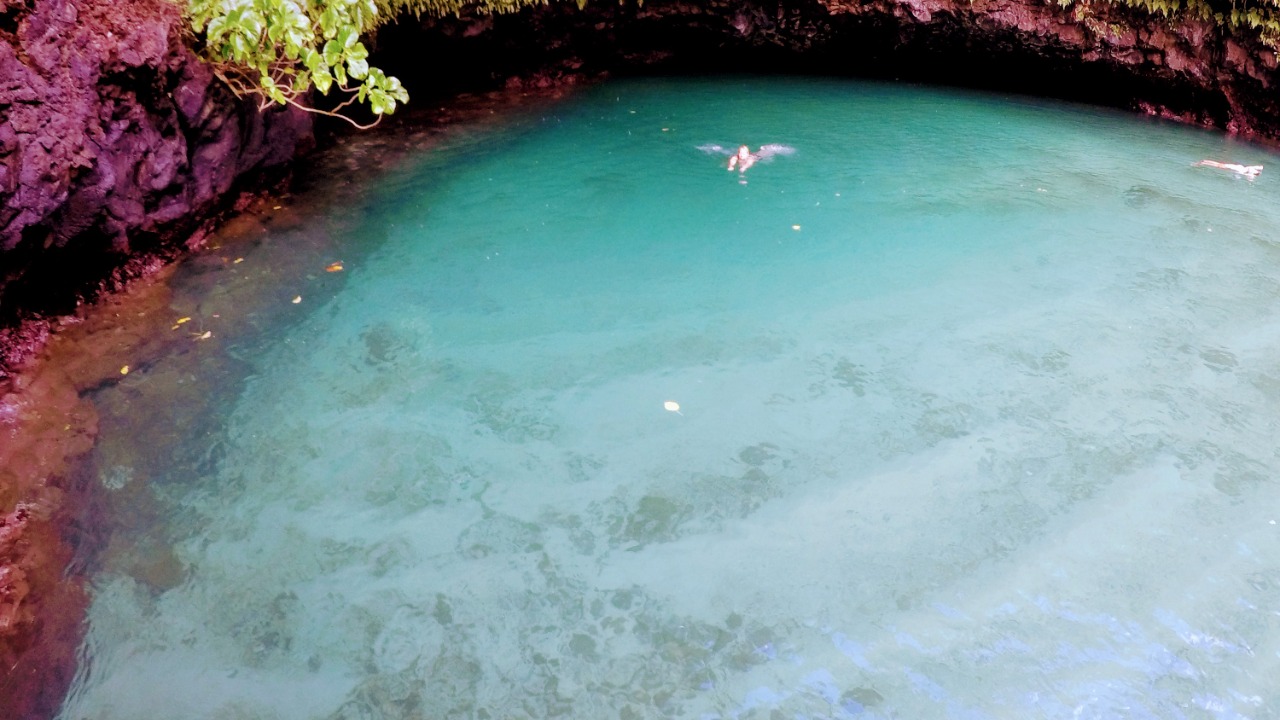
The deployment of underwater robots has led to the discovery of new geological features in ocean trenches. For instance, recent expeditions have uncovered a previously unknown seamount, offering insights into the formation of seafloor topography and tectonic processes. These findings enhance our understanding of how the oceanic crust is formed and the role of tectonic activity in shaping underwater landscapes. Such discoveries are crucial for refining existing geological models and developing new theories about the Earth’s crust dynamics.
In addition to geological discoveries, underwater robots have also identified previously unknown species residing in these extreme environments. The ability to study these life forms in their natural habitats is invaluable for understanding biodiversity and adaptation mechanisms in deep-sea ecosystems. The discovery of new species not only expands our knowledge of marine biology but also provides insights into how life can thrive in extreme conditions, which can inform astrobiological research and the search for life on other planets.
The implications of these discoveries extend beyond Earth, offering valuable parallels in the study of astrobiology. By examining the adaptations of life forms in ocean trenches, researchers can gain insights into how life might exist in extraterrestrial ocean worlds, such as the subsurface oceans of Europa or Enceladus. The extreme environmental conditions found in deep-sea trenches may closely resemble those of these distant worlds, making them a valuable analog for understanding the potential for life beyond Earth.
Challenges and Limitations
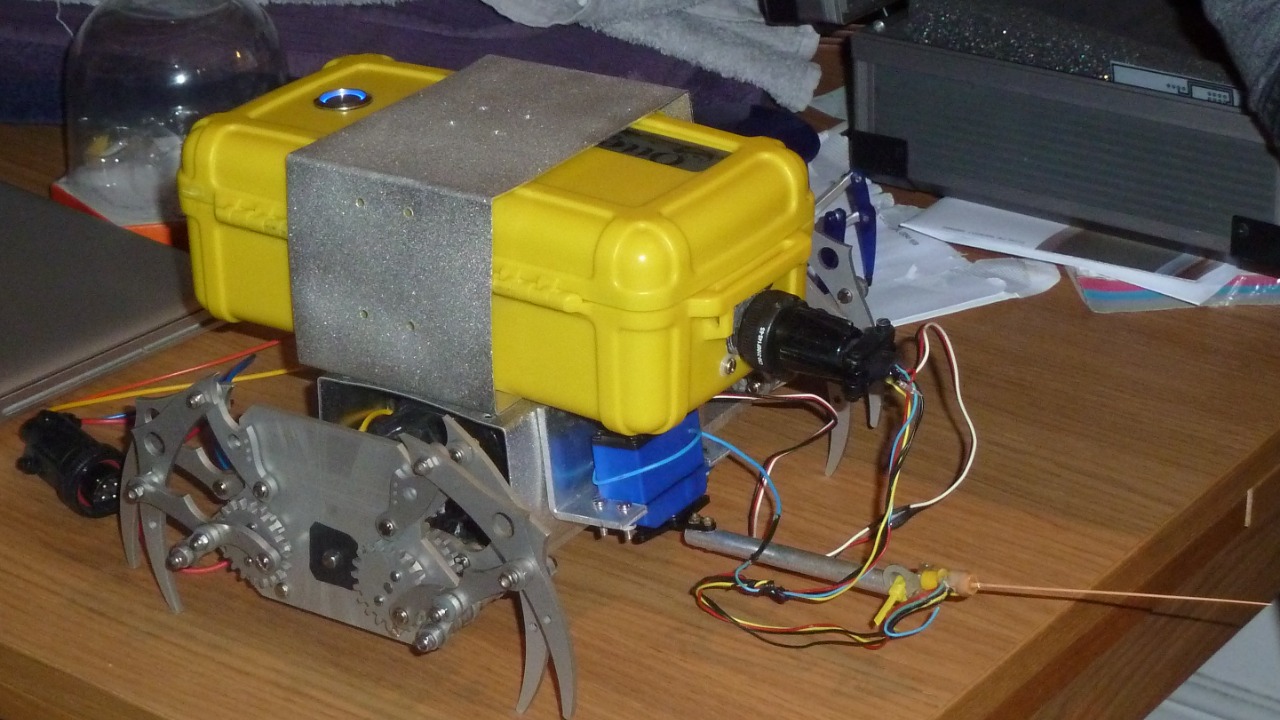
Despite their advanced capabilities, underwater robots face several technical and environmental challenges when operating at extreme depths. The immense pressure at these depths can pose significant risks to the structural integrity of robotic systems. Engineers must design these machines to withstand pressures that can exceed 1,000 times atmospheric pressure, which requires the use of specialized materials and innovative engineering solutions. Additionally, maintaining effective communication between the robots and surface vessels is challenging due to the limitations of underwater communication technologies.
Another significant challenge is managing and analyzing the vast amounts of data collected during these missions. The high-resolution mapping tools generate enormous volumes of data that require advanced computational tools for processing and interpretation. Scientists must employ sophisticated data analysis techniques and collaborate across disciplines to derive meaningful insights from this data. This interdisciplinary approach is essential for integrating geological, biological, and environmental information to gain a comprehensive understanding of ocean trench environments.
Ethical and environmental considerations also play a crucial role in deep-sea exploration. The potential environmental impacts of deploying robots in pristine ecosystems must be carefully evaluated to minimize disturbance to these sensitive environments. Additionally, researchers must consider the ethical implications of exploring and potentially exploiting resources in these remote areas. Establishing guidelines for responsible exploration is essential to ensure that scientific advancements do not come at the expense of environmental preservation.
Future Directions and Innovations
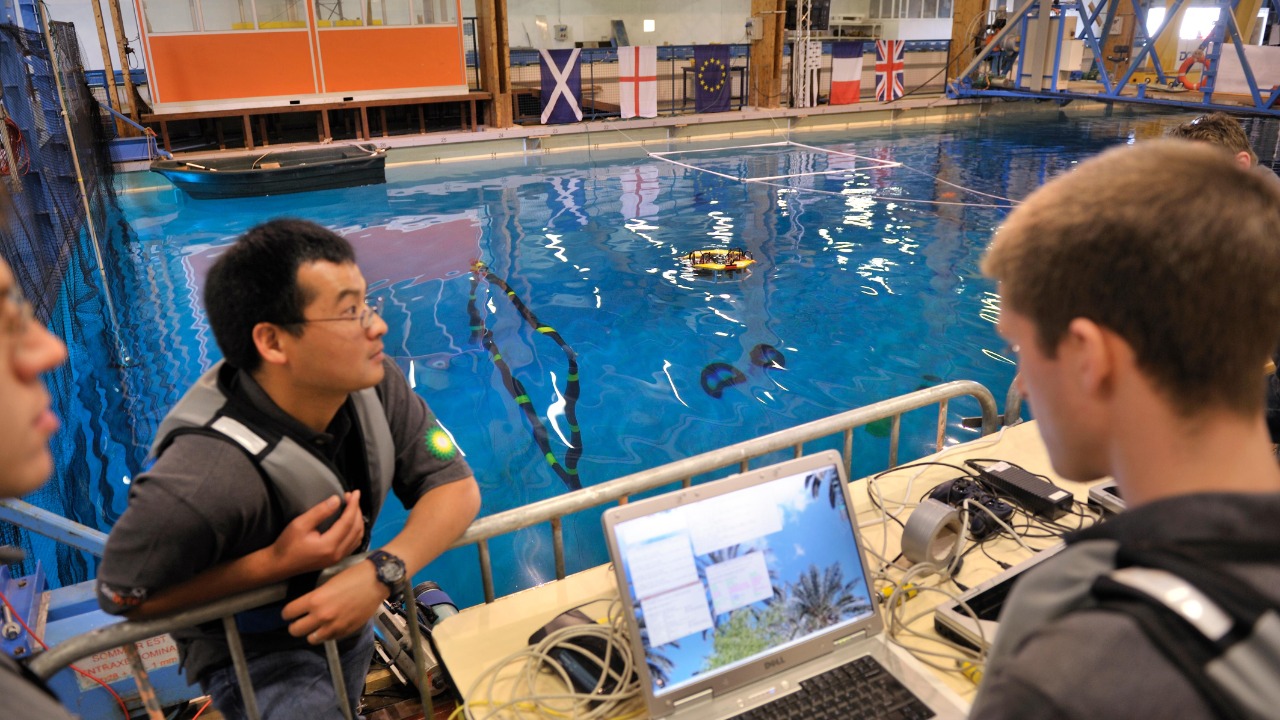
The future of underwater exploration holds exciting possibilities, with the potential to integrate underwater robots with other technologies, such as satellite imaging and artificial intelligence. By combining data from multiple sources, scientists can gain a more comprehensive understanding of oceanic environments. The integration of AI algorithms enables the development of predictive models that can anticipate changes in ocean conditions and optimize exploration strategies. This technological synergy promises to enhance the capabilities of underwater robots and expand the scope of ocean exploration.
International collaboration is also paramount in advancing our understanding of ocean trenches. Collaborative efforts between countries can pool resources and expertise to tackle the complex scientific challenges posed by deep-sea exploration. By working together, nations can share data, technology, and knowledge, accelerating scientific progress and fostering a deeper understanding of our planet’s oceans. Such collaborations are essential for addressing global challenges, such as climate change and marine conservation, that require a united approach.
Looking ahead, future missions aim to explore other unexplored oceanic regions, expanding our understanding of the planet’s most mysterious environments. Advances in robotic technology and international cooperation will enable scientists to venture into new frontiers, uncovering the secrets hidden beneath the ocean’s surface. As we continue to push the boundaries of exploration, the insights gained from these missions will deepen our understanding of Earth’s complex systems and contribute to the broader knowledge of our planet and beyond.
