A recent underwater archaeological discovery near the purported resting place of Noah’s Ark has sparked intense debate among historians and theologians alike. This groundbreaking find, an ancient submerged city, challenges long-held interpretations of the biblical flood narrative and offers new insights into ancient civilizations. The implications of this discovery are profound, potentially reshaping our understanding of ancient history and religious texts.
Historical Context of Noah’s Ark

The story of Noah’s Ark is one of the most enduring narratives of the Bible, detailing a divine flood meant to cleanse a world rife with wickedness. According to the Book of Genesis, Noah was instructed by God to build an ark to save his family and pairs of every animal species from the deluge. Traditionally, the ark is believed to have come to rest on the mountains of Ararat, a region that has captivated explorers and archaeologists alike.
Over the centuries, numerous expeditions have embarked on quests to locate Noah’s Ark, driven by a mix of faith and scientific curiosity. From the 19th-century explorers to modern-day satellite technology, the search has yielded intriguing, albeit inconclusive, findings. Despite the lack of definitive evidence, the cultural and religious impact of the Ark narrative remains significant, influencing countless works of art, literature, and theological discourse.
Discovery of the Underwater City
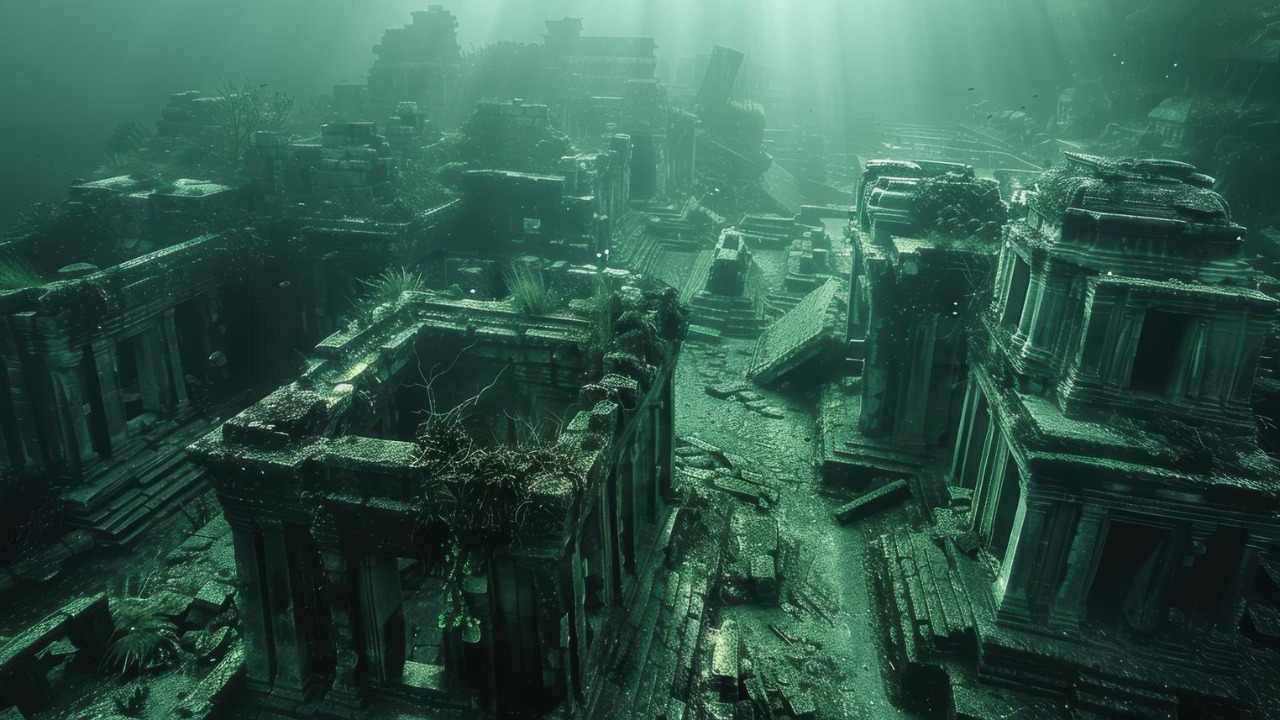
The recent discovery of an underwater city near the alleged resting place of Noah’s Ark is the result of a meticulous expedition by a team of archaeologists and marine scientists. Using advanced sonar technology and underwater drones, the team uncovered the remnants of a once-thriving city submerged beneath the waters. The city boasts complex architectural structures, including what appear to be temples, residential buildings, and intricate roadways.
Artifacts recovered from the site include pottery, tools, and remnants of what might have been religious iconography. The initial reactions from both the scientific and religious communities have been mixed. While some scholars are excited about the potential insights into ancient civilizations, others are cautious, emphasizing the need for further research and carbon dating to verify the city’s age and origins.
Impact on Biblical Interpretation

The discovery of this underwater city poses significant challenges to existing interpretations of the Noah’s Ark story. If the city predates the biblical flood, it could suggest that the flood narrative was inspired by real events, albeit on a much smaller or localized scale than traditionally believed. This possibility has intrigued many theologians, prompting discussions about the historical accuracy of biblical texts and the need to contextualize them within the broader tapestry of human history.
The theological implications of this discovery are profound, potentially prompting shifts in religious teachings about the flood narrative. Some religious scholars view this as an opportunity to reconcile scripture with archaeological findings, emphasizing that faith and science need not be mutually exclusive. This discovery could lead to a reevaluation of other biblical stories, encouraging a more nuanced understanding of ancient texts.
Scientific Analysis and Theories

The scientific community is actively engaged in analyzing the artifacts and geological evidence from the underwater city. Dating methods, including radiocarbon dating and stratigraphy, are being employed to determine the city’s age and the timeline of its submersion. Preliminary findings suggest that the city may have been submerged due to rising sea levels or catastrophic flooding events, potentially linked to ancient climatic changes.
Several theories have emerged regarding the cause of the city’s submersion. One theory posits that a series of massive floods, possibly triggered by glacial melting or tectonic activity, led to the inundation of coastal settlements. Another theory suggests a combination of gradual sea-level rise and catastrophic events, such as tsunamis, could have contributed to the city’s fate. Understanding these factors not only sheds light on the past but also offers valuable insights into the potential impact of future climatic events on human settlements.
Future Research and Exploration
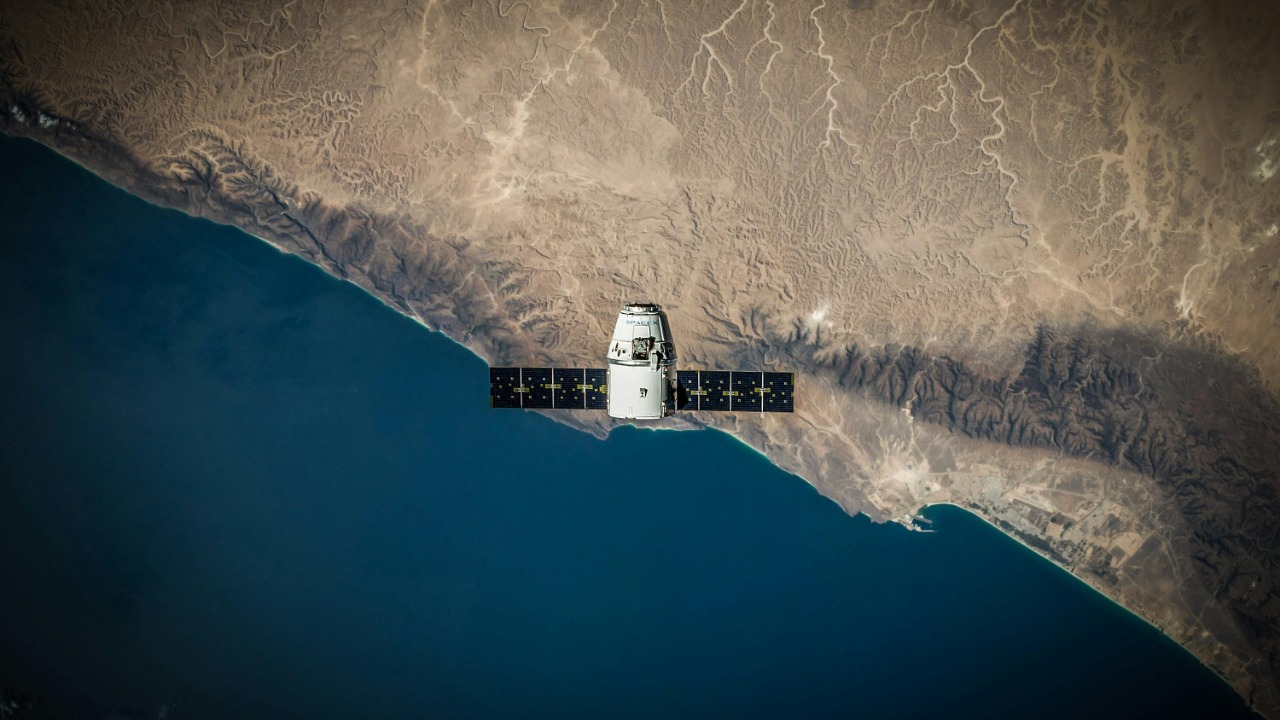
The discovery of the underwater city has set the stage for future research and exploration. Upcoming expeditions are already being planned, with interdisciplinary teams of archaeologists, geologists, and marine scientists collaborating to uncover more about this ancient site. These initiatives will likely employ cutting-edge technologies, such as 3D mapping and underwater robotics, to explore and document the city in unprecedented detail.
As research progresses, there is optimism that further discoveries may emerge, challenging existing historical narratives and offering new perspectives on ancient civilizations. The potential for discovering additional submerged sites in the region is significant, suggesting that our understanding of ancient human history is still evolving. These findings might prompt historians and archaeologists to reassess the development and interactions of ancient cultures, providing a more comprehensive picture of our shared past.
In conclusion, the discovery of an underwater city near the purported resting place of Noah’s Ark has sparked renewed interest in the intersection of archaeology, theology, and history. As research continues, this find promises to deepen our understanding of ancient civilizations and their resilience in the face of natural disasters. It serves as a reminder of the enduring human spirit and our quest to unravel the mysteries of the past.
