
Ukrainian drones have successfully targeted Russia’s rare Be-12 flying boats, significantly impacting their fleet stationed in Crimea. This strike has effectively halved the number of these seaplanes, which are a crucial part of Russia’s maritime reconnaissance capabilities. The attack underscores the growing effectiveness of Ukraine’s drone warfare strategy in the ongoing conflict.
The Significance of the Be-12 Seaplanes
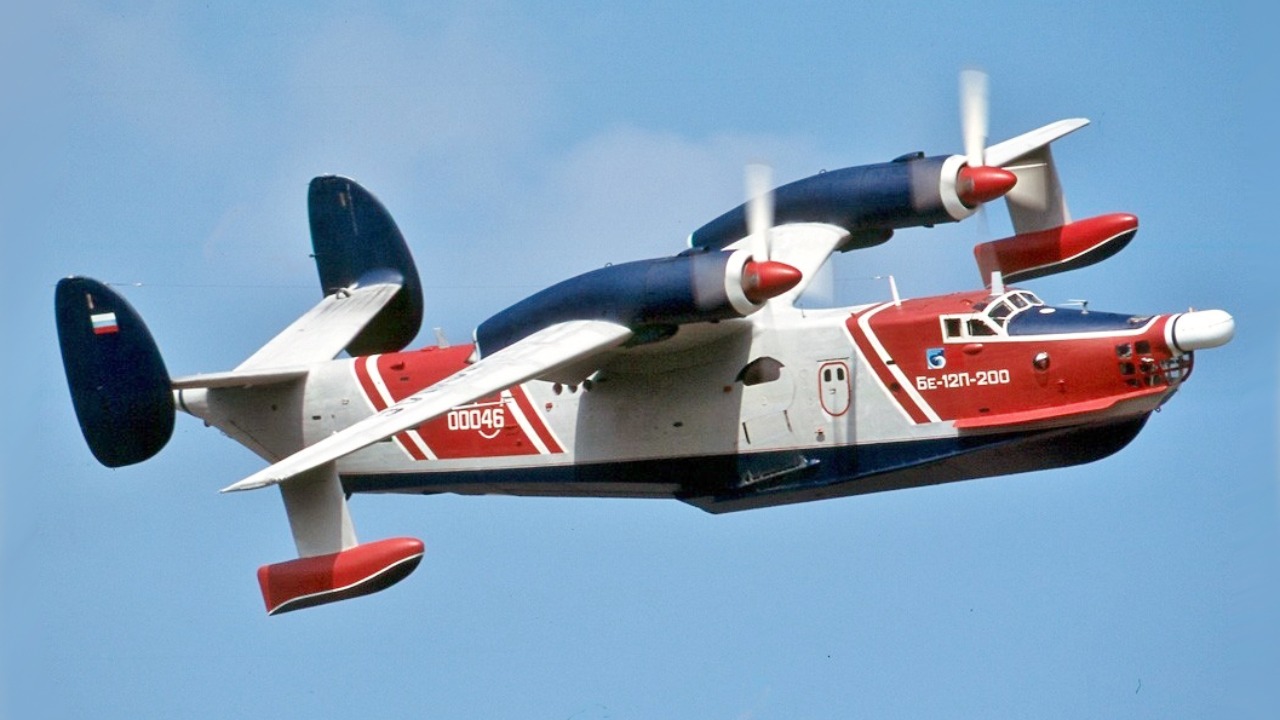
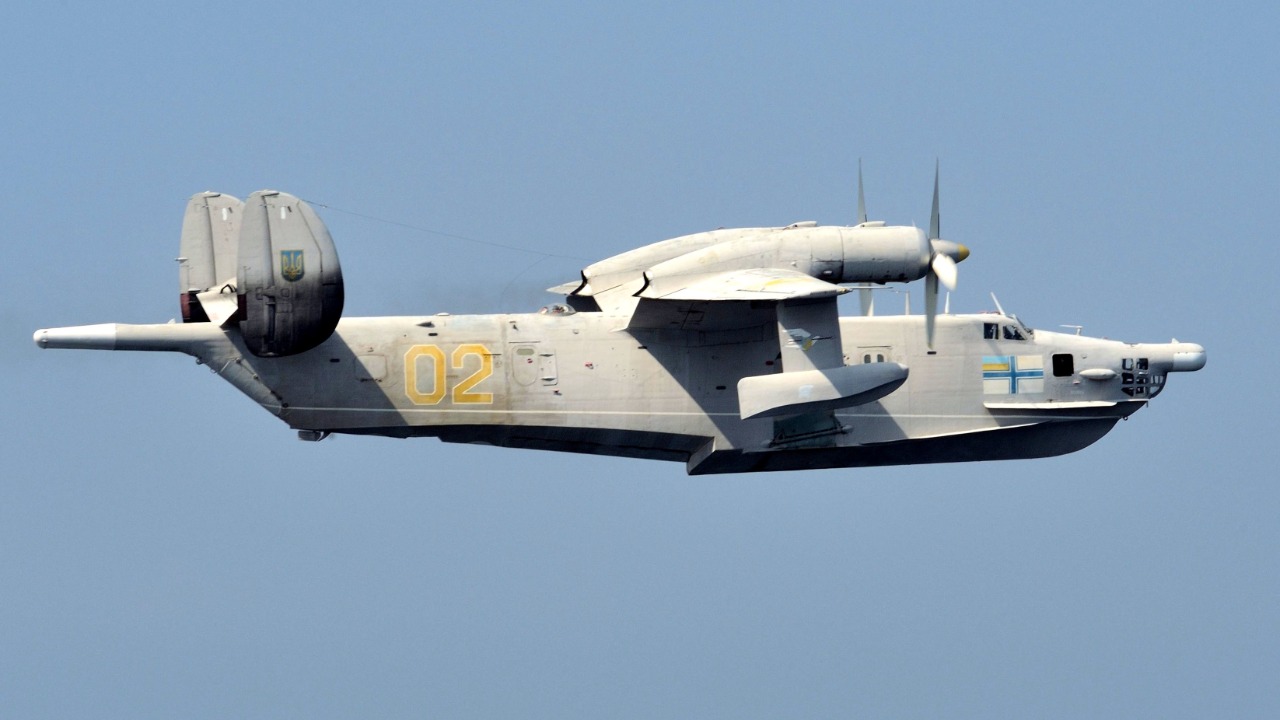
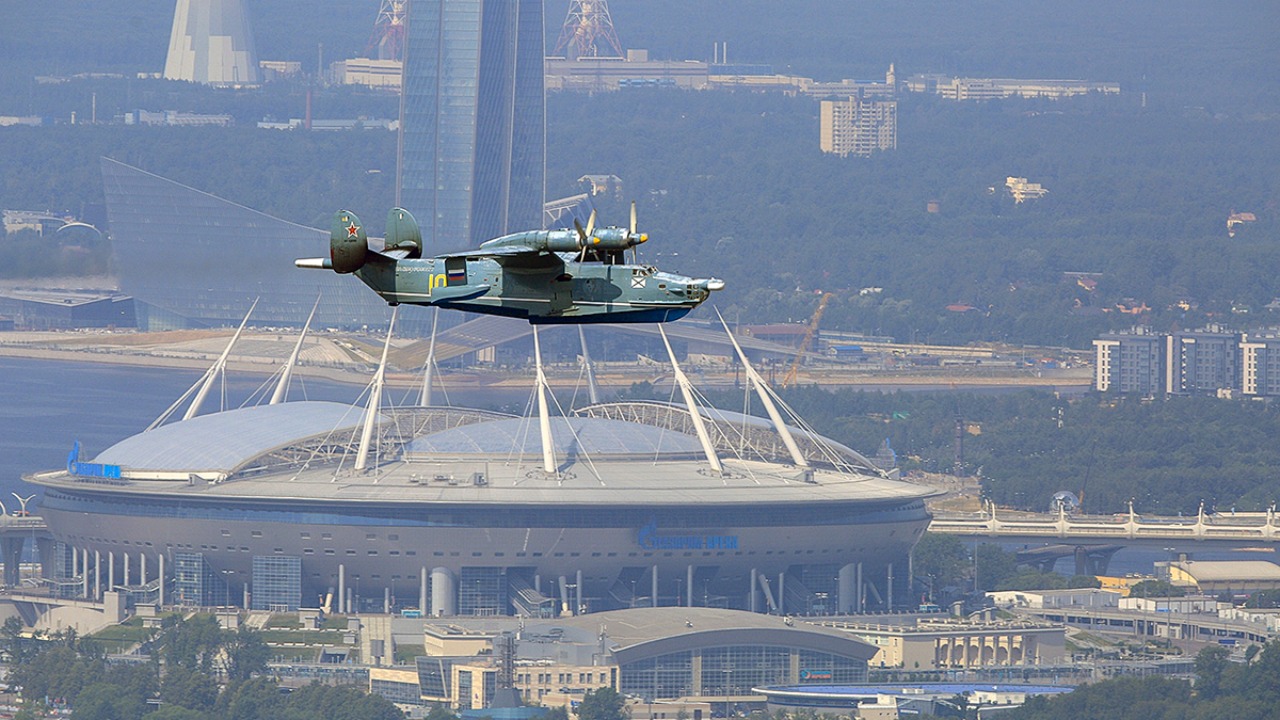
The Be-12 seaplanes, known for their maritime reconnaissance and anti-submarine warfare capabilities, play a vital role in Russian military operations. These aircraft are specifically designed to patrol vast oceanic expanses, detect submarines, and conduct search and rescue missions. Their ability to take off and land on water makes them uniquely suited for operations in the Black Sea region, where naval activity is intense.
Historically, the Be-12 has been a rare asset within the Russian fleet. Developed during the Soviet era, these seaplanes have become increasingly scarce, with only a limited number remaining in service. The recent Ukrainian drone strike has further reduced their numbers, highlighting the vulnerability of these aging aircraft in modern warfare. The rarity of the Be-12s means that their loss is not just a tactical setback but also a blow to Russia’s historical military capabilities [source].
The Be-12’s unique design allows it to operate in environments that are inaccessible to conventional aircraft, providing Russia with a strategic advantage in maritime operations. These seaplanes have been instrumental in maintaining a persistent presence in contested waters, offering both deterrence and rapid response capabilities. The loss of these aircraft not only diminishes Russia’s operational reach but also affects its ability to project power in the region. This reduction in capability could lead to a reassessment of Russia’s maritime strategy, potentially prompting a shift towards more modern and versatile platforms to fill the operational void left by the Be-12s.
Details of the Ukrainian Drone Attack
The Ukrainian drone attack on the Be-12 seaplanes took place in Crimea, a region that has been a focal point of military tensions. The drones used in the attack are part of Ukraine’s growing arsenal of unmanned aerial vehicles, which have been increasingly deployed in strategic operations against Russian targets. These drones are equipped with advanced technology, allowing them to carry out precise strikes while minimizing the risk to Ukrainian personnel.
While specific details about the drones’ specifications and capabilities remain classified, it is known that Ukraine has been investing in both domestically produced and imported drone technologies. This investment has enabled the Ukrainian military to enhance its reconnaissance and strike capabilities, making it a formidable force in the ongoing conflict. The success of this operation demonstrates the effectiveness of Ukraine’s drone strategy in disrupting Russian military assets [source].
The attack on the Be-12 seaplanes is part of a broader Ukrainian strategy to leverage asymmetric warfare techniques against a conventionally superior adversary. By targeting high-value assets with drones, Ukraine is able to inflict significant damage with relatively low risk and cost. This approach not only disrupts Russian military operations but also serves as a psychological tool, undermining confidence in the security of Russian forces in Crimea. The precision and effectiveness of these drone strikes highlight the increasing sophistication of Ukraine’s military capabilities, which have been bolstered by international support and collaboration in defense technology development.
Impact on Russian Military Operations
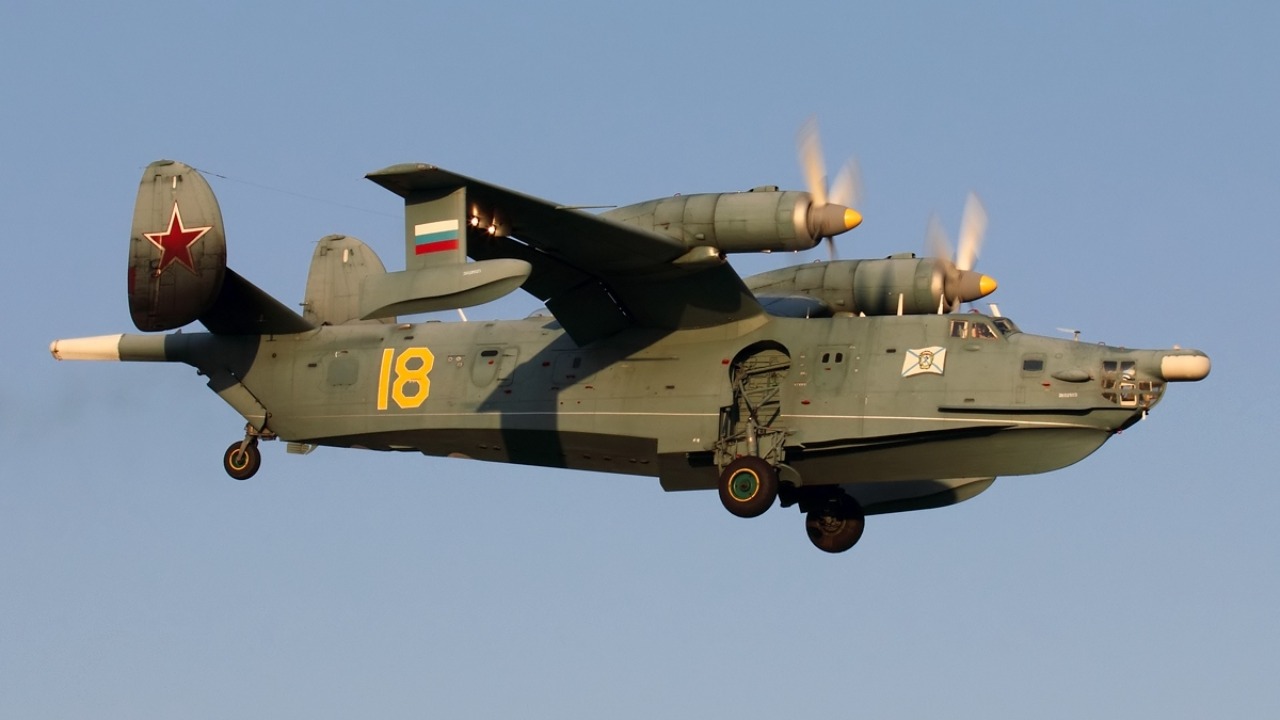
The halving of the Be-12 fleet significantly impacts Russia’s maritime reconnaissance and anti-submarine operations in the Black Sea region. These seaplanes were integral to monitoring naval movements and securing Russian maritime interests. With their numbers now reduced, Russia faces challenges in maintaining the same level of surveillance and operational readiness.
In response to this loss, the Russian military may need to adjust its strategy, potentially increasing reliance on other reconnaissance assets or enhancing its air defense systems to protect remaining aircraft. The strike on the Be-12s not only affects immediate operational capabilities but also forces Russia to reconsider its long-term military planning in the region. This shift could lead to changes in deployment patterns and an increased focus on developing or acquiring new technologies to fill the gap left by the damaged seaplanes [source].
In addition to the immediate operational challenges posed by the loss of the Be-12s, Russia may face logistical and strategic hurdles in replacing these aircraft. The Be-12s, being a product of Soviet-era engineering, are not easily replaced due to their specialized nature and the limited production of similar aircraft. This scarcity could compel Russia to explore alternative solutions, such as retrofitting existing aircraft with enhanced capabilities or accelerating the development of new maritime reconnaissance platforms. The financial and technological investment required for such initiatives could strain Russia’s defense budget, potentially impacting other areas of military modernization.
Ukrainian Drone Capabilities and Strategy
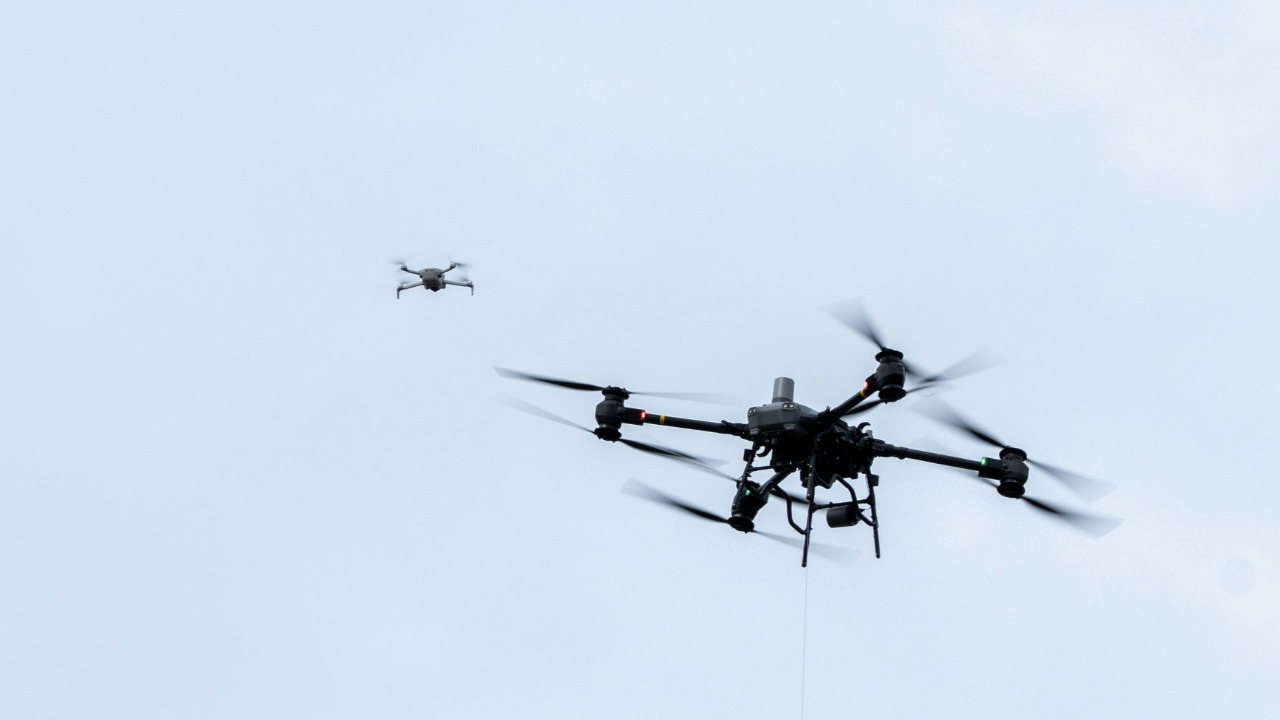
Ukraine’s advancements in drone technology have been a game-changer in its military strategy. The country has developed a range of drones capable of both reconnaissance and offensive operations, allowing for flexible and adaptive tactics on the battlefield. These drones have been used effectively in various operations, targeting key Russian assets and disrupting their military activities.
Past successful drone operations by Ukraine include strikes on Russian supply lines and command centers, demonstrating a pattern of strategic targeting aimed at weakening Russian operational capabilities. The use of drones allows Ukraine to conduct operations with precision and minimal risk, making them a crucial component of its military strategy. This approach not only enhances Ukraine’s defensive capabilities but also serves as a deterrent against further aggression [source].
Ukraine’s strategic use of drones is supported by a robust network of intelligence and reconnaissance operations, which provide real-time data to enhance the effectiveness of drone strikes. This integration of technology and intelligence allows for highly coordinated attacks that maximize impact while minimizing collateral damage. Furthermore, Ukraine’s focus on developing indigenous drone technologies has fostered a growing defense industry capable of producing advanced systems tailored to the specific needs of its military. This self-reliance not only strengthens Ukraine’s defense posture but also positions it as a potential leader in drone technology within the region.
International Reactions and Implications
The international community has closely monitored the strike on the Be-12 seaplanes, with reactions varying among key NATO and EU countries. Some nations have expressed support for Ukraine’s right to defend its sovereignty, while others have called for restraint to prevent further escalation of the conflict. The strike has also raised concerns about regional security dynamics, as it highlights the potential for increased military engagements in the Black Sea area.
The broader implications of this attack extend beyond the immediate military impact. It underscores the evolving nature of modern warfare, where drone technology plays a pivotal role in shaping conflict outcomes. As countries around the world assess their own military strategies, the effectiveness of Ukraine’s drone operations may influence future defense policies and technological investments. The situation remains fluid, with potential for further developments as both Ukraine and Russia adjust their strategies in response to the changing dynamics [source].
